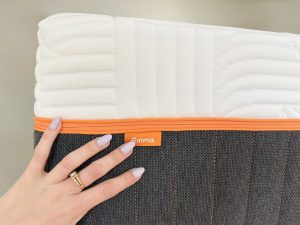
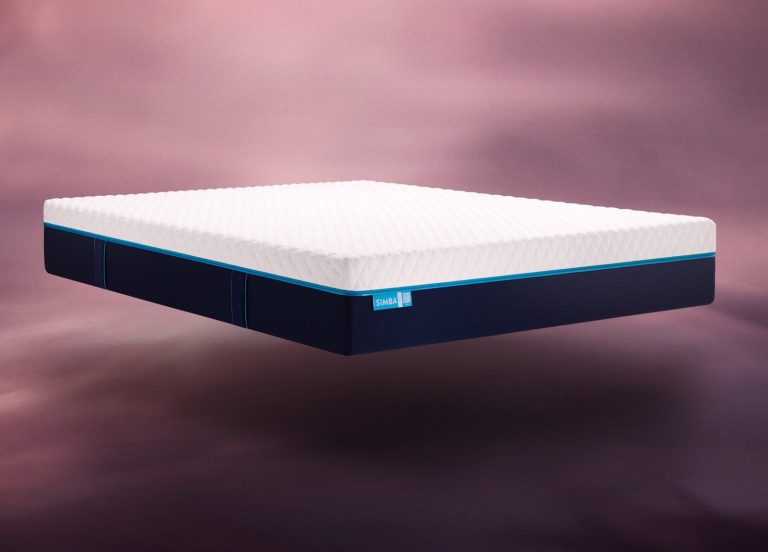
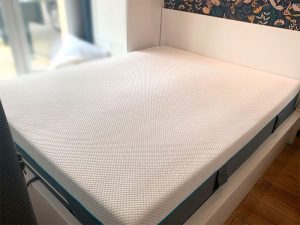
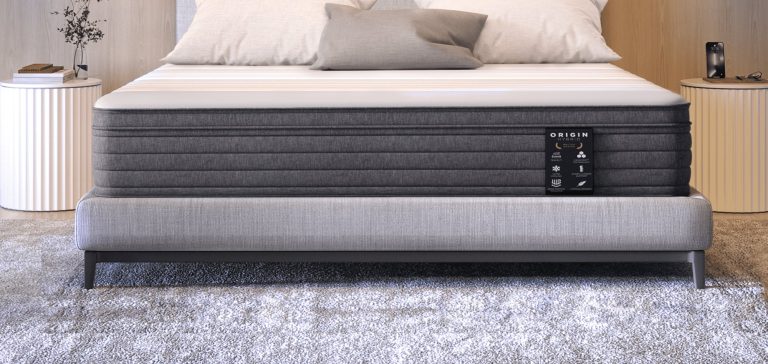
“Choose your comfort and firmness by your build, your sleeping position and your own preferences, and allow two to four weeks to get used to your new mattress. A home trial will tell you more about a mattress than 10 minutes in a showroom.”
Start with firmness, matched to how you sleep
Medium-firm is the best-evidenced starting point for most adults. In a randomised trial of 313 adults with chronic low back pain, published in The Lancet by Kovacs and colleagues in 2003, people given a medium-firm mattress had better outcomes after 90 days than those on a firm one, for pain in bed (odds ratio 2.36) and for disability (odds ratio 2.10). Two systematic reviews point the same way, Radwan and colleagues in Sleep Health (2015) across 24 trial reports and Caggiari and colleagues in the Journal of Orthopaedics and Traumatology (2021) across 39 articles, both concluding that medium-firm best supports comfort, sleep quality and spinal alignment. If that is where you want to start, our ranking of medium-firm mattresses compares ten of them side by side.
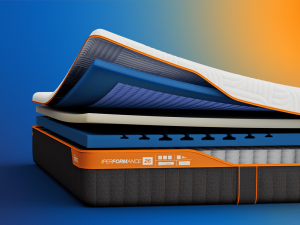
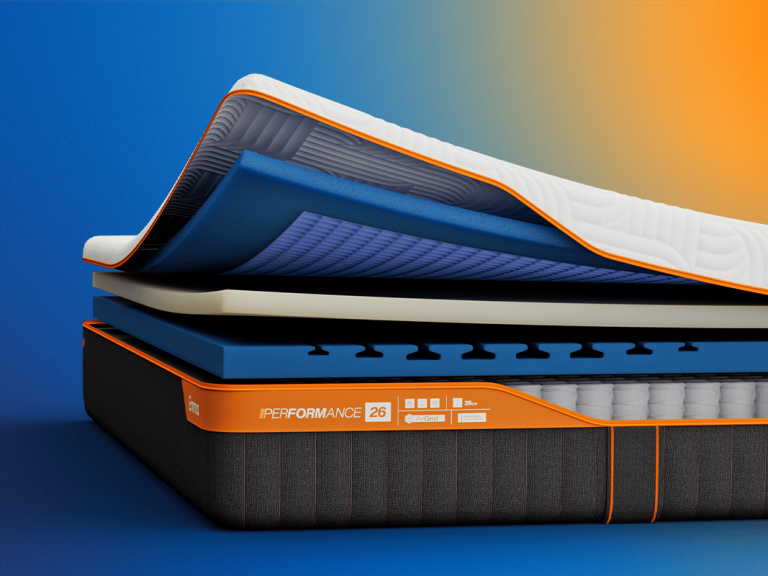
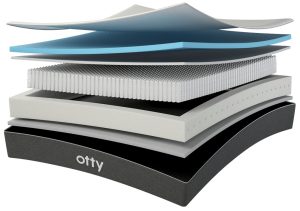
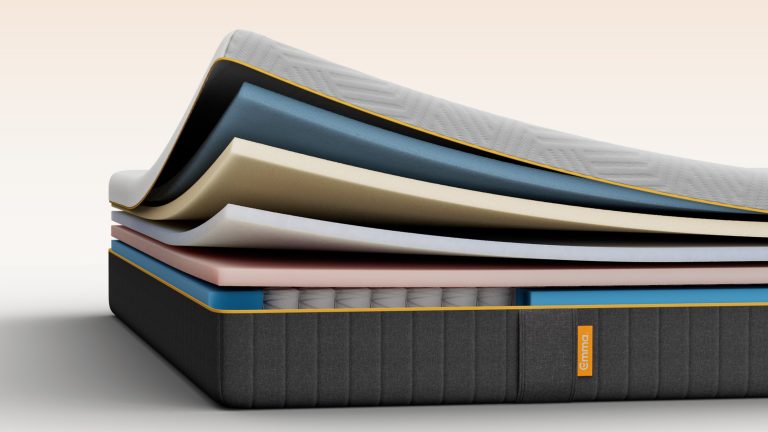
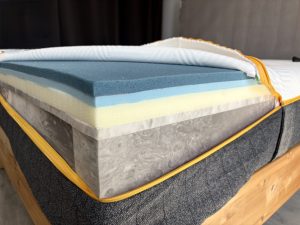
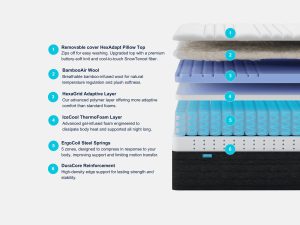
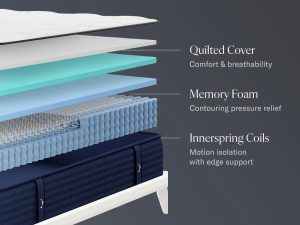
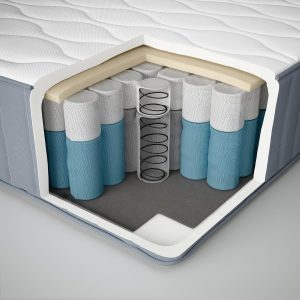
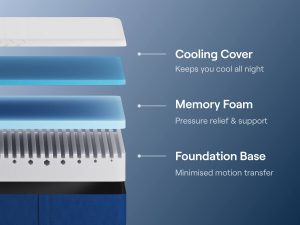
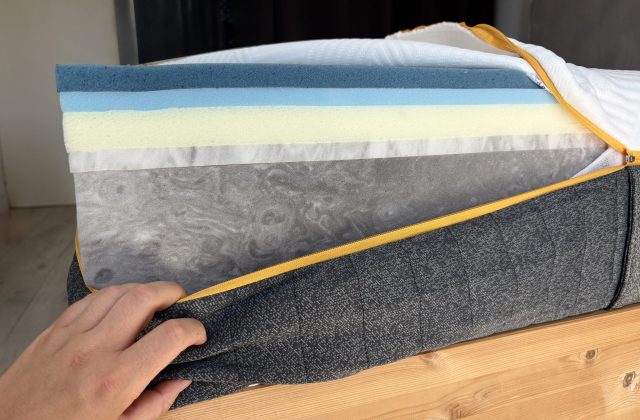
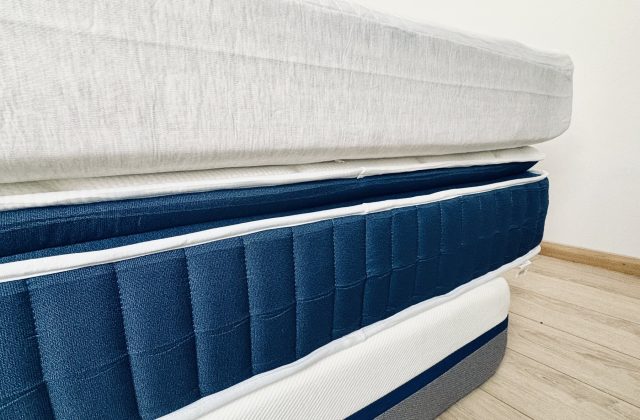
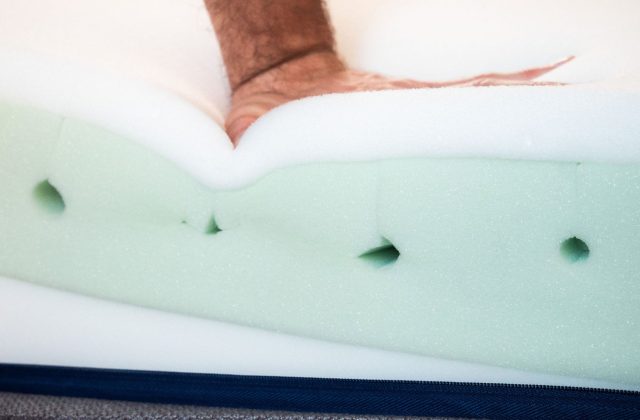
Medium-firm suits most people because it pairs support deep down with a comfortable surface. Nearly every quality mattress has a softer layer on top, either as a hybrid, with springs under memory foam or breathable foams, or as an all-foam build, with a high-density base under softer foams. To judge a top-end mattress, look at its structure, its depth and the type and density of its foams. If you are petite or like a softer bed, a balanced or even medium-soft mattress can suit you very well, because a good mattress stays firm deep down even when the top is soft.
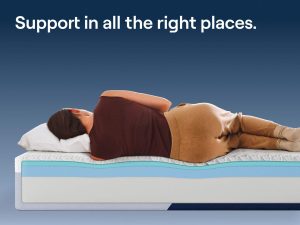
Then adjust for position and weight. Side sleepers need give at the shoulder and hip, back and front sleepers a flatter surface, and heavier sleepers a denser or firmer mattress so they do not sink through the comfort layers; our firm and soft mattress rankings cover both ends of the scale. Firmness labels are not standardised between brands, so treat any label as a starting point and let the home trial settle it.
Above about 100kg, our mattresses for heavy people ranking compares weight ratings and guarantee limits model by model.
Choose a construction, then compare like with like
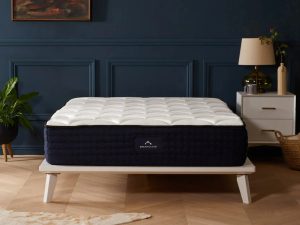
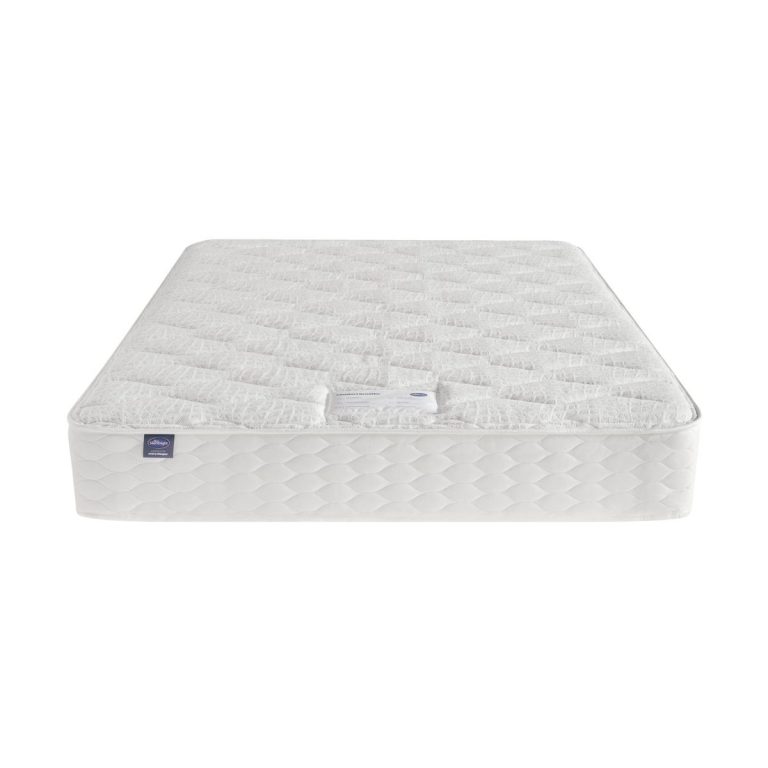
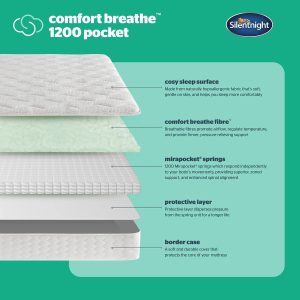
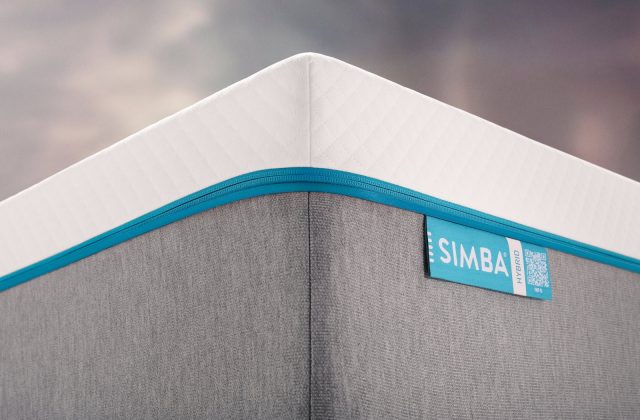
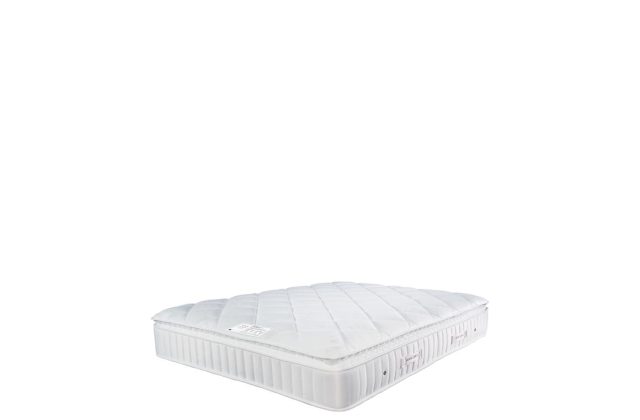
Most of the mattresses we rank here are hybrids, pocket springs under foam, which make it easier to change position, give firmer edges and let more air through than an all-foam build. Memory foam, as in the TEMPUR and the Nectar, contours more closely and isolates a partner’s movement; our memory foam mattress comparison goes deeper. Traditional pocket-sprung mattresses such as the Silentnight use fibre fillings instead of thick foam. If yours will sit on a motorised base, check that its maker approves it for one, as every pick in our mattresses for adjustable beds ranking does.
The Emma Performance price is for the 26cm model, and the Emma Original Pro is shown at its current sale price.
Which size to buy
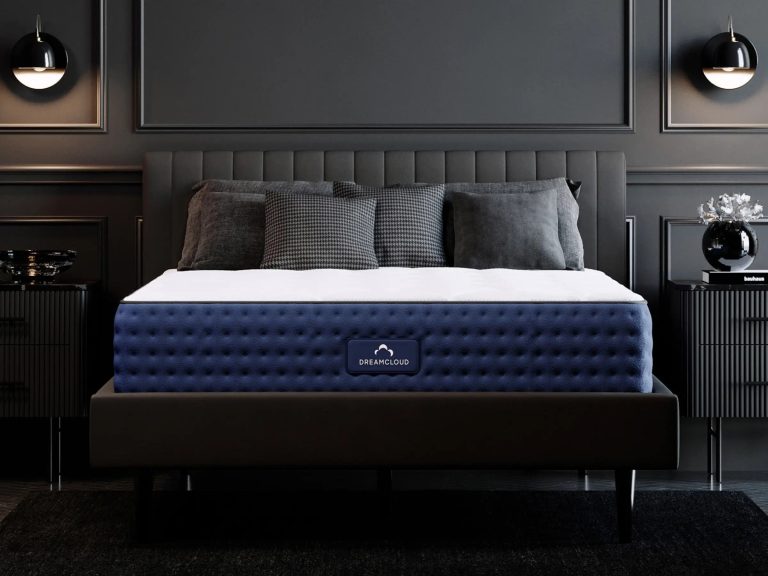
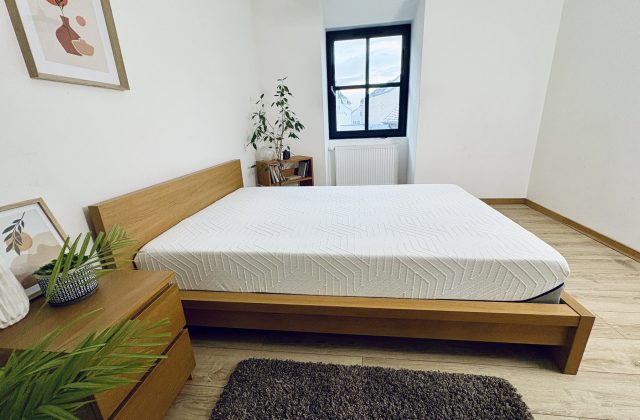
Measure the bed frame before you order, because British sizes are shorter than continental ones. A UK double is 135x190cm, so the 140x200cm mattress many European brands sell will overhang a British frame, and two people sharing a double get 67.5cm each, less than a single bed’s 90cm. If you share with a restless partner, a king or super king means you feel fewer of their turns. Most of our ten picks come in all five UK sizes, but the IKEA and the DreamCloud have no small double.
Price the size you need
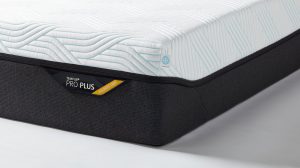
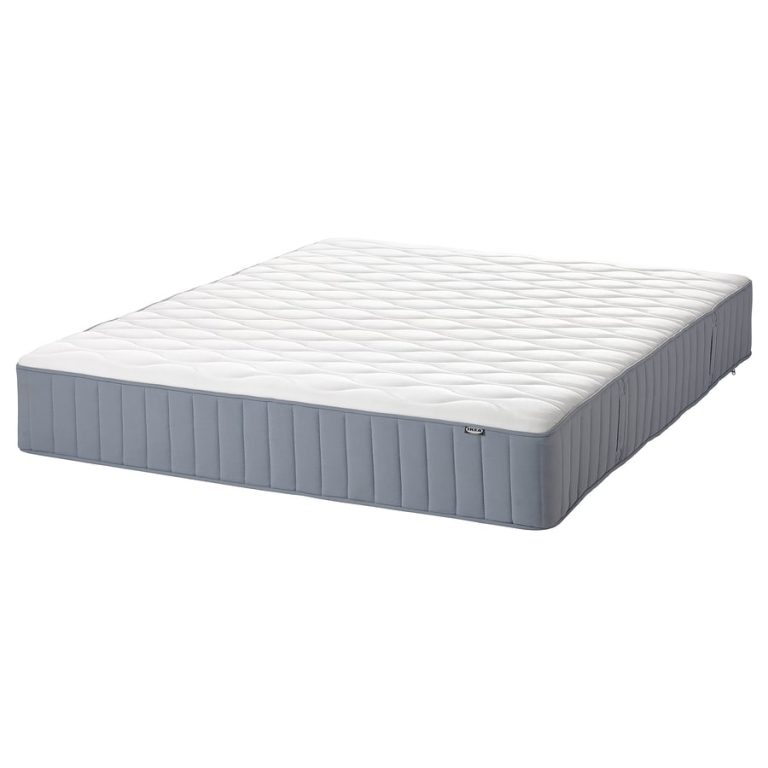
A double runs from £349 for the IKEA Vågstranda to £2,599 for the TEMPUR PRO Plus SmartCool at its regular price.
Use the trial, and know when to replace
Buying a mattress online means you cannot lie on it first, so the home trial does the job of a showroom. Give it time, because the settling-in period usually runs from a couple of weeks to a month. Trials on this page range from 60 nights on the Silentnight to 365 nights on the Nectar, DreamCloud and IKEA. Read the terms too. Under IKEA’s “Sleep on it” scheme (checked on 16 October 2026) you can exchange a slept-on mattress once within 365 days but not get your money back, and IKEA charges £25 if it collects the old one. TEMPUR asks you to keep its mattress for at least 60 nights before a return. Several UK retailers also sell ranges you will not find elsewhere, and we rank those separately in our Argos mattresses, Dreams mattresses, M&S mattresses and IKEA mattresses comparisons.
The National Bed Federation’s guideline, as reported in 2019, is to replace a mattress every seven to eight years, by which point it has seen around 20,000 hours of use. In the NBF’s 2019 research the average replacement cycle had fallen to 6.9 years (Furniture News). If your mattress is still sound but too firm, a mattress topper costs far less than replacing it.