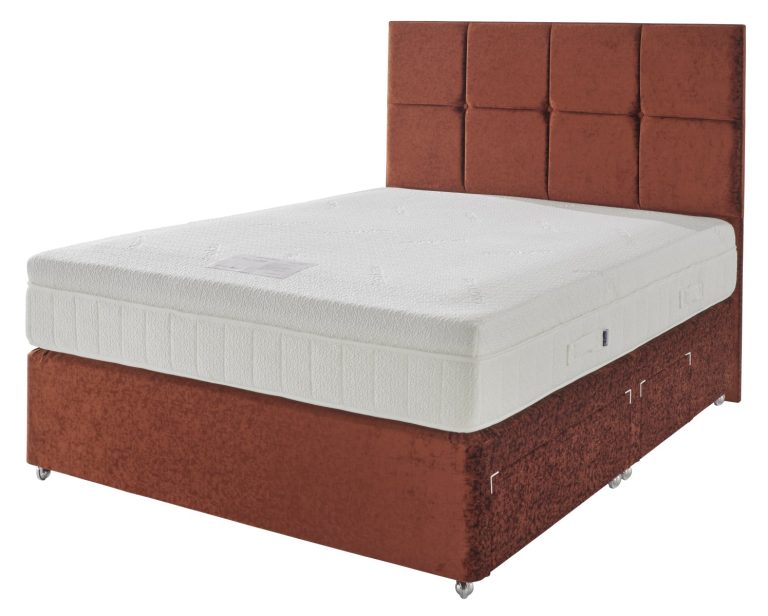
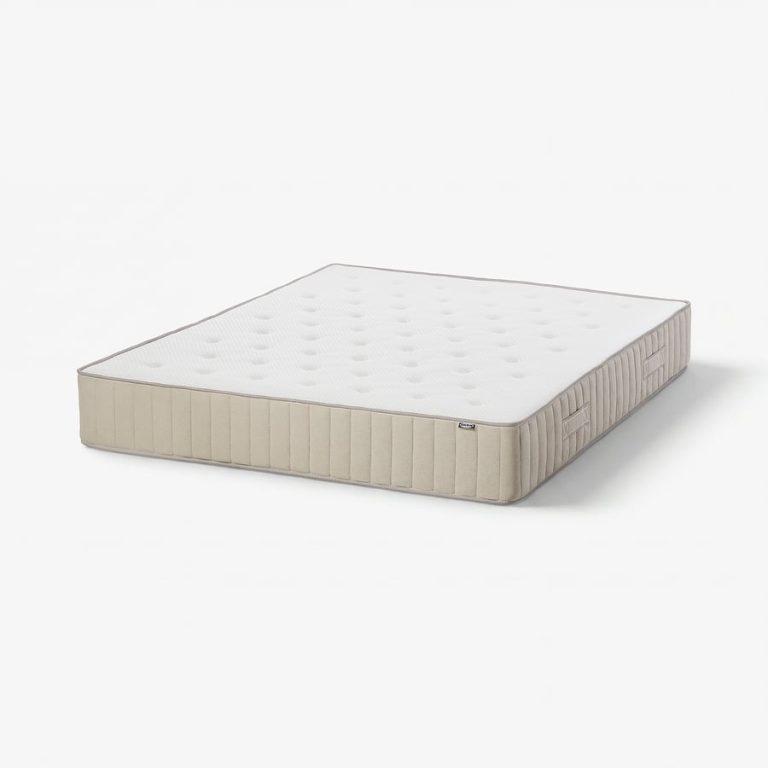
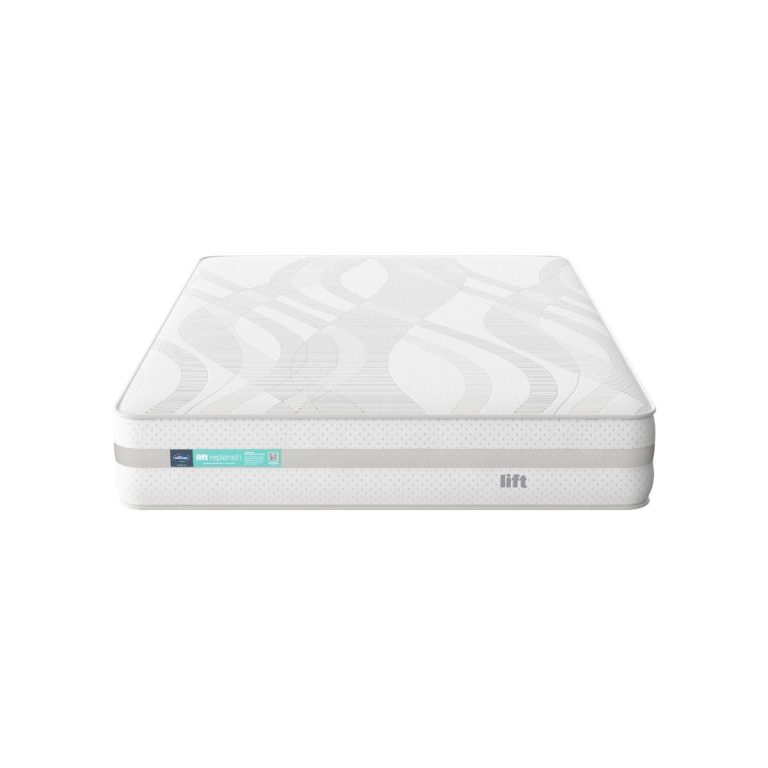
“Check how much latex a mattress actually contains before you compare prices, because a model sold as latex can hold anything from a full natural core to a thin sheet over pocket springs.”
Natural, blended or synthetic latex
Latex is a niche choice in the UK. Natural latex is the sap of the Hevea brasiliensis rubber tree, and Dunlopillo says on its latex page that one tree yields about 27ml a day, so a single mattress takes more than 500 days of one tree’s output. That is why natural latex costs more than foam, and why cheaper mattresses blend it with synthetic rubber or other fillings.
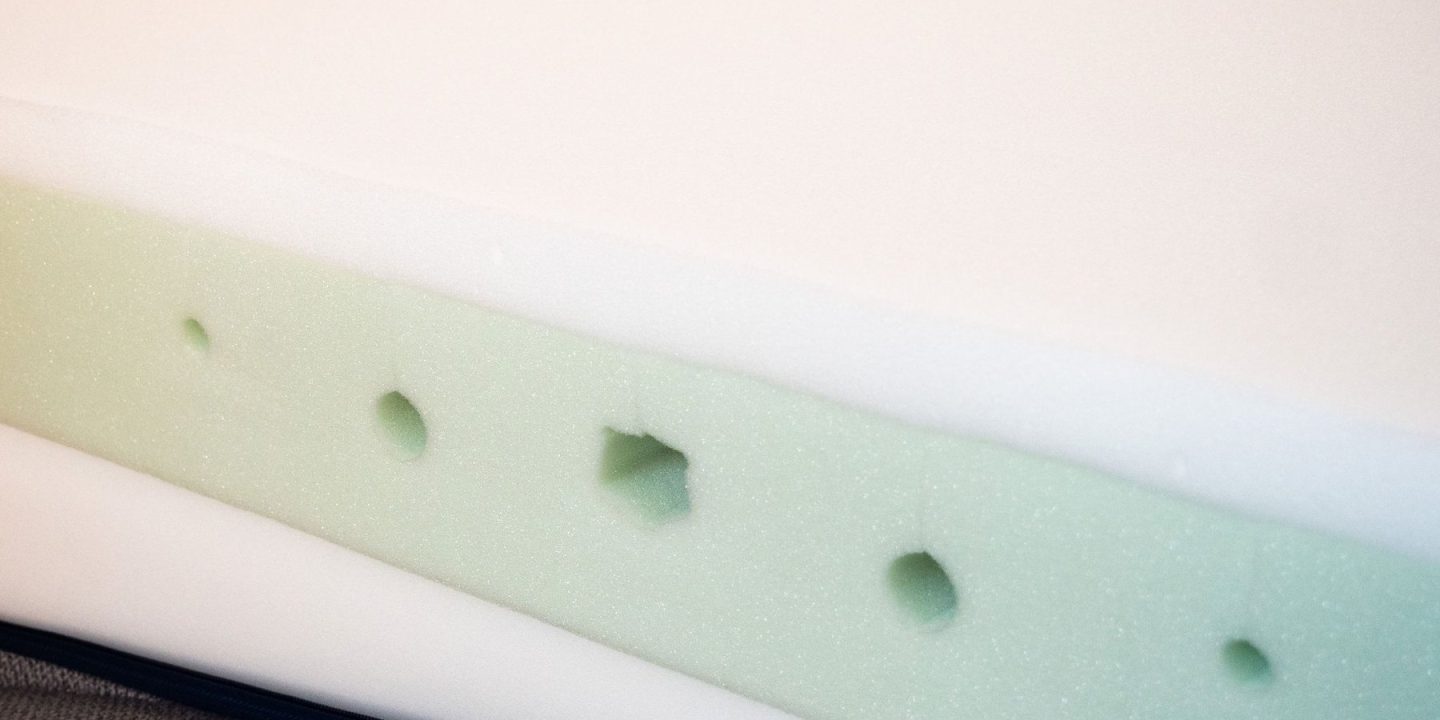
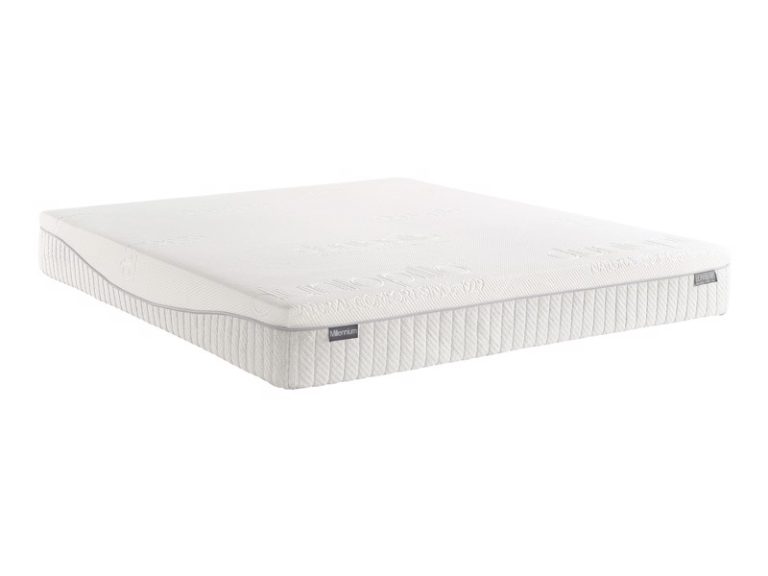
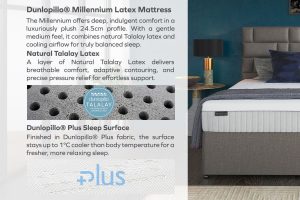
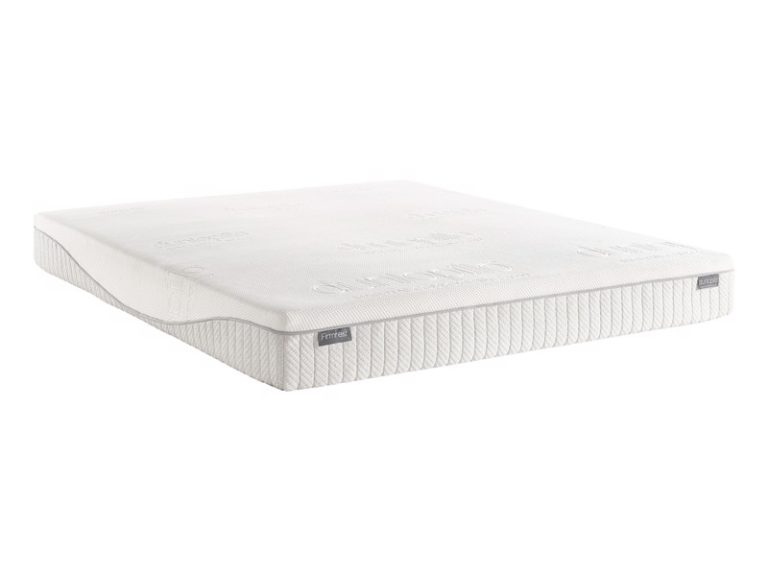
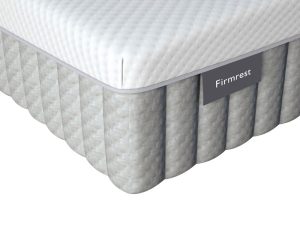
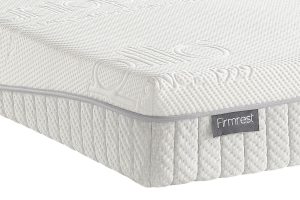
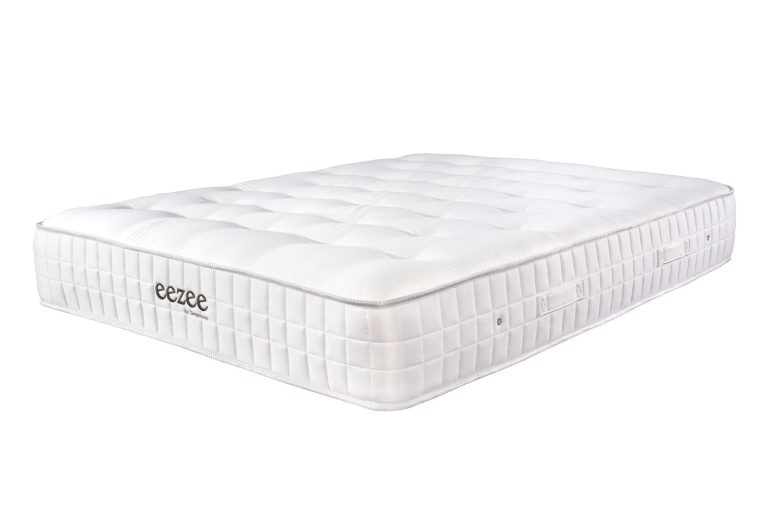
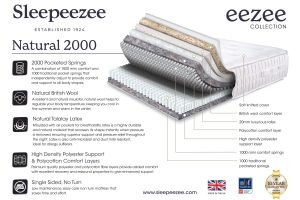
The process matters as much as the source. The Dunlop method sets the foamed latex with a gelling agent, while the Talalay process vacuum-fills a closed mould, freezes it at -28°C and gels it with carbon dioxide, which gives highly consistent densities; Dunlopillo’s works at Pannal, near Harrogate, helped make the method commercially practical in the late 1940s. Despite the brand name, the Dunlopillo Millennium and Firmrest use Talalay latex, as do the Hypnos Wool Origins 10 and the Sleepeezee Natural 2000. Naturalmat is the one maker here that names the Dunlop process. Its latex FAQ says it uses blended natural latex made by the Dunlop method, with a touch of graphite mixed in to make it naturally fire-retardant. Abaca, Kaymed and IKEA say natural latex without naming the process.
All latex, latex on foam or latex on springs
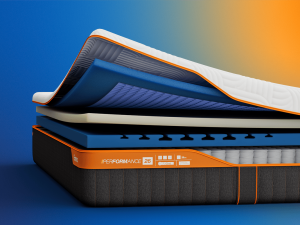
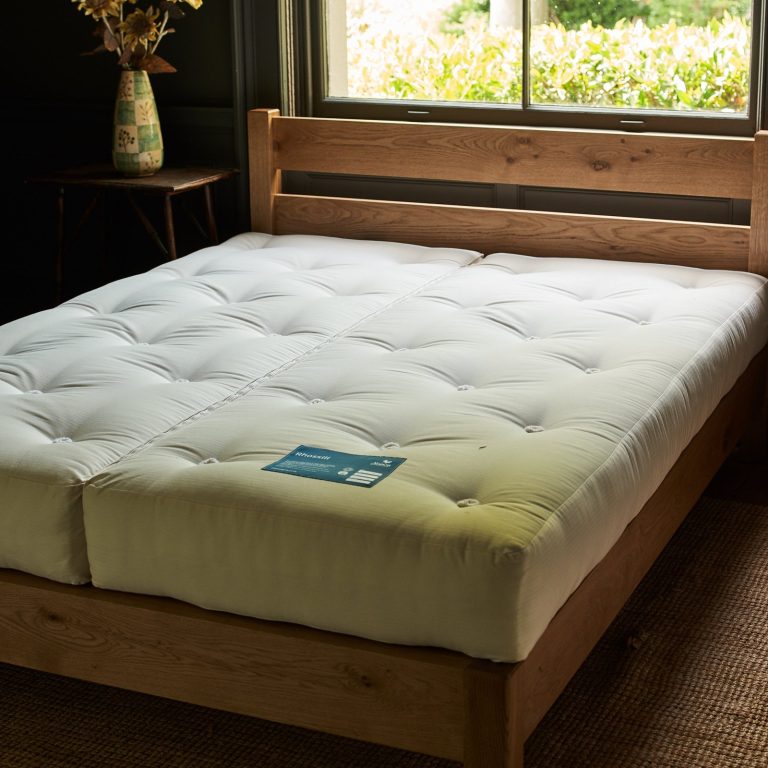
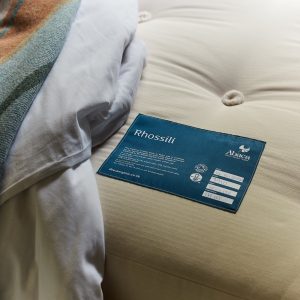
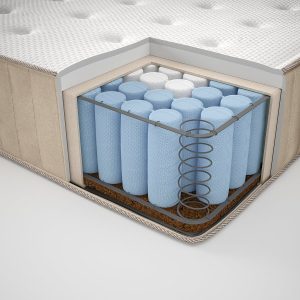
Most latex mattresses sold in the UK are hybrids. Of the ten ranked here, only the Abaca Rhossili has no springs and no foam; the two Dunlopillo models put Talalay latex on an aerated foam base, and the other seven lay latex over pocket springs. The more latex, the more of the buoyant, quick-return feel you get. With a 20mm to 40mm layer, as on the Sleepeezee and Healthbeds models, the springs do most of the work.
Depths are the maker’s figures; retailers list the Millennium at 24.5cm and the Firmrest at 19.5cm. Prices are for a UK double (135x190) unless noted, at the time of writing (September 2026). No model here comes with a money-back trial, and every exchange in the table swaps the mattress for another product rather than refunding it.
Firmness and your weight
The best evidence on firmness is not specific to latex, but it applies. In a Lancet trial of 313 adults with chronic low-back pain (Kovacs et al., 2003), people given medium-firm mattresses (5.6 on the European H(s) scale, where 1 is firmest) had better outcomes after 90 days than those on firm ones (2.3), with an odds ratio of 2.36 for pain in bed and 2.10 for disability. A 2021 review of 39 studies reached the same medium-firm conclusion. That makes the medium Millennium and the medium-firm Sleepeezee the safer defaults, with the Firmrest and the firm IKEA Vatneström for back and front sleepers who already know they want a firm surface. Weight shifts the choice too. Abaca rates its medium Rhossili for sleepers up to 16 stone, and Healthbeds caps its warranty at 18 stone per side. If you sleep on your side, compare our mattresses for side sleepers.
Latex allergy
A natural latex mattress can carry the proteins behind rubber allergy. An Institut Pasteur analysis of five latex foam mattresses (Chardin et al., 1999) extracted allergens, including Hev b 1, from mattresses containing natural latex and none from synthetic foam, and concluded they could be a risk to allergic people. Allergy UK, in its rubber latex allergy factsheet, puts the practical rule plainly.
“Check before buying any article which could be rubber and whether it contains natural rubber latex. This is particularly important for articles which will be in contact with your body.”
Allergy UK, Rubber Latex Allergy factsheet
With a diagnosed allergy, ask the seller before ordering, or look at our memory foam and foam mattresses instead.
Guarantee, lifespan and price
The National Bed Federation and its Sleep Council advise replacing a mattress every seven to eight years, about 20,000 hours of use, and the NBF’s consumer research put the average replacement cycle at 6.9 years, against 17 years in 1995 (Furniture News, 2019). Longer shape retention is a claim you cannot check in a showroom, so the guarantee is the fairest check you have, with 15 years on both Dunlopillo models, 10 on most of the others, and 5 on the Silentnight and Healthbeds. Only IKEA’s 365-night exchange gives you long enough to judge the feel at home, so where you can, lie on the others in a showroom first. Our mattress in a box ranking lists refundable trials, and best mattresses covers every type.