
„Judge a hybrid by its spring unit first and its foam second, then use the trial nights to settle firmness, because no two UK brands grade it on the same scale.“
What counts as a hybrid mattress
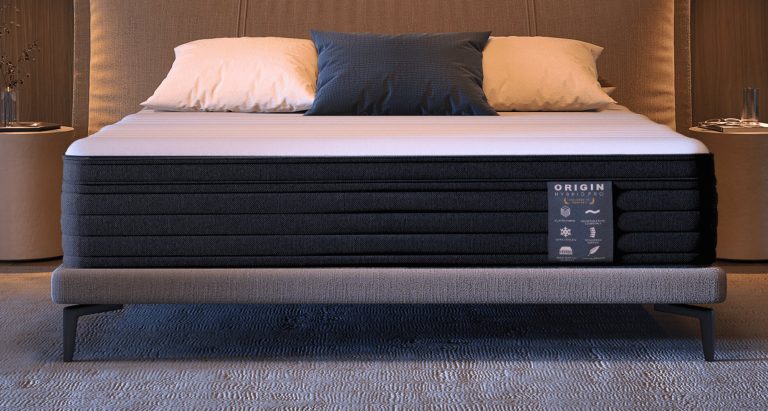
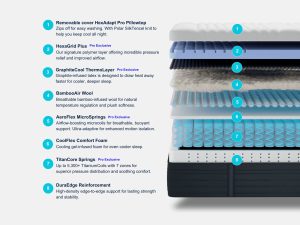
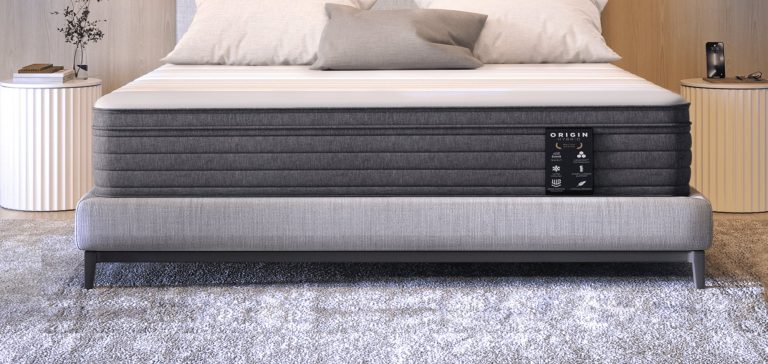
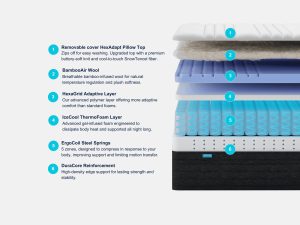
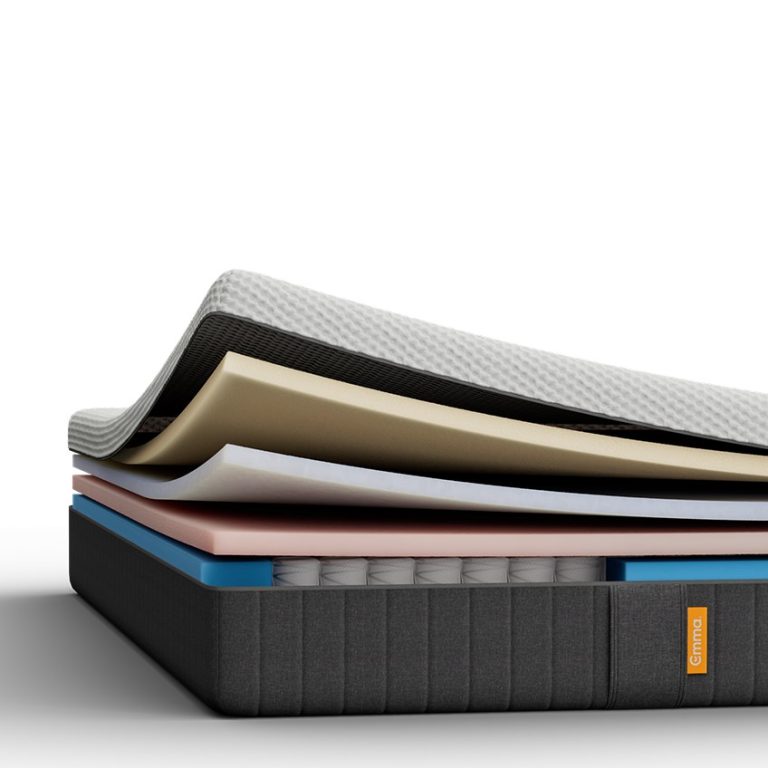
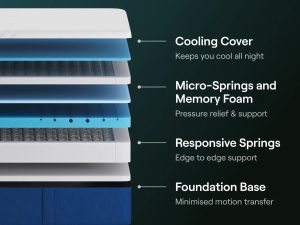
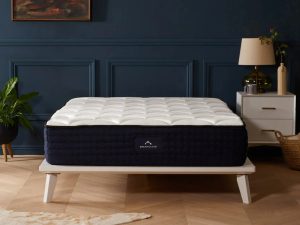
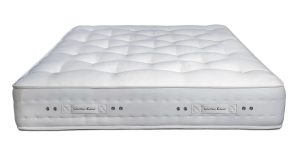
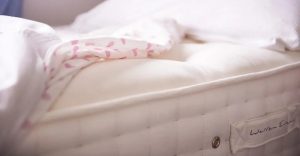
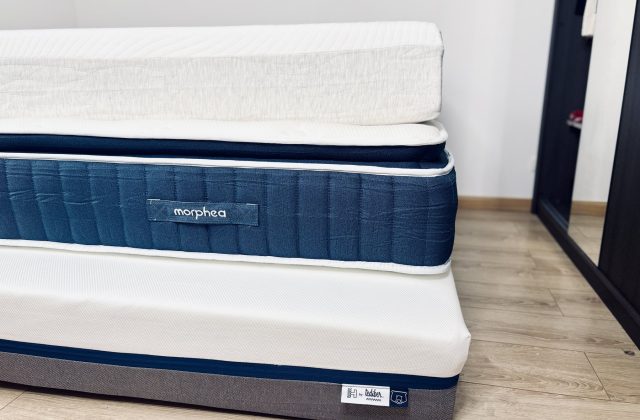
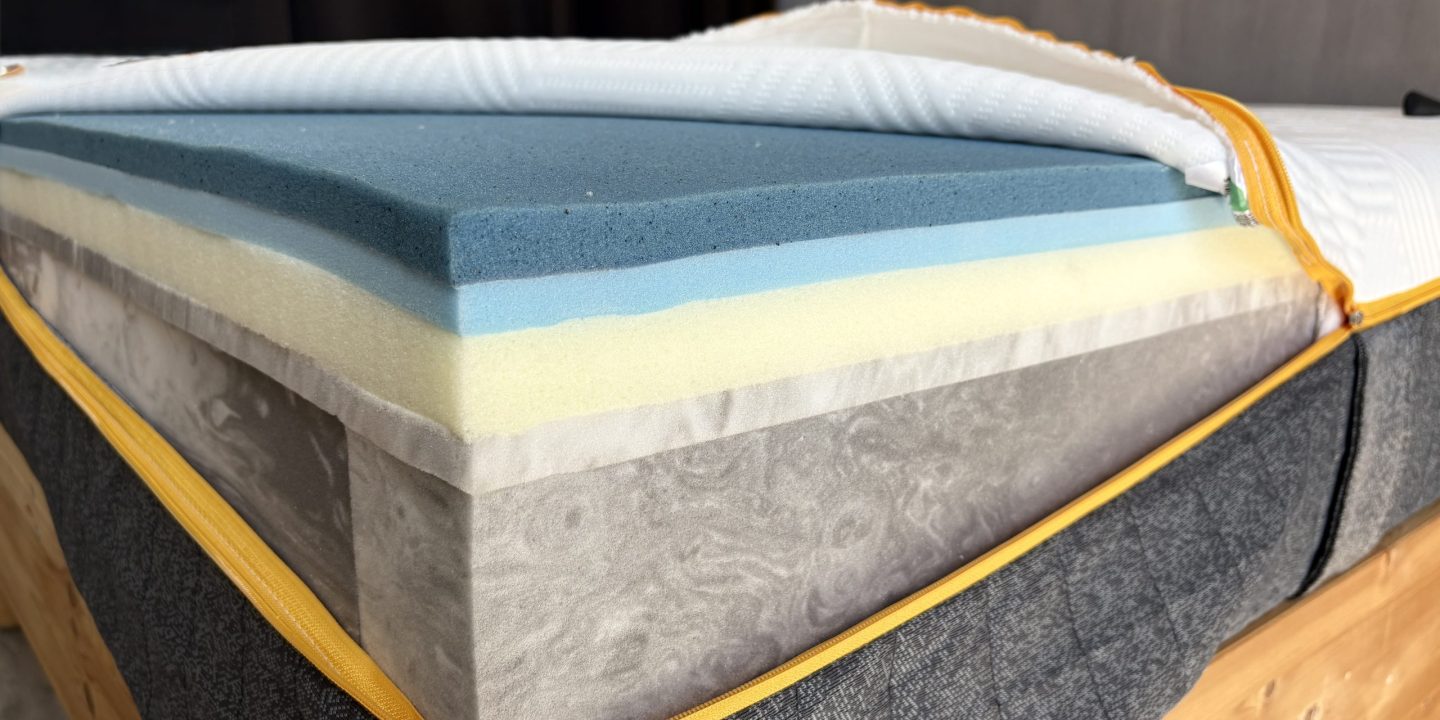
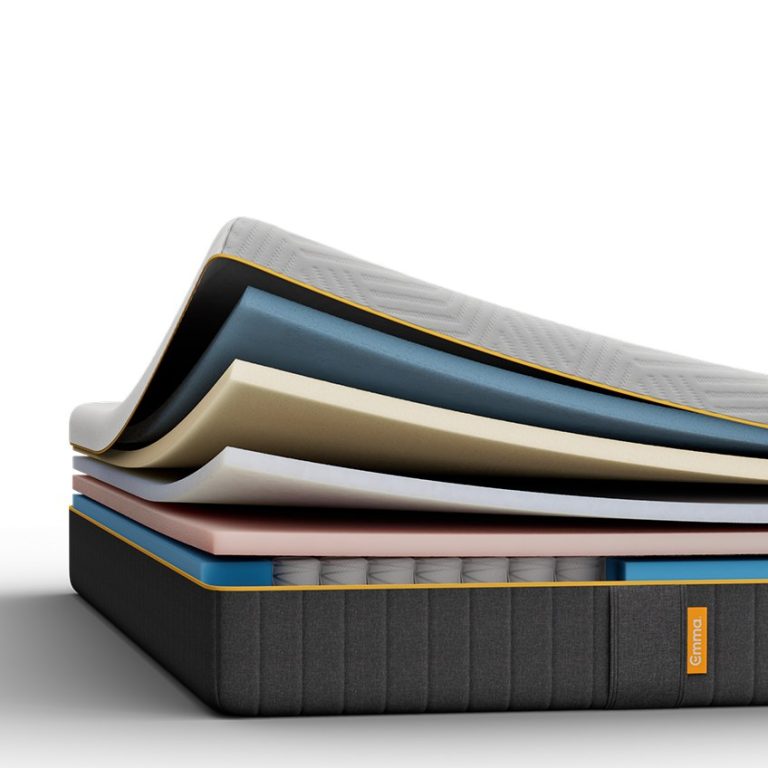
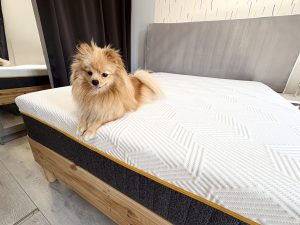
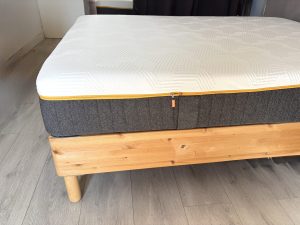
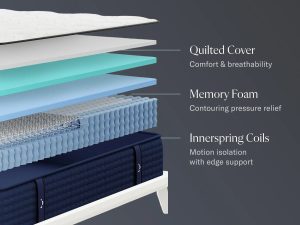
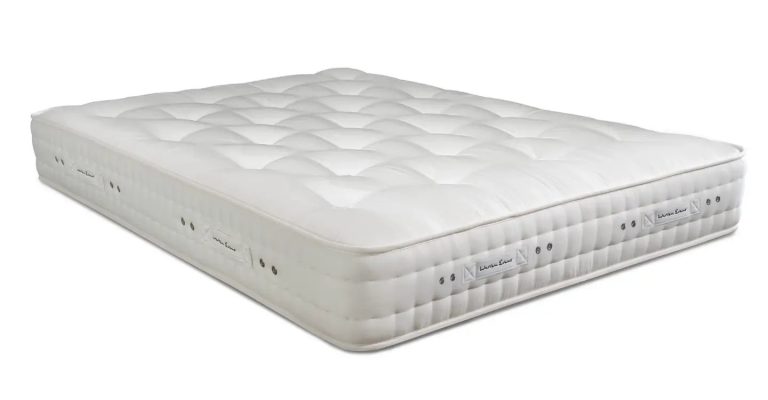
A hybrid is a mattress with a sprung core and a real comfort layer on top, usually foam or memory foam, sometimes latex or wool. The spring unit varies more than the name suggests. The National Bed Federation’s buying guide says pocket spring counts typically run from 600-800 up to 2,500 and can reach 3,000 or even 4,000, and that mini springs under 3cm tall are used as a resilient comfort layer. Among the counts published for this page, the Origin Hybrid has more than 2,040 pocket springs, the Origin Hybrid Pro more than 5,300 in seven zones under a micro-spring layer, and the Warren Evans Organic 6000 has 6,000 counting its mini springs, with British wool where the others use foam.
Firmness and support
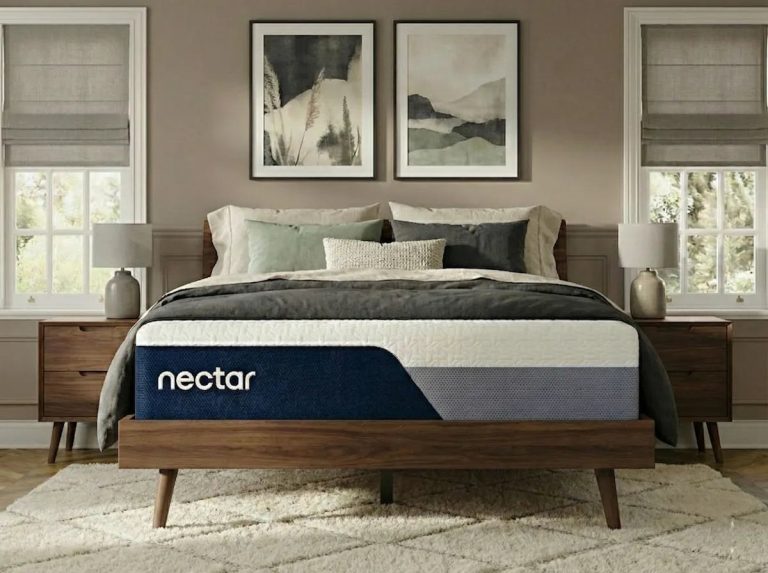
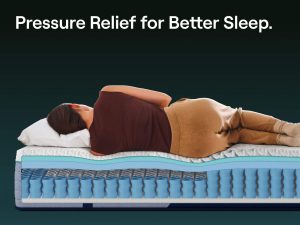
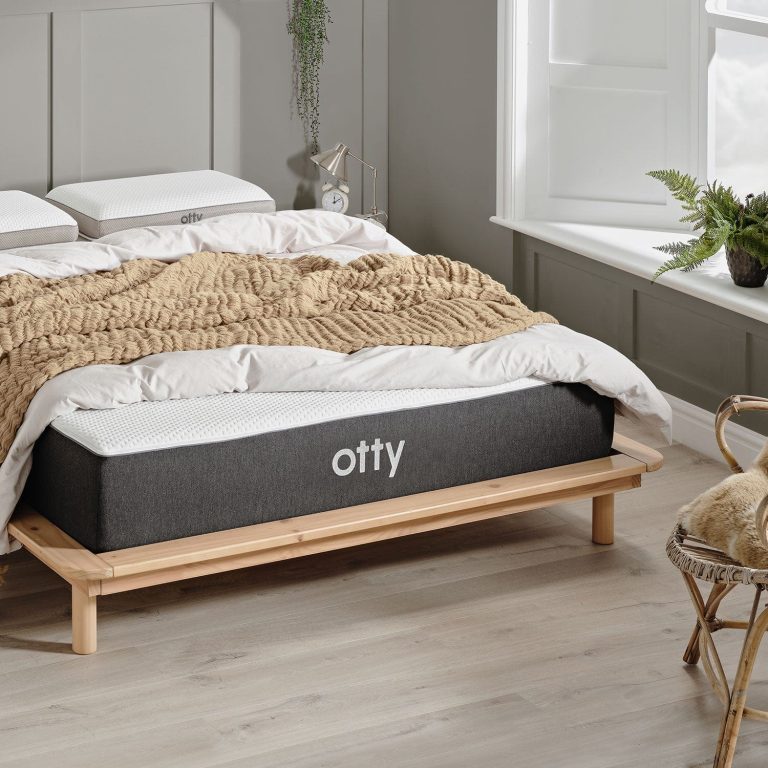
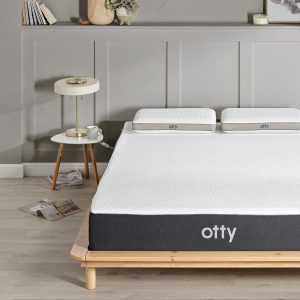
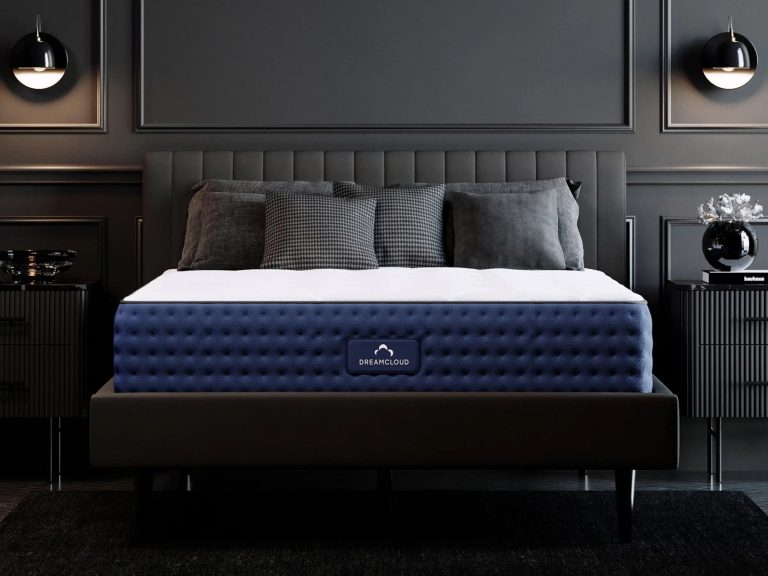
Most mattresses in this ranking are sold as medium or medium-firm, and the research supports that middle ground for most adults. In a randomised, double-blind trial of 313 adults with chronic low-back pain, Kovacs and colleagues reported in The Lancet in 2003 that people on medium-firm mattresses had better results after 90 days than those on firm ones, with odds ratios of 2.36 for pain in bed and 2.10 for disability. A 2021 review of 39 studies in the Journal of Orthopaedics and Traumatology concluded that a medium-firm mattress promotes comfort, sleep quality and spinal alignment. Within that band the brands still differ. Nectar and OTTY both rate their hybrids 7 of 10, the firmest ratings here, DreamCloud rates its Luxury Hybrid 6 of 10, and Emma uses a 1 to 5 scale, so compare each maker’s own description rather than the numbers across brands. Zoning matters as much as the grade, because it decides how far the shoulder and hip sink in while the lower back stays level.
Sleeping cool on a hybrid
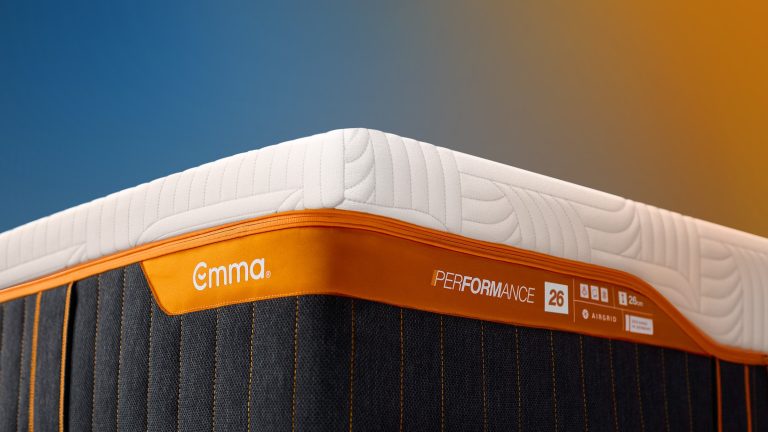
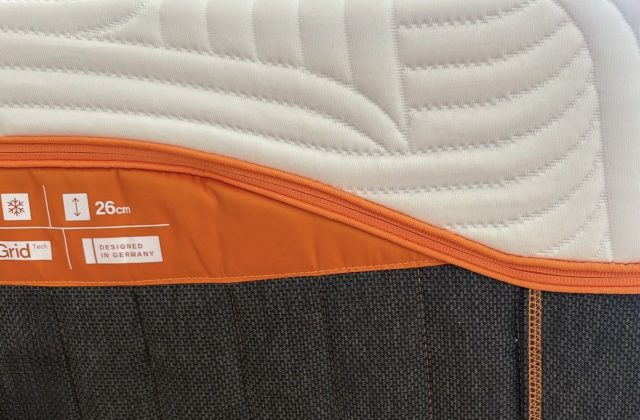
Springs let air move through the core, and the foam on top decides how much heat stays at the surface, so if you run hot, look at what the top layer is made of. The Emma Performance 26 puts an open AirGrid lattice at the surface and was one of the coolest Emma mattresses in our test, the Emma Original Pro uses graphite-infused foam, the Origin Hybrid Pro puts graphite-infused latex under its pillow top, and the Warren Evans uses wool instead of foam. The DreamCloud, Nectar and OTTY put memory foam near the surface and score lowest on temperature in our ratings.

Price, trial and how long it should last
A high price is no guarantee of a better mattress. The Origin Hybrid, the cheapest double here, scores level with the Simba Hybrid Pro for well under half the price. The National Bed Federation advises replacing a mattress every seven to eight years, after roughly 20,000 hours of use, and its own survey found people actually replace theirs every 6.9 years on average, according to Furniture News in 2019. Trials on this page run from 100 nights (OTTY, Warren Evans) to 365 nights (Nectar, DreamCloud), which is the cheapest insurance against choosing the wrong firmness. Hybrids are also heavy, so check whether delivery includes carrying the mattress to your room, or pick a rolled hybrid from our mattress in a box ranking.
If a hybrid is not the right type for you, our memory foam mattress comparison and foam mattress ranking cover all-foam alternatives, pocket sprung mattresses keep the springs under fibre or wool instead of foam, and the best mattresses overall ranks every type together. Latex fans have a separate latex mattress ranking, and side sleepers a dedicated ranking of mattresses for side sleepers.