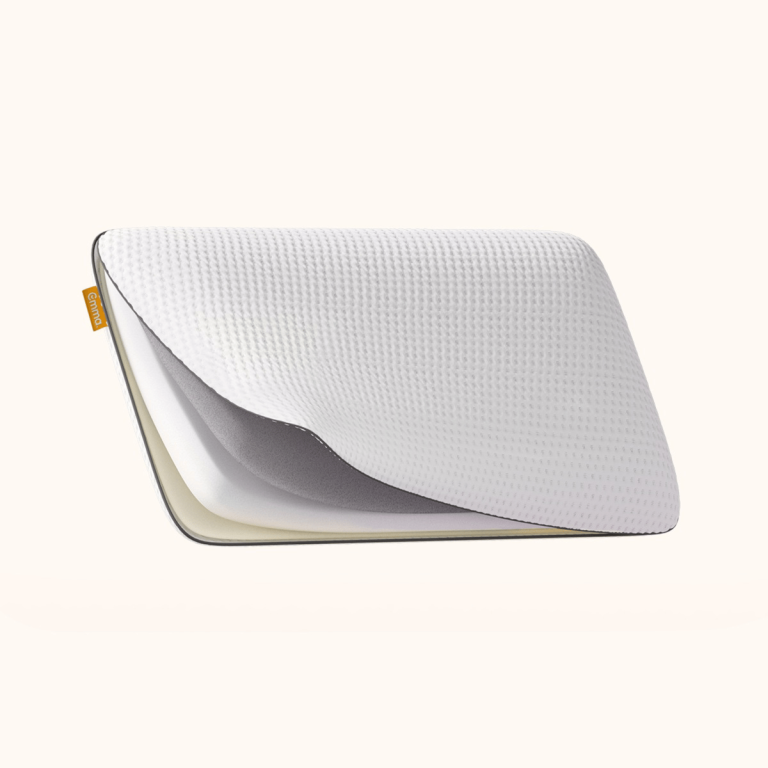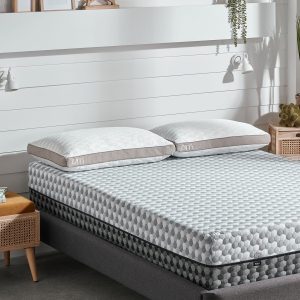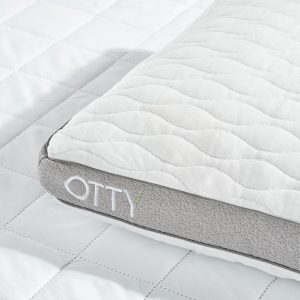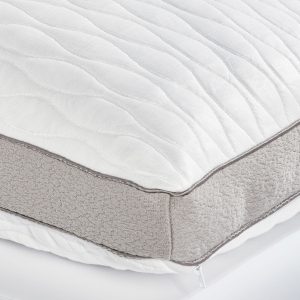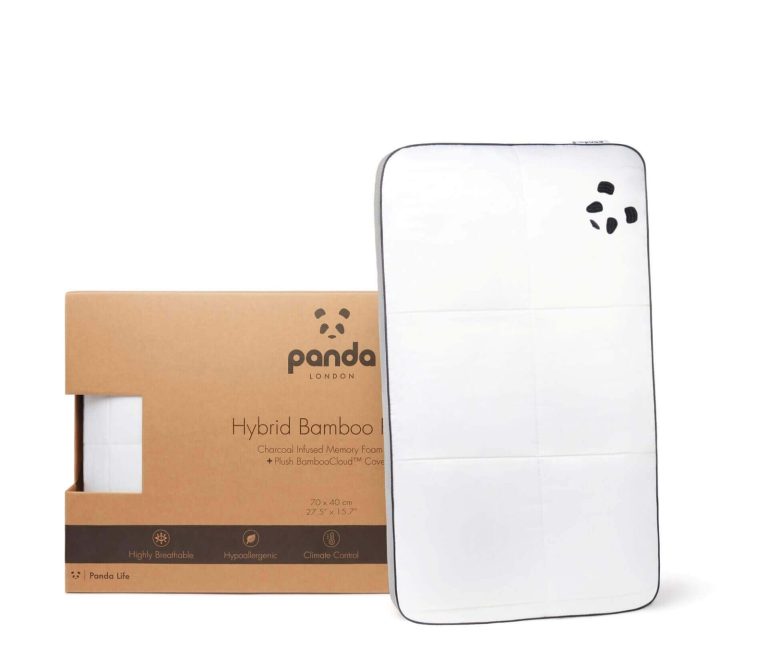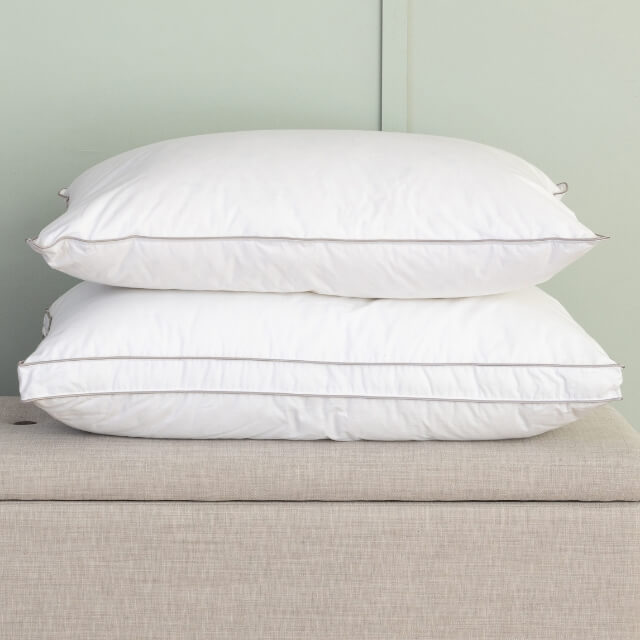





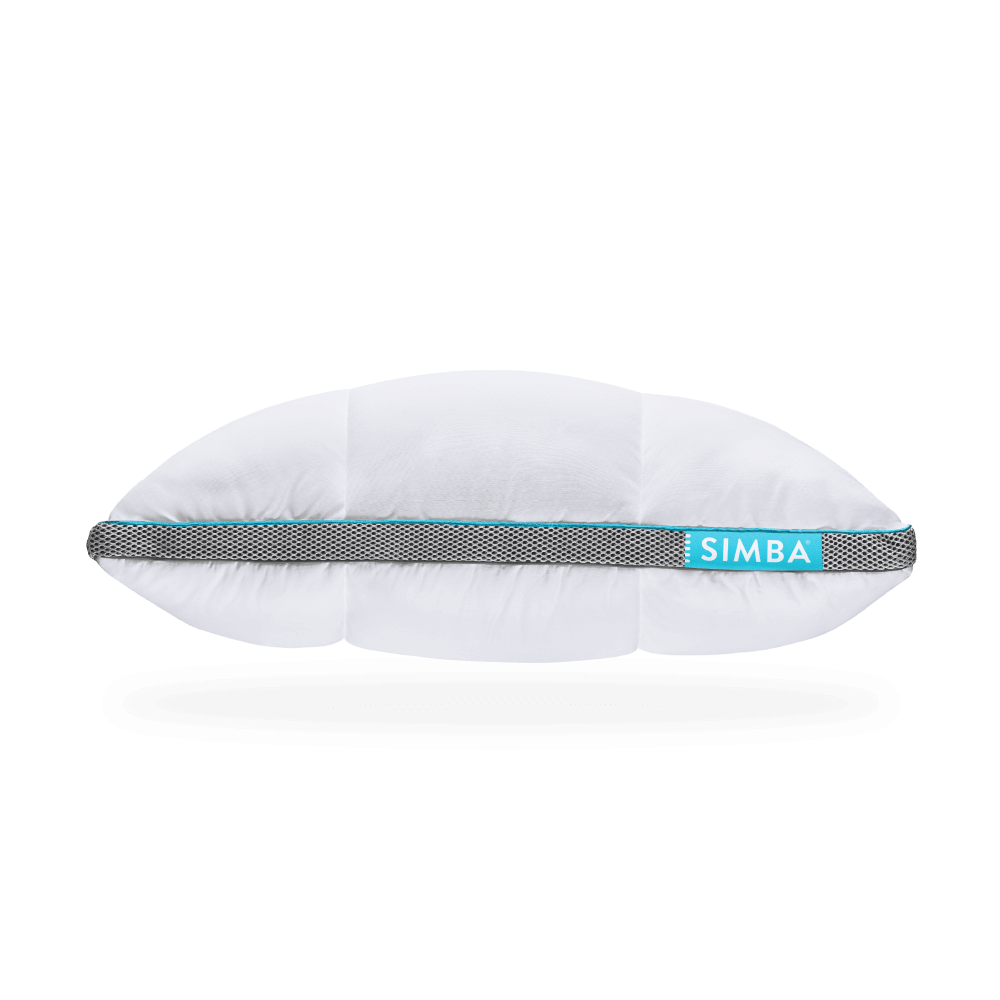

“Before you buy, look at how wide your shoulders are and how soft your mattress is. Broad shoulders on a firm mattress need a tall pillow, a slim frame on a soft mattress much less, and only an adjustable pillow covers both.”
Why side sleepers need a different pillow
Side sleeping is the most common position. In a 2017 study in Nature and Science of Sleep that tracked 664 working adults, participants spent 54.1% of their time in bed on their side. The NHS advice on neck pain is to use a low, firm pillow and keep your head at the same height as the rest of your body. On your back, that means a low pillow. On your side, the same height means a pillow tall enough to fill the space your shoulder creates, and firm enough not to collapse into it by the early hours.
Height: the decision that matters most
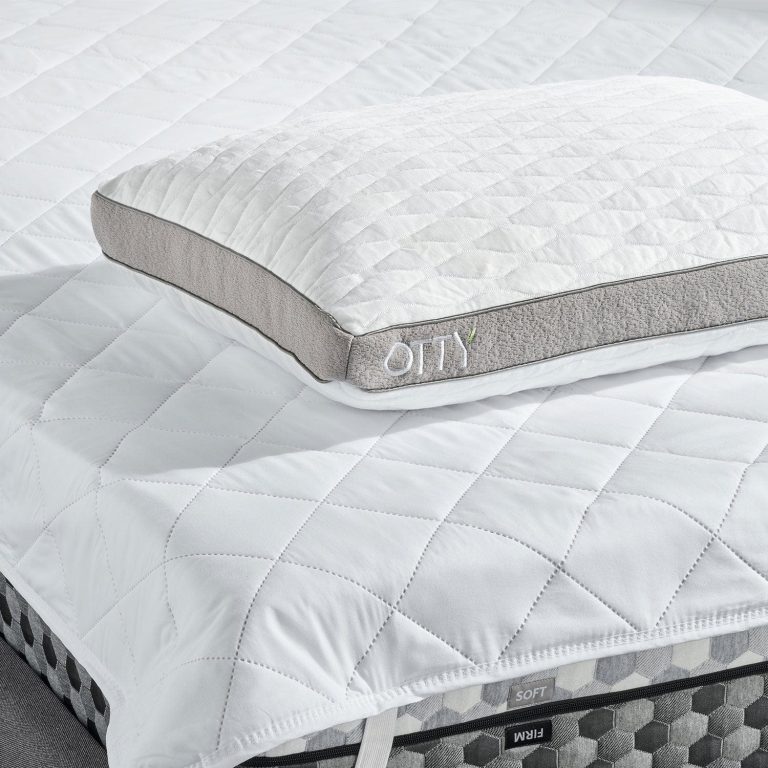
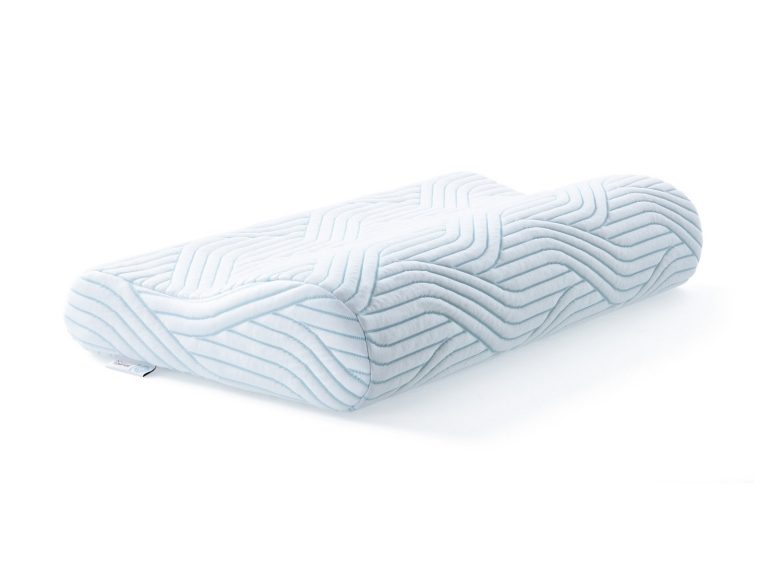
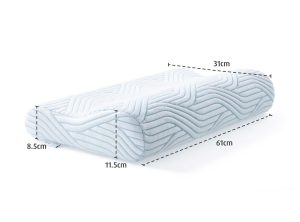
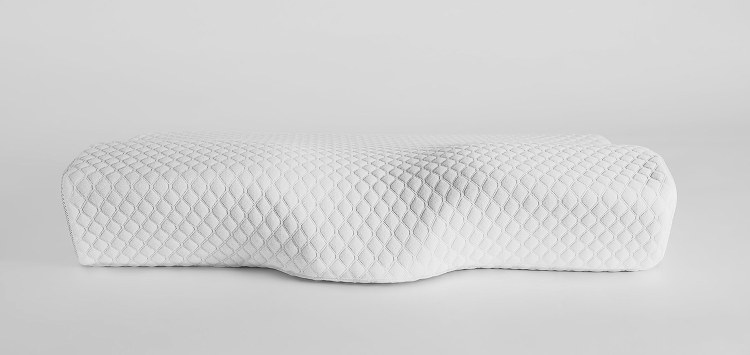
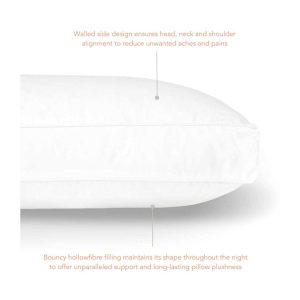
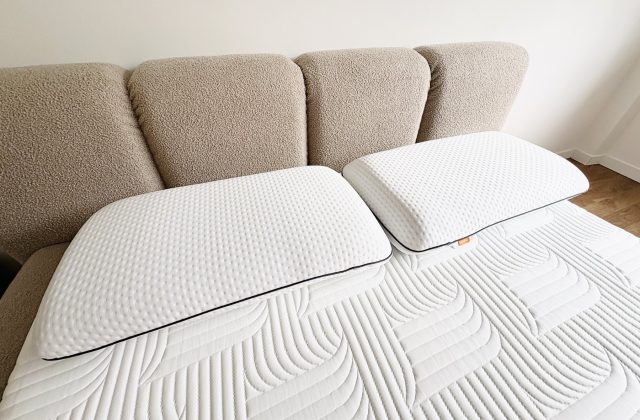
The right height depends on the width of your shoulders and how far they sink into your mattress. A soft mattress lets the shoulder sink, so you need less pillow; a firm one keeps it high, so you need more. The fixed-height pillows on this page range from a contour with 11cm raised sides to a fibre pillow quoted at 15cm or more, and the OTTY Adjustable starts at 25cm before you take filling out. To check, lie on your side and ask someone to look at you from the front. Your nose should line up with the middle of your chest and your neck should look straight. If your head tips up, the pillow is too high; if it drops, too low.
Which fill suits a side sleeper?
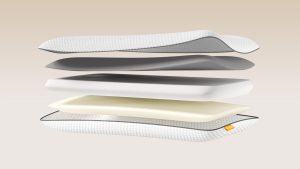
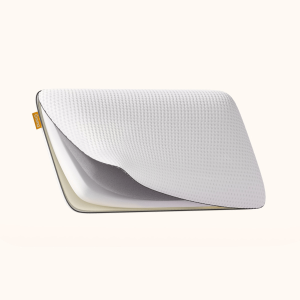
For most side sleepers an adjustable foam fill is the most forgiving choice, because you can set the height for your frame and change it if you change mattress. Solid foam holds a height best but cannot be changed. Fibre is cheap, cool and fully washable, but only the firmer, taller versions keep enough height for side sleeping.
Heat
Foam holds warmth and fibre does not. The Sleep Charity puts the ideal bedroom temperature at around 16 to 18°C. If you sleep warm in a room near that, a foam pillow with a cooling face or vented foam is usually enough; if your bedroom runs much warmer, a fibre pillow is the cooler choice.
Size, washing and allergies
A standard UK pillowcase is 50x75, and several foam pillows here are smaller, so a standard case sits loose on them. That affects looks rather than comfort. If you have a house dust mite allergy, the NHS advice on allergic rhinitis is to use synthetic bedding and wash it at 60°C or above. Most foam cores cannot be washed at all, so use an allergy-proof cover under the pillowcase.
Which pillow should a side sleeper choose?
If you are unsure what height you need, start with an adjustable pillow. Choose a fixed foam, contour or fibre pillow only when you already know the height and feel that suit you, and use the trial to confirm it.