„Choose a cooling topper by how it moves heat away, whether that is open graphite foam, springs that pump air or wool that takes up sweat, and read the returns terms before the plastic comes off. A topper changes how a sound mattress feels, and no topper will rescue one that sags.“
Why heat costs you sleep
Heat has one of the best-measured effects on sleep of anything in the bedroom. A review by Okamoto-Mizuno and Mizuno in the Journal of Physiological Anthropology found that in real-life conditions, with bedding and nightwear, heat exposure increases wakefulness and reduces both slow-wave and REM sleep. In a French laboratory trial published online in the Journal of Sleep Research in 2025, a 32°C night cut total sleep by 24.8 minutes on average across 15 volunteers, and a high heat conductivity mattress topper won back 21.4 minutes. The Sleep Charity puts the ideal bedroom at around 16-18°C and says temperatures over 24°C are likely to cause restlessness.
Night sweats are the other common reason to buy. The NHS lists them among the symptoms of the menopause, and its menopause symptoms page says “Sleep problems may be worse if you also have night sweats.” If sweat is your problem, a topper that absorbs or wicks moisture matters as much as one that feels cool to the touch.
Four ways a topper keeps you cooler
Memory foam softens with body heat and moulds closely around you, which is why it can sleep warm, and every cooling foam topper is an attempt to fix that. Panda is candid about the limit on its own product page, saying that people who suffer from extreme night sweats may find its gel-infused HydroFoam warmer than sleeping on wool or cotton.
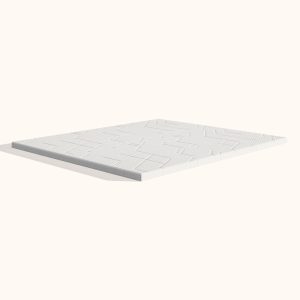
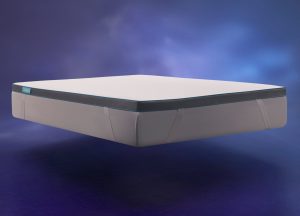
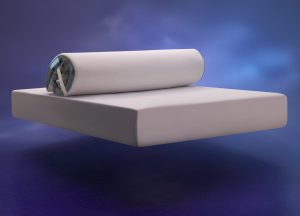
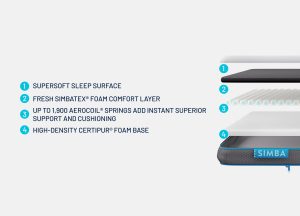
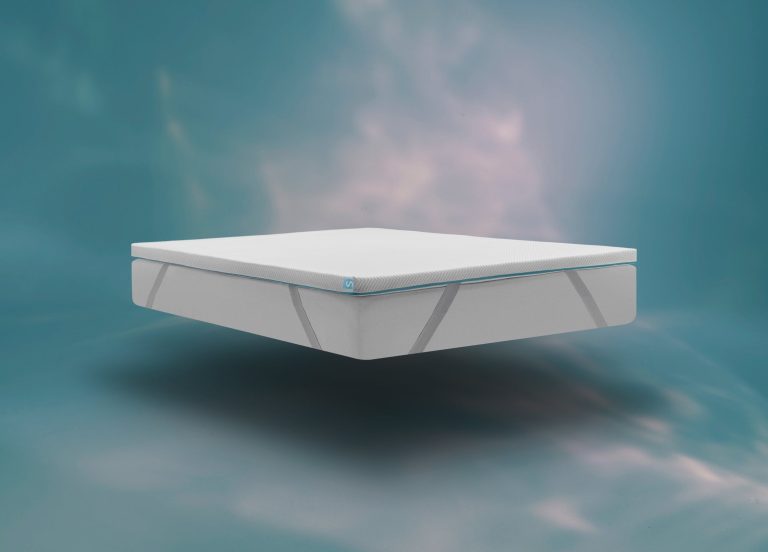
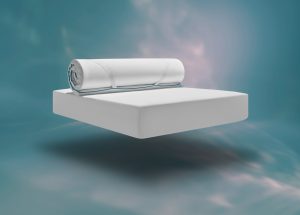
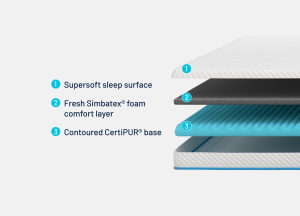
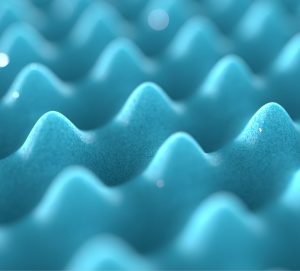
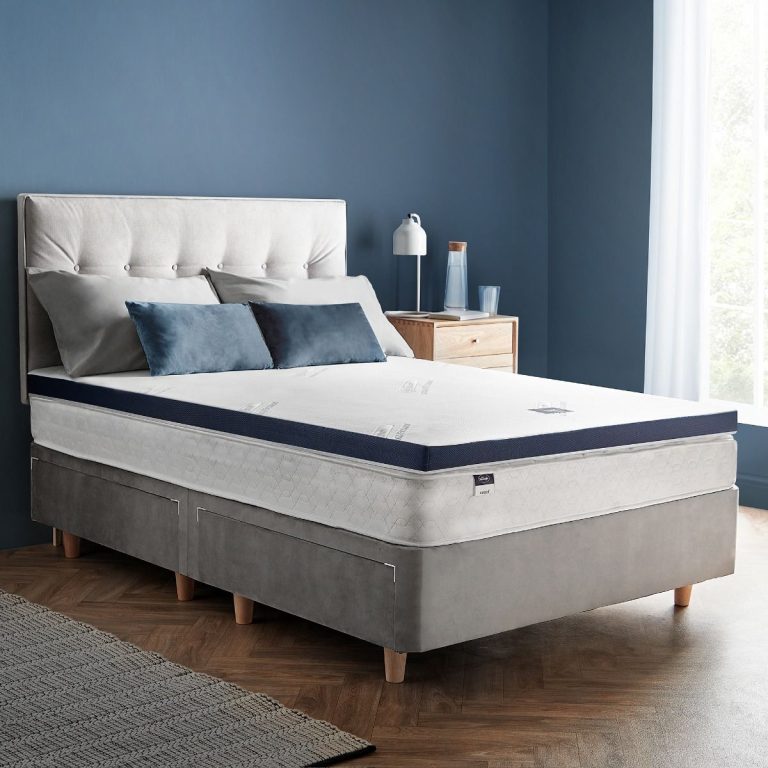
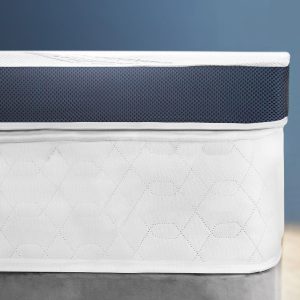
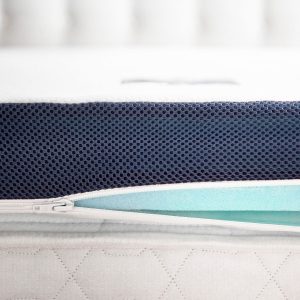
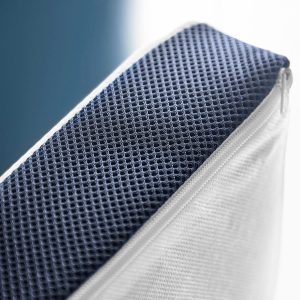
Springs work differently. Simba says the Aerocoil springs in its Hybrid Topper push air up through the topper as they compress, and it quotes Intertek tests from May 2025 in which its Simbatex foam had over 5x the airflow of memory foam. Simba commissioned that test on pieces of foam, so it compares materials, not whole toppers. Dormeo’s Octasmart Essentials Cooling topper uses foam instead, with over 10,000 air channels, mesh sides and a cover it calls up to 40% cooler than standard polyester, test unpublished.
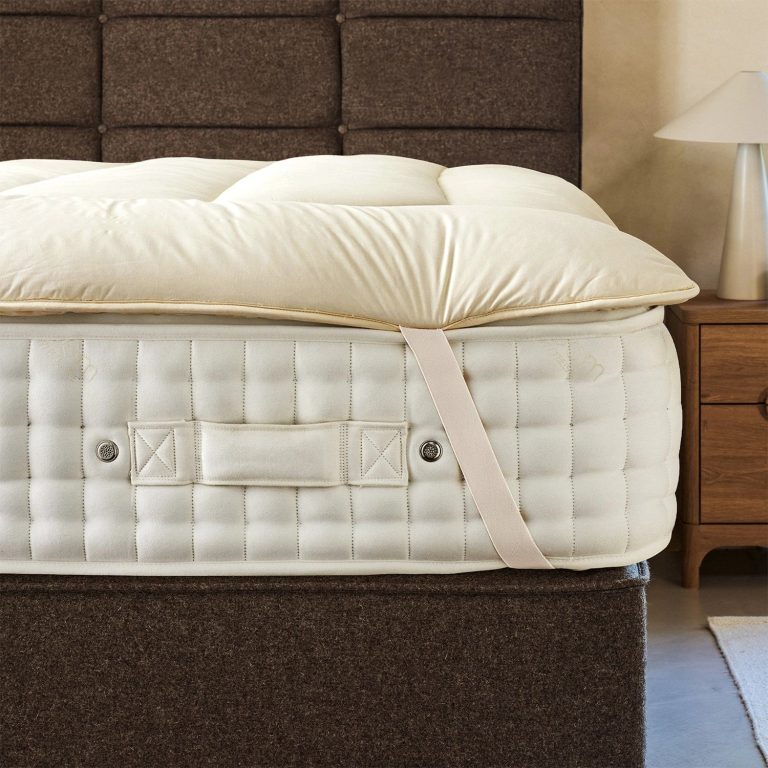
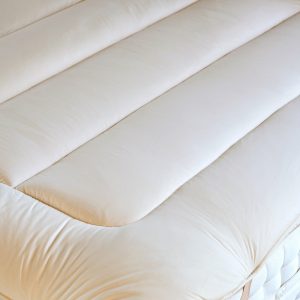
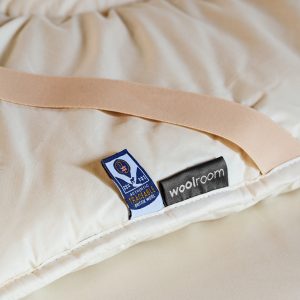
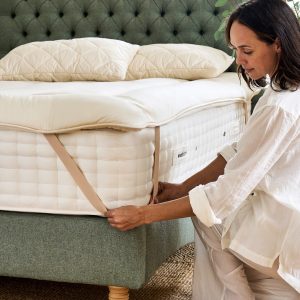
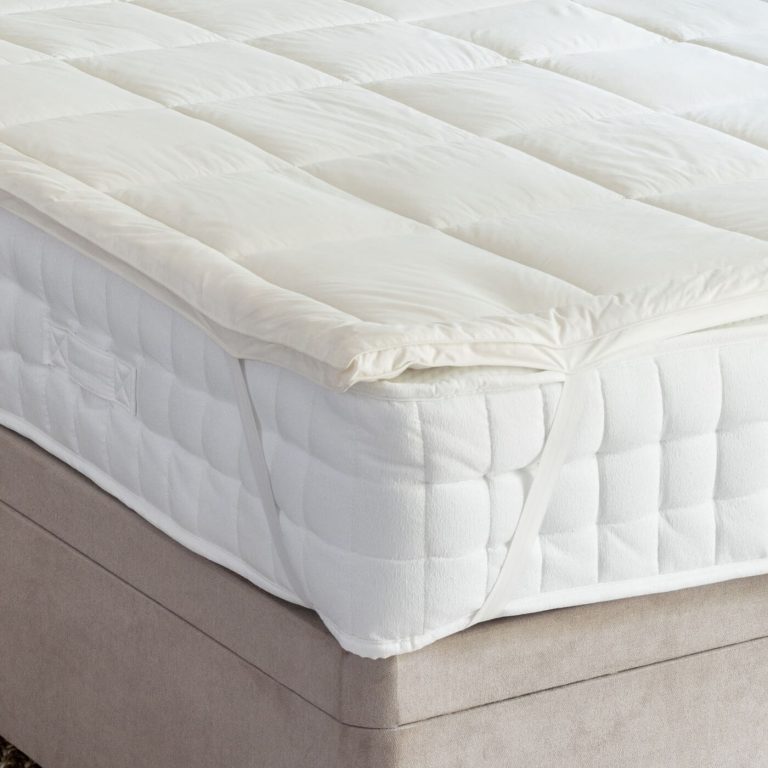
Wool is the natural-fibre route, and the claims made for it run ahead of the evidence. In a 2016 University of Sydney study of 17 adults, with co-authors from the wool industry body Australian Wool Innovation, wool sleepwear shortened the time taken to fall asleep at 17°C, yet the researchers found no effect of wool bedding on sleep. The Woolroom and Soak&Sleep toppers keep the surface drier; a measured sleep gain from a wool topper has not been shown. Woolroom’s product page suggests a wool mattress protector if temperature is your main reason to buy, because it wraps less wool around you.
What the research can and cannot promise
Cooling bedding lowers body temperature more reliably than it improves sleep scores. A 2025 systematic review and meta-analysis of nine randomised trials found no clear difference in how fast people fell asleep, sleep efficiency or time in each sleep stage, with the certainty of the evidence rated low to very low, although the studies did show a short-term drop in core body temperature. In a three-centre study of 72 adults on a high-heat-capacity mattress, published in Scientific Reports, deep sleep rose by 7.5 minutes and heart rate fell by 2.36 beats per minute; one author works for the gel mattress maker Technogel. Expect a cooler surface on hot nights, and keep the bedroom cool as well.
Depth, washing and returns
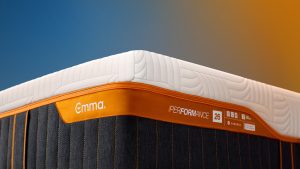
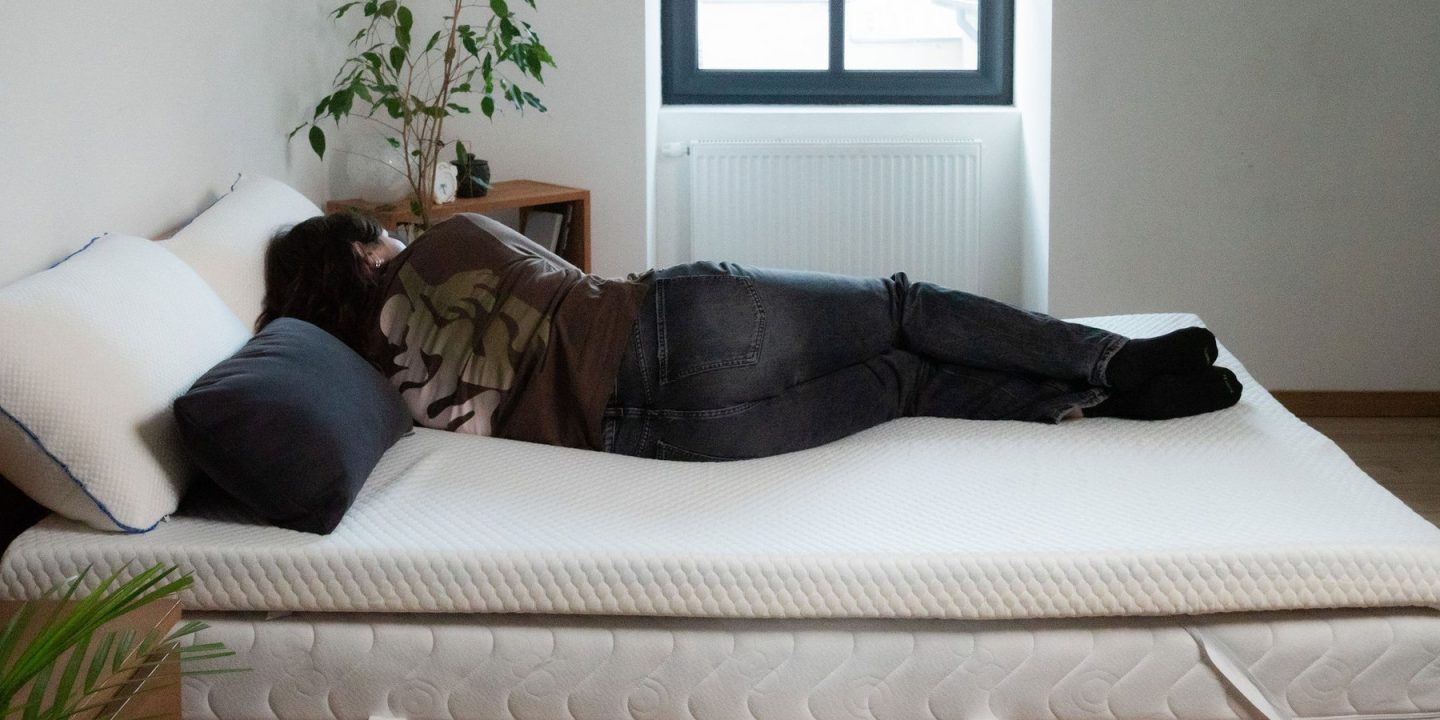
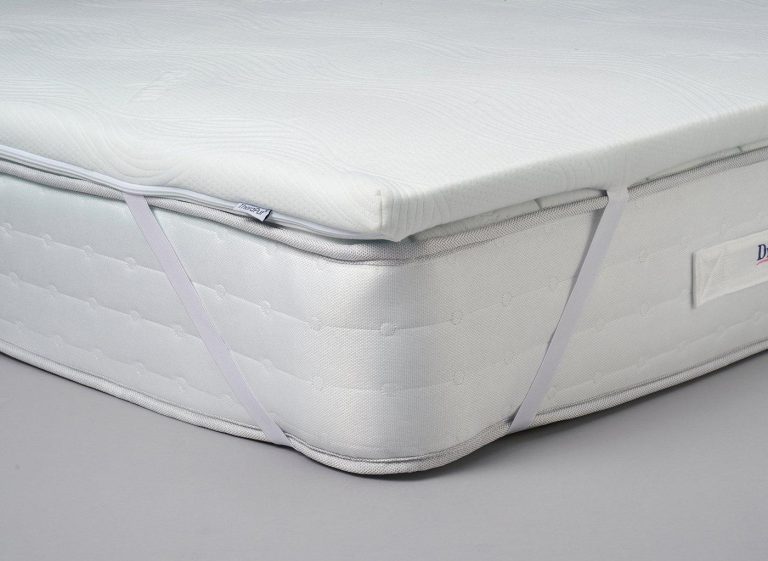
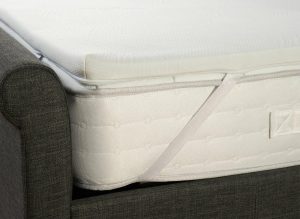
Bed Advice UK, the National Bed Federation’s consumer advice site, advises a topper at least 5cm deep, because anything thinner is unlikely to make a noticeable difference in comfort. The Emma (9cm), the Silentnight (8cm), both Simbas (6.5cm), the Dormeo and the Panda (5cm) clear that line, while the TheraPur (4cm), the Woolroom (4-5cm) and the Soak&Sleep (2.5cm) change the surface more than the feel.
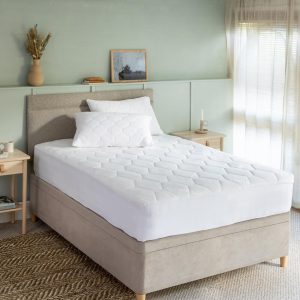
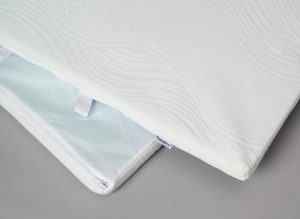
Sweat is also why washing matters. The M&S Body Sensor is the only pick that goes in the machine whole, at 40°C, the Emma, Simba and Silentnight covers come off for a 40°C wash, and the Woolroom is dry clean only. A topper you have slept on usually goes back only under a sleep trial, so check the terms before the plastic comes off. Simba and Dormeo give the longest trial here, 200 nights; Emma lists 100 nights on its product page (its FAQ says 30), Panda and Woolroom give 30, and Soak&Sleep takes unused returns within 365 days.
For toppers ranked on comfort across every fill, see our best mattress toppers comparison. Sizes are covered in best double mattress toppers and best king size mattress toppers, brand line-ups in best Panda mattress toppers and best Silentnight mattress toppers, and a washable layer to put over any of them in best mattress protectors.