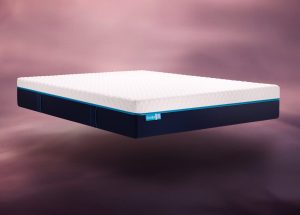
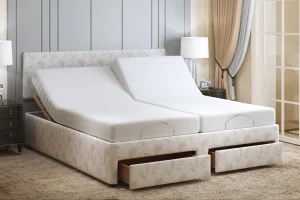
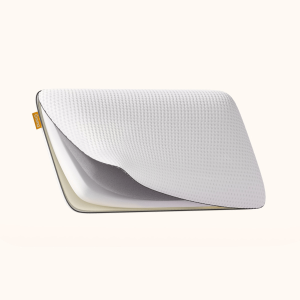
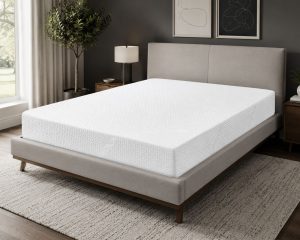
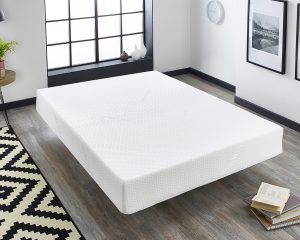
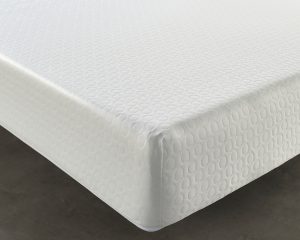
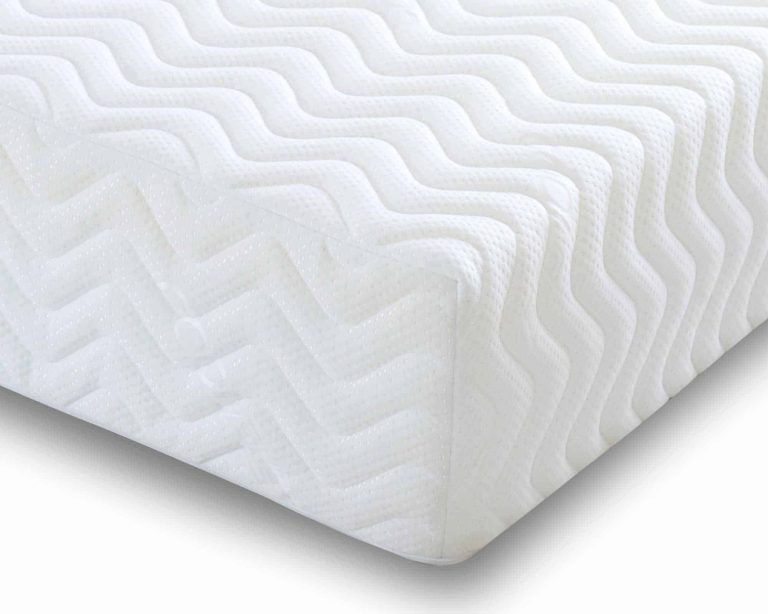
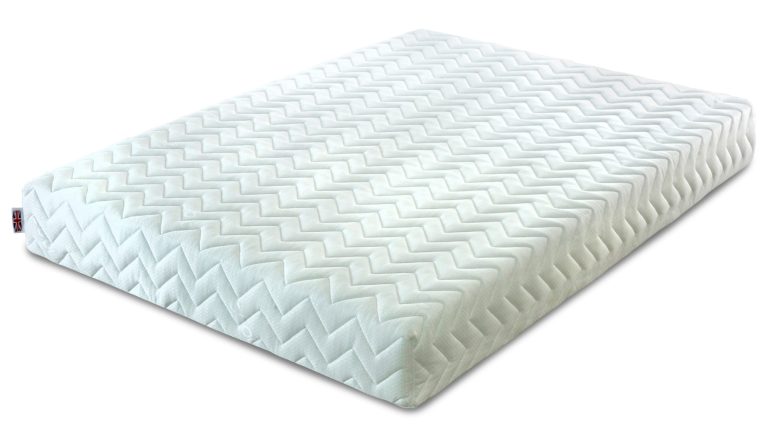
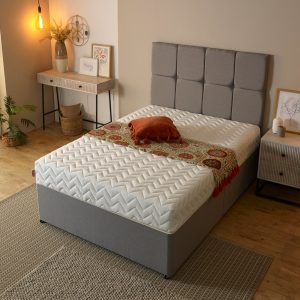
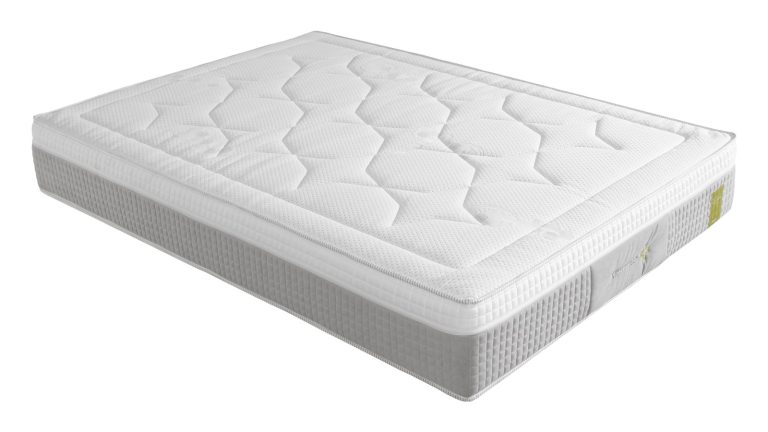
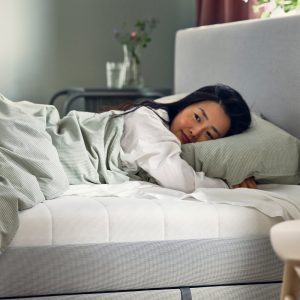
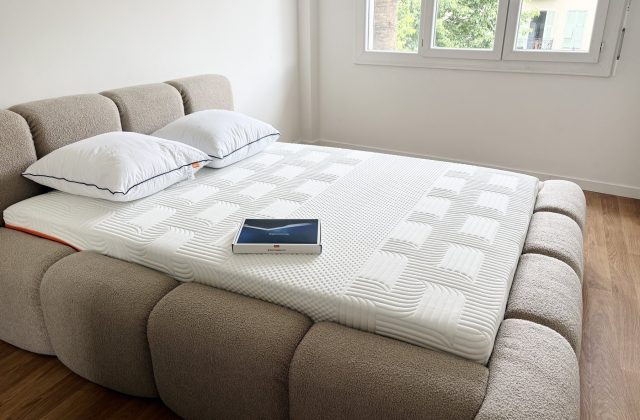
“For most people the Aspire Essentials is the foam mattress to start with, a comfortable medium feel with a cover you can wash, and it suits an adult of average build or lighter very well. If you are heavier or like a firmer bed, the 20cm Starlight Beds Harmony will make you just as happy.”
Foam, reflex foam and memory foam
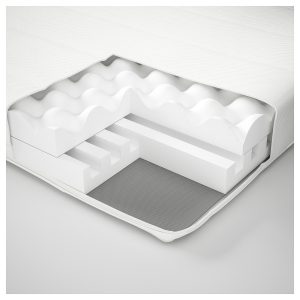
Every mattress on this page is foam all the way through, but foam is not one material. The National Bed Federation’s buying guide, written by the trade body for UK bed makers, separates the two that matter here. Polyurethane is “a synthetic, petroleum-based foam with performance and price varying according to density and quality”, while “visco-elastic, or memory foam, responds to individual shape and pressure”. Reflex foam is the name UK sellers give to a resilient polyurethane foam that pushes straight back when you move, which is why a reflex mattress feels springy where memory foam feels slow.
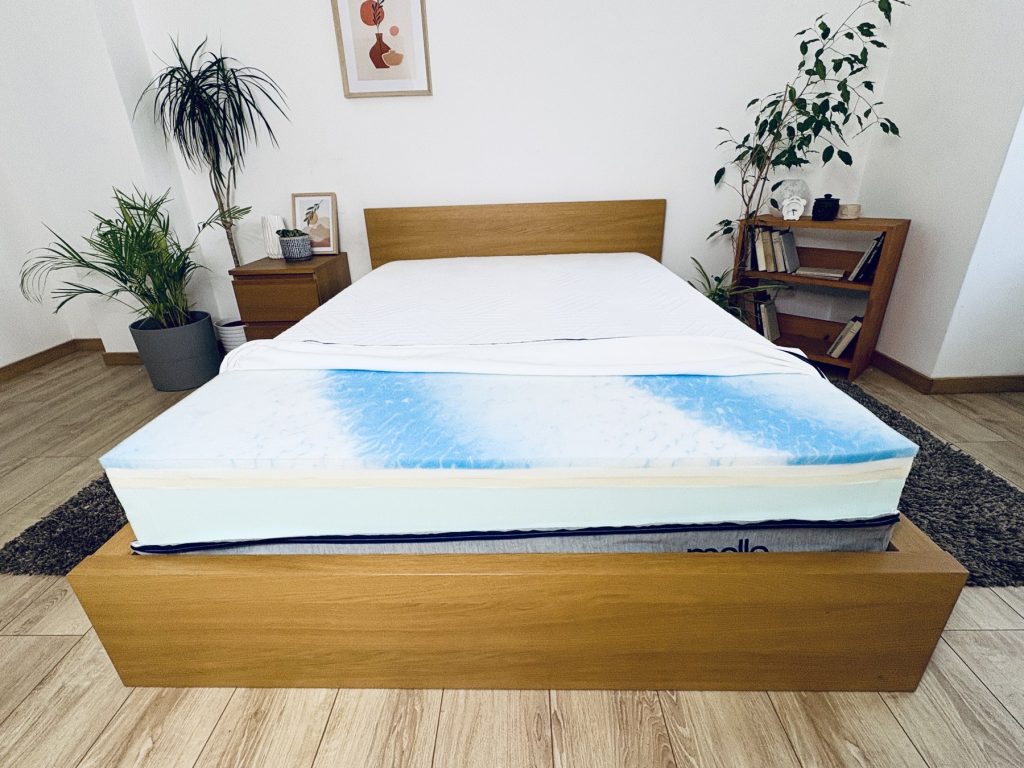
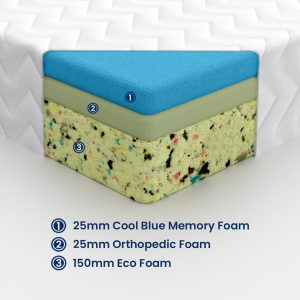
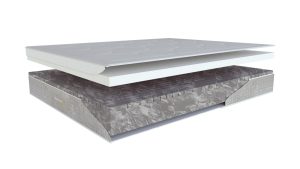
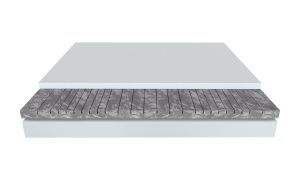
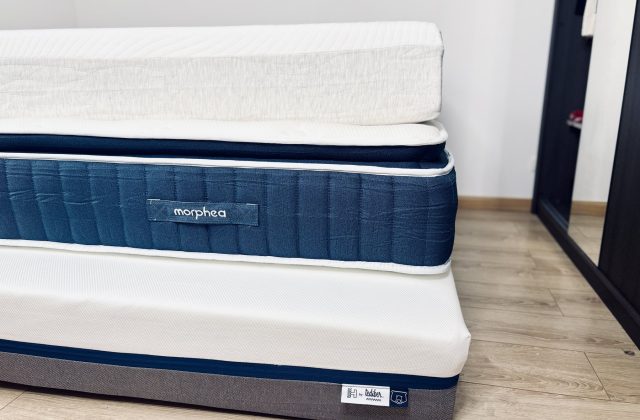
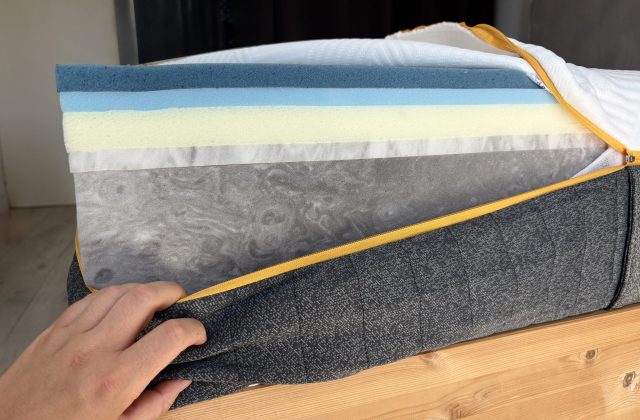
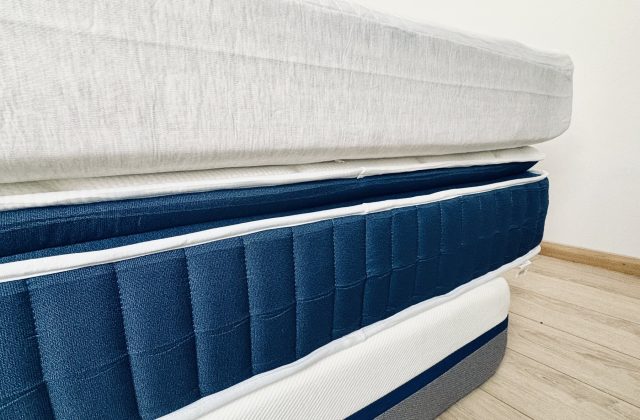
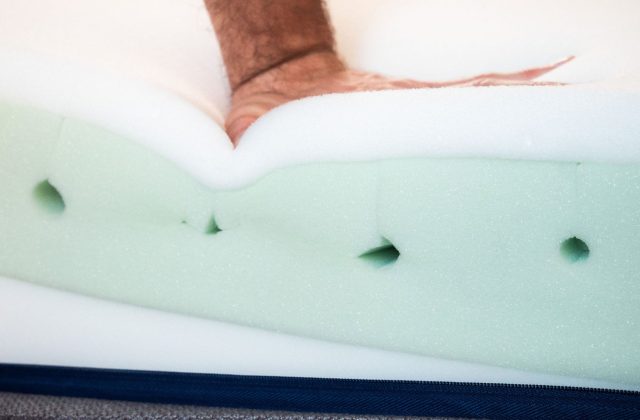
Most budget rolled mattresses combine the two, with a deep polyurethane or reflex base for support under a memory foam skin of 1 to 2.5cm that softens the first touch. That top layer is too thin to give the sink-in hug people buy memory foam for. Mammoth’s Skyfoam and Dormeo’s Aerocell are the makers’ own comfort foams, offered instead of memory foam.
Depths, layers and terms come from each seller’s UK product page, prices are regular prices checked in October 2026, and “sealed only” means the seller takes a mattress back only before the packaging is opened.
Depth and density
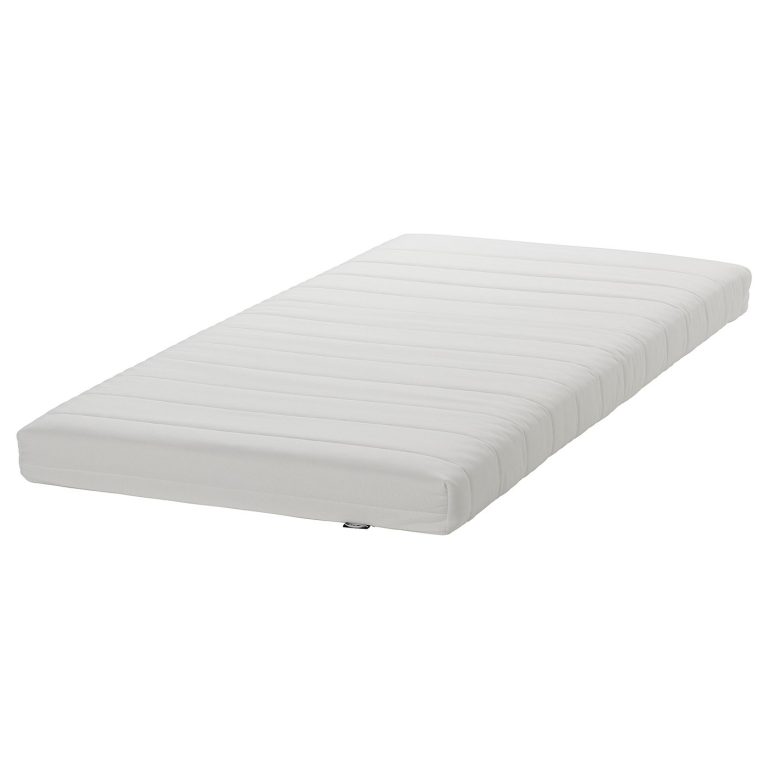
With no springs underneath, the support foam is the whole mattress, so its depth and density decide how it ages. Few sellers publish a density, and IKEA’s 33kg per cubic metre for the Åfjäll is the only figure for a support layer here. As a rule of thumb, a 10 to 12cm mattress is for a day-bed, bunk or guest bed, 15cm is enough for a lighter or average-weight adult, and heavier sleepers should start at 20cm. A thin budget foam also tends to need replacing sooner than a deep one. The Åfjäll and IKEA’s other foam models are compared with its sprung range in our IKEA mattresses guide.
Firmness
In a randomised, double-blind trial of 313 adults with chronic low back pain, Kovacs and colleagues (The Lancet, 2003) found that people on a medium-firm mattress had better outcomes after 90 days than those on a firm one, for pain in bed and for disability. Reflex foam already feels firmer than memory foam of the same grade, because it pushes back instead of moulding. Side sleepers, who need more give at the shoulder, should lean towards medium or the softer Mammoth, and keep the firm Harmony and Atlas for back and front sleepers.
Washable covers and fire ratings
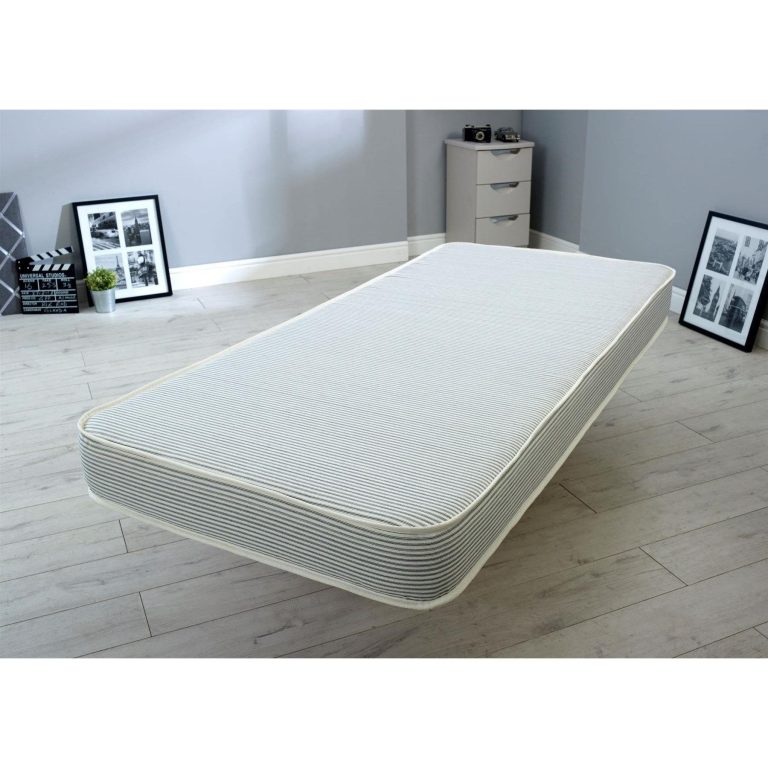
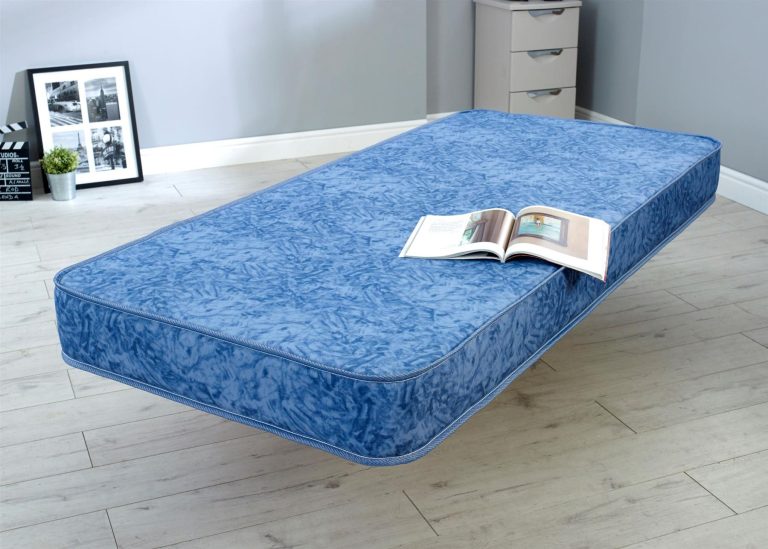
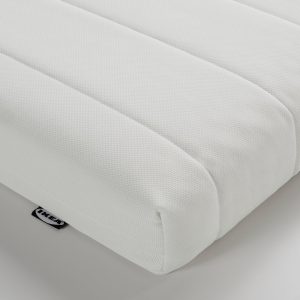
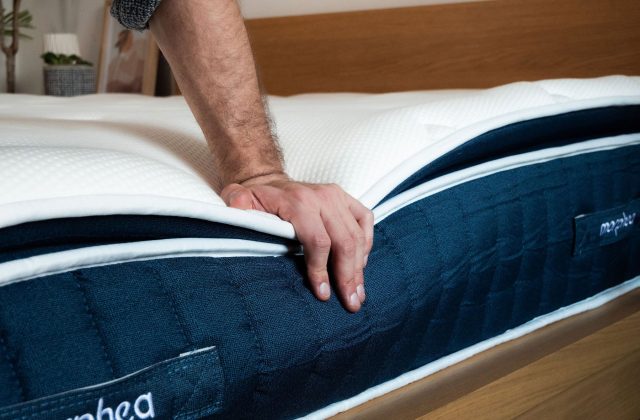
A foam core cannot be washed, so the cover is what keeps the mattress clean. For people with a dust mite allergy, the NHS advises washing bedding at 60°C and above, and the IKEA Åfjäll is the only cover here sold with a 60°C wash. Most of the other covers here zip off for washing too. The Atlas has a plain stripe ticking, and the Nautilus is simply wiped clean.
Contract mattresses such as the Atlas and the Nautilus carry a Source 5 rating, a stricter fire test than a home mattress needs. SATRA explains that BS 7177 asks every domestic mattress to resist a smouldering cigarette and a match flame, while medium-hazard settings, which include halls of residence, hostels and hotels, add resistance to ignition source 5. If you let a room to students or run a guest house, that rating is the one to ask for.