

„Buy for the position you sleep in and the weight you carry, not for the word orthopaedic on the label, and give any new mattress at least four weeks before you judge it.“
Low back pain affected an estimated 619 million people worldwide in 2020, according to the Global Burden of Disease study published in The Lancet Rheumatology. A mattress will not cure it, but the right one stops your bed adding to it.
Medium-firm does better than firm in trials
The most cited study is a randomised, double-blind trial of 313 adults with chronic low back pain, published in The Lancet by Kovacs and colleagues in 2003. After 90 days, people given a medium-firm mattress (5.6 on the European H(s) scale, where 1 is the firmest) had better outcomes than those on a firm one (2.3) for pain in bed, with an odds ratio of 2.36, and for disability, with an odds ratio of 2.10. The H(s) scale runs the opposite way to the 1 to 10 ratings most brands and this page use, where 10 is the firmest.
Two later reviews point the same way. A 2015 systematic review of 24 controlled trials in Sleep Health (Radwan et al.) found a mattress rated medium-firm and custom-inflated to be optimal for sleep comfort, quality and spinal alignment. A 2021 review of 39 studies in the Journal of Orthopaedics and Traumatology (Caggiari et al.) concluded that a medium-firm mattress promotes comfort, sleep quality and spinal alignment. That is why our top three are all medium-firm (the full field is in our best mattresses 2026 ranking).
Your weight and position move the target
Firm is not automatically better, as the trials above show. Too firm, and your shoulders and hips take the pressure. Too soft, and the spine sags out of line.
Zones, springs and edges
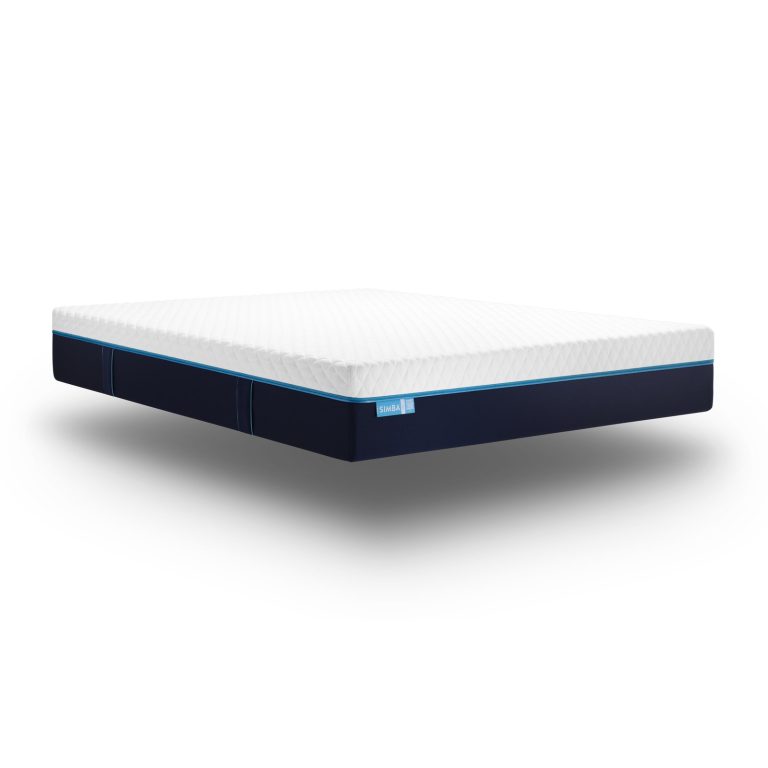
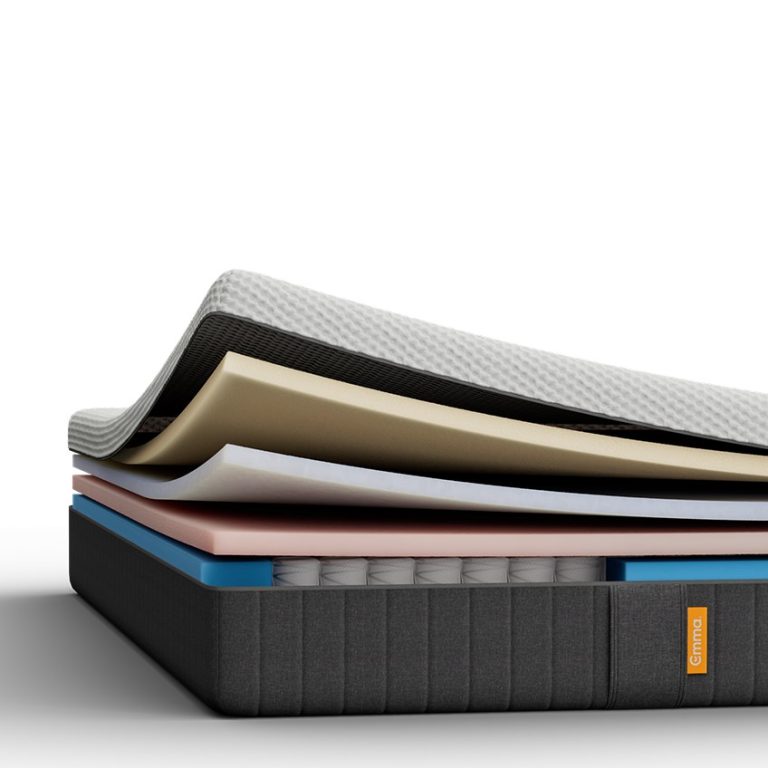
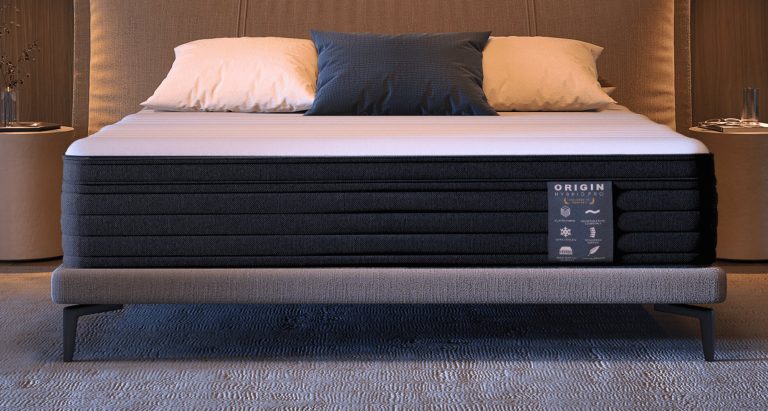
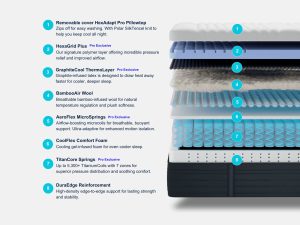
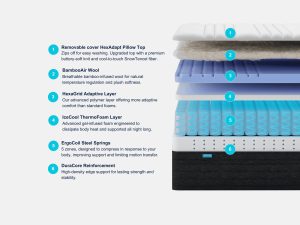
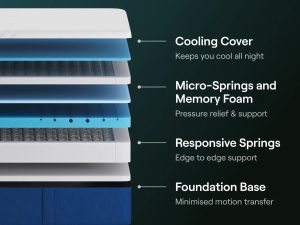
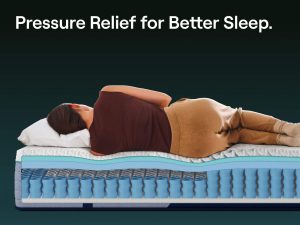
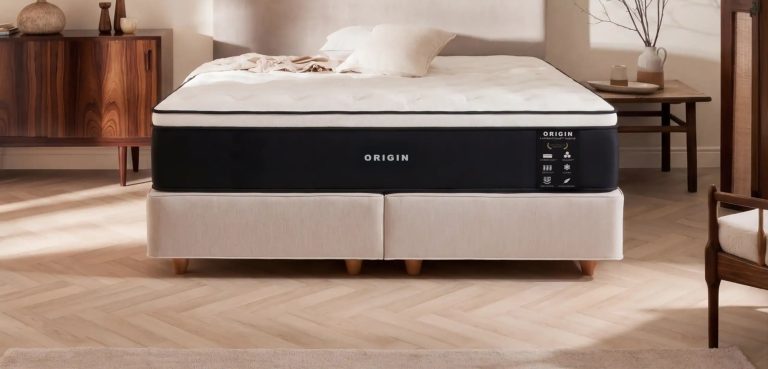
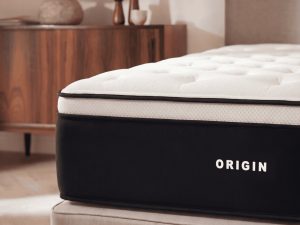
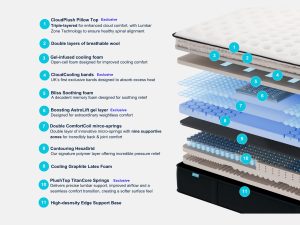
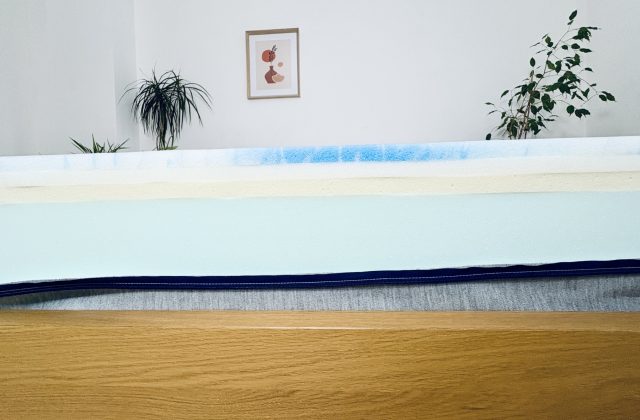
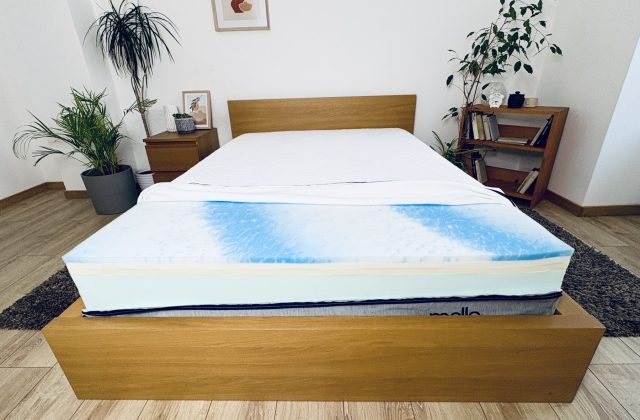
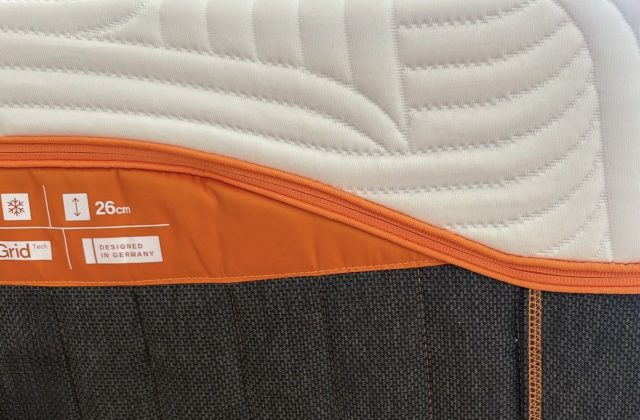
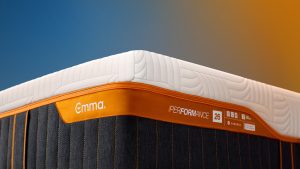
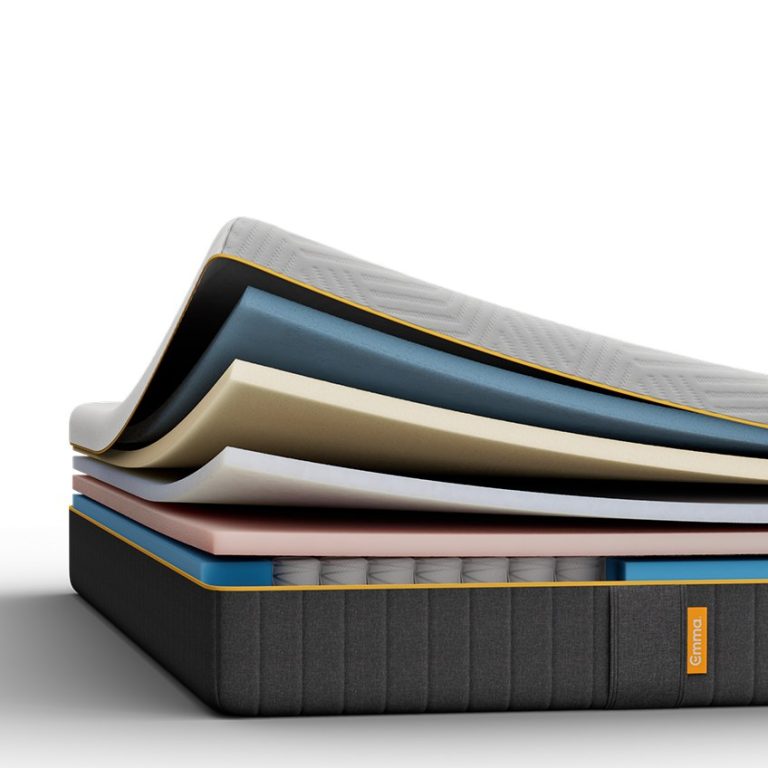
Zoning puts firmer support under the heavy pelvis and more give under the shoulders, so the spine stays level on your side and your lower back does not dip on your back. The makers state seven zones for the Emma Original Pro and the Origin Hybrid Pro, five for the Emma Original and the Origin Hybrid, and nine for the Origin LumbarCloud, which reinforces the centre third of the bed. Simba takes a different route, with a base of steel SupportCore springs under its microsprings.
Replace a tired mattress before you blame your back
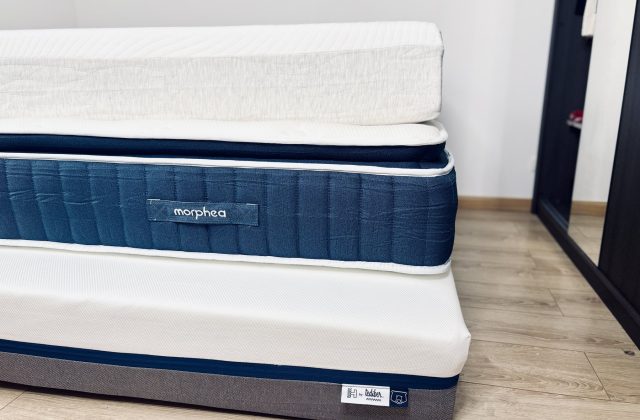
Age matters as much as type. In two studies by Jacobson and colleagues (Applied Ergonomics, 2008, and Journal of Chiropractic Medicine, 2009), participants’ own beds averaged 9.5 years old, and 28 days on a new medium-firm bed reduced back discomfort and improved sleep quality. The National Bed Federation lists owning a mattress for more than seven to ten years among the signs you may need a new one. If yours is younger and simply too firm, a topper can soften the surface, though it will not rescue a mattress that already sags (see our best mattress toppers).

Ignore the word orthopaedic
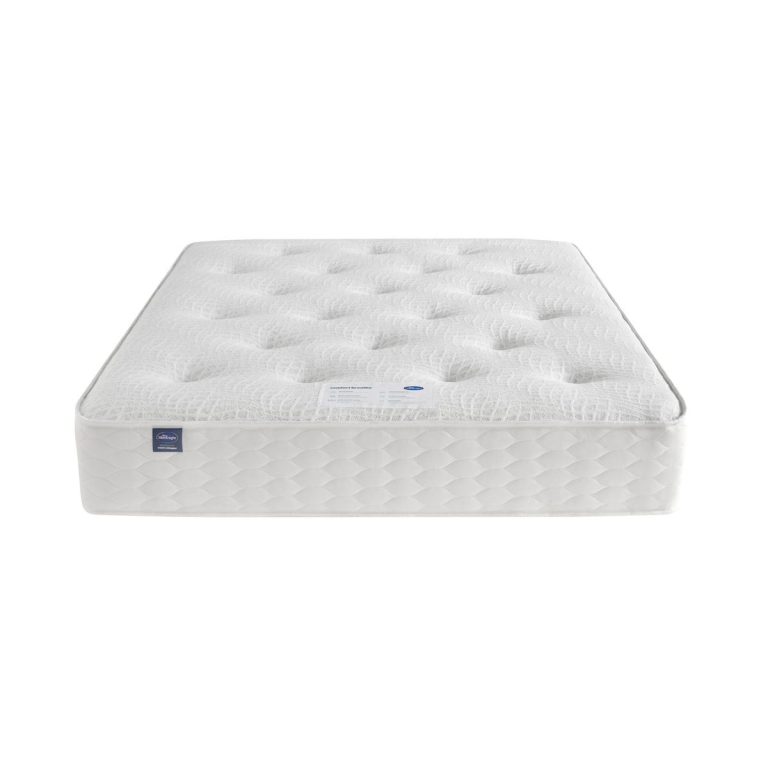
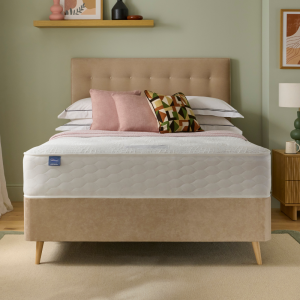
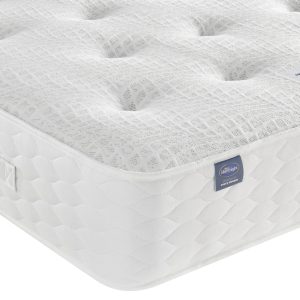
An orthopaedic label tells you how a mattress is sold, not how it will suit your back. The label often sits on a firm build, as it does on the Silentnight Comfort Breathe 1400 Pocket Ortho, which is firmer than the medium-firm feel the trials above favour. Judge a mattress on its stated firmness, its zoning and its trial instead.
Use the trial as part of the test
In the 2008 Jacobson study, the reduction of pain and stiffness became more prominent over the four weeks on the new bed, so a verdict after three nights is premature. Trials on this page run from 60 nights at Silentnight, where the trial is an exchange rather than a refund, through 100 nights at TEMPUR and OTTY and 200 at Emma, Simba and Origin, to 365 nights at Nectar.
Specifications below come from each maker’s UK product page and double prices from our check on 28 September 2026.
When a mattress is not the answer
The NHS puts it plainly: “Back pain, particularly lower back pain, is very common. It usually improves within a few weeks but can sometimes last longer or keep coming back.” If yours has lasted beyond a few weeks of home treatment, see a GP before you spend money on a mattress.