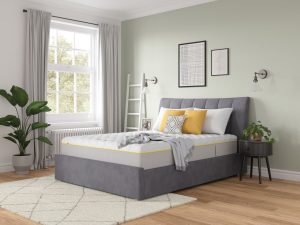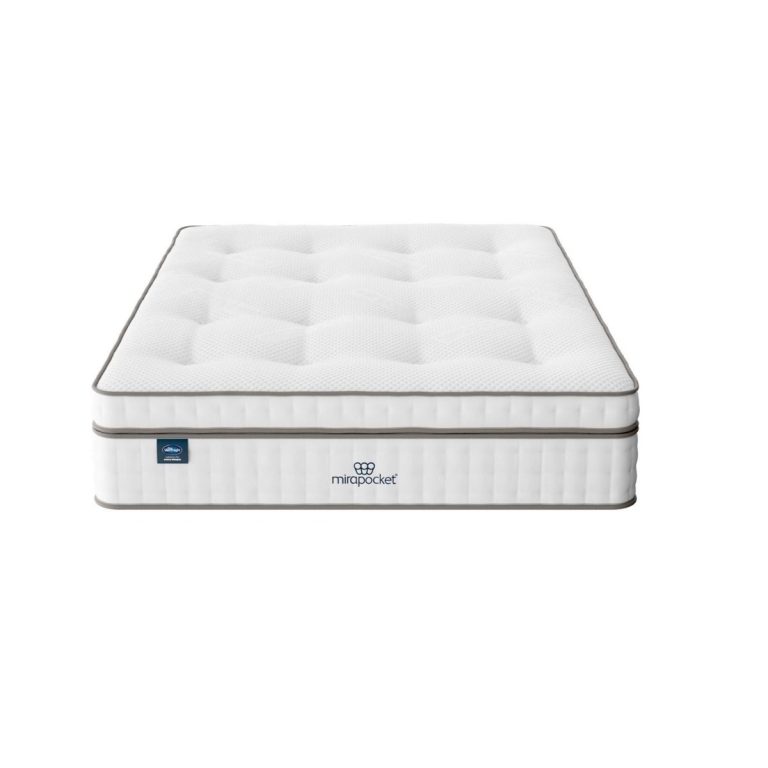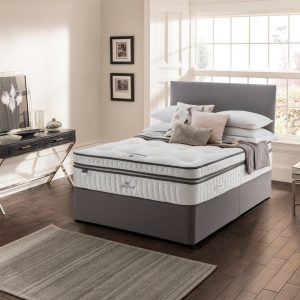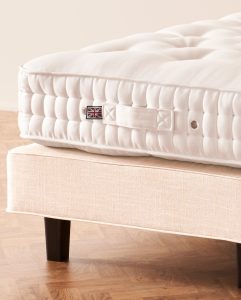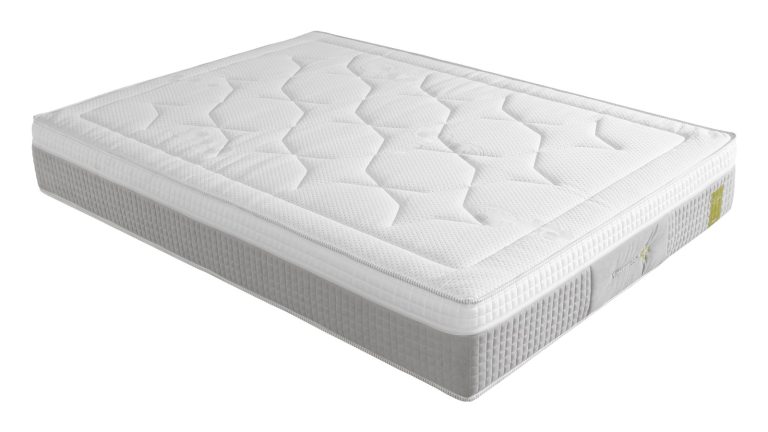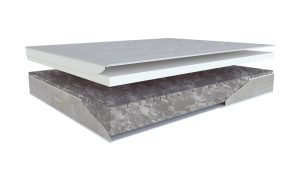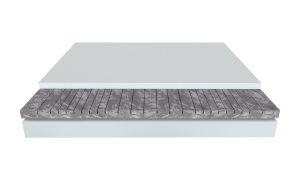


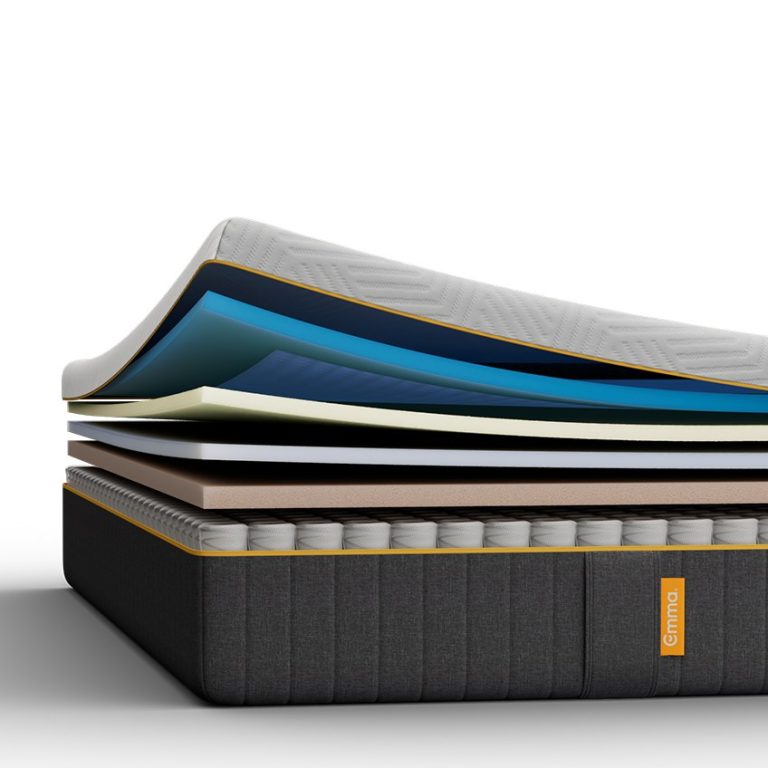
“Choose the softness for your shoulders and the spring or foam core for your body weight. A soft top over zoned support is what keeps a side sleeper's spine level.”

A soft mattress suits you if you sleep mainly on your side, weigh less than average or wake with pressure at the shoulders and hips. The softness only helps when the layer beneath it still holds your spine level, and that is where most soft mattresses succeed or fail.
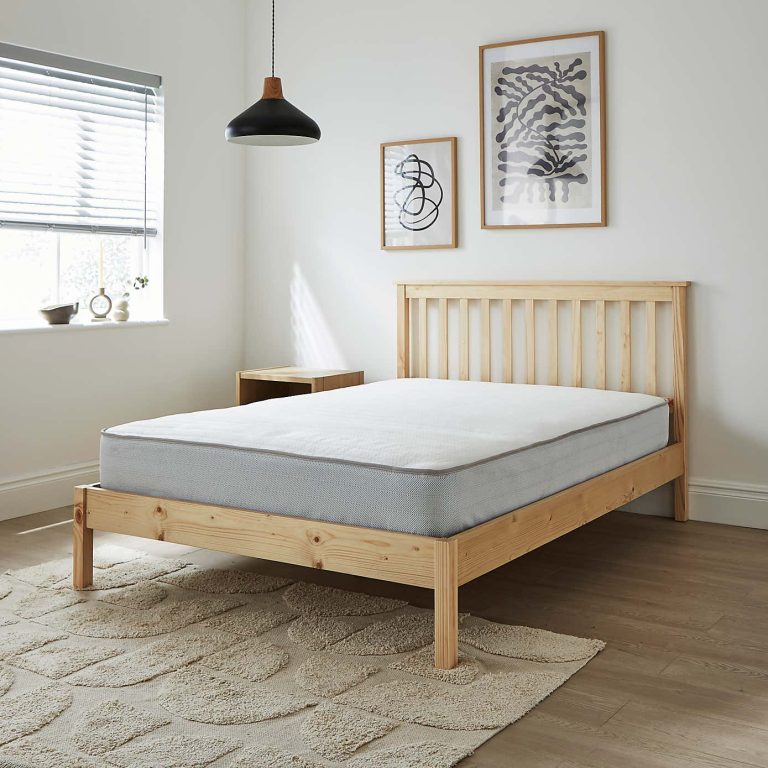
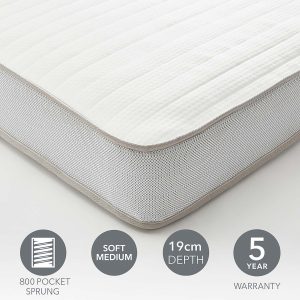
Soft feel and support are separate decisions
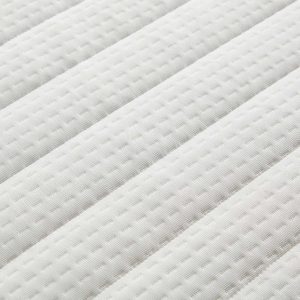
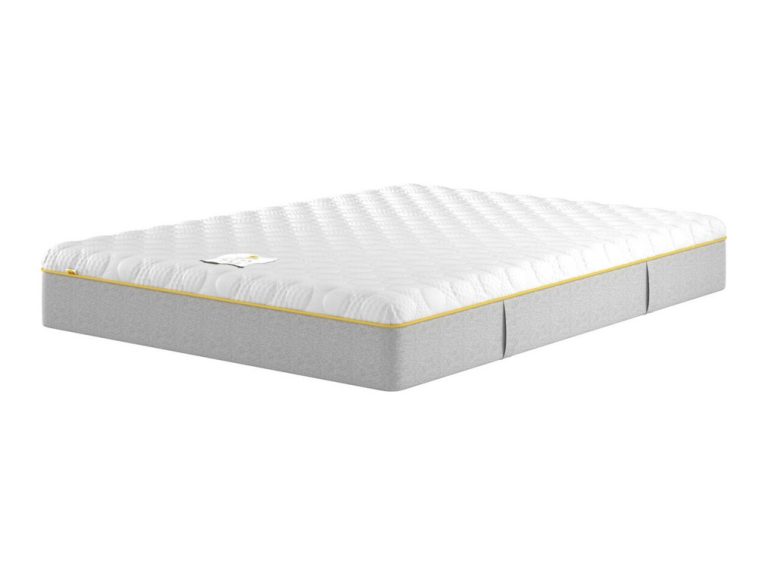
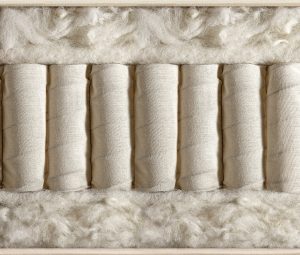
The comfort layer decides how far your shoulder and hip sink in. The core decides whether your spine stays straight while they do, and eight of the ten picks here put their soft layer on a spring unit.
The research on back pain points to the middle rather than to either extreme. In a randomised trial of 313 adults with chronic low-back pain published in The Lancet (Kovacs et al., 2003), people given medium-firm mattresses, rated 5.6 on a scale where 1 is firmest and 10 softest, had better outcomes for pain in bed (odds ratio 2.36) and for disability (2.10) than people on firm mattresses rated 2.3. A 2015 systematic review of 24 controlled trials in Sleep Health concluded that a medium-firm, self-adjusted mattress was optimal for comfort, sleep quality and spinal alignment. If back pain rather than shoulder pressure is your main problem, medium-soft is as soft as you should go.
Match the softness to your weight
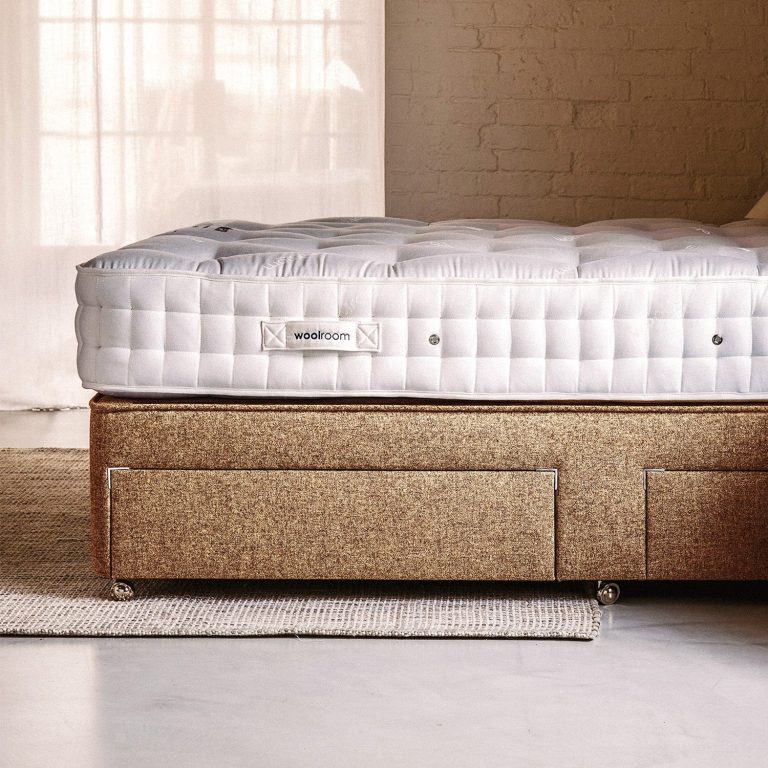
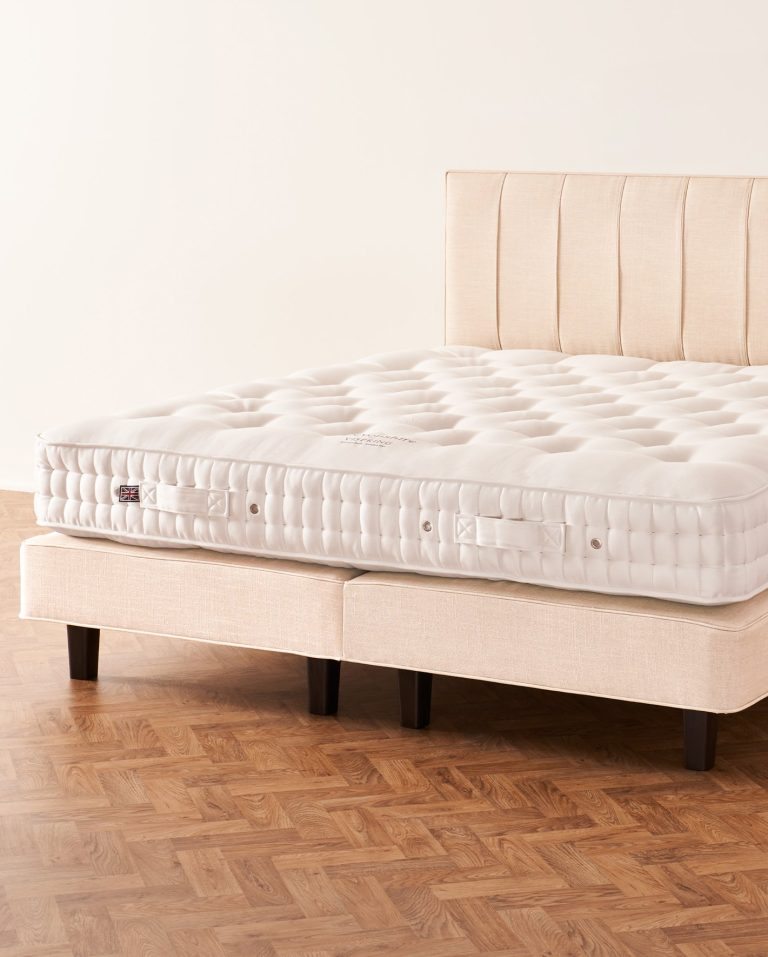
The National Bed Federation’s buying advice puts it simply: “As a general rule, the heavier you are, the firmer the tension you will need.” A soft top that cradles a light side sleeper can let a heavier sleeper’s hips drop below the line of the shoulders. Two makers here let you keep the soft upholstery and choose the spring tension separately. Woolroom sells the Standen in Soft, Regular and Firm, and Vispring the Devonshire in Soft, Medium, Firm and Extra Firm. Emma goes the other way and says stomach sleepers and people with a higher body weight are better served by its firmer Original than by the Original Elite. The NBF adds that partners whose weights differ by 3 stone (18kg) or more may need different mattresses, and if a soft top sounds wrong for you altogether, the firm and orthopaedic mattress comparisons cover the other end of the scale.
Read firmness labels with care
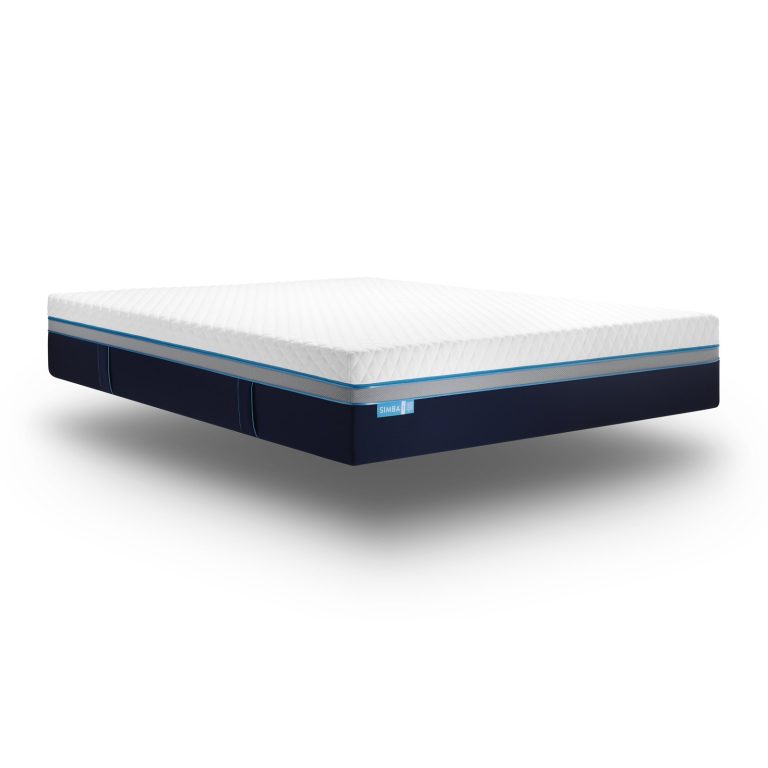
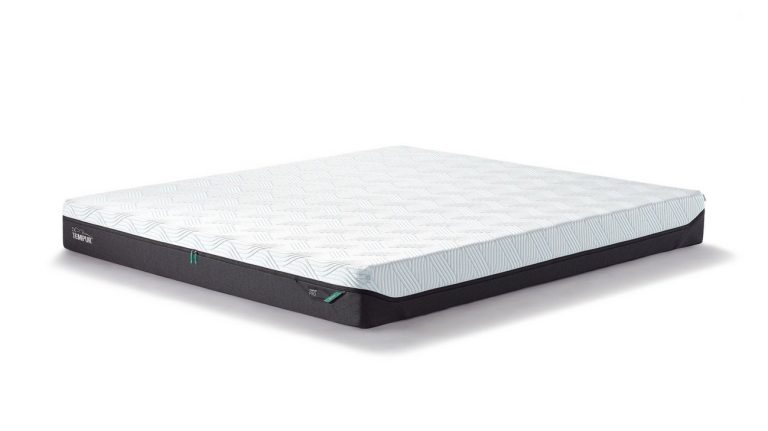
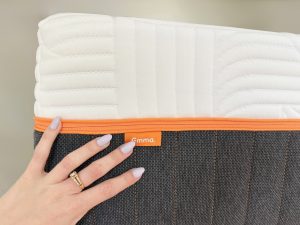
Every maker grades softness on its own scale, and sometimes on two. Emma’s page for the Original Elite calls it “medium soft, 2/5” in one place and rates it 7.5 on a scale from 1 (firm) to 10 (soft) in another. Silentnight calls its box top “medium soft”, TEMPUR sells the same PRO SmartCool in four feels, Bensons rates the Eve Hybrid Duo Plus plain “Soft”, and Simba sells the Hybrid Luxe as a plush feel while stating that it designs all its mattresses to feel “medium-firm”. The NBF warns that “there is no industry-wide standard to compare firmness ratings from one manufacturer to the other”. In a showroom, try the NBF’s hand test. Lie on your back and slide a hand into the hollow of your back; “if it’s a struggle to slide your hand in, then the bed is probably too soft.”
Depth, bedding and toppers
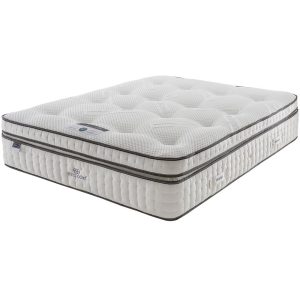
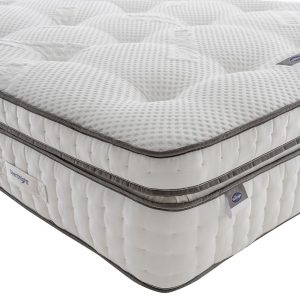
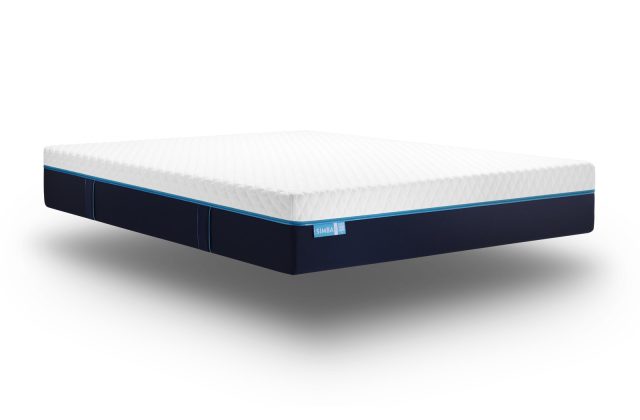
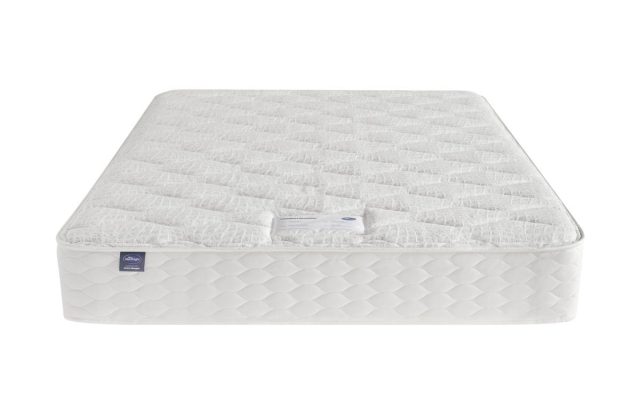
Soft mattresses are often deep. The Silentnight box top is 39cm and needs extra-deep fitted sheets, the Simba Hybrid Luxe is 31cm, and TEMPUR sells the same Soft feel at 21cm, 25cm (PRO Plus) and 30cm (PRO Luxe). If your current mattress still supports you and simply feels too hard, a soft mattress topper is the cheaper fix. If it sags, or it is more than seven to 10 years old, the age at which the NBF’s checklist suggests thinking about a replacement, a topper will not restore the support. Our mattress topper comparison covers that route, and the best mattresses of 2026 covers every firmness in one list.
The ten soft picks side by side
Feel grades, build, depth and double prices as listed on UK maker and stockist pages, checked 28 September 2026.