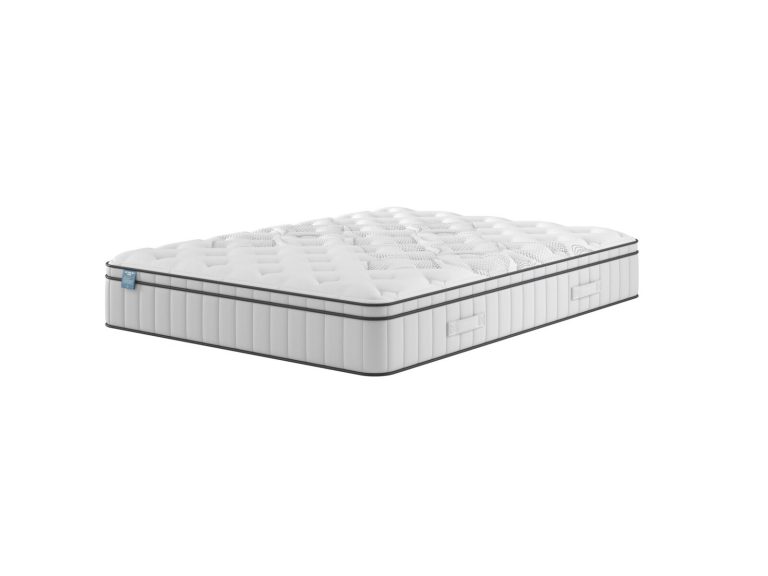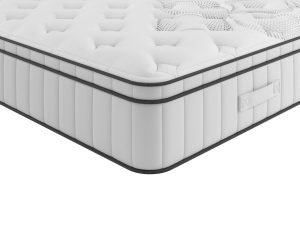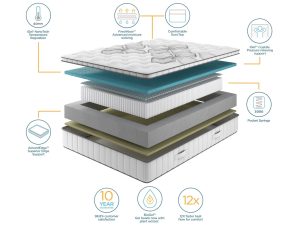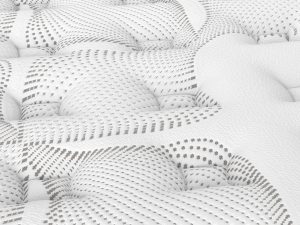


“If you run hot, choose pocket springs and a breathable cover first and treat the gel as a bonus, because the springs and cover keep moving heat away after a gel layer has warmed to your body.”
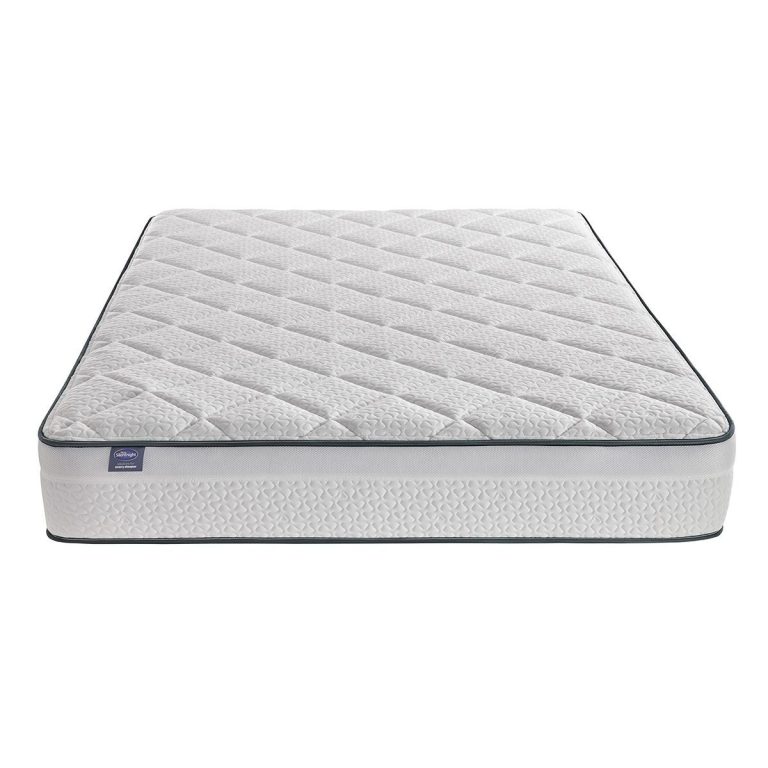
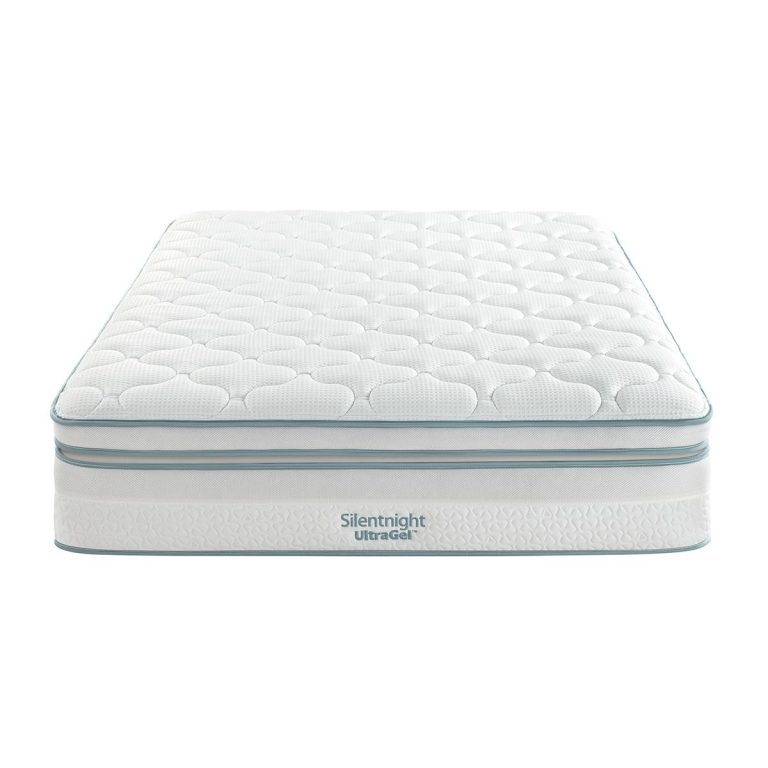
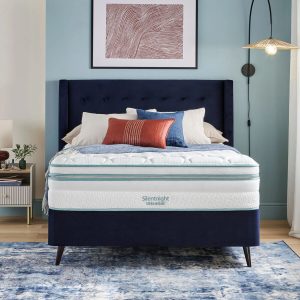
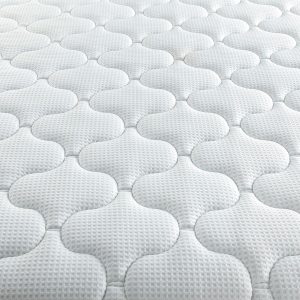
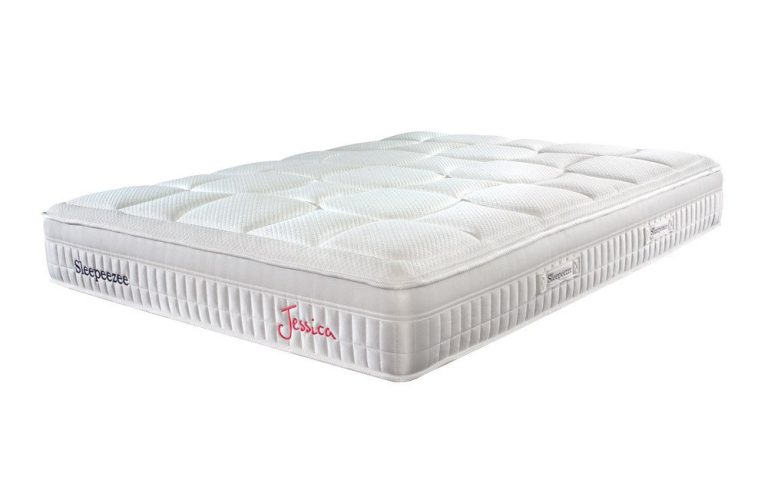
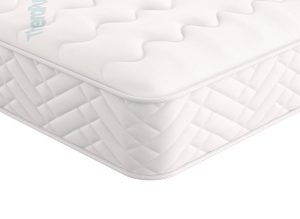
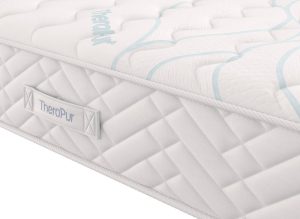
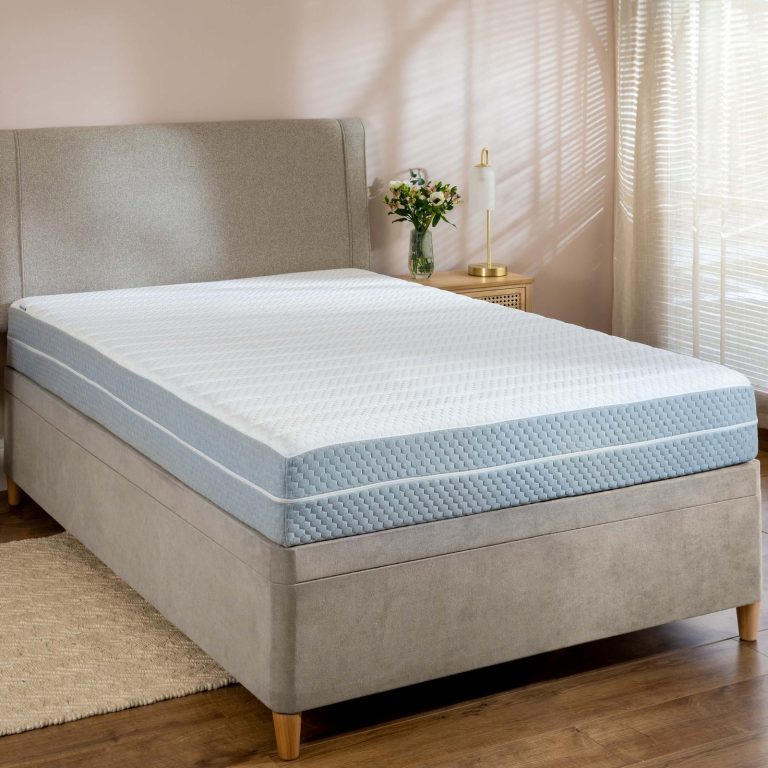
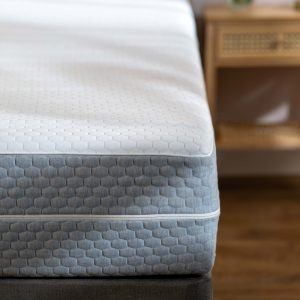
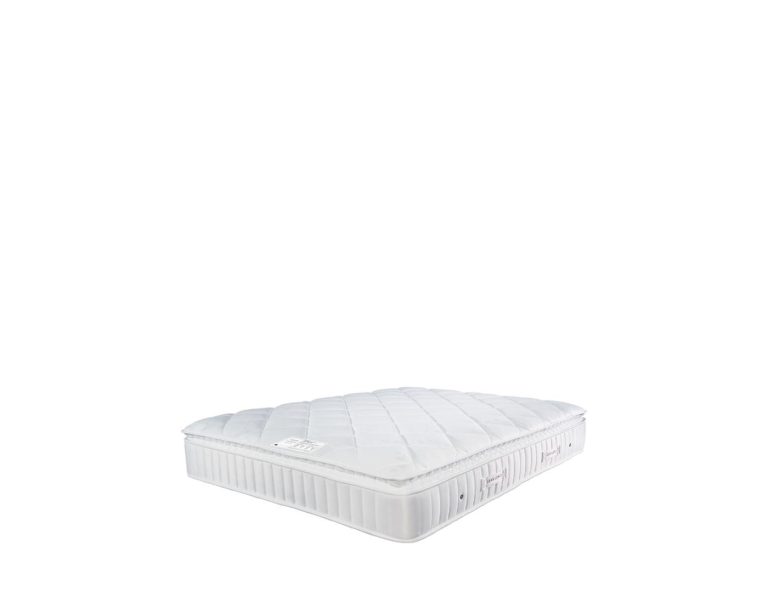
The ranked gel mattresses side by side
What the gel actually does
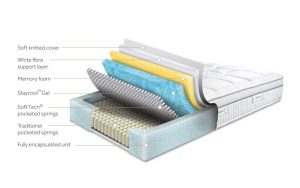
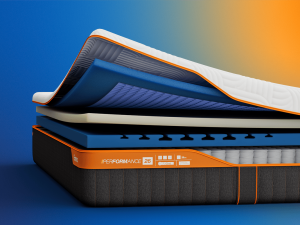
A gel mattress feels cool when you lie down and stays a little cooler for a while, but on its own it will not keep you cool all night. Gel soaks up heat, so the surface warms more slowly, and most UK gel mattresses carry gel in a foam layer only a few centimetres deep, which settles at body temperature once it has absorbed what it can. The effect itself is real: in a 2018 study in Physiology & Behavior, a mattress built for high heat capacity kept its surface up to 6.12°C cooler than a conventional one and increased deep sleep by 16% in 15 young men.
If you overheat badly, give the springs and cover under the gel as much weight as the gel itself.
Gel memory foam or a gel hybrid?
A gel memory foam mattress is all foam, with gel mixed into the memory foam or the foam above it. It absorbs a partner’s movement well and usually costs less, as the Soak&Sleep and Aspire show, but a solid foam core lets less air through than springs, and Soak&Sleep’s own product FAQ says pocket-sprung mattresses with natural fibres regulate temperature better. A gel hybrid puts the gel foam over pocket springs, so air can move through the core, which is why most mattresses here are hybrids. Our best memory foam mattresses ranking covers memory foam without gel, the best hybrid mattresses page covers springs with every kind of comfort layer, and our best mattresses of 2026 ranks every construction together.
Firmness for how you sleep
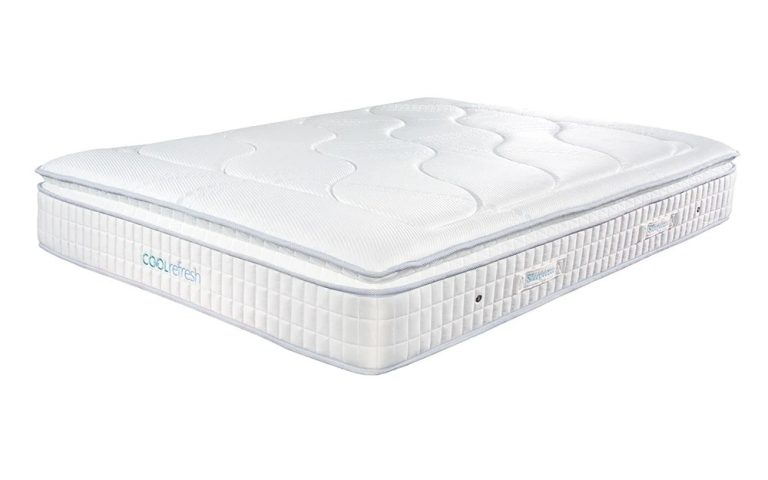
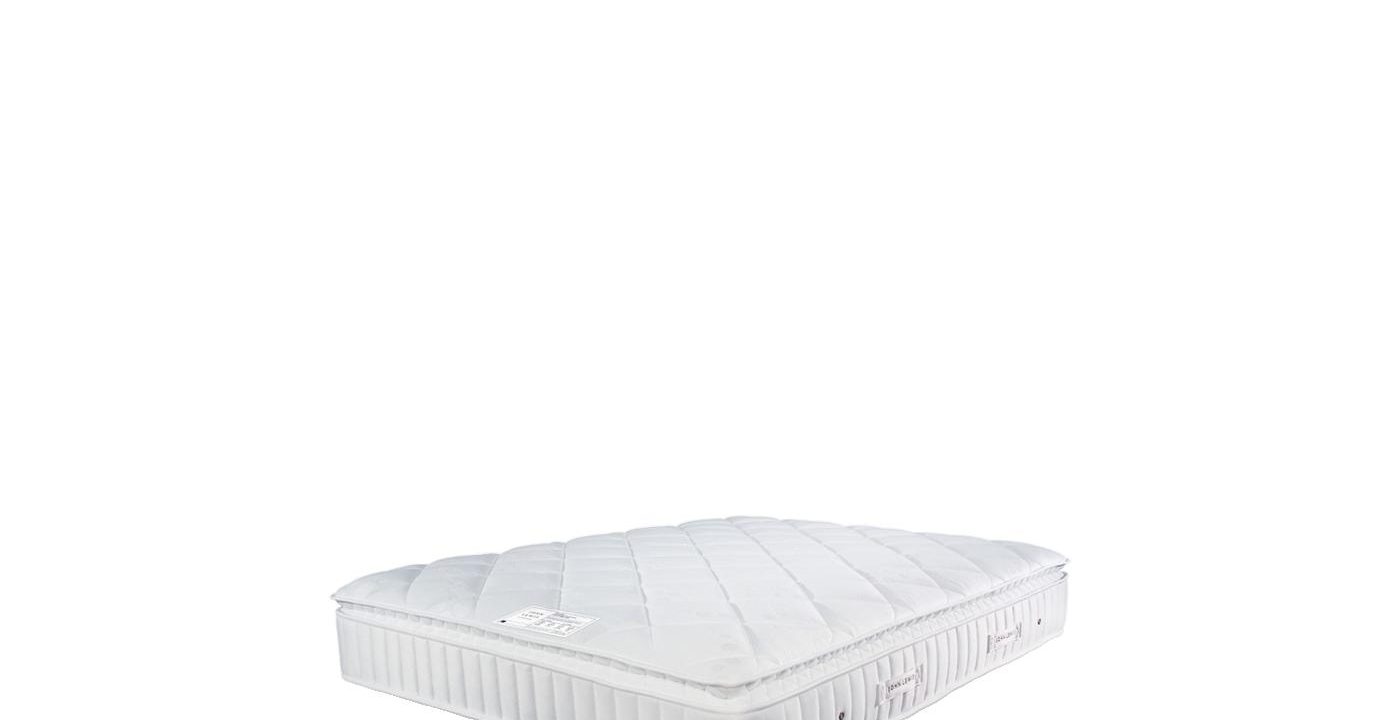
Gel affects how warm the surface feels, and firmness is a separate choice, so pick the firmness for your sleeping position first. Side sleepers need give at the shoulder and hip, which points to a softer top such as the medium-soft Sleepeezee Cool Refresh 3200 or the soft version of the iGel NanoTech 3000i, and our best mattresses for side sleepers ranking goes further on shoulder pressure. Back and front sleepers usually do best on medium to medium-firm. If you are heavier, check the maker’s weight limit. John Lewis, for example, rates the CloudGel 3000 for users up to 127kg.

Keeping cool beyond the mattress
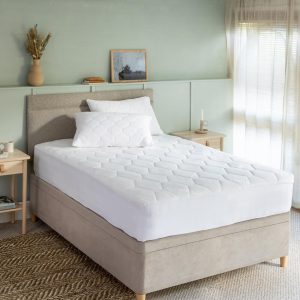
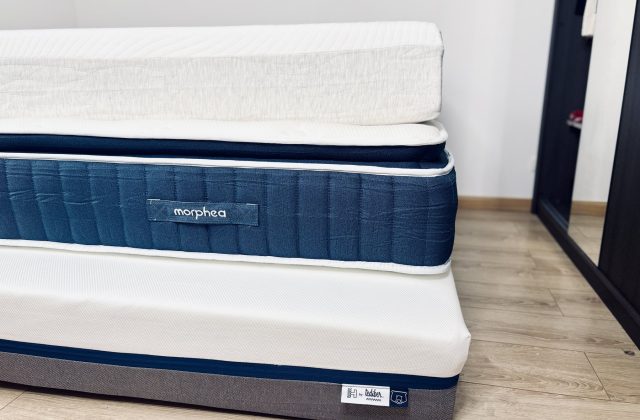
The bedroom matters as much as the mattress. The Sleep Charity puts the ideal bedroom temperature at around 16 to 18°C and warns on its sleep environment page that “Temperatures over 24°C (71°F) are likely to cause restlessness, while a cold room of about 12°C (53°F) will make it difficult to drop off.” A thin, breathable mattress protector and cotton bedding let a gel mattress do its job, while a thick waterproof protector puts an insulating layer between you and the gel. If your current mattress still supports you well, a gel mattress topper adds a cooler surface for far less money, and a soft topper eases a bed that feels too hard.
Trials and guarantees
Read the trial terms before you compare prices. Several of these mattresses come from one retailer only, the iGel from Bensons for Beds, the TheraPur from Dreams and the CloudGel from John Lewis. Their exchange terms let you swap the mattress for another model, often with a mattress protector to buy or a fee to pay, and none of the three refunds you for a change of mind once you have slept on it.
Which gel mattress for which sleeper