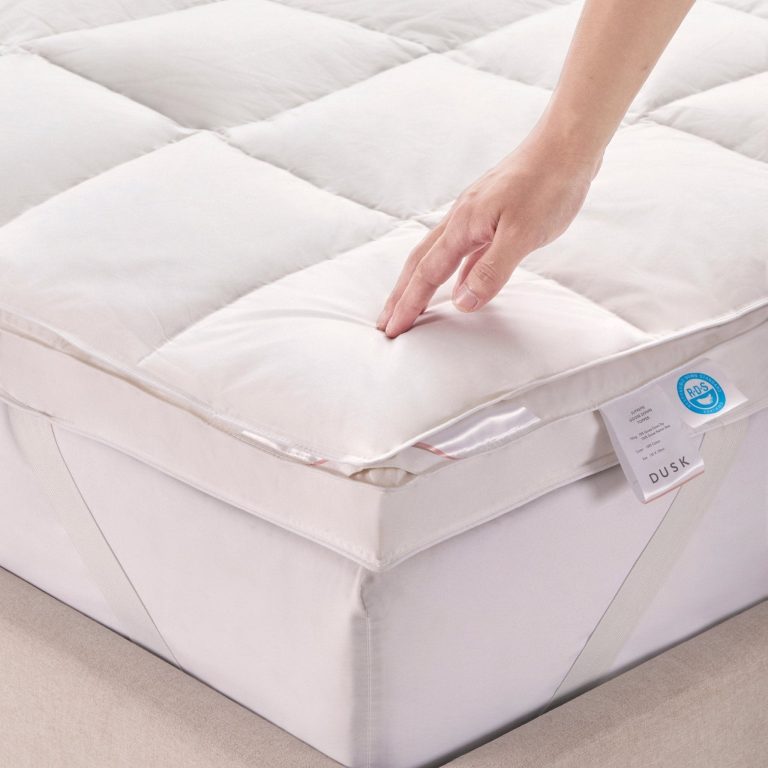
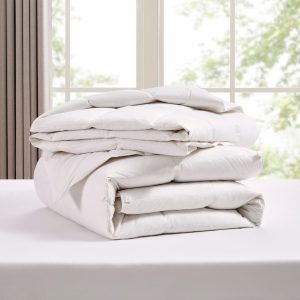
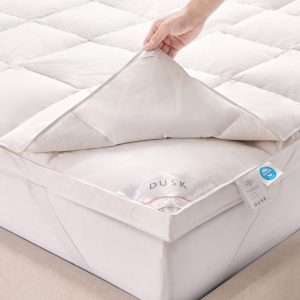
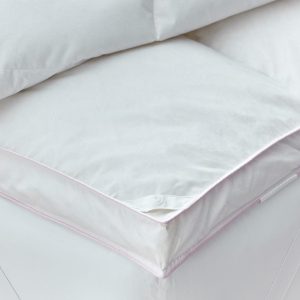
“Read the fill label before the product name, because 85% feather and 15% down is a feather topper whatever the packaging calls it. If you want the softness of down without sinking through to the mattress, a dual-layer topper with a feather base does that job better than one thick layer.”
Read the fill ratio before the product name
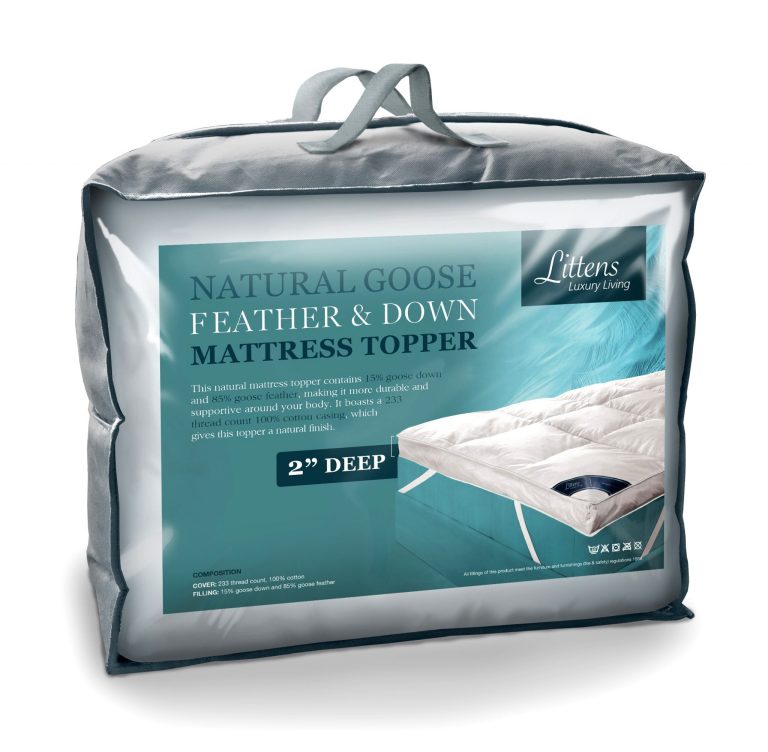
The label percentages decide how a feather topper feels. Under EN 12934, the European standard for labelling down and feather fillings, the down and feather shares are stated as percentages by weight, rounded to groups of 10% with the larger share first. The one exception is the 85% feather and 15% down blend, which was sold as “half-down” in Germany and as “feather/down” under the British standard. A product needs 60% or more down before it can be advertised as a down product under EN 13186, according to the IDFL guide to European labelling standards. By that test the top layers of the Soak&Sleep, DUSK Supreme and Dorma toppers (70% down) and of The White Company topper (80% down) are down layers. The John Lewis dual layer has a 50/50 top, the Scooms and Littens toppers are 85/15, the Early’s of Witney is 90/10 and the Homescapes is 100% goose feather.
Words such as Hungarian and white carry less information than the percentages. The same EN 12934 guidance lists the colour and provenance of the fill as optional details that the standard does not define. The DUSK Luxury publishes no ratio at all, and DUSK gives only the top-tier share for the Supreme.
Dual layer, baffle box or cassette
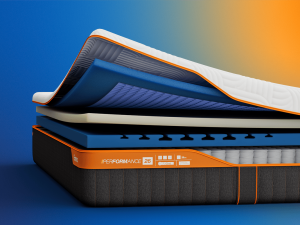
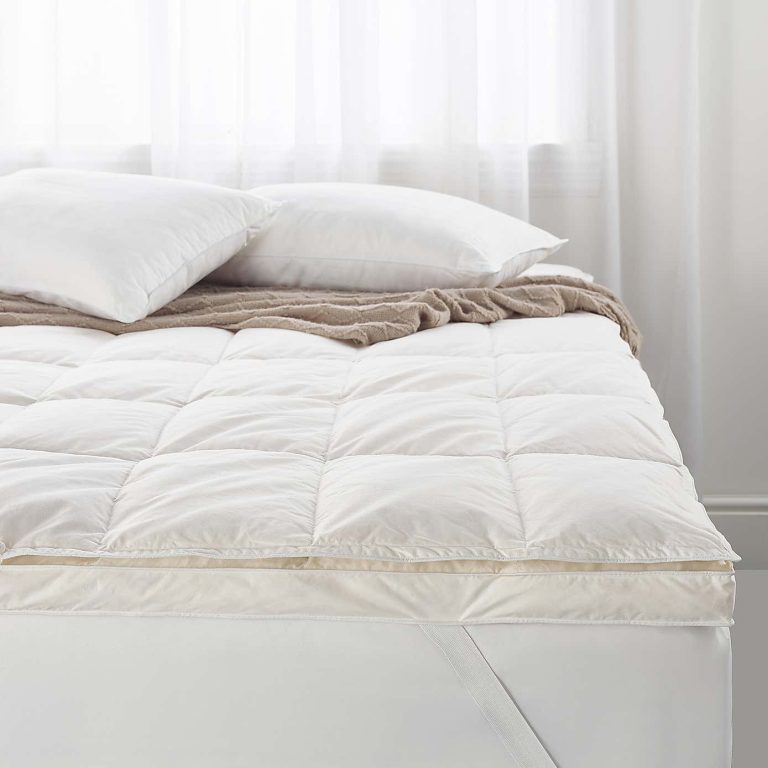
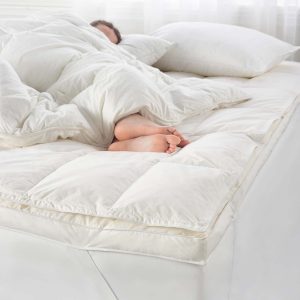
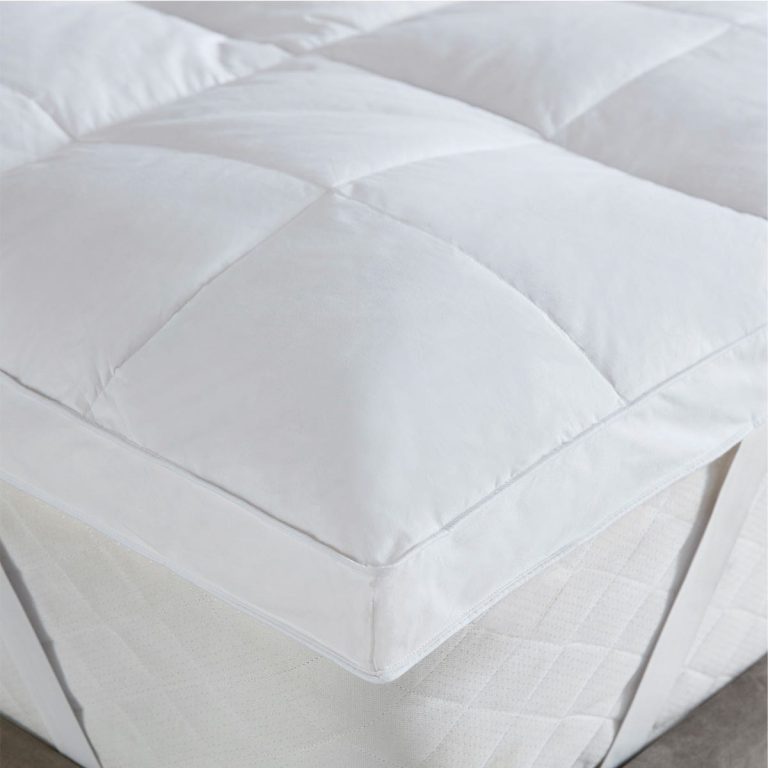
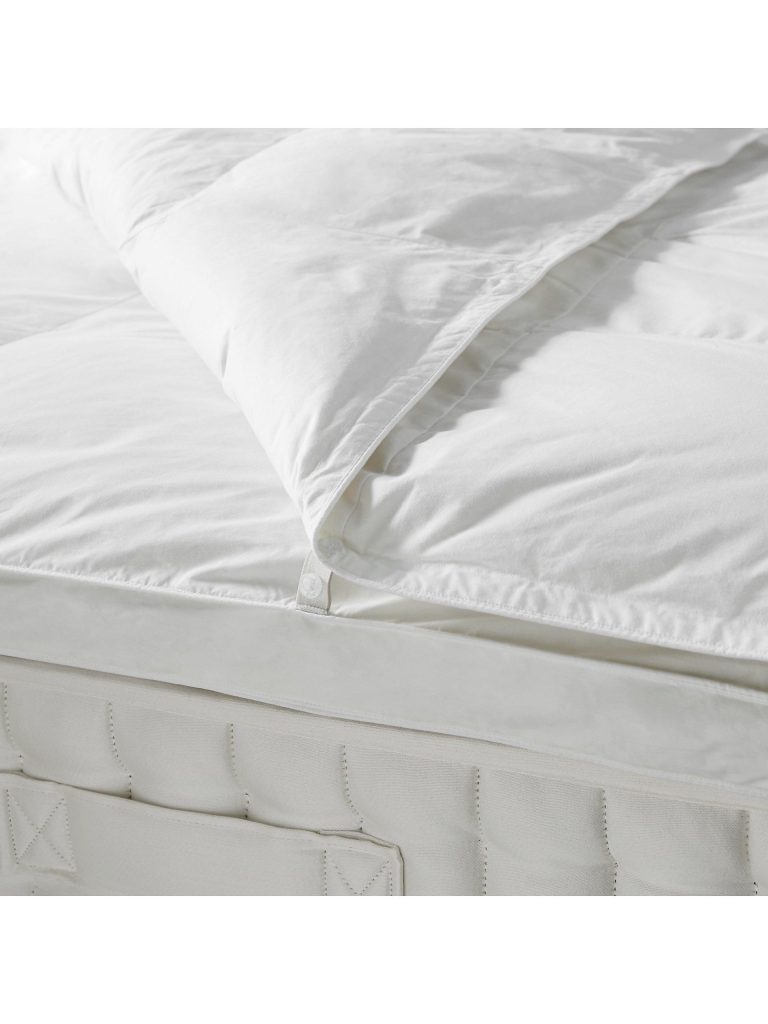
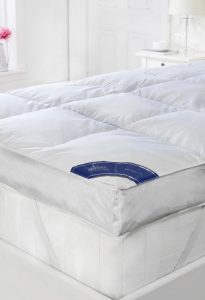
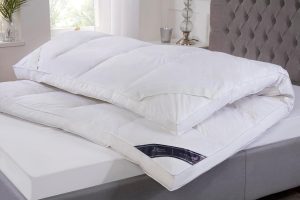
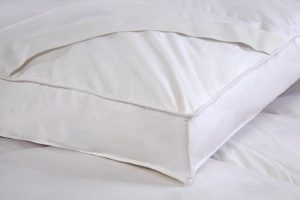
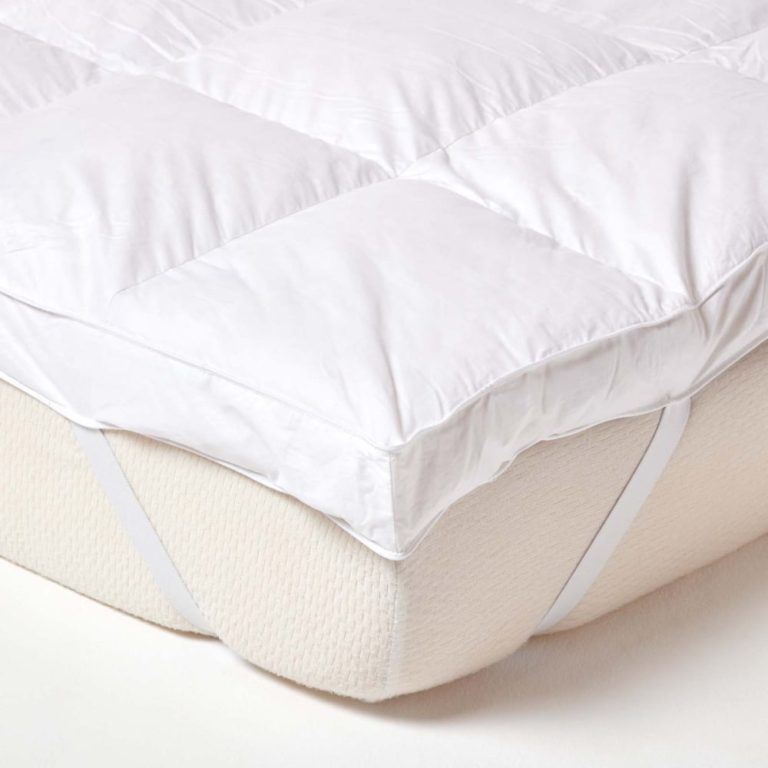
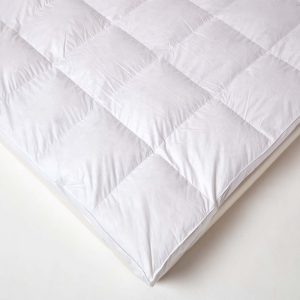
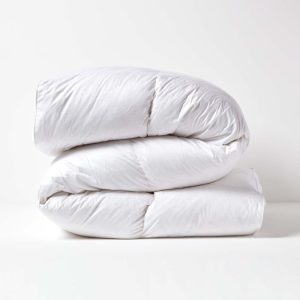
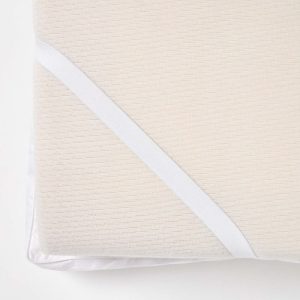
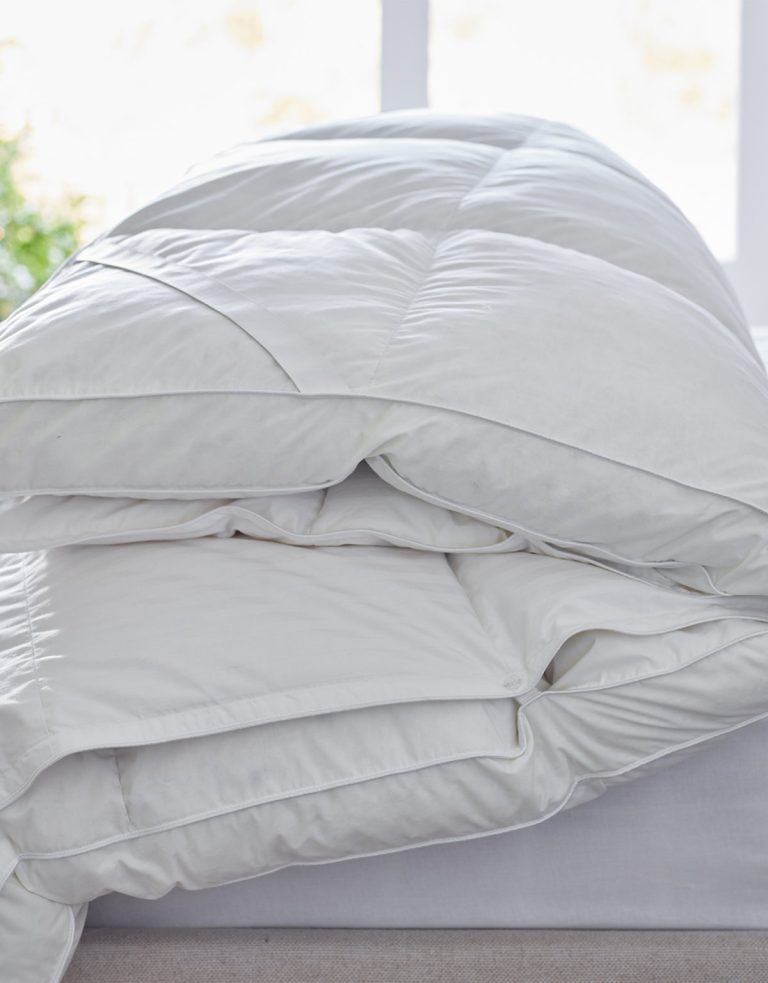
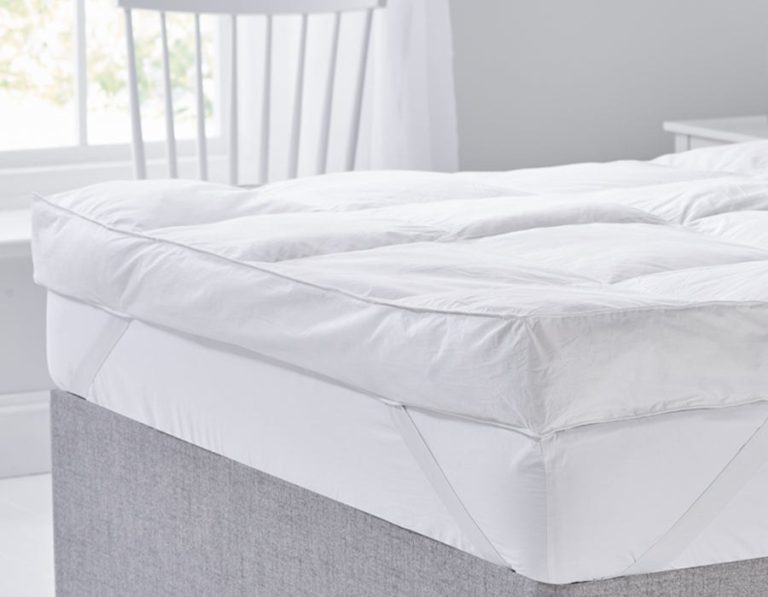
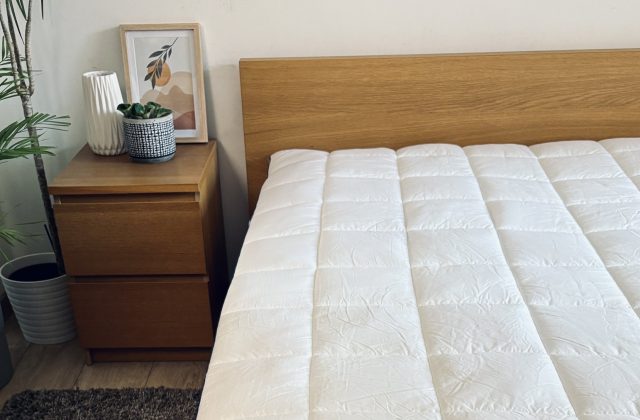
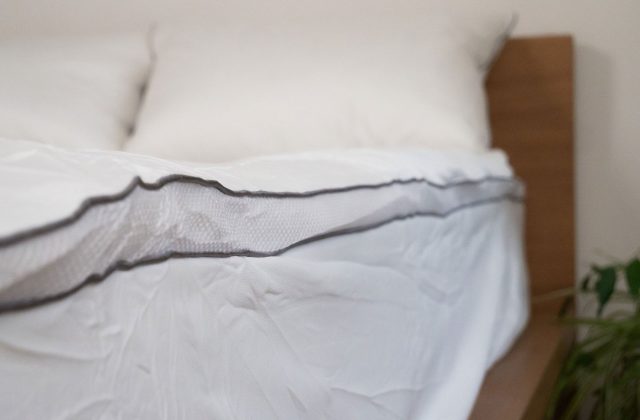
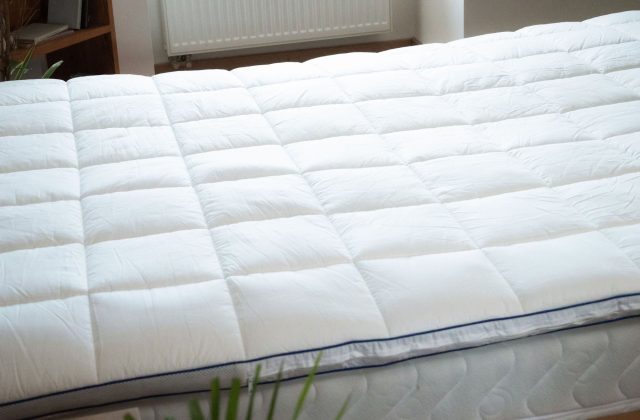
Construction decides whether a feather topper keeps its shape. A dual-layer topper puts a soft down layer over a base of 100% feather, which gives the down something firm to rest on, and the Soak&Sleep, DUSK Supreme, Dorma, John Lewis and The White Company toppers are built this way. Single-layer toppers rely on stitched compartments instead. Scooms sews its fill into 7.5cm baffle boxes, Homescapes and Littens use baffle walls, and Early’s of Witney uses cassettes. None of this removes the need to shake the topper every day or two, since feather and down flatten under your weight and only regain their loft when plumped.
Double prices at each merchant’s UK shop, checked 28 September 2026. The White Company double is 140x190, and the DUSK Supreme single was sold out.
Depth and what a topper cannot fix
Most feather toppers are 5cm to 7cm deep, and Bed Advice UK, the consumer site of the National Bed Federation, suggests at least 5cm because anything thinner is unlikely to make a noticeable difference. The same guide sums up the material in one line, “Feather and down toppers are luxuriously soft and breathable but tend to be more expensive.” At 5in (13cm), the Early’s of Witney topper is the only featherbed-depth pick here, and The White Company topper is next at 9cm. Extra depth adds softness rather than support, and Bed Advice UK warns that a topper on a mattress with deep dips will quickly mould to those same dips. If your mattress sags, replace it first.
Allergies and dust mites
If you are allergic to feathers, choose a synthetic topper, such as one from our memory foam topper ranking. For allergic rhinitis in general, the NHS advises you to “use synthetic bedding and covers, and wash bedding regularly at 60C and above”. The research on dust mites is less one-sided. In a 1999 study in Clinical & Experimental Allergy, Rains and colleagues placed new synthetic and new feather pillows on 12 beds, and after 12 months the synthetic pillows held 19.28 µg/g of the mite allergen Der p 1 against 6.45 µg/g for feather. A 1995 Sheffield study in the BMJ by Strachan and Carey linked non-feather bedding with severe wheeze in teenagers, with an odds ratio of 2.78 for foam pillows. Both studies looked at pillows rather than toppers, and the BMJ authors could not rule out that allergic families had already removed their feather bedding. None of the ten product pages states a 60°C wash for the whole topper, so if dust mites trouble you, put a washable protector over it (our best mattress protectors ranking covers them) or look at the Scooms, which lists the NOMITE mark.
Down welfare
The Responsible Down Standard from Textile Exchange prohibits live plucking and force-feeding, and a third-party certification body audits each stage of the supply chain from the farm onwards. Scooms, Homescapes, Early’s of Witney, John Lewis and the DUSK Supreme name RDS on their product pages, and Scooms and Homescapes also list OEKO-TEX Standard 100. Littens and The White Company name no down standard at all.
Which feather topper for which buyer
For foam, wool and sprung toppers, see our best mattress toppers ranking, and the double and king size topper pages compare every material in those sizes. The Dunelm and Silentnight topper pages cover each brand’s full range.