“Read the weight rating before the firmness number. A maker that states a figure per sleeper has told you what the mattress is built to carry, and one that stays silent leaves the guessing to you.”
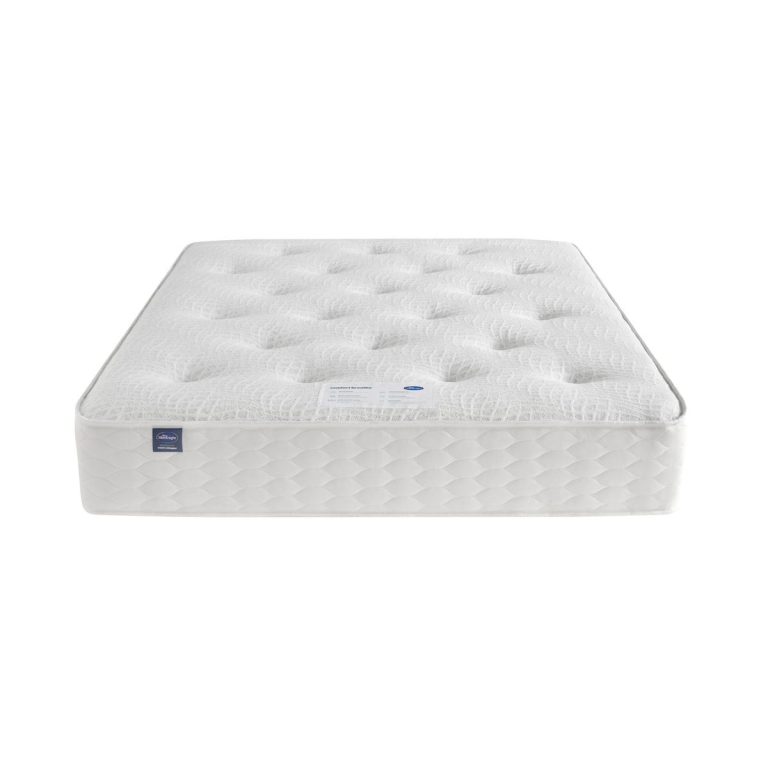
Choosing a mattress for a heavier body comes down to four checks, in this order. Does the weight rating cover you, does the firmness suit the way you sleep, are the springs and edges built for the load, and is the guarantee long enough to cover the extra wear? The table sets the eight picks against each of them.
What counts as heavy for a mattress
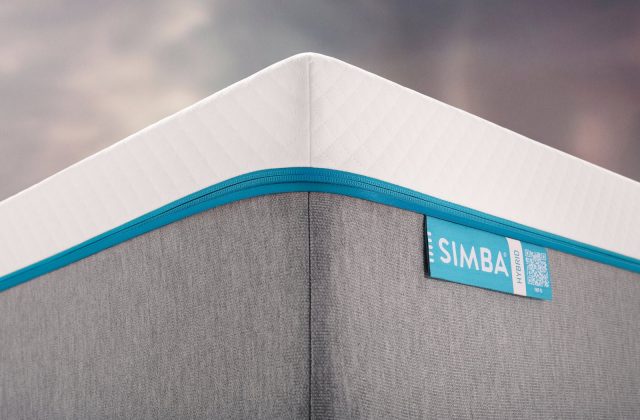
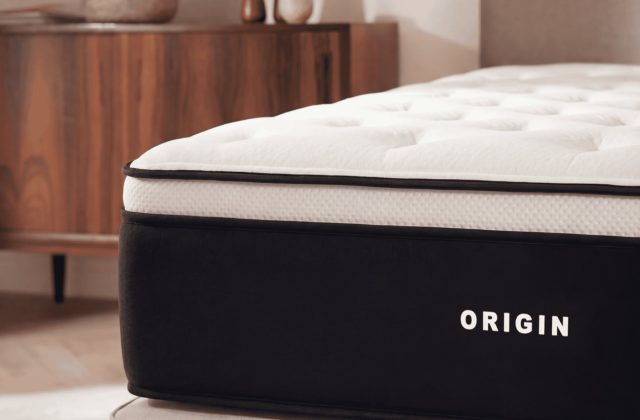
UK makers start to treat a sleeper as heavy at about 15 stone (95kg). OTTY recommends its Extra Firm Hybrid for “people over 15 stone / 95kg”, and Simba’s mattress guarantee excludes use by anyone weighing more than 18 stone (114kg). That describes a large share of British adults. The House of Commons Library reports that 30% of adults in England are obese and a further 36% are overweight, with obesity defined by the NHS as a BMI of 30 or more. Ratings apply per sleeper or per side, so a couple should check each person against the figure rather than their combined weight.
Firm or medium-firm
Heavier sleepers generally need more firmness than lighter ones. “Firmer mattresses offer better support for heavier bodies,” Carlos E Cobiella, a consultant sports surgeon at The Shoulder Practice in London, told Expert Reviews. “These mattresses tend to distribute weight more evenly and prevent the body from sinking too deeply into the mattress.”
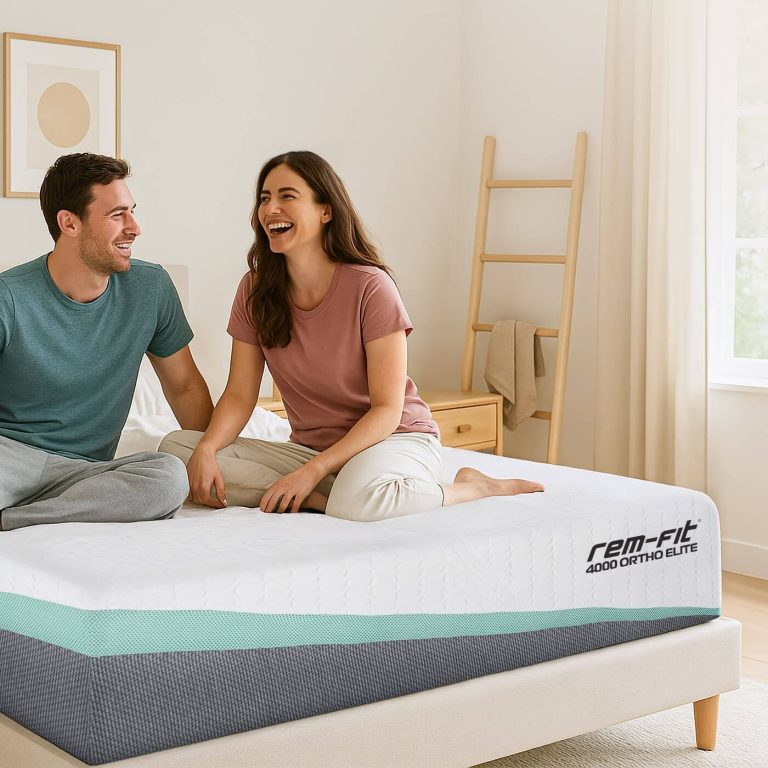
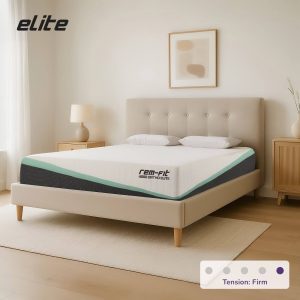
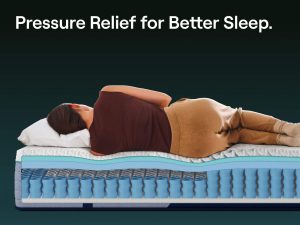
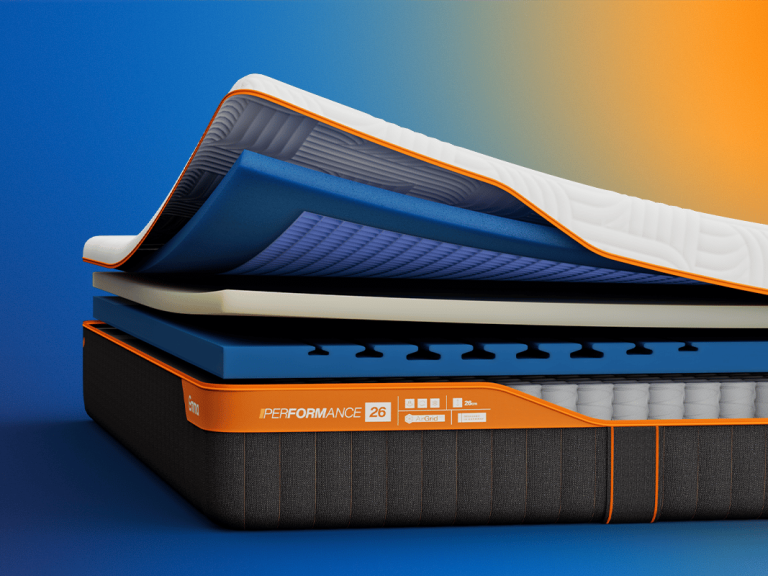
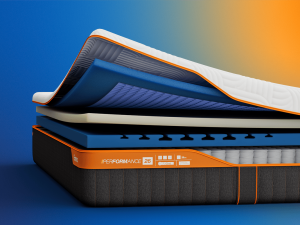
Back pain is the exception to keep in mind. In a 2003 trial of 313 adults with chronic low-back pain published in The Lancet, Kovacs and colleagues found that people given medium-firm mattresses (5.6 on the European H(s) scale, where 1 is firmest) had better outcomes for pain in bed after 90 days than those given firm ones (2.3), with an odds ratio of 2.36. That trial did not select people by weight. Direct evidence for heavier sleepers is thin. A 2024 laboratory study in Sensors (Hu et al.) measured back-muscle activity in 11 students, all in the healthy BMI range, and found those with a higher BMI and waist size more relaxed on the firm mattress; it also cites work by Shore, Richards and Chohan linking higher body weight with better spinal alignment on firmer mattresses. In practice, that points back and front sleepers over 15 stone to a firm hybrid such as the OTTY Extra Firm or the REM-Fit 4000 Ortho Elite, both also ranked in our firm and orthopaedic mattress comparisons. Side sleepers and anyone with back pain should lean towards medium-firm with deeper comfort layers, like the Simba Hybrid Pro, or with deeper support layers, like the Emma Performance in its 30cm height, and our mattresses for back pain comparison covers that group in detail.
Springs, edges and the base underneath
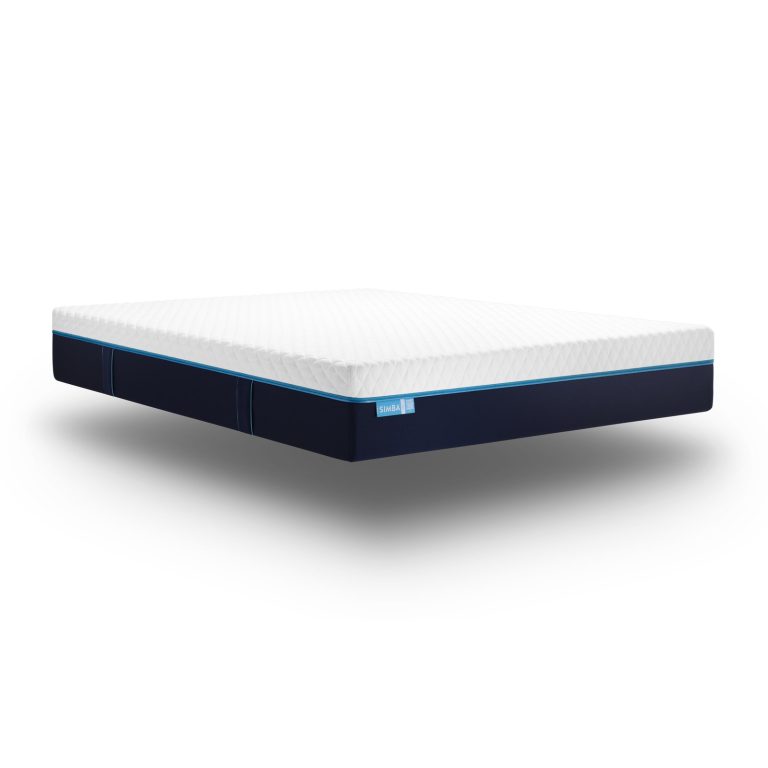
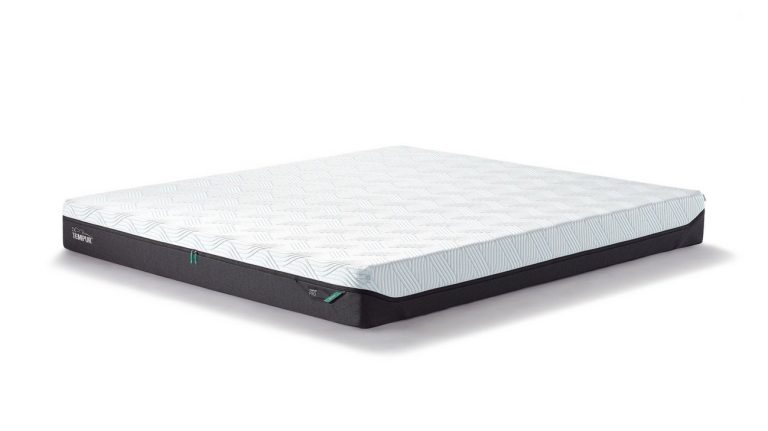
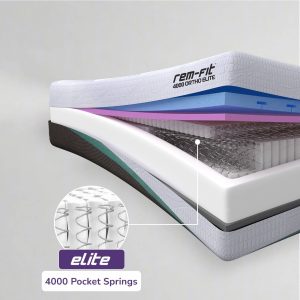
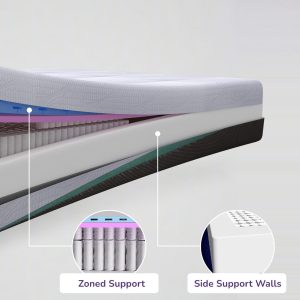
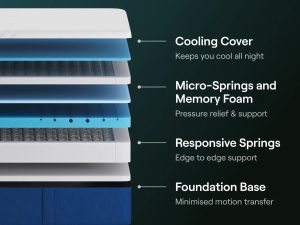
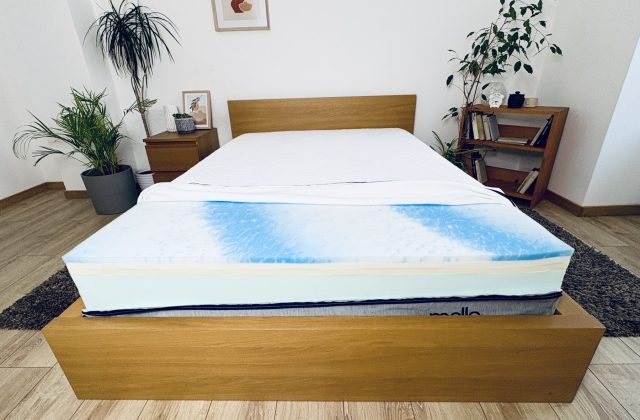
How the springs are built tells you more than the headline count. OTTY uses larger, thicker pocket springs in the Extra Firm, REM-Fit stacks 2,000 pocket springs of 12.5cm over 2,000 mini springs of 2.5cm, and Simba puts up to 1,000 tempered steel springs in the base of the Hybrid Pro for edge-to-edge support. Nectar fits thicker-gauge coils around the edge of the Premier Hybrid to make getting in and out of bed easier. Edges matter more as weight goes up, because sitting on the side of the bed puts your whole weight on a narrow strip. Springs are not the only route, though, as the one all-foam pick, the TEMPUR PRO SmartCool, carries the highest stated capacity here.
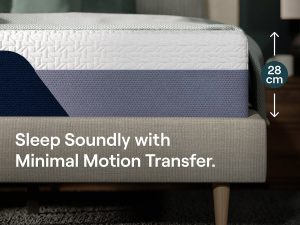
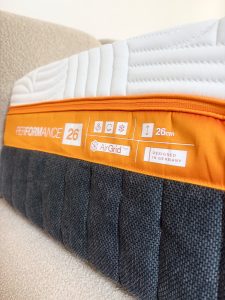
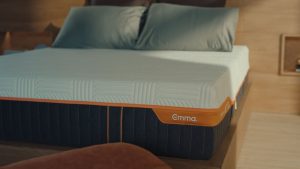
The base has to carry the load as well. Emma asks for slats no more than 7cm apart under its Performance mattresses and tells you to check that your frame can support the mattress itself, given its weight. The mattress adds to the load: the Nectar Premier Hybrid weighs 53.9kg in a super king and the REM-Fit 4000 Ortho Elite 38kg in a double, before anyone lies down.
Price, trial and guarantee
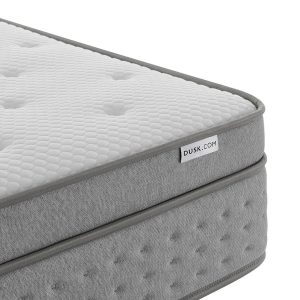
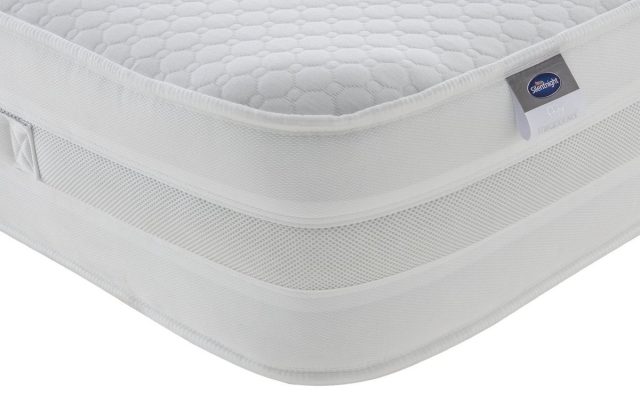
British buyers paid a mean of £543 for a mattress in the National Bed Federation’s 18th Consumer Bed-Buying Survey, published in September 2026, and almost half spent less than £400. The same survey put the average age of a replaced mattress at 6.84 years. A heavier sleeper should not count on reaching that on a soft mattress, and Cobiella’s point to Expert Reviews was that “Heavier people may put more pressure on mattresses, causing them to wear out more quickly.” That makes the guarantee column in the table worth reading closely, from DUSK’s one year to REM-Fit’s 15, and so are the conditions, since Simba’s guarantee requires you to rotate the mattress monthly for the first three months and at least every three months after that. The two flippable picks, the OTTY Extra Firm and the Silentnight 1400 Pocket Ortho, spread wear across both faces. For more all-round choices, see our best mattresses guide.





 CertiPUR