
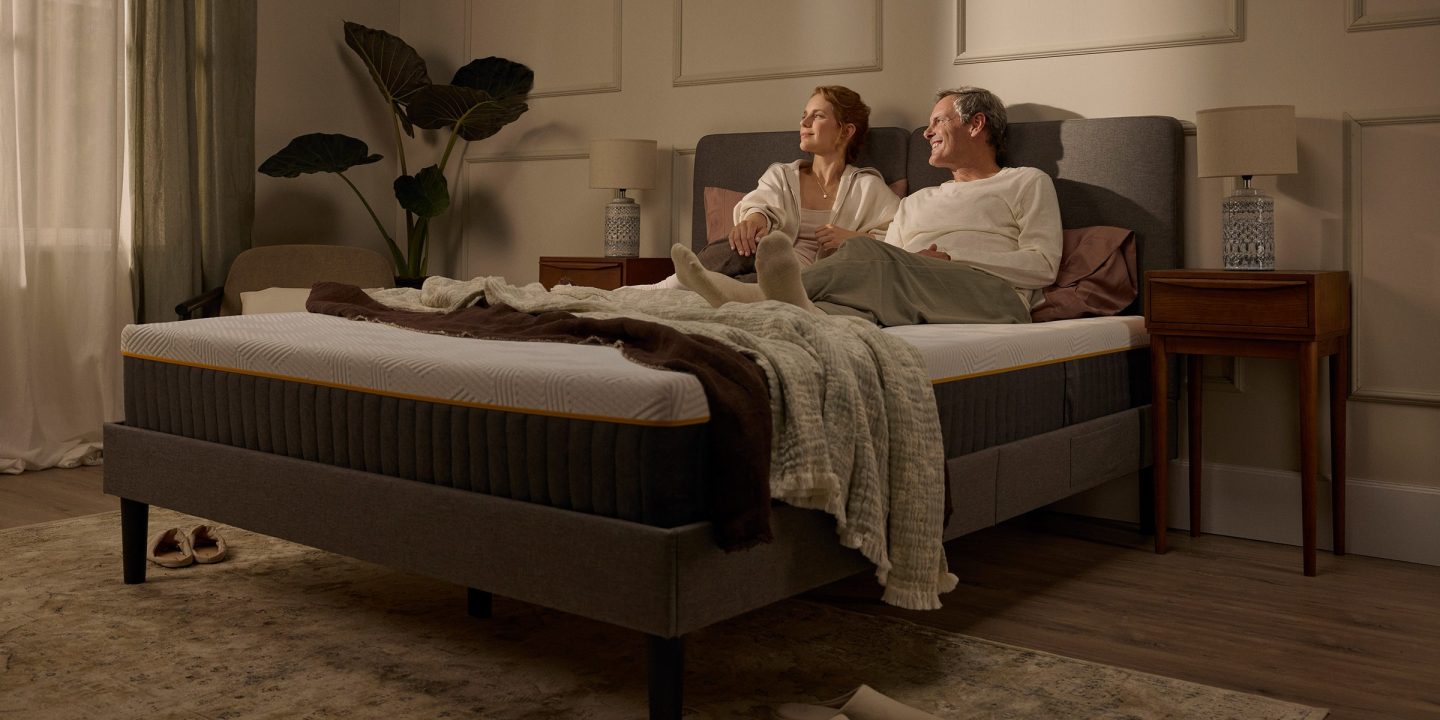
“On a double, width is the one thing you cannot change after delivery, so choose the construction that keeps your partner's turns on their own side of the bed. If the room and budget allow a king, those extra 15cm of width are worth more than any upgrade in foam.”
Is a double wide enough for two?
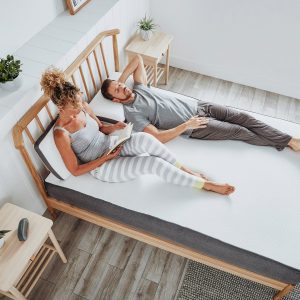
A double fits two adults, but with little to spare. The National Bed Federation’s UK size guide puts a standard double at 135 x 190cm and spells out what that leaves a couple:
“The majority of British couples still sleep in a standard double size bed which is only 135cm (4’6”) wide. This provides each user with just 67.5cm or about 2’3” of space each which is the same as we give a baby in a cot!”
The NBF’s showroom check is simple. Lie side by side on your backs with your hands behind your heads, and if your elbows touch, you need more width. The NBF also advises a mattress at least 10cm longer than the tallest sleeper, so anyone over 180cm (5ft11in) is better off on a 200cm king, ranked in our king size and super king comparisons.
Partner movement and the edges
On a shared double, movement is the main thing a mattress has to contain. In a study of 46 couples monitored for eight nights with wrist actimetry, Pankhurst and Horne (Sleep, 1994) found that about a third of sleep movements happened in both partners within the same 30-second window, and women reported being disturbed by their partner more often than men did. The Sleep Charity names partner disturbance as one of the top reasons people struggle to sleep well.
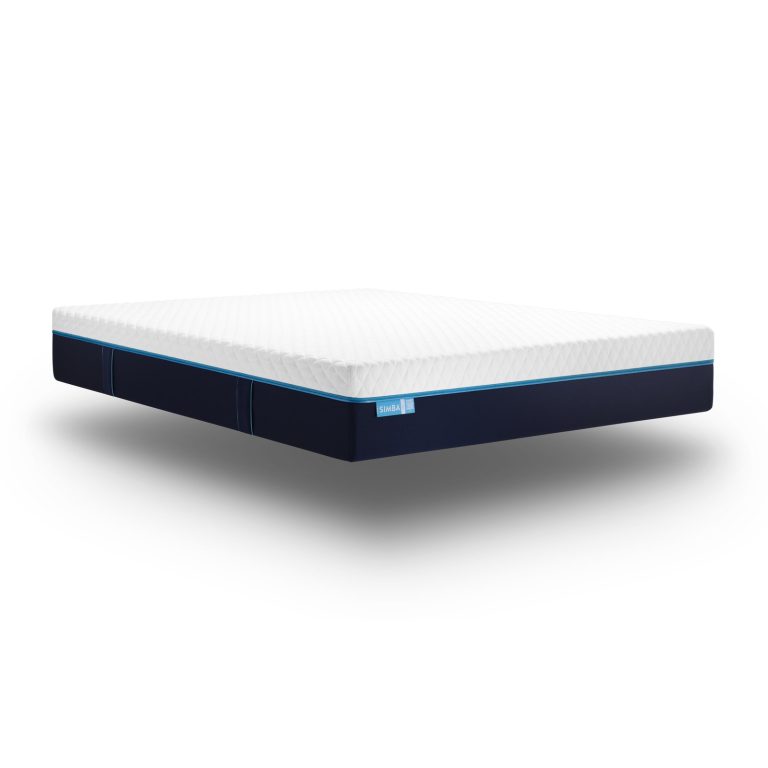
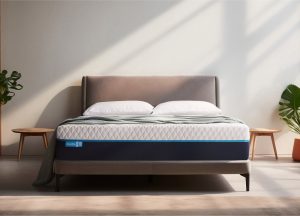
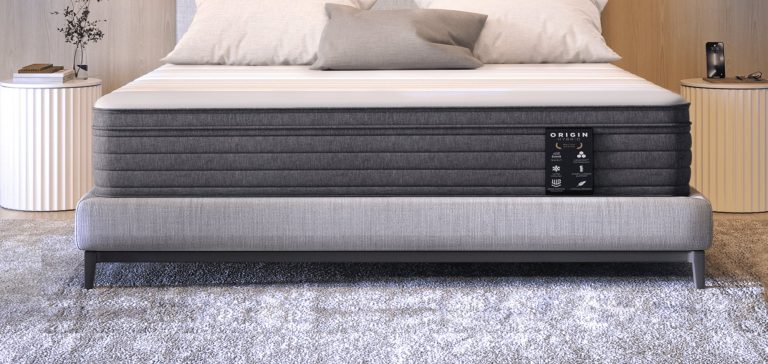
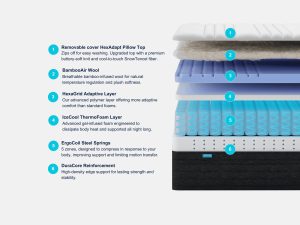
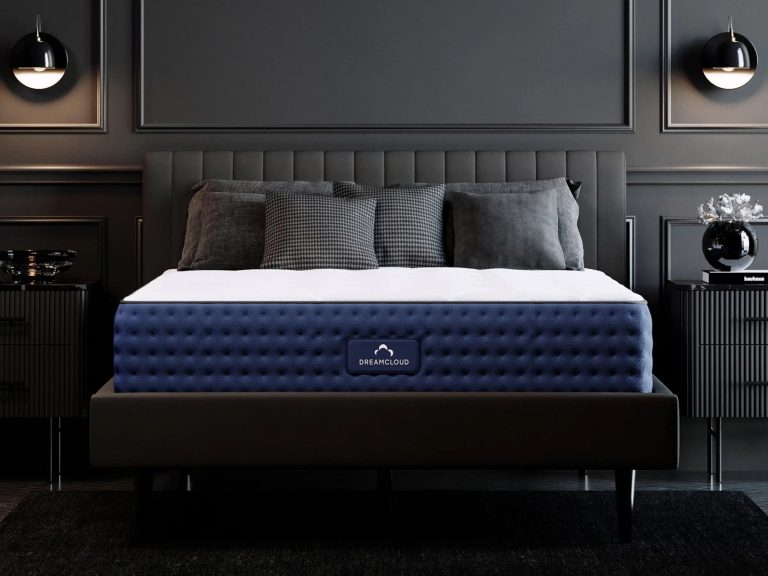
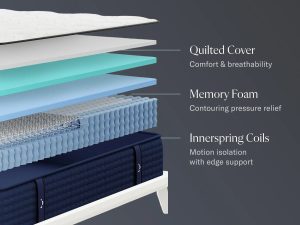
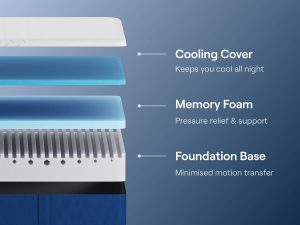
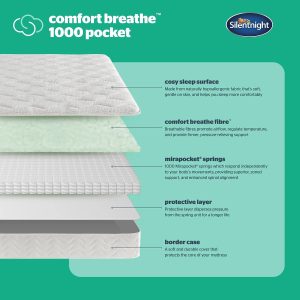
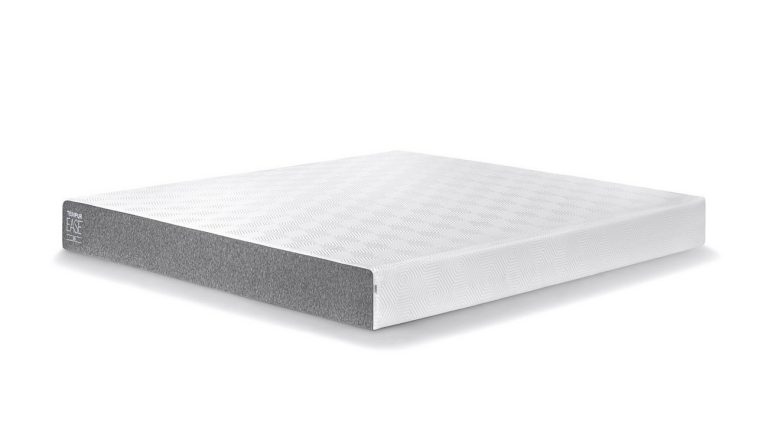
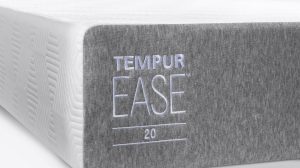
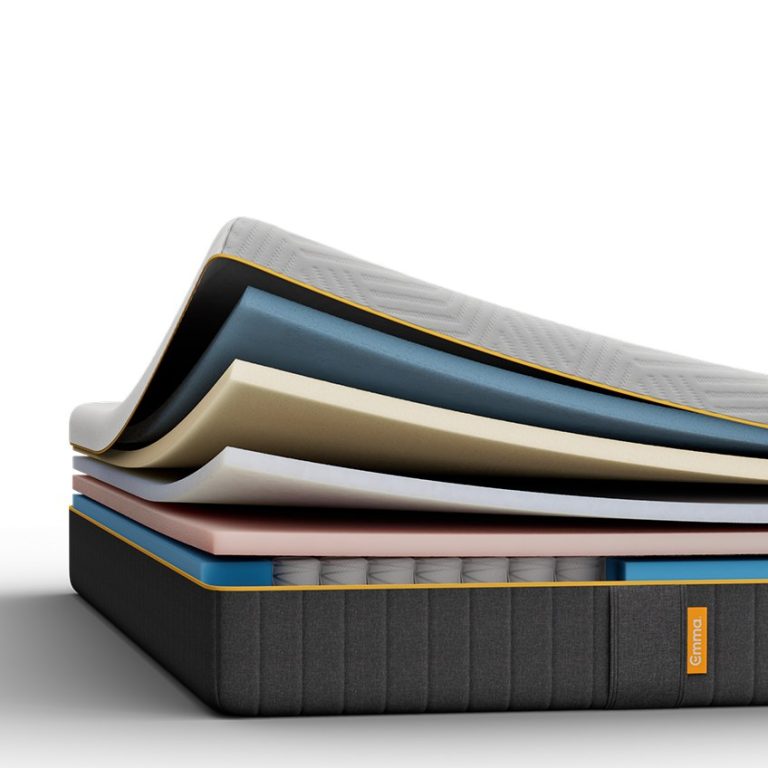
Pocket springs compress one by one, and eight of the ten doubles below are built on them. The Nectar Classic Memory Foam and the TEMPUR EASE 20 have no springs at all, so less bounce crosses the bed, at the cost of a slower feel when you turn over. With 67.5cm each nobody sleeps far from the side, which is why edges count. The DreamCloud Luxury Hybrid has a reinforced-edge spring unit, the Simba Hybrid Pro a steel SupportCore base, and the Emma Original Pro’s edge held when we sat on it in our test.
One firmness for two bodies
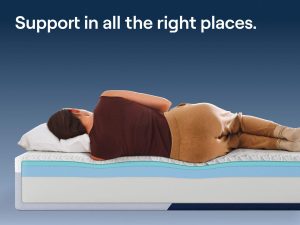
Medium-firm is the safest choice when two different people share one surface. In a randomised, double-blind trial of 313 adults with chronic low-back pain, reported in The Lancet by Kovacs and colleagues in 2003, the group given medium-firm mattresses did better after 90 days than the group on firm ones, with an odds ratio of 2.36 for pain in bed and 2.10 for disability. A 2015 systematic review of 24 controlled trials in Sleep Health (Radwan and colleagues) came to a similar view, rating a medium-firm mattress that is custom inflated to the sleeper as optimal for comfort, sleep quality and spinal alignment.
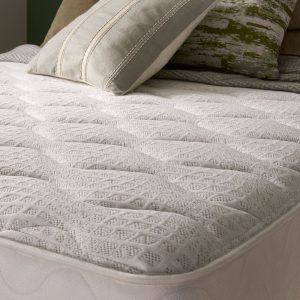

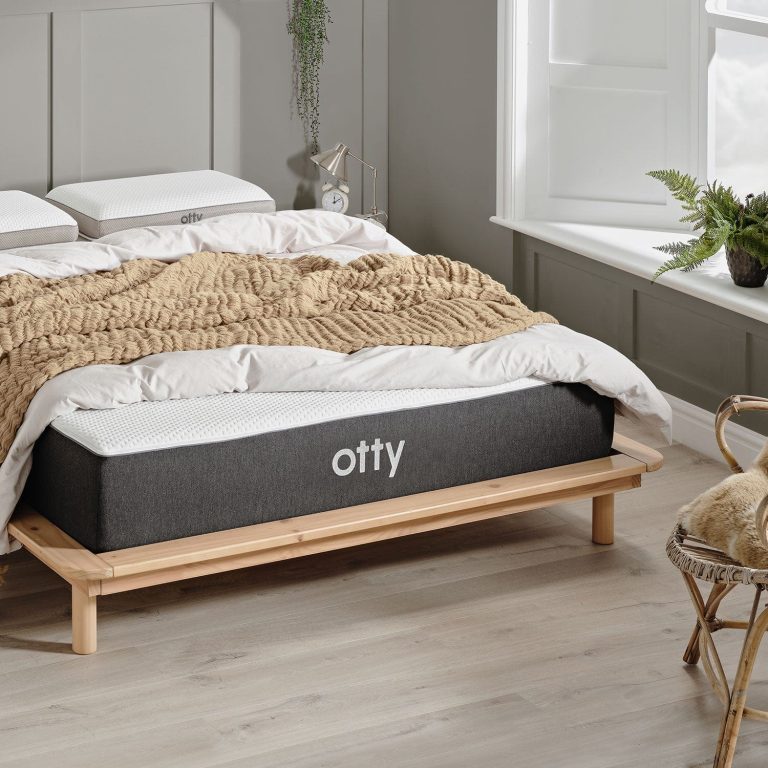
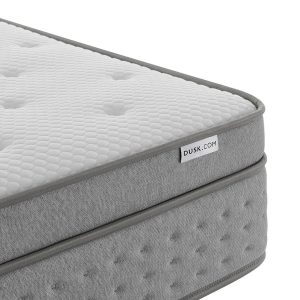
Every double here is sold as medium or medium-firm, but the makers’ scales differ. OTTY rates its hybrid 7 out of 10, Origin 6 to 7, Nectar 6.5 and DreamCloud 6, DUSK calls the 4000 medium to firm, and Emma rates the Original Pro 3 (medium) out of 5, although it felt firmer than that in our own test. If one partner is much heavier or wants a harder bed, the Soak&Sleep Wool 2000 comes in Firm for the same double price as its Medium/Firm version.
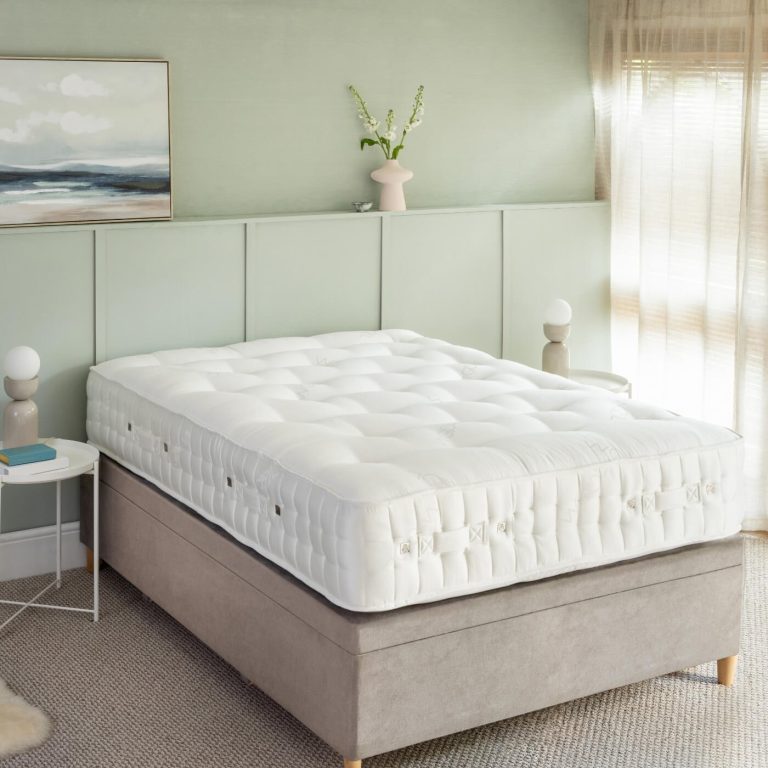
Depth, bedding and delivery
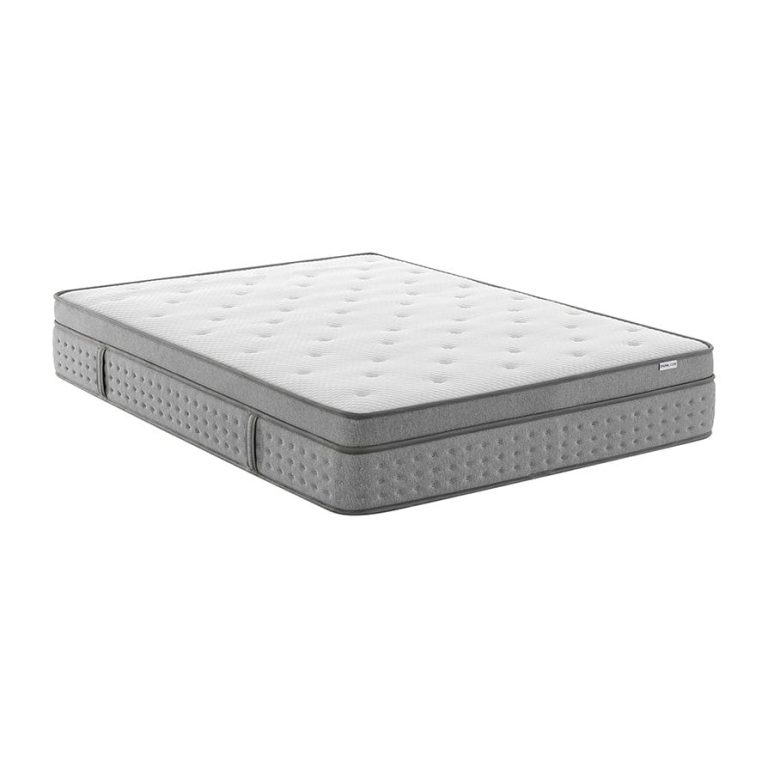
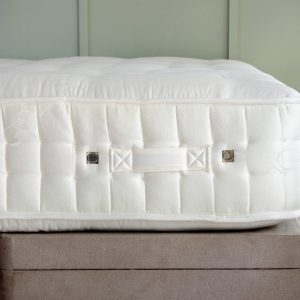
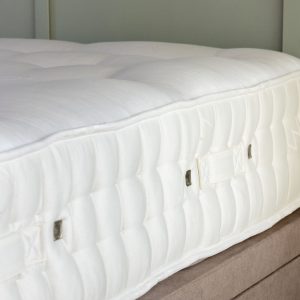
Depth in this ranking runs from 20cm on the TEMPUR EASE 20 to 31cm on the DUSK Memory Foam 4000, and anything from 28cm up needs fitted sheets with deep pockets. TEMPUR delivers the EASE 20 the next working day, Silentnight makes the Comfort Breathe to order within 14 days, and Soak&Sleep quotes four to seven weeks.
Trial, guarantee and cost per night
Trials run from Silentnight’s 60-night comfort exchange to 365 nights at Nectar and DreamCloud. Guarantees run from one year on the DUSK Memory Foam 4000 to 15 years at Origin and the lifetime Forever Warranty at Nectar and DreamCloud, so on the DUSK the 100-night trial is the real safeguard. For one sleeper see our single mattress ranking, and for every size our best mattresses ranking.