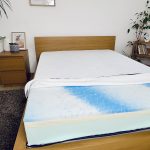
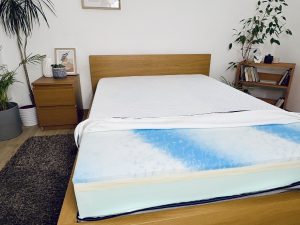
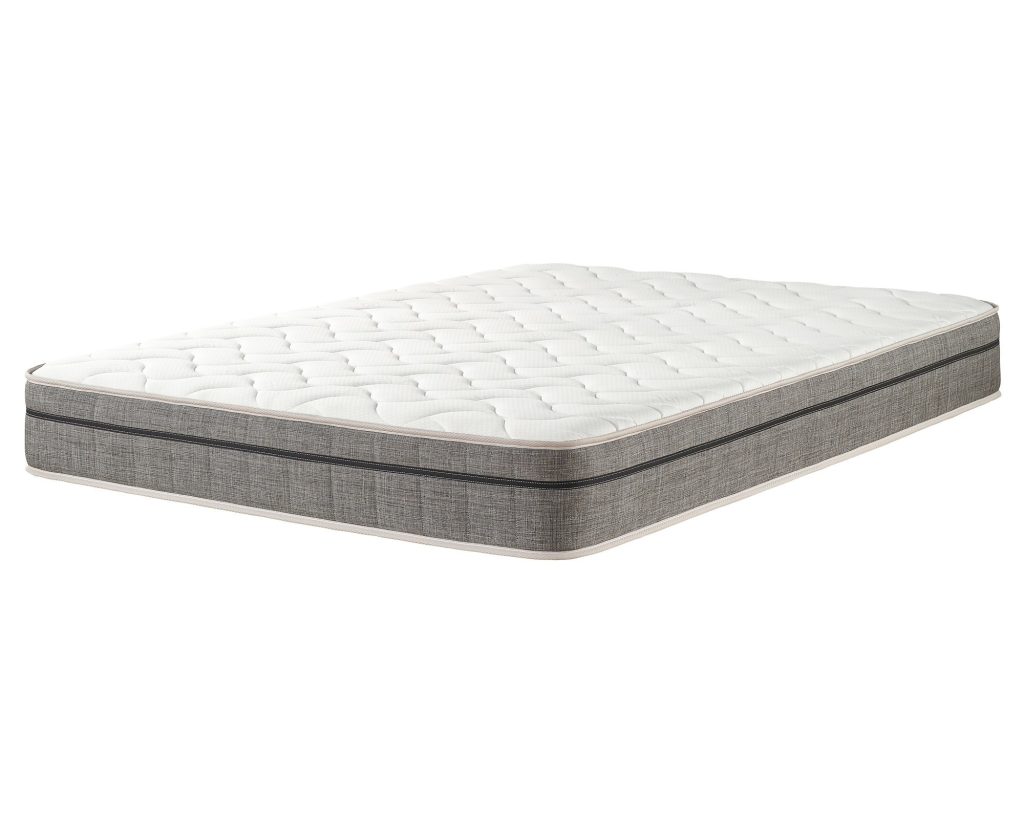
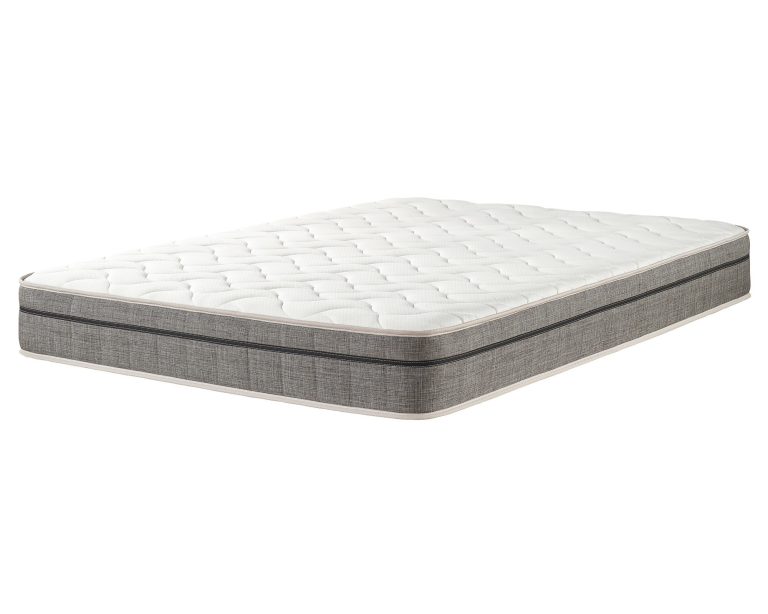
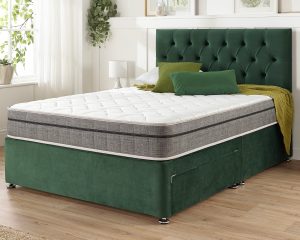
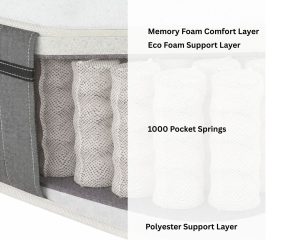
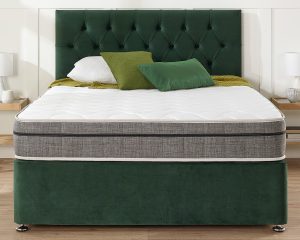
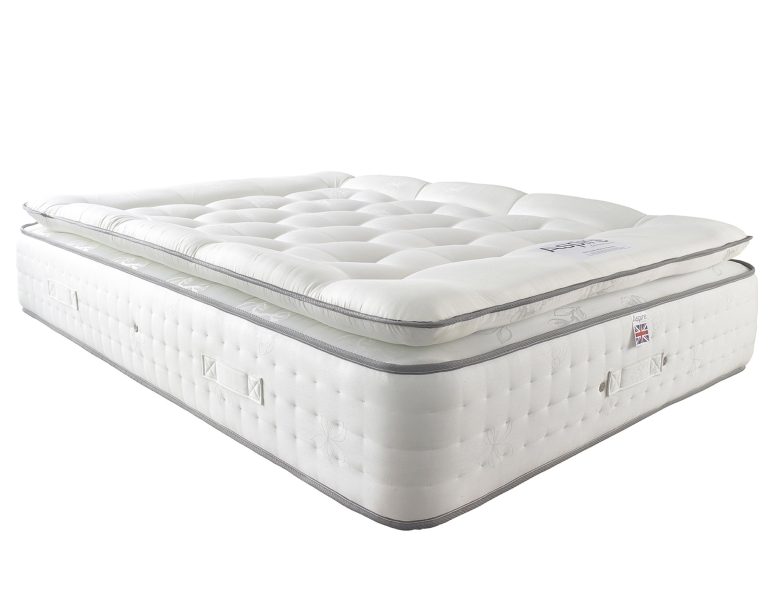
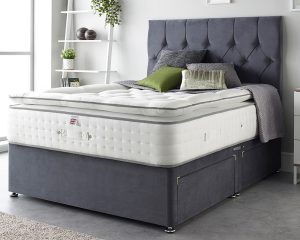
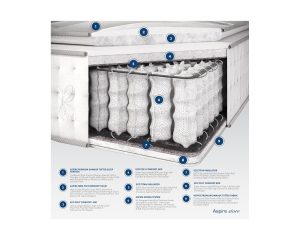
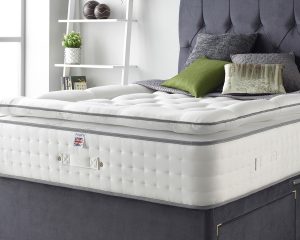
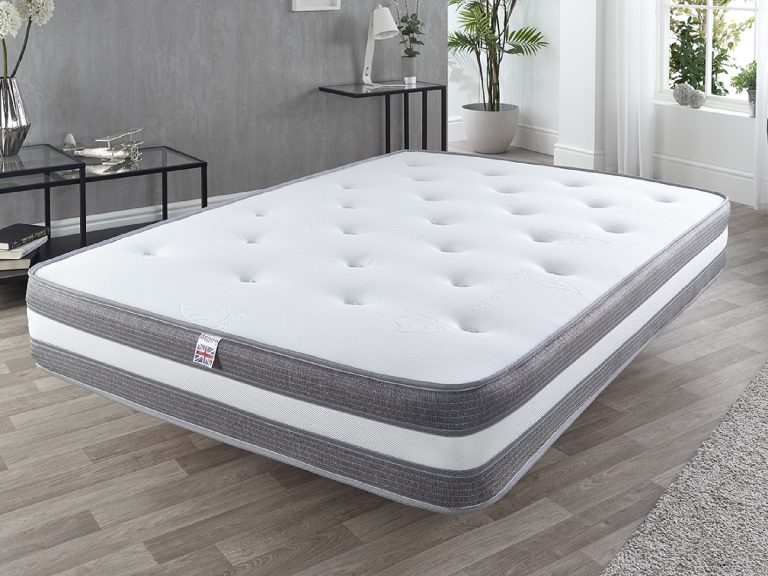
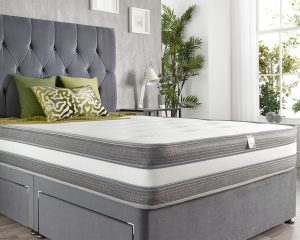
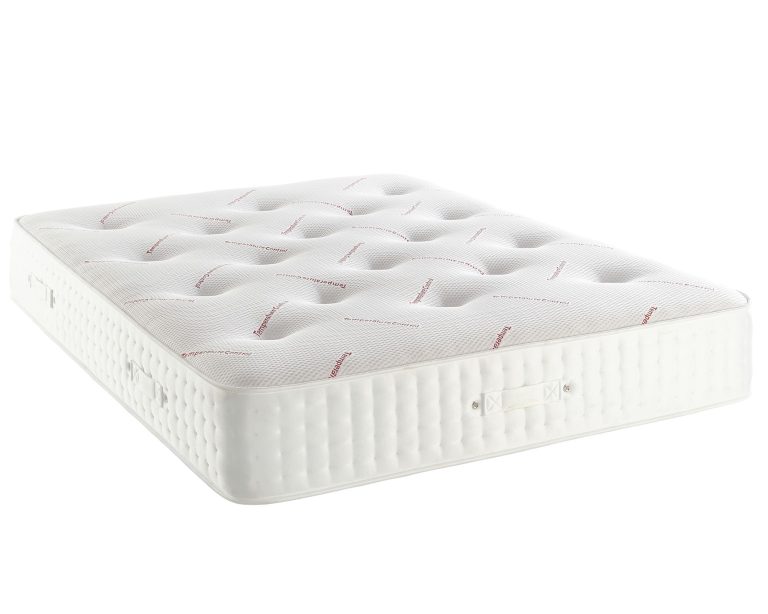
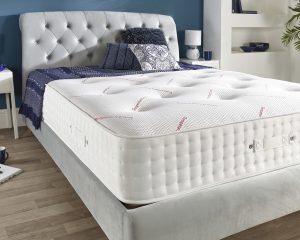
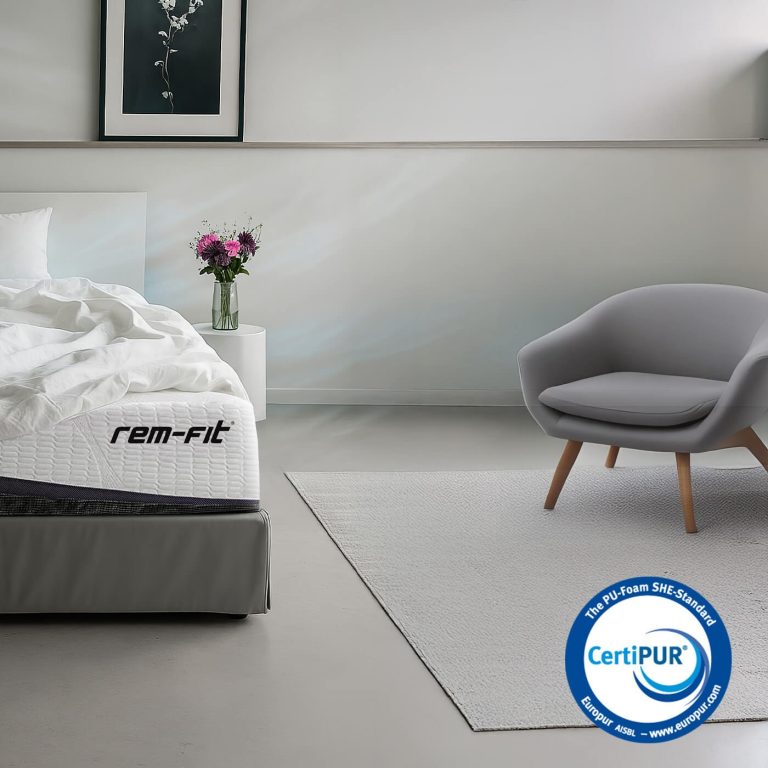
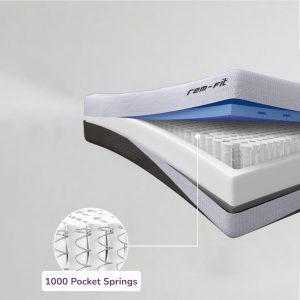
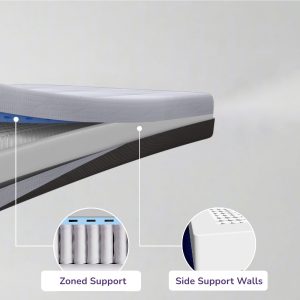
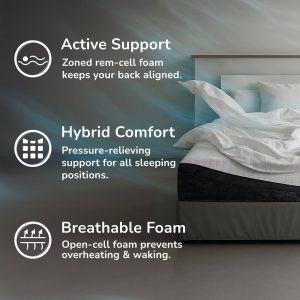
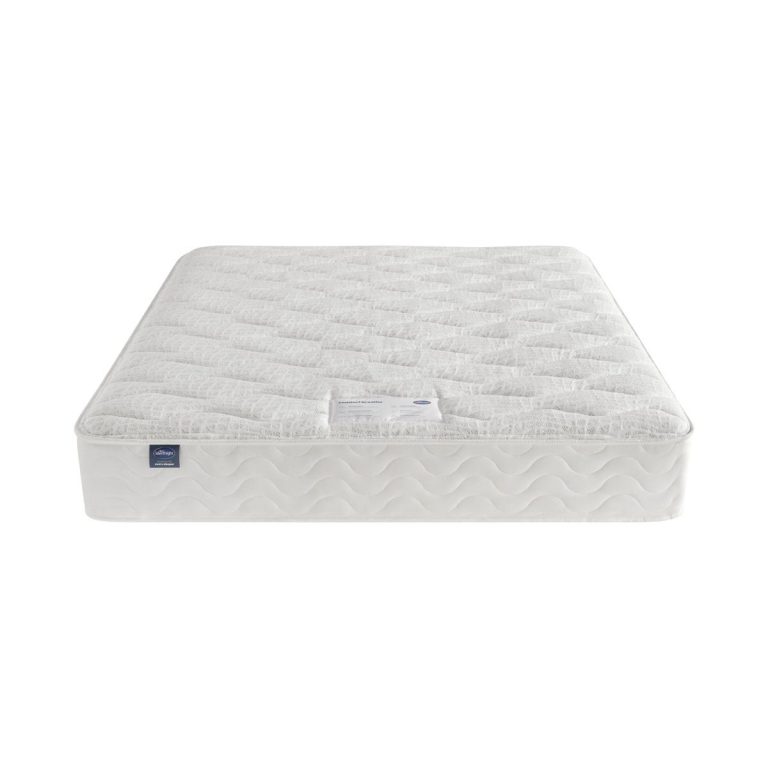
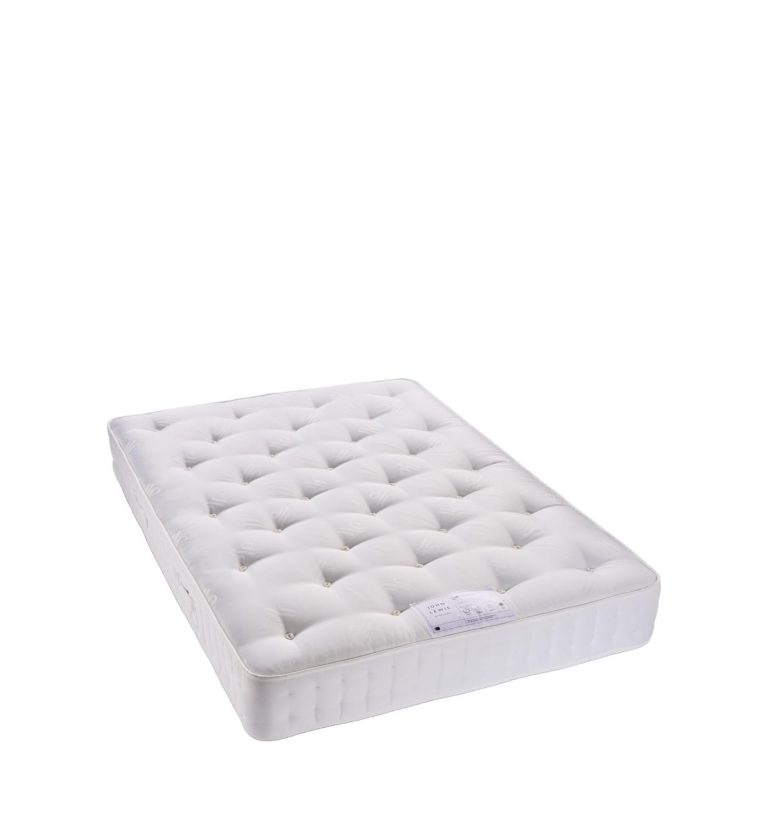
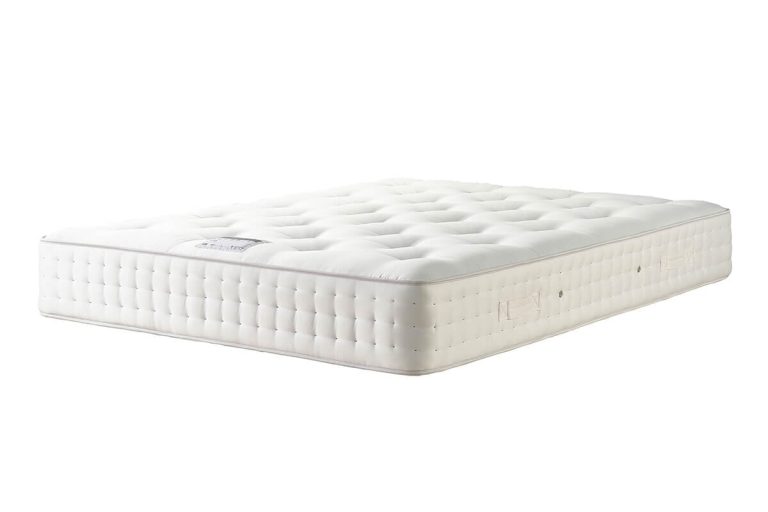
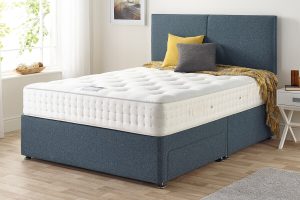
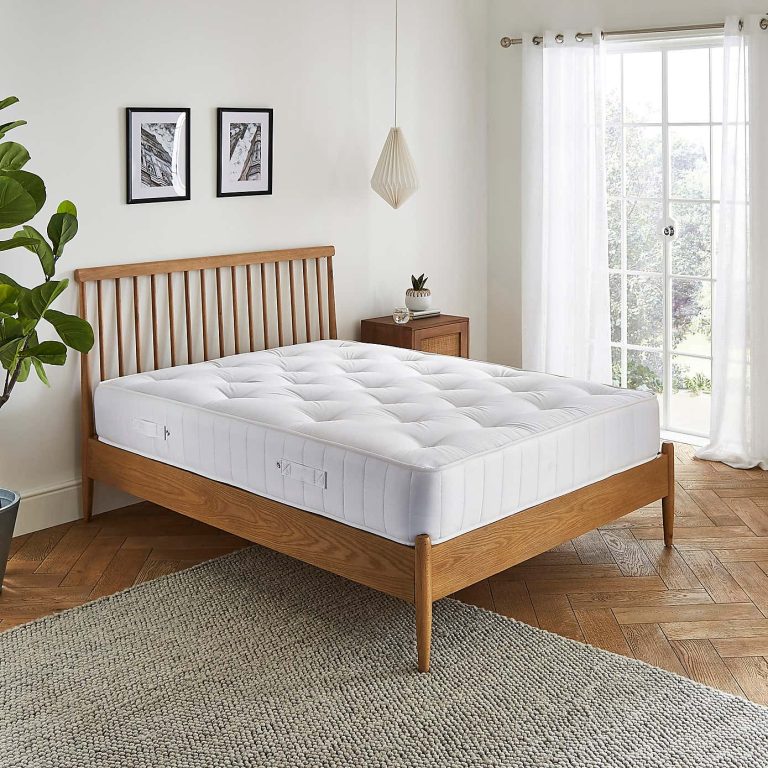
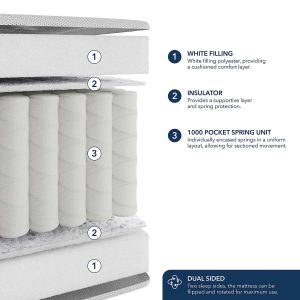
“The Aspire Pocket+ 1000 Memory is the one we would start with, a comfortable medium feel over pocket springs at the lowest double price here, and it suits most sleepers very well. If you sleep warm or prefer a firmer feel, the wool and cashmere of the Aspire Cashmere 1000 Pocket Tufted is a lovely alternative.”
How many springs your size really holds
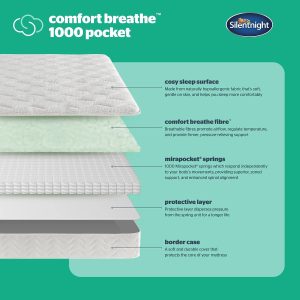
The 1,000 on the label is often the count for a king. You can see this on the Silentnight Comfort Breathe 1000 page, where listed counts “are based on a king size mattress (measuring 5ft x 6ft 6in /150cm x 200cm)” and “will alter on a pro-rata basis dependent on mattress size”. Worked through the UK sizes, that gives the figures below.
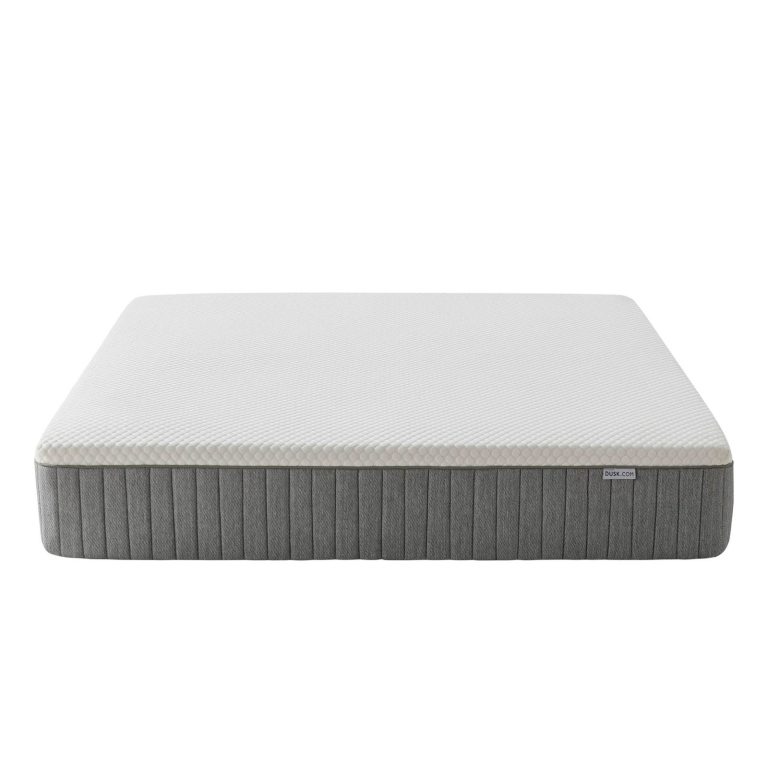
The figures are our calculation from the area of each size, and the double comes within three springs of the 858 John Lewis publishes for its own 1000 double. Aspire quotes “up to 1,000” per mattress without naming a size, and REM-Fit, DUSK and Fogarty give one total with no size, so check the size before you compare two labels.
What sits over the springs
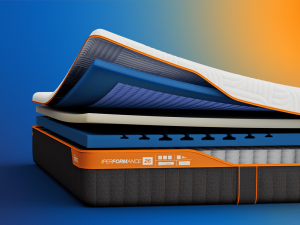
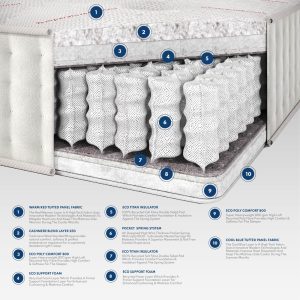
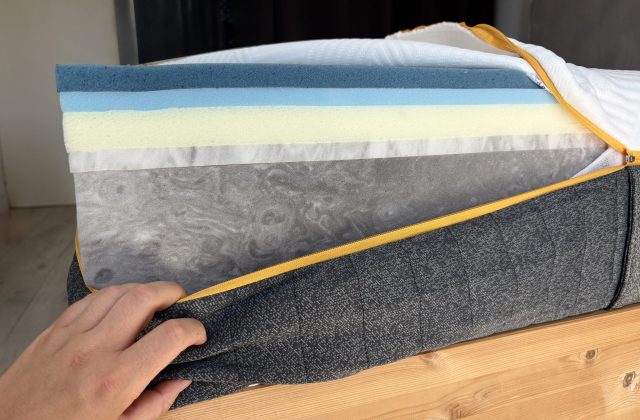
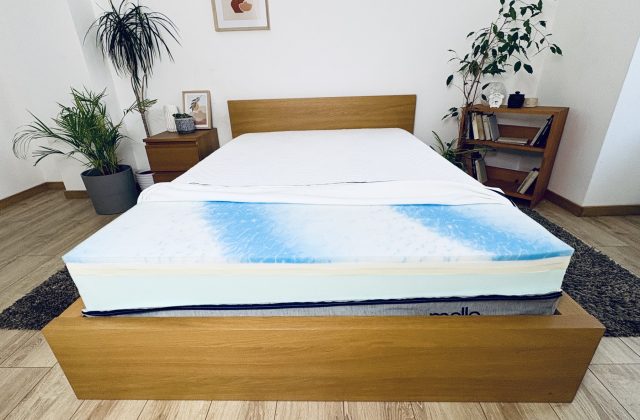
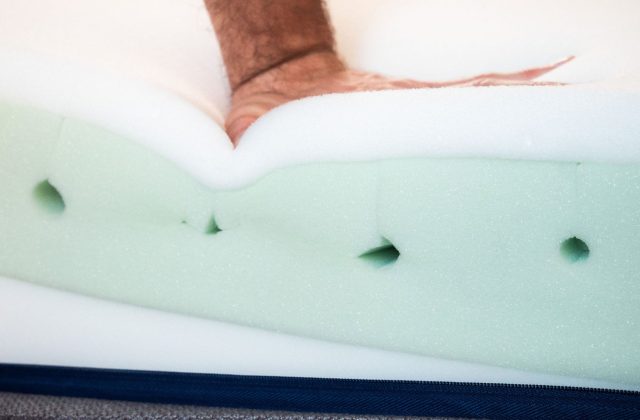
Two mattresses with the same 1,000 springs can feel nothing alike, because the comfort layer does most of the work you notice. Memory foam moulds to shoulders and hips but holds more heat. Wool, cashmere and fibre breathe better and feel firmer at first, and a plush foam top is the softest of all. Our ranked picks side by side:
Depth follows the comfort layer. Most picks sit between 22 and 25cm and take standard fitted sheets, while a 30cm pillowtop needs deep ones.
1000 or 2000 pocket springs, and when to step up
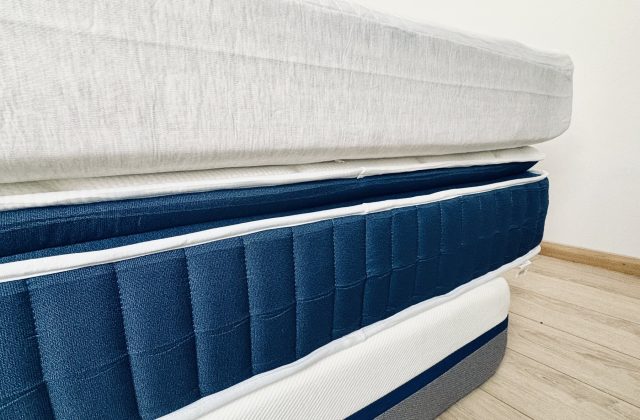
For most adults a 1000 is enough. The National Bed Federation (NBF), the trade body for UK bed makers, says in its buying guide that pocket spring counts “typically vary from 600-800 up to 2,500, but can go up to 3 or even 4,000”, and that “mini springs can also be stacked together to form a very soft, high spring count mattress core”. That is how most makers reach 2,000 and beyond, with smaller springs in one layer or a layer of micro springs over the main unit, which makes the surface plusher and deeper rather than the support firmer.
Within one range the cost of that step is easy to see.
In both ranges most of the extra money buys depth and a softer top. Step up if you want that plusher surface or a little less movement when a partner turns over. Stay with a 1000 if you like a more even, supportive feel, or if the mattress is for a spare room.
Firmness and depth for your weight
Medium-firm suits most people with back pain best, on the strongest evidence available. In a randomised trial of 313 adults with chronic low back pain, published in The Lancet in 2003 (Kovacs et al.), people on a medium-firm mattress had less pain in bed and less disability after 90 days than those on a firm one.
Lighter side sleepers usually prefer the softer end, such as the DUSK or the memory foam pillowtop, while back sleepers do well on the medium-firm REM-Fit, Silentnight or tufted Aspire. If you are heavier than average, look for a firmer build with a strong edge, and our mattresses for heavy people ranking compares those.