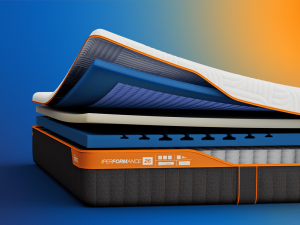
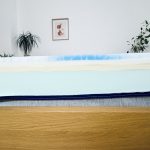
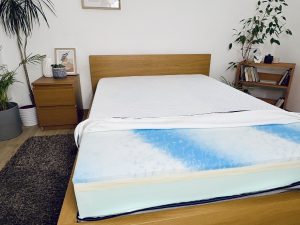
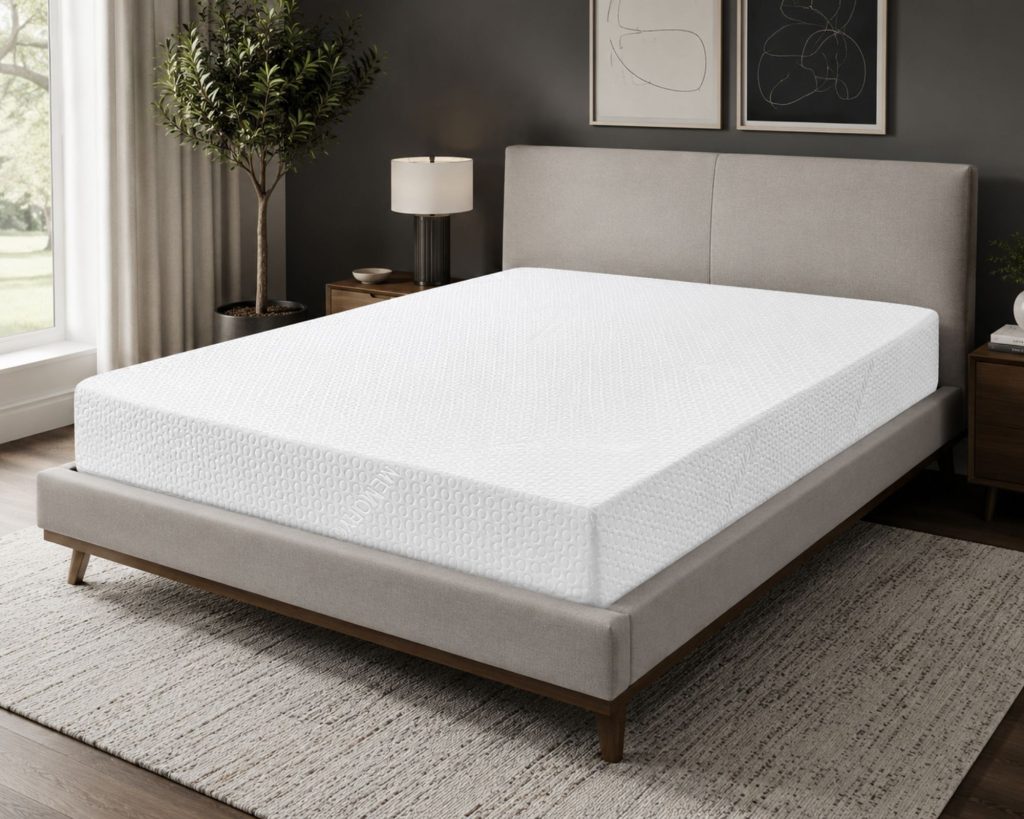
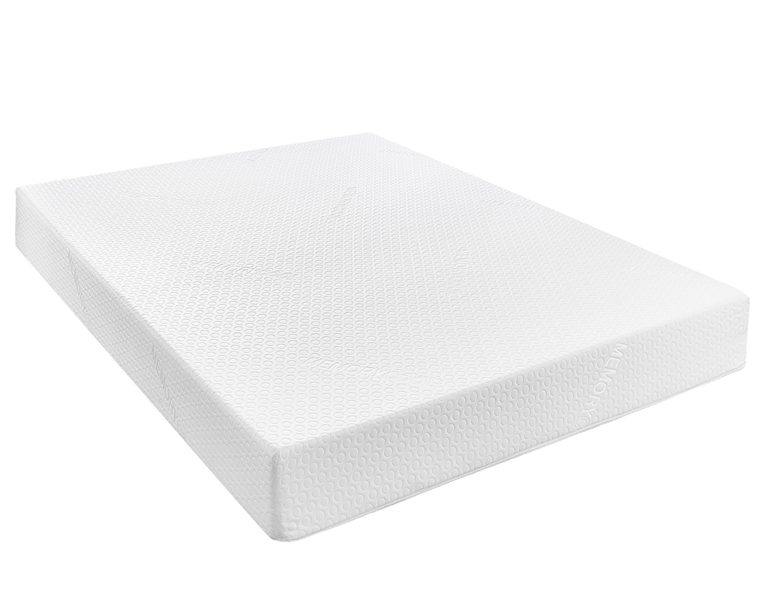
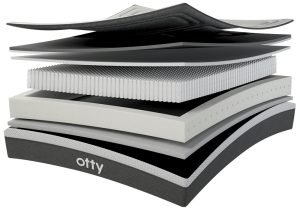
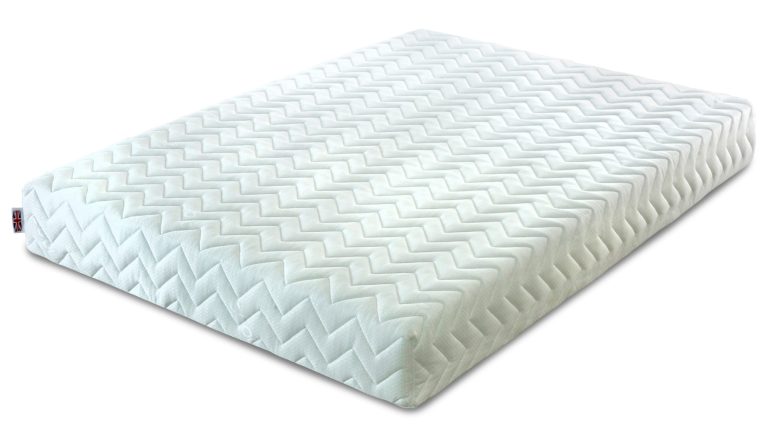
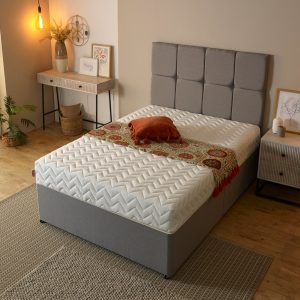
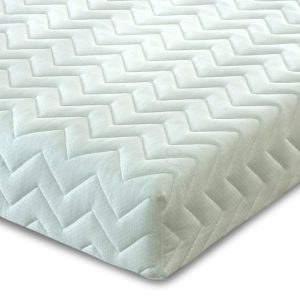
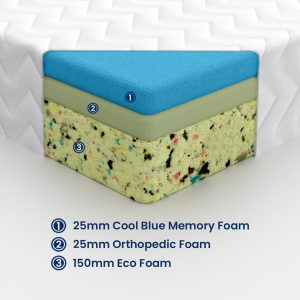
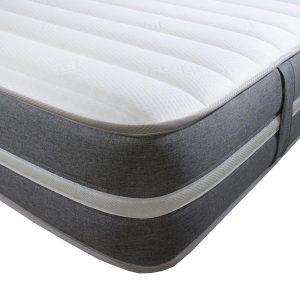
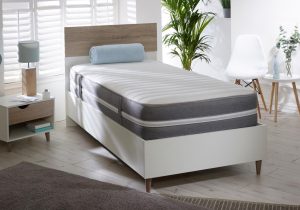
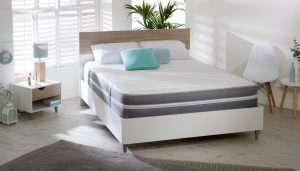
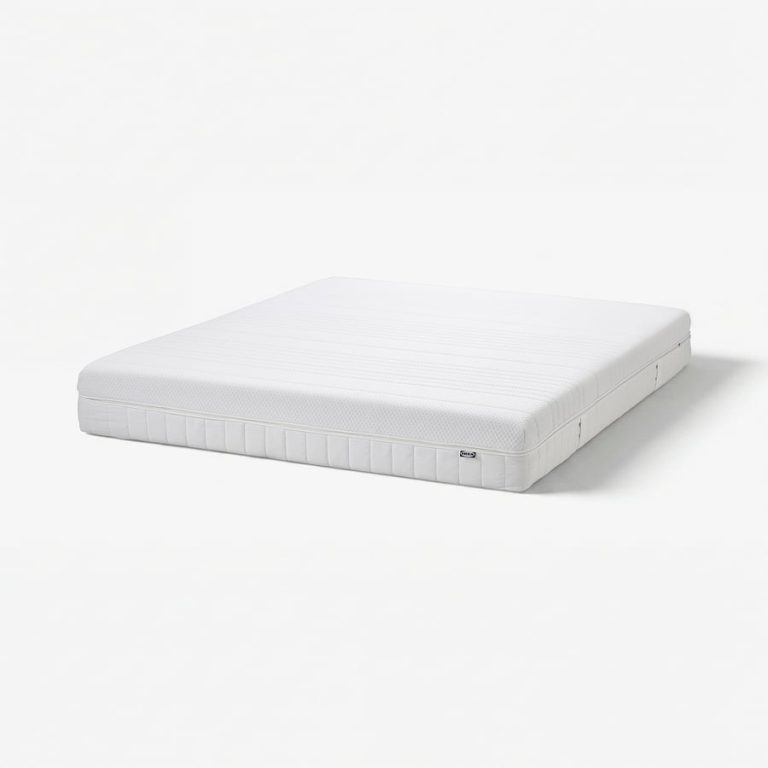
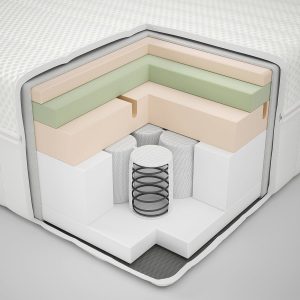
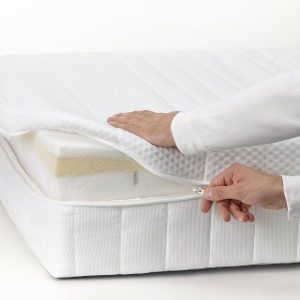
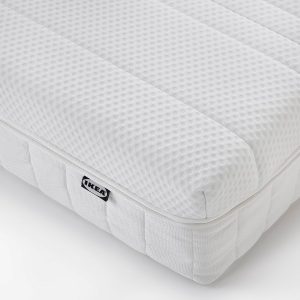
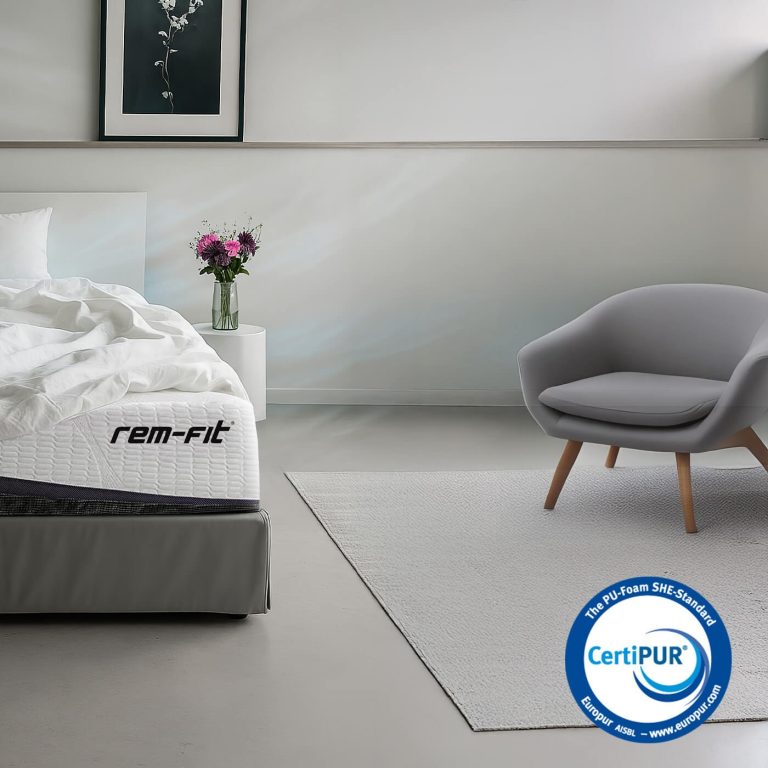
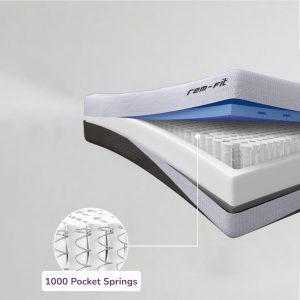
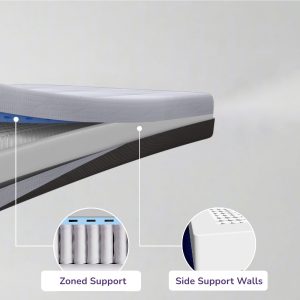
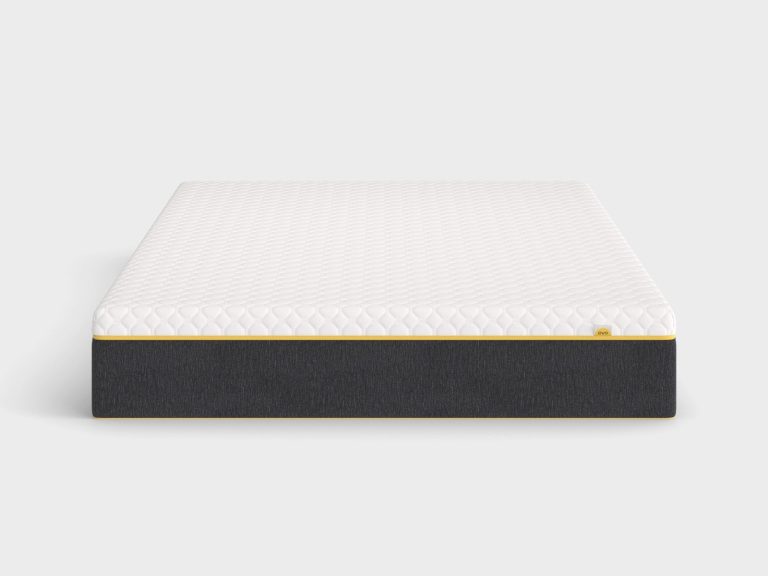
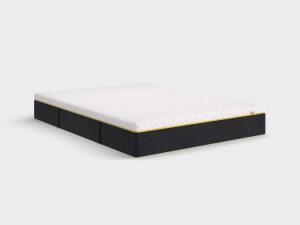
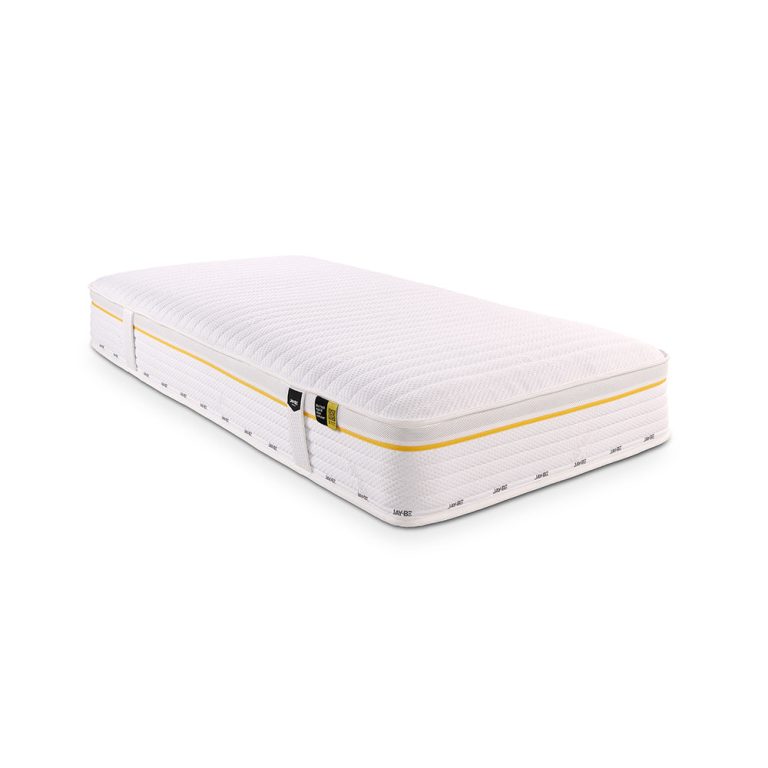
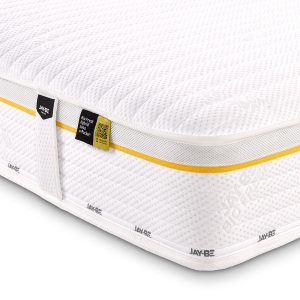
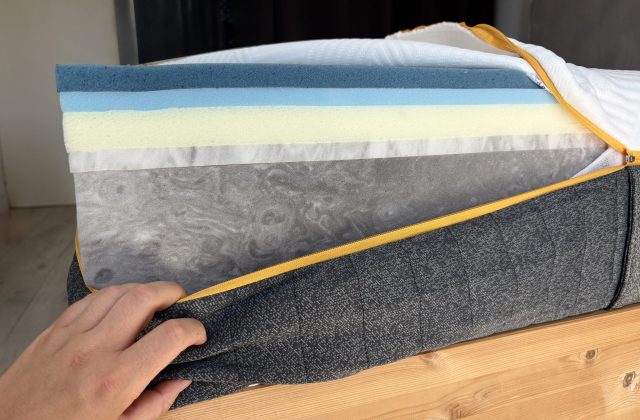
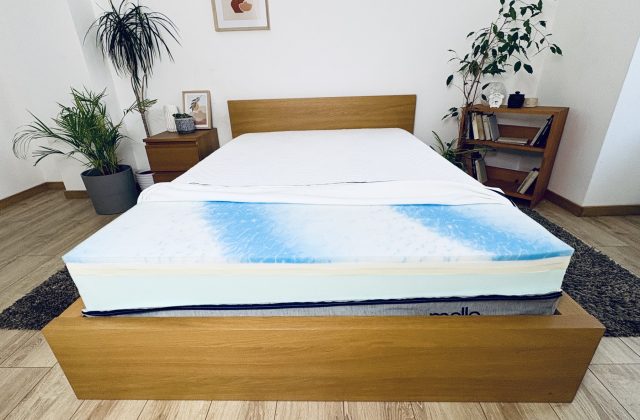
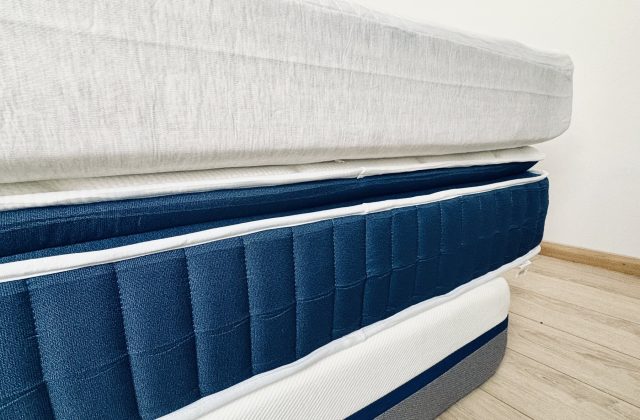
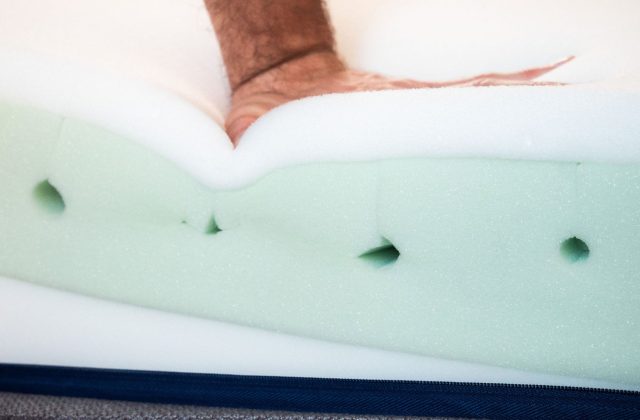
“The Aspire Essentials Memory Foam is the mattress we would choose for most allergy sufferers, because its whole cover zips off for washing and there is nothing but foam inside. It suits lighter adults, teenagers and spare rooms especially well, and its friendly price leaves room for an allergen-proof encasement.”
What a hypoallergenic mattress can and cannot do
House dust mites live wherever there is warmth, moisture and shed skin, and Allergy UK says they are found in bedding, carpets, soft furnishings and clothing, so a new mattress soon collects them too. No mattress is mite-proof. A well-chosen one makes the measures that help easier to keep up, and the charity’s first piece of bedroom advice is plain: “Use allergen-proof barrier covers on all mattresses, duvets, and pillows.” Cambridge University Hospitals says of these covers: “This is the single most effective measure but is not enough to help on its own.”
The research on covers is mixed. A 2008 Cochrane review of 54 trials, 26 of them testing mattress encasings, found no measurable effect on asthma symptoms, although Cochrane now notes that the review predates its current standards. A later randomised trial in Manchester gave 284 mite-allergic children either mite-impermeable or placebo bed covers, and over 12 months the risk of an emergency hospital visit for asthma was 45% lower in the encased group. Covers are worth having.
A cover you can wash, and at what temperature
The NHS tells people with a dust mite allergy to use synthetic bedding and covers and to wash bedding at 60°C or above, and it lists latex among the common allergy triggers. Few mattress covers are rated that hot. Among our picks only the IKEA Ånneland is rated for 60°C. Most of the others are sold as washable with no temperature given, so check the care label. If it says 40°C, put the encasement and bedding through the 60°C cycle instead and treat the mattress cover as a bonus.
Synthetic, wool or latex
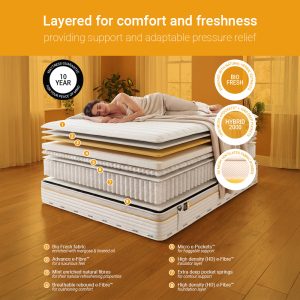
Fillings matter most if you have a specific allergy or sensitive skin. Every pick here is foam, springs and synthetic fibre except the Jay-Be Bio Fresh, which blends wool into its comfort layer. If wool and cotton suit your skin and you want certified natural fillings, our organic mattress comparison covers them. Latex is often sold as naturally resistant to mites, but as a common allergy trigger in its own right it has no place on a page for allergy sufferers in general. If latex is not a problem for you, our latex mattress comparison covers natural Talalay models.
Treatments and seals
Anti-allergy finishes woven into cover fabric, from Sealy’s ProShield to Purotex+ and Jay-Be’s plant oils, are a bonus rather than a solution. Only a few carry an outside endorsement such as the Allergy UK Seal of Approval, which our FAQ explains. A finish or a seal is a good way to choose between two mattresses you already like.
Budget for the encasement
Whatever you buy, add a breathable encasement that zips round all six sides, and check its depth against your mattress, as our picks run from 15cm to 28cm deep. Our mattress protector comparison covers anti-allergy and waterproof options, and our best mattresses ranking is the place to start if allergies are not your main concern.