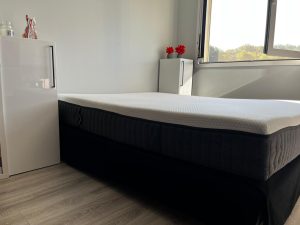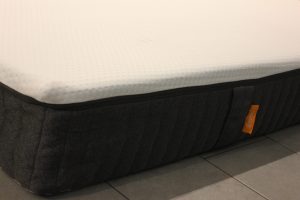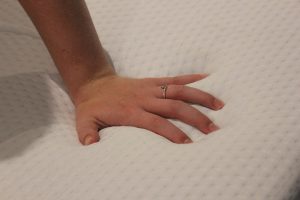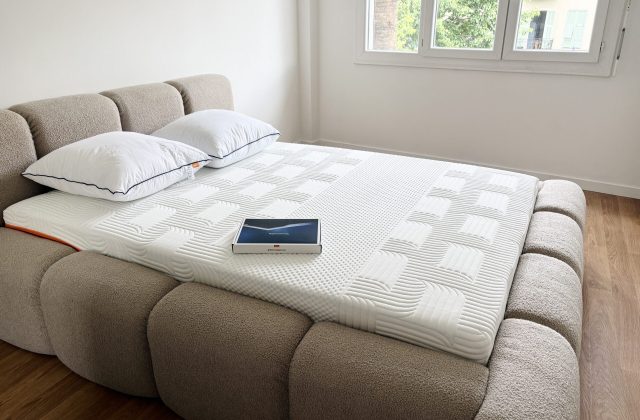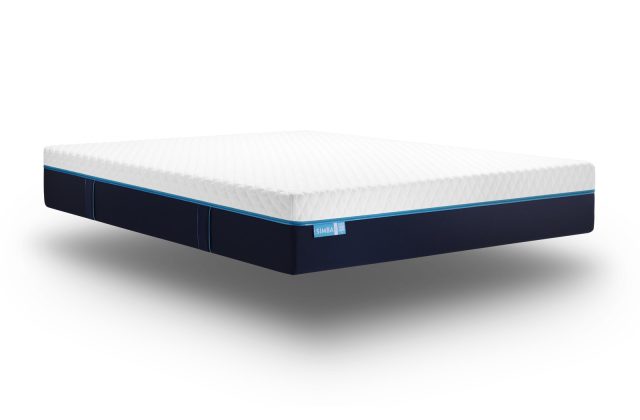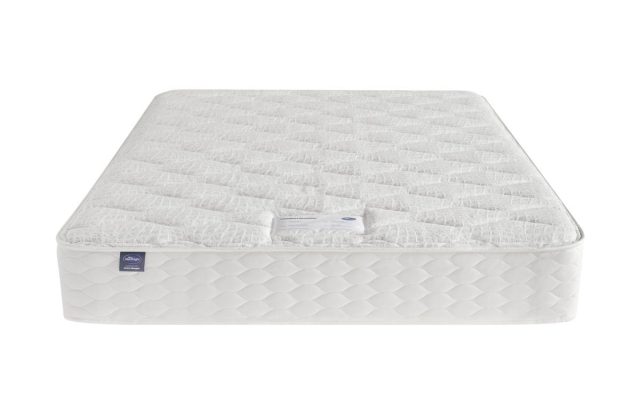


“Choose a firm mattress for your weight and the way you sleep, and if back pain is the reason you are shopping, try medium-firm first.”
Firm mattresses and back pain
A firm mattress is not automatically the right choice for a bad back. In a randomised, double-blind trial of 313 adults with chronic low-back pain, published in The Lancet by Kovacs and colleagues in 2003, people given medium-firm mattresses (5.6 on the European Hs scale, which runs from 1 for the firmest to 10 for the softest) did better after 90 days than those given firm ones (2.3), with odds ratios of 2.36 for pain in bed and 2.10 for disability. A 2021 review of 39 studies in the Journal of Orthopaedics and Traumatology concluded that a medium-firm mattress promotes comfort, sleep quality and spinal alignment, and noted that claims made for “orthopaedic” mattresses “are not supported by enough evidence”. Five of the ten mattresses here carry “Ortho” in their name, so read it as a product name, not a medical claim (our orthopaedic mattress ranking explains what the label should mean).
How firm for your weight and position
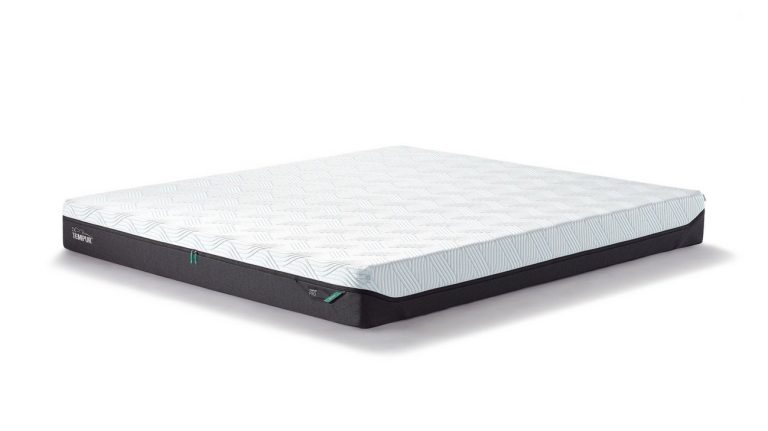
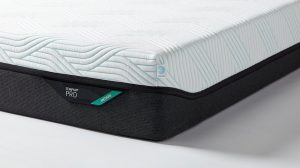
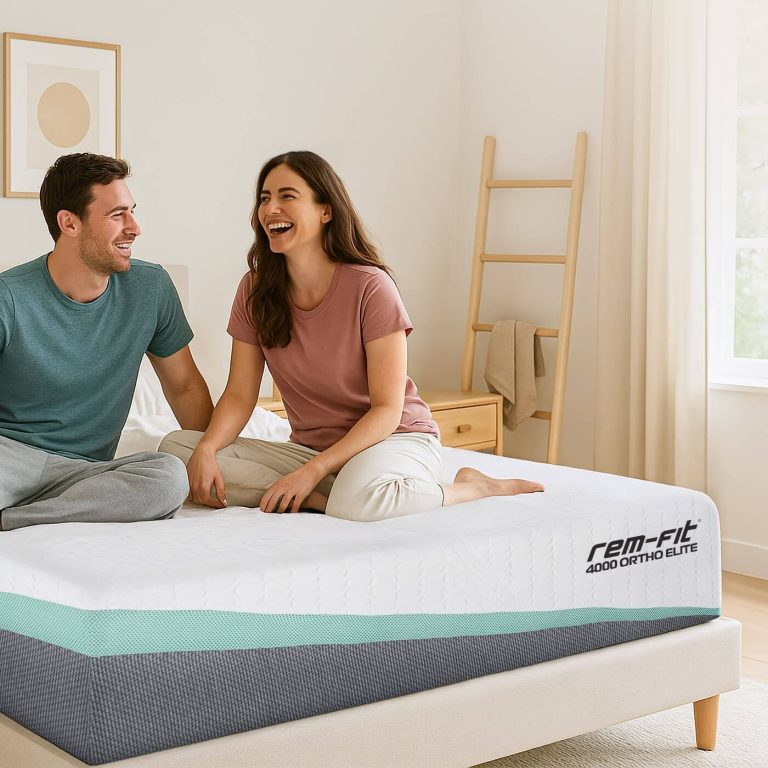
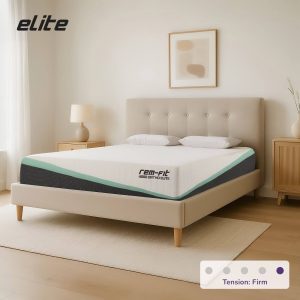
Body weight is the strongest reason to buy firm. A heavier body compresses the comfort layers further before the springs take the load, so heavier sleepers need a denser or firmer build. REM-Fit rates the 4000 Ortho Elite for sleepers up to 20 stone (127kg), OTTY recommends the Extra Firm Hybrid for people over 15 stone (95kg), Silentnight describes its Firm grade as meant for a heavier build, and TEMPUR states a capacity of about 150kg per side for the PRO SmartCool.
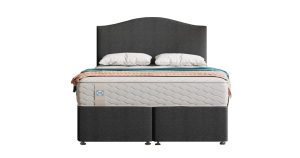
Sleeping position decides the rest. On your back or front, a firm mattress stops the hips sinking below the line of the spine, which is the job it is bought for. OTTY itself says side sleepers generally find firm mattresses uncomfortable around the hips and shoulders.
What makes a mattress firm
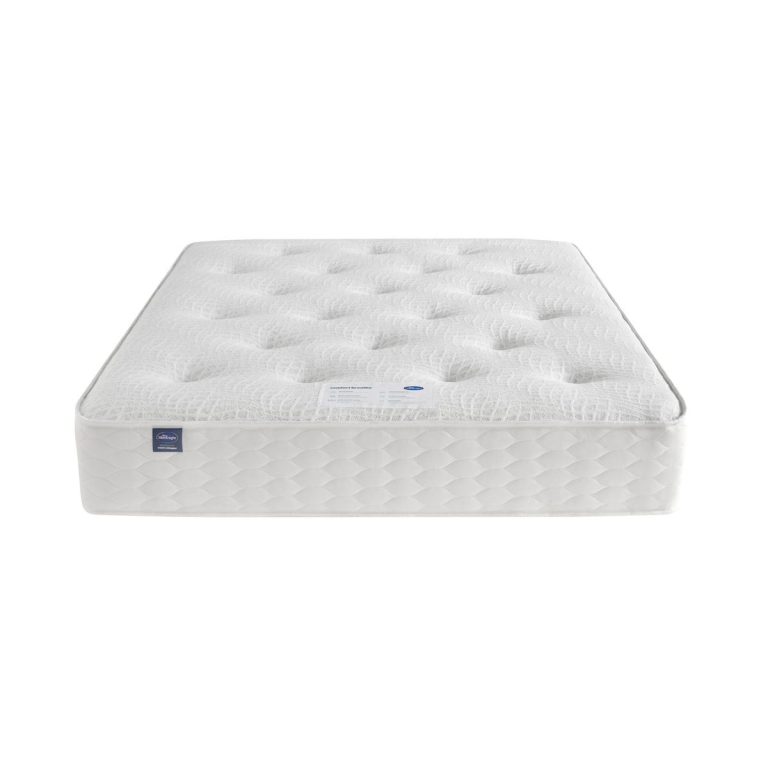
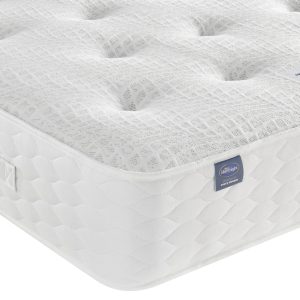
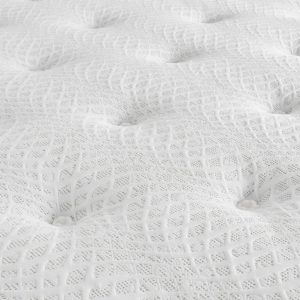
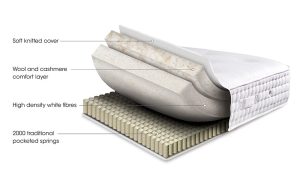
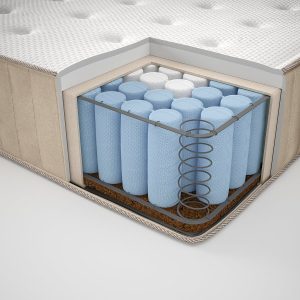
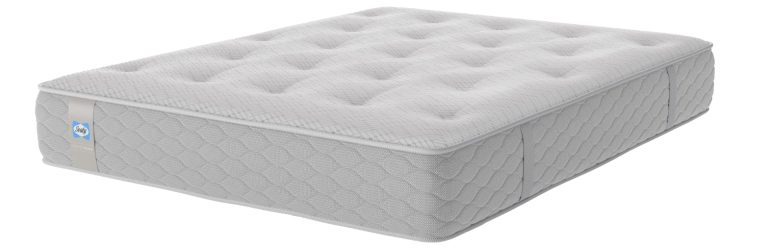
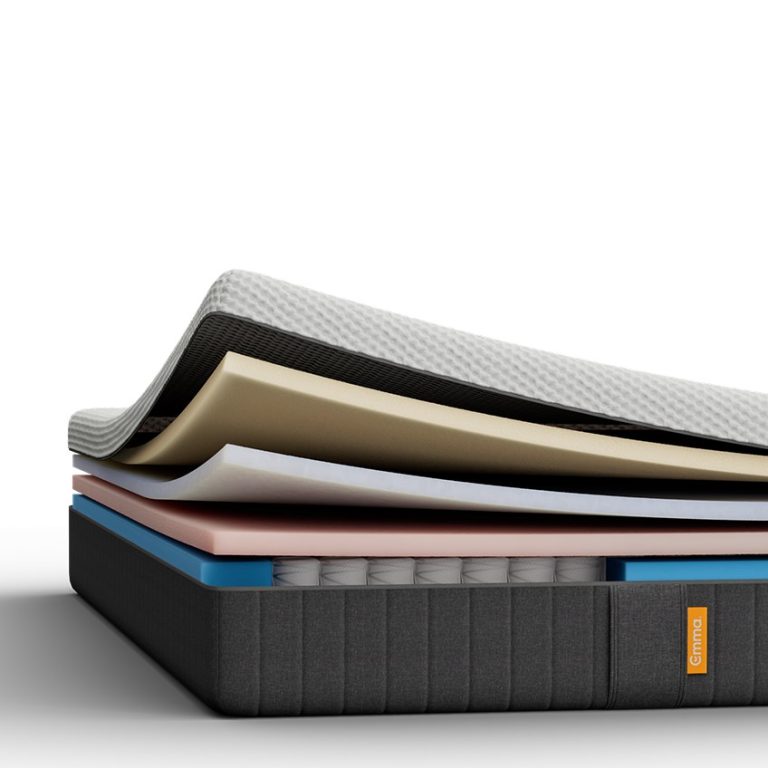
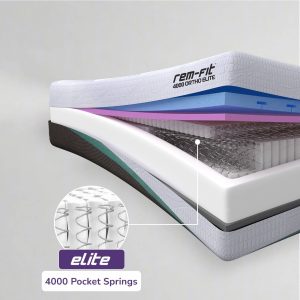
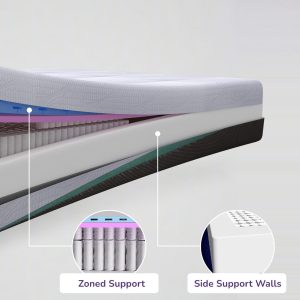
Spring count alone says little about firmness. The National Bed Federation’s mattress buying guide explains that the gauge of the wire, the number of coils, the height of each spring and the quantity together set a mattress’s tension, and that pocket spring counts typically run from 600-800 up to 2,500, occasionally 3,000 or 4,000. The REM-Fit reaches 4,000 with two layers of 2,000, while IKEA quotes the Vatneström’s springs as a density of 218 per square metre rather than a total, so the counts in the table below do not compare like for like. The Silentnight, Sleepeezee, Hypnos and Sealy get part of their firmness from tufting, which the NBF says keeps loose fillings in place, and the Silentnight, Hypnos and Sealy are double-sided, so they need turning as well as rotating. Brand scales do not line up either. OTTY and REM-Fit grade out of 10 with 10 as the firmest, Emma uses 1 to 5, and the European scale in the Lancet trial above runs the other way, with 1 as the firmest, so compare the words and the weight guidance before the numbers.
Refund, exchange or no trial
A firm mattress is the kind you are most likely to find too hard, so the trial terms matter. REM-Fit, OTTY, TEMPUR and Emma take a mattress back for a refund, although TEMPUR’s trial terms ask you to sleep on it for at least 60 of the 100 nights and deduct any collection charge. Silentnight, IKEA and Mattress Online, which sells the Sleepeezee, only exchange. Silentnight’s comfort exchange opens after 28 nights, closes 60 days after delivery and can be used once per purchase. Hypnos, Dunlopillo and Sealy sell through retailers and offer no trial of their own.
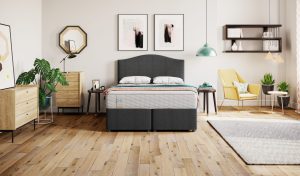
Firm mattress or firm topper
A firm topper changes how a mattress feels on the surface, but it cannot restore support to a core that has sagged, and on a mattress that already dips a new one is the better buy. If yours is sound but too soft, our firm mattress topper comparison ranks the current toppers.