

„Judge a pocket sprung mattress by its fillings and its firmness before its spring count, because a count means little until you know the size it was counted in, and the layers on top decide how it feels.“
What a pocket sprung mattress is
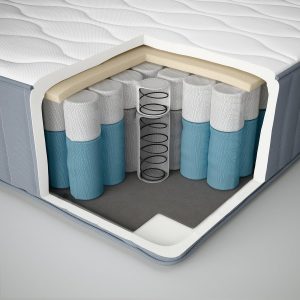
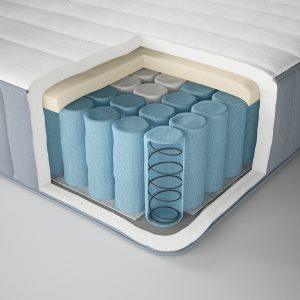
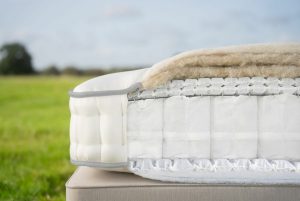
A pocket sprung mattress has every coil sewn into its own fabric pocket, so each spring compresses on its own. In an open coil (Bonnell) unit, as the National Bed Federation’s buying guide explains, rows of springs are joined top and bottom by a spiral helical wire. The NBF, the trade body for UK bed makers, notes that “the majority of mattresses in the UK have spring interiors” and describes the pocket version like this:
“Pocket springs are small, softer springs that work independently from each other. The springs conform and adjust to body contours and help to eliminate roll-together.”
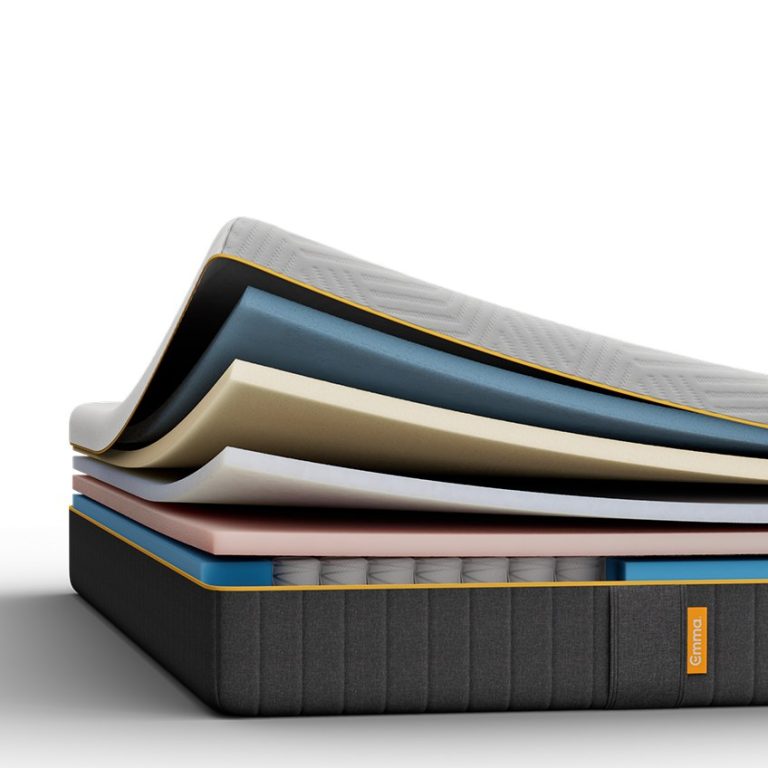
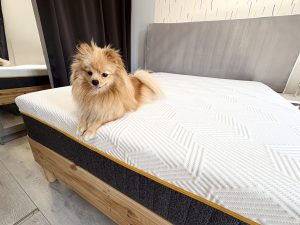
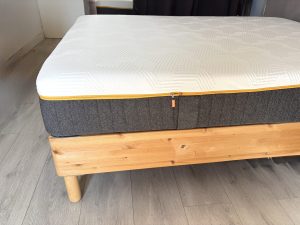
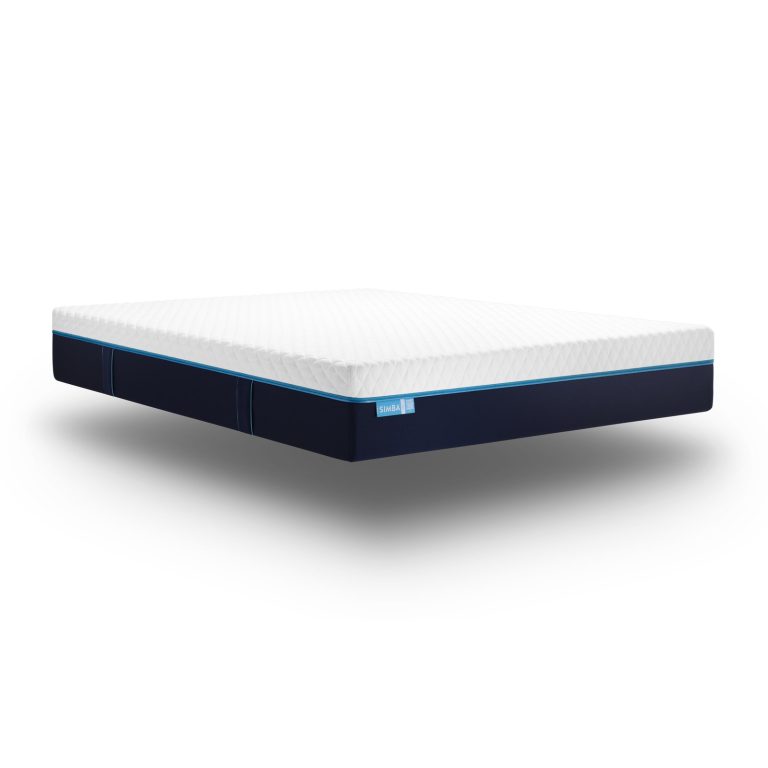
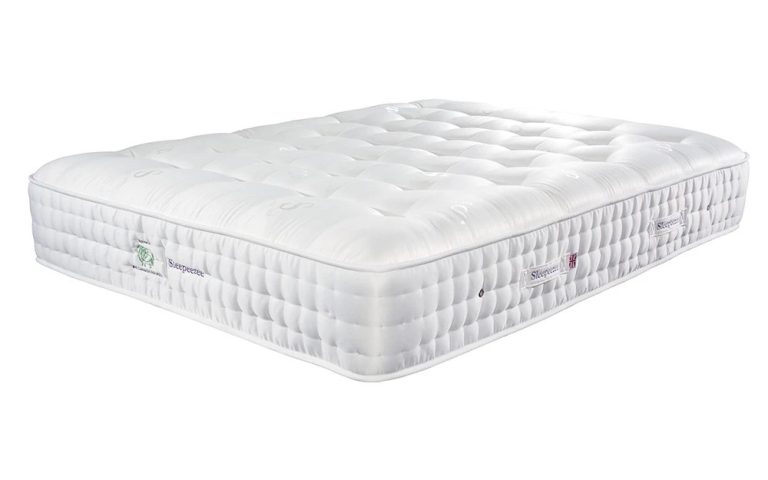
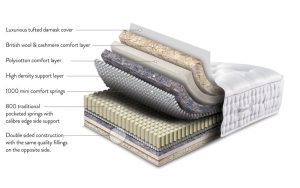
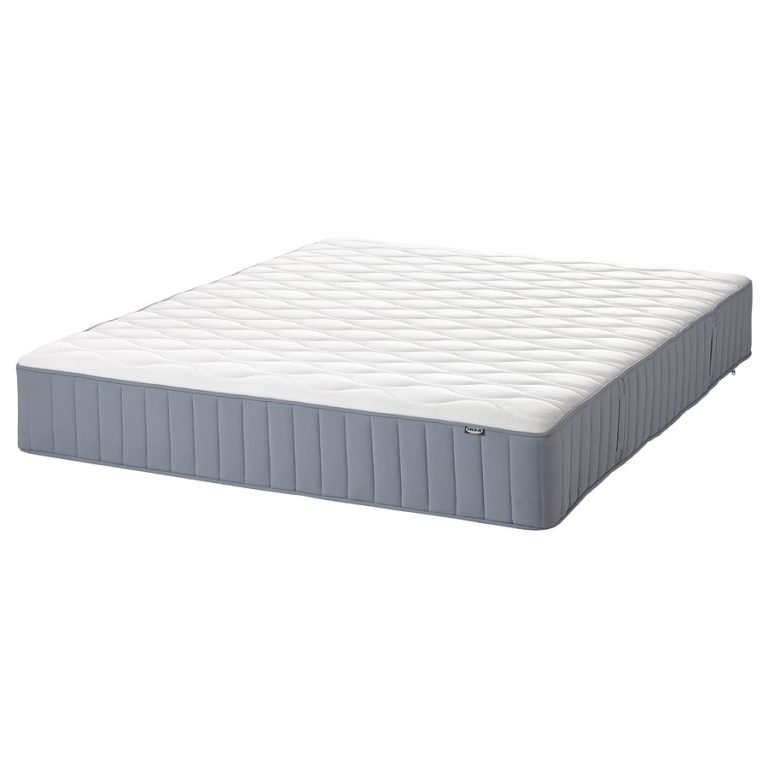
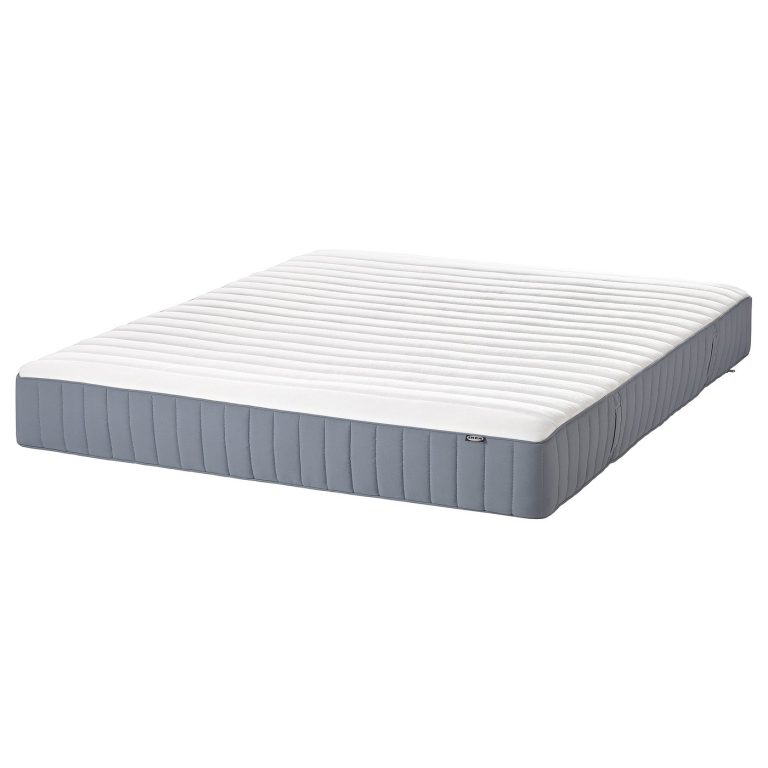
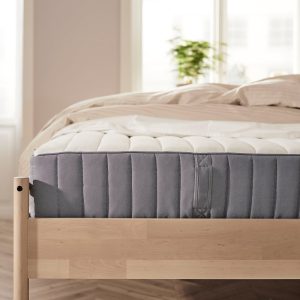
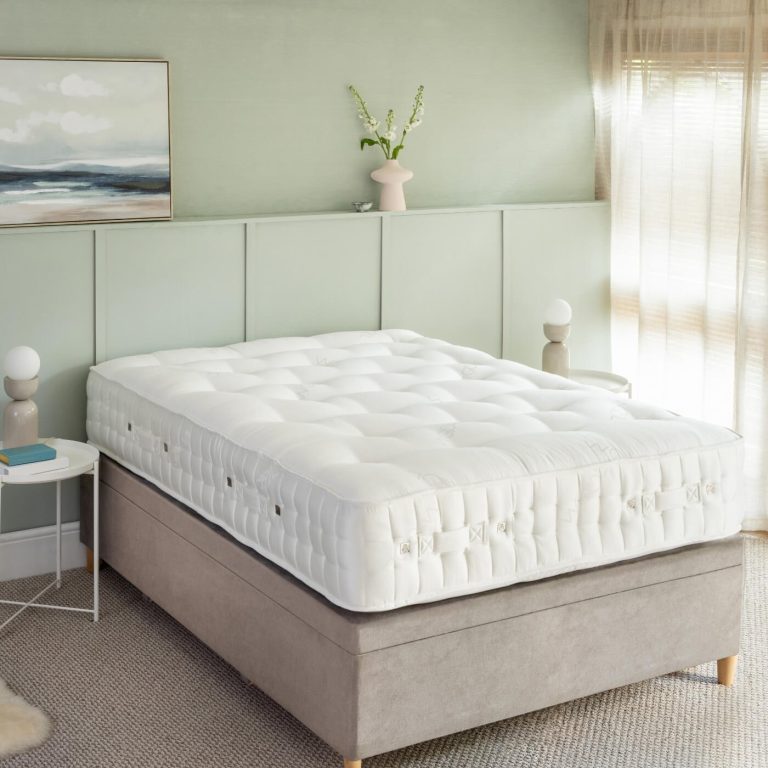
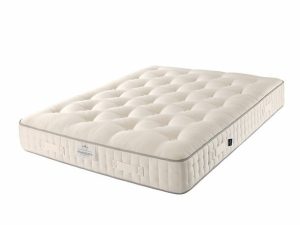
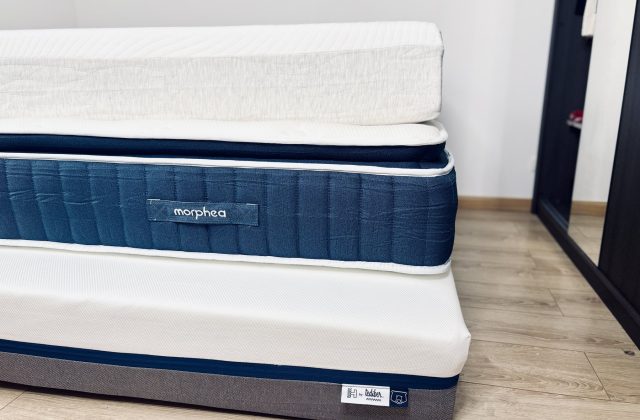
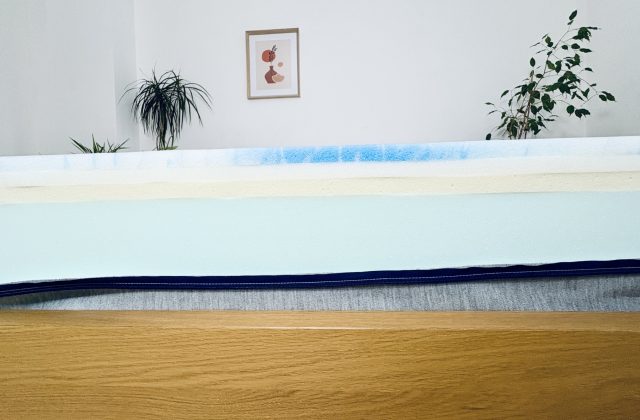
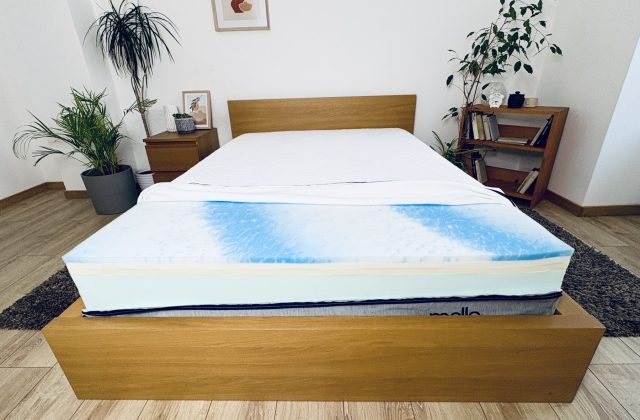
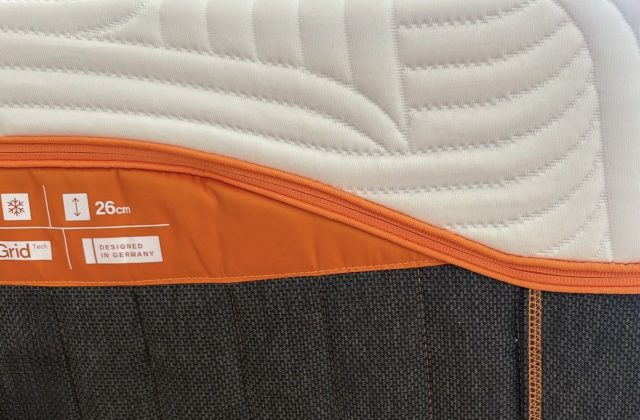
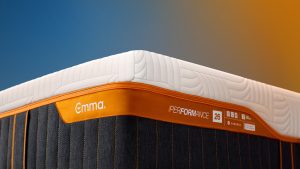
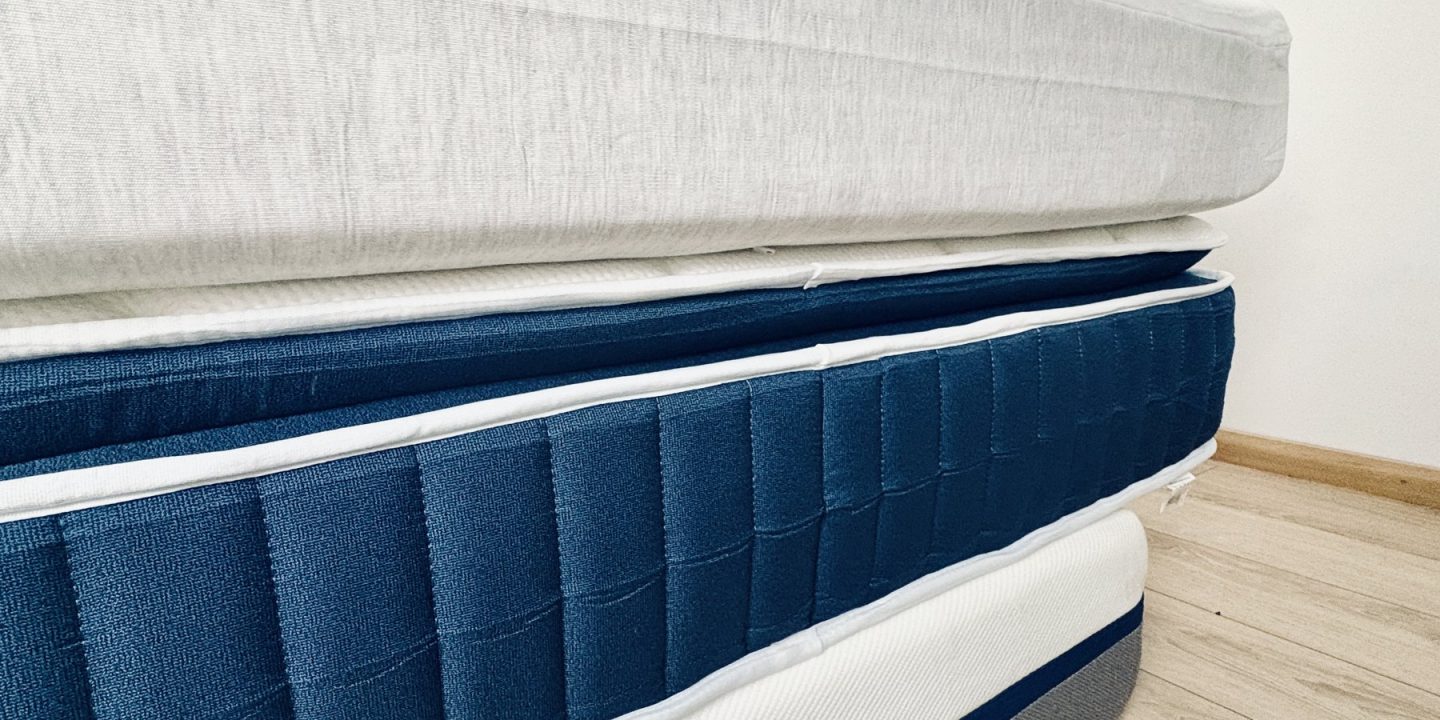
Better units sit in calico pockets and are hand-nested, the NBF adds. Six of the ten ranked mattresses are traditional builds with fibre, wool or plant fibres over the springs. The two IKEA models put foam and wadding over theirs, and the Emma and Simba are hybrids with deeper foam layers. Mattresses without springs are in our memory foam ranking and foam mattress ranking.
Spring count, and what the number really tells you
A spring count only means something against the size it was counted in, because the same unit gives a bigger number in a king than in a single. IKEA is the only maker here that publishes a density, in springs per square metre, and the table converts it into each UK size.
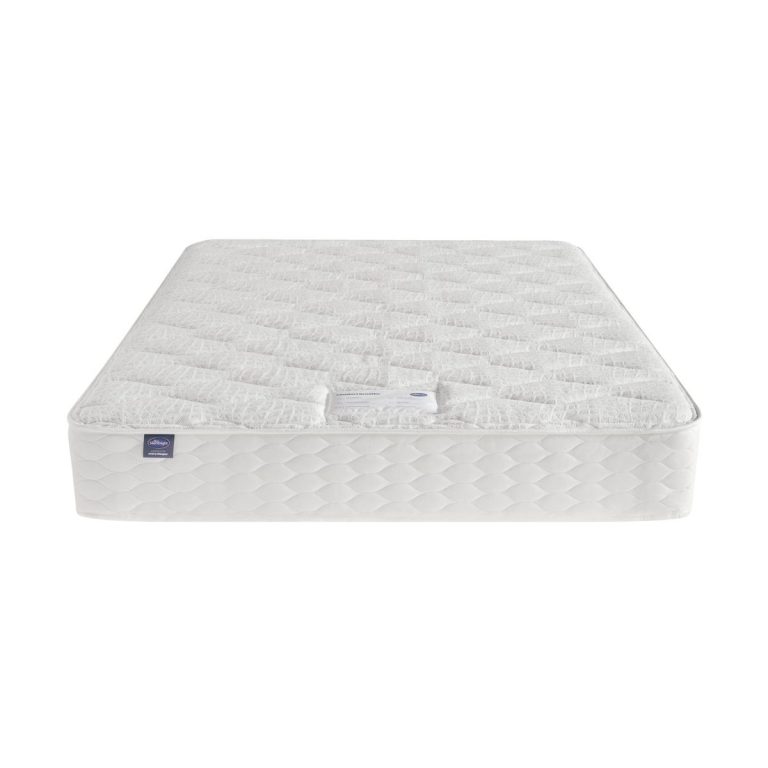
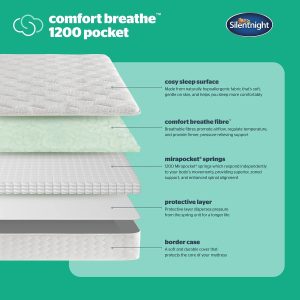
The IKEA columns are our calculation from IKEA’s stated density, and the Vågstranda’s two spring layers give it twice the Valevåg’s density. Mattress Online says the 2,800 in the Sleepeezee Wool Luxe 2800 is counted in a king, about 933 per square metre. The other makers print one number with no size, so the 1200 in the Silentnight cannot be turned into a density, and Silentnight’s own page gives 1000 in one spec block. Totals such as the 6,500 in the Harrison Spinks Silver or the 4,800 in the Simba Hybrid Pro include small micro springs and do not compare with a single-layer count.
Fillings, and what sits over the springs
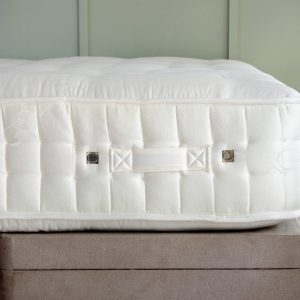
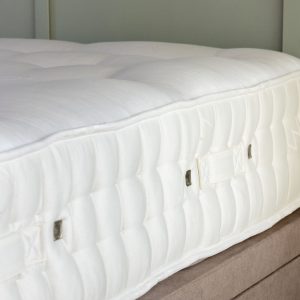
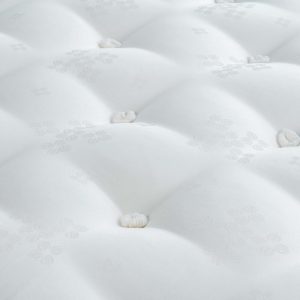
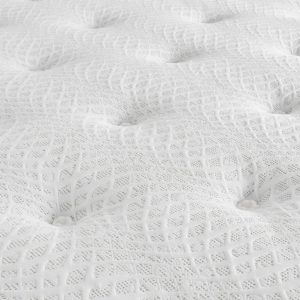
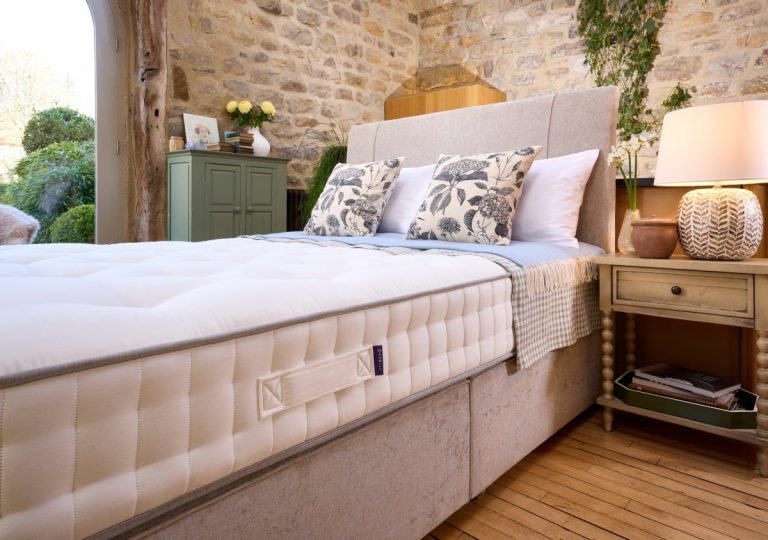
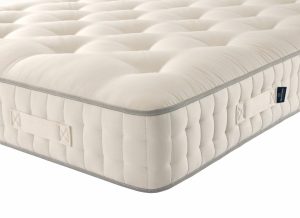
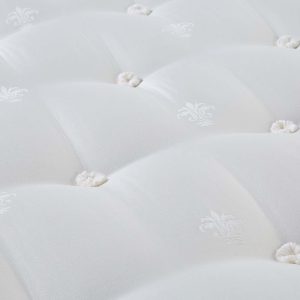
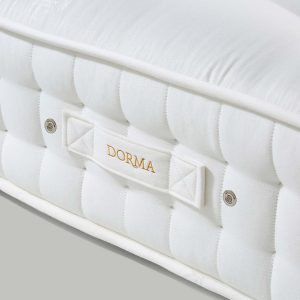
The layers over the springs shape the feel more than the count does. Wool, cashmere, cotton and fibre keep the build open and springy, while the foam on the IKEA pair and the Emma moves the feel toward a foam mattress. For a mattress that holds its shape, look for the tufting and hand side-stitching that the NBF links to durability and shape retention.
Medium-firm or firm
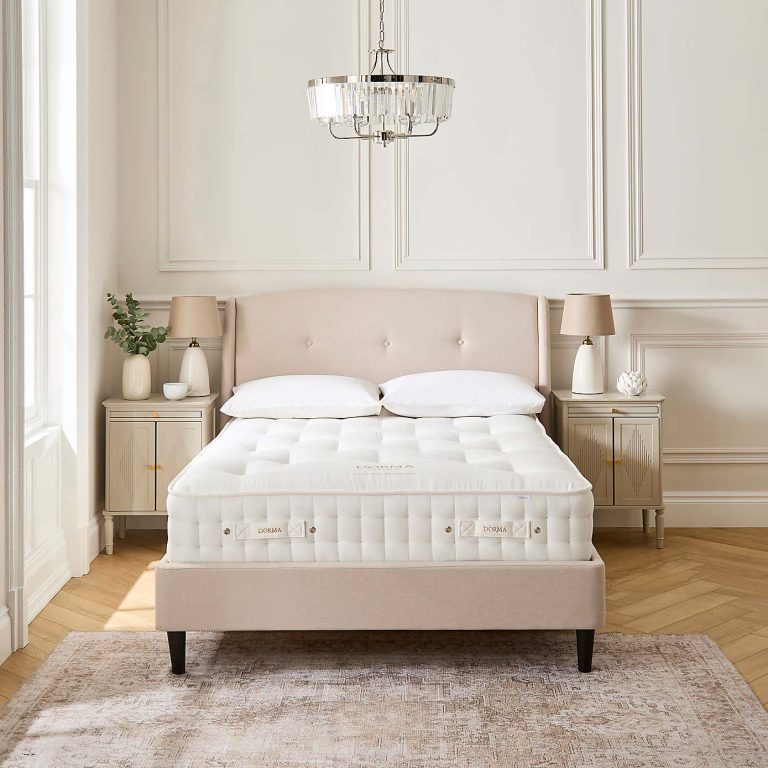
Medium-firm is the better default, even for back pain. In a randomised controlled trial of 313 adults with chronic low-back pain published in The Lancet in 2003 (Kovacs et al.), people given a medium-firm mattress had better outcomes after 90 days than those on a firm one, with odds ratios of 2.36 for pain in bed and 2.10 for disability. A 2015 systematic review of 24 trials in Sleep Health (Radwan et al.) rated medium-firm and self-adjusted mattresses best for sleep comfort, quality and spinal alignment. The Dorma and Harrison Spinks models come in a choice of tensions. For a firm feel, the Silentnight 1400 Pocket Ortho is the pick here.

Turning, trial and guarantee
The National Bed Federation puts the wear on a mattress at 20,000 hours over seven years. The Sleepeezee, Soak&Sleep, Silentnight 1400 Ortho and Dorma are two-sided and need flipping as well as rotating. The Harrison Spinks Silver 6500 is turn-free and only needs rotating. Traditional builds are heavy, a Silver 6500 double weighs 52kg according to Now to Bed, so turning a two-sided king takes two people.
Soak&Sleep’s 100 nights start after a 30-night minimum, and Mattress Online’s 100-night exchange on the Sleepeezee needs its protector. Silentnight’s 60-night comfort exchange excludes mattresses used for less than 28 nights, and the Dorma and Harrison Spinks models come with no trial. Rolled pocket sprung hybrids with money-back trials are in our mattress in a box ranking.
Regular prices, checked 28 September 2026.