“Before you pay extra for organic, ask which layers carry a certificate, because GOTS and GOLS only cover the materials they name and only a whole-mattress certificate covers everything you sleep on.”
What the organic labels actually cover
Three certificates appear on organic mattresses, and they do different jobs. The Global Organic Textile Standard (GOTS) covers cotton and wool from the farm to the finished fabric. GOTS describes itself as “the worldwide leading voluntary sustainability standard for the post-harvest textile value chain for certified organic fibres”, and its rules require at least 95% certified organic fibre for a product labelled organic and at least 70% for one labelled made with organic materials. The Global Organic Latex Standard (GOLS), run by Control Union, does the same job for natural latex.
OEKO-TEX Standard 100 is a different kind of label. It tests a material against more than 1,000 harmful substances but says nothing about how the raw material was grown, so an OEKO-TEX latex layer is tested latex, not organic latex. Most organic mattresses certify some layers and not others, and the table shows what each seller states for the mattresses we rank.
Springs, latex or coir
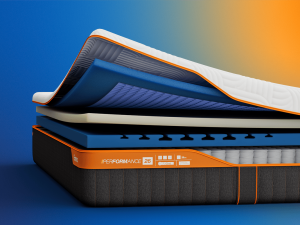
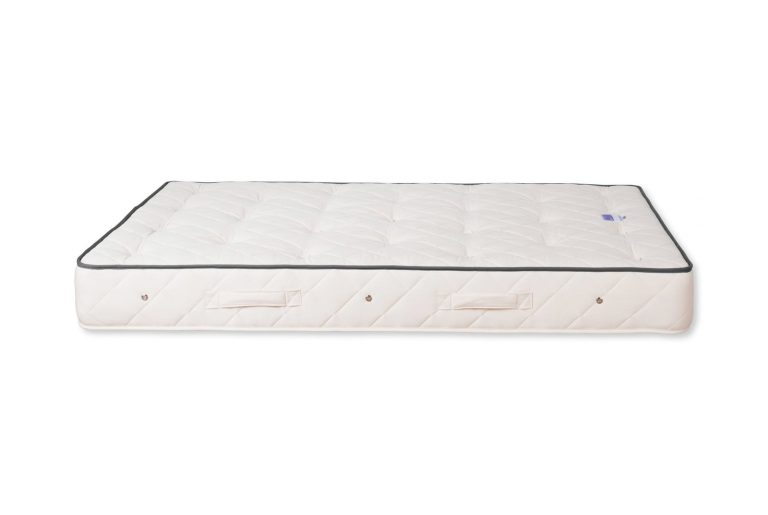
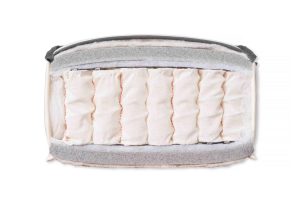
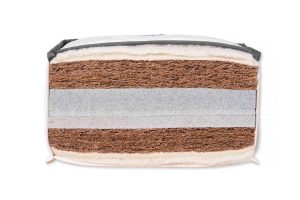
The core decides how a mattress feels far more than the organic label does. Pocket springs under wool feel bouncy and traditional and sleep cool, which suits most back and side sleepers. Latex pushes back quickly and spreads pressure evenly, but it makes a mattress heavy, and anyone with a latex allergy should rule it out and look at our hypoallergenic mattresses. Coir, made from coconut fibre, is the firmest and most breathable core of the three and suits back sleepers and heavier adults better than side sleepers.
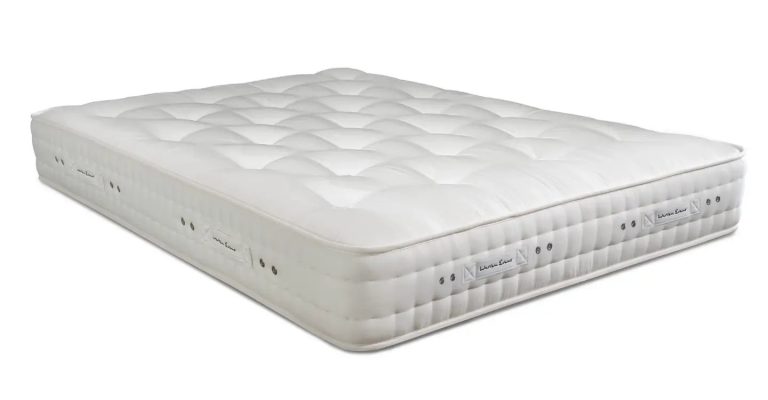
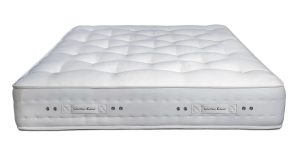
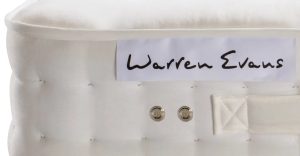
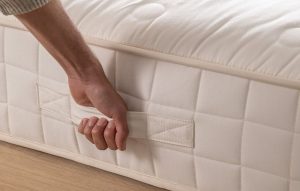
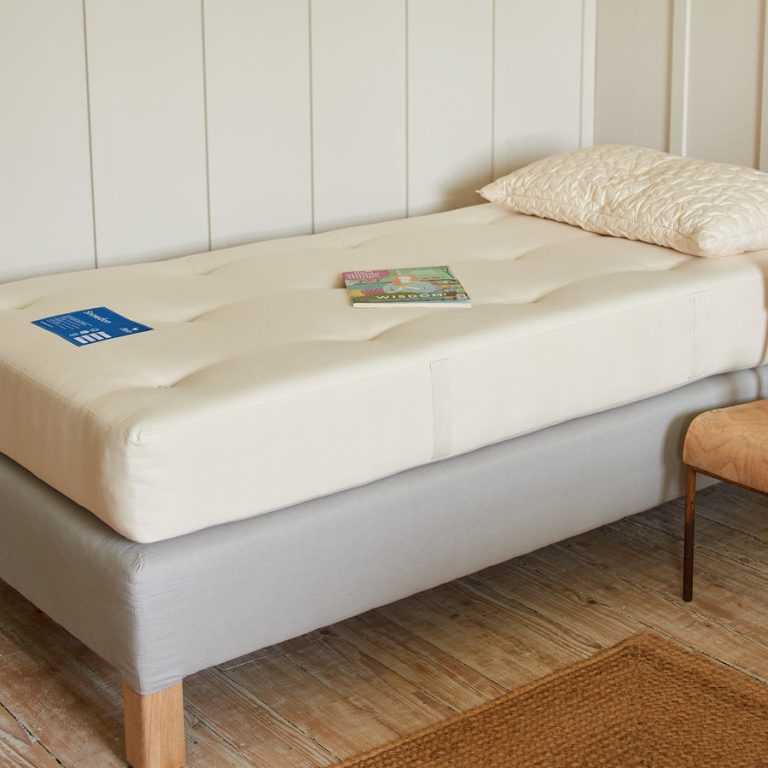
Wool fillings settle under your body over the first months, which is normal. Makers ask you to rotate or turn these mattresses to even it out, and Warren Evans, for example, asks owners of its double-sided models to flip them after the second week and then every three months.
Chemical-free and non-toxic claims
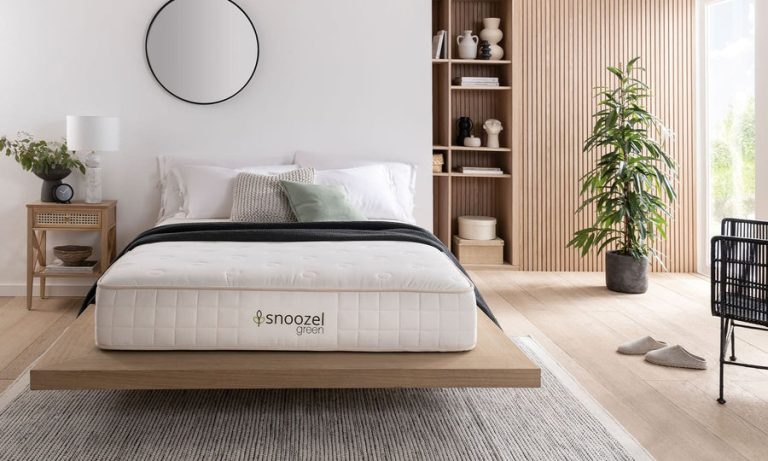
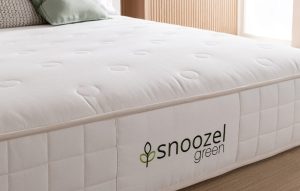
No mattress is free of chemistry, and adult mattresses sold in the UK still have to meet fire-safety rules; Naturalmat and Snoozel Green both cite BS 7177 on their product pages. What organic makers avoid is the usual way of meeting them, with chemical fire-retardant sprays and synthetic foam. Most rely on the natural flame resistance of wool, which Naturalmat and Warren Evans both point to, and Snoozel Green adds a graphite-blend latex layer as a fire barrier. If low chemical exposure is your main reason to buy, ask for the certificate number behind any GOTS, GOLS or OEKO-TEX claim and look it up with the certifier before trusting a “chemical-free” badge.
If the budget does not stretch
Organic mattresses cost more because organic wool and latex cost more to buy and most are sewn by hand. A wool topper on your current mattress gives you a natural sleeping surface for a fraction of the price, and our wool topper comparison sets out the options by weight and care. Whichever you choose, a breathable cotton protector keeps sweat out of the wool; our mattress protector guide lists them. If a natural feel matters more to you than certification, the Talalay latex models in our Dunlopillo comparison are one option, and our best mattresses guide covers the wider market.