“Buy a king for the width, then pick the construction for the person lying next to you, dense foam for a restless partner and firm-edged springs if you both use the whole bed. If your weights differ by three stone or more, a zip-and-link king will serve you better than any single mattress.”
How big is a UK king size mattress?
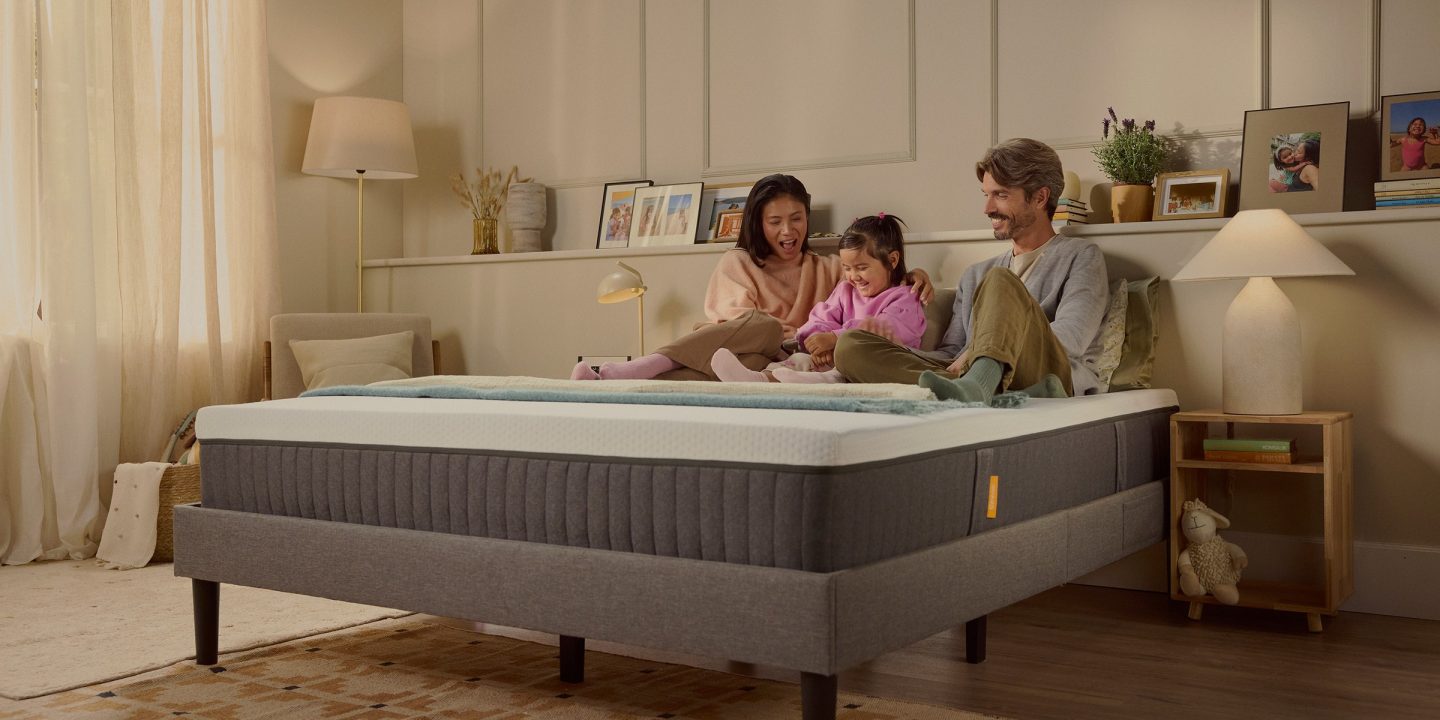
A UK king size mattress measures 150 x 200cm, or 5ft x 6ft6in, in the National Bed Federation’s size guide. It gives two sleepers 75cm of width each, 7.5cm more per person than a double, and its 200cm length suits anyone up to 190cm tall under the NBF’s advice to buy a mattress at least 10cm longer than the tallest sleeper. A European king is 160 x 200cm and will not fit a UK king frame, and what British shops call a queen is a 120 x 190cm small double.
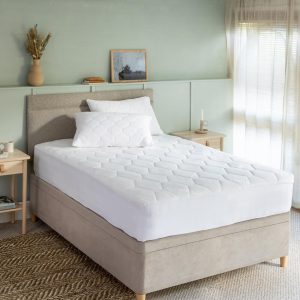
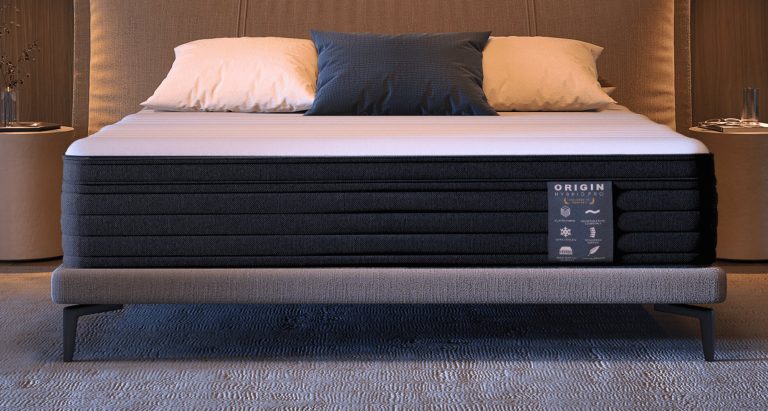
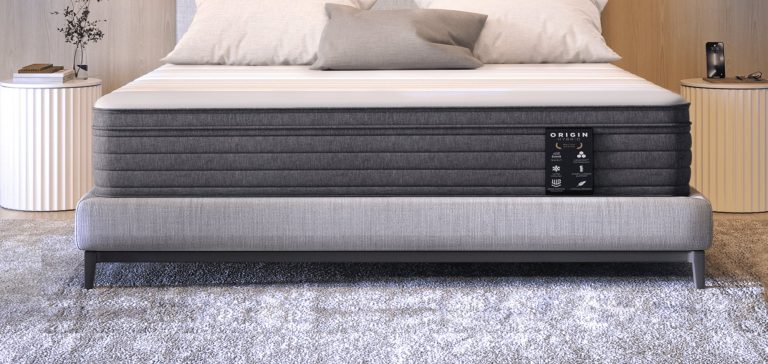
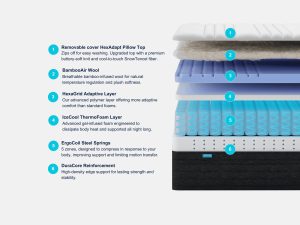
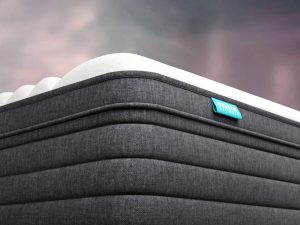
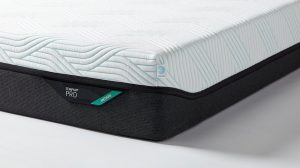
At 31cm the Origin Hybrid Pro is the deepest mattress here, so check the pocket depth of your fitted sheets and any mattress protector before it arrives. If your elbows touch when you lie side by side with hands behind your heads, the NBF’s showroom test, our super king comparison covers the 180 x 200cm size, and our double mattress comparison ranks the 135 x 190cm options.
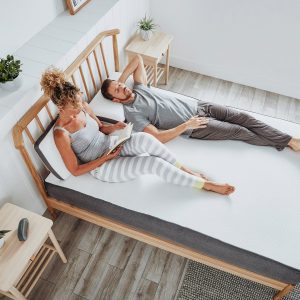
Two sleepers, one surface
The National Bed Federation makes the case for extra width in its bed size guide.
“So with partner disturbance a major cause of poor sleep, buying a bigger bed should result in a better night’s sleep.”
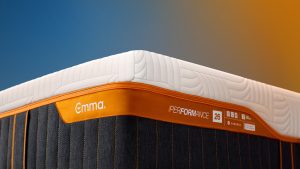
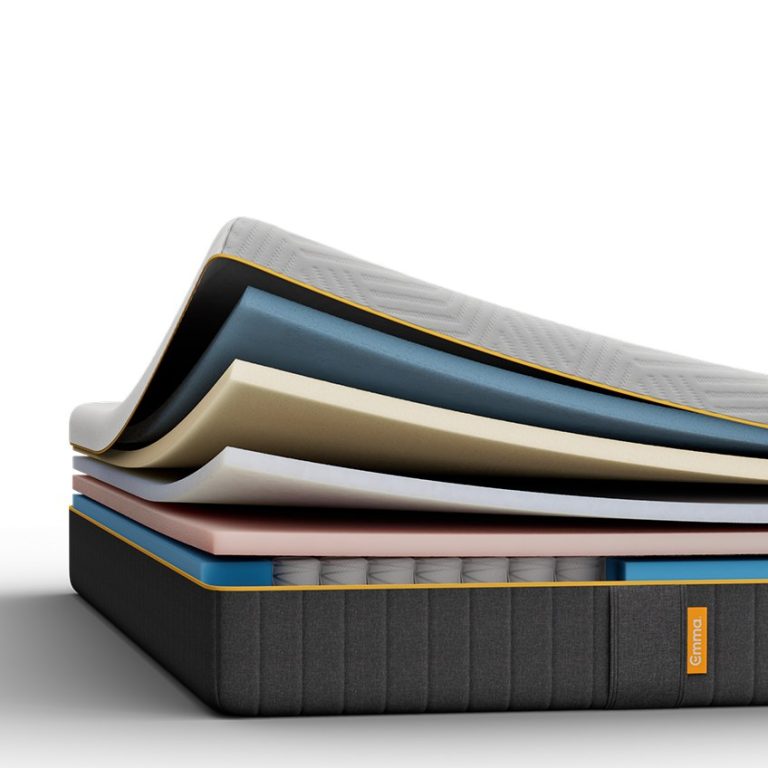
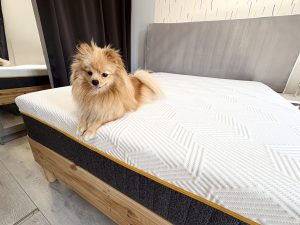
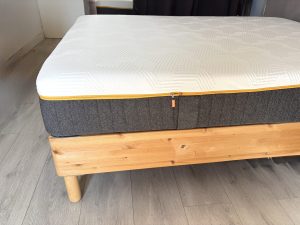
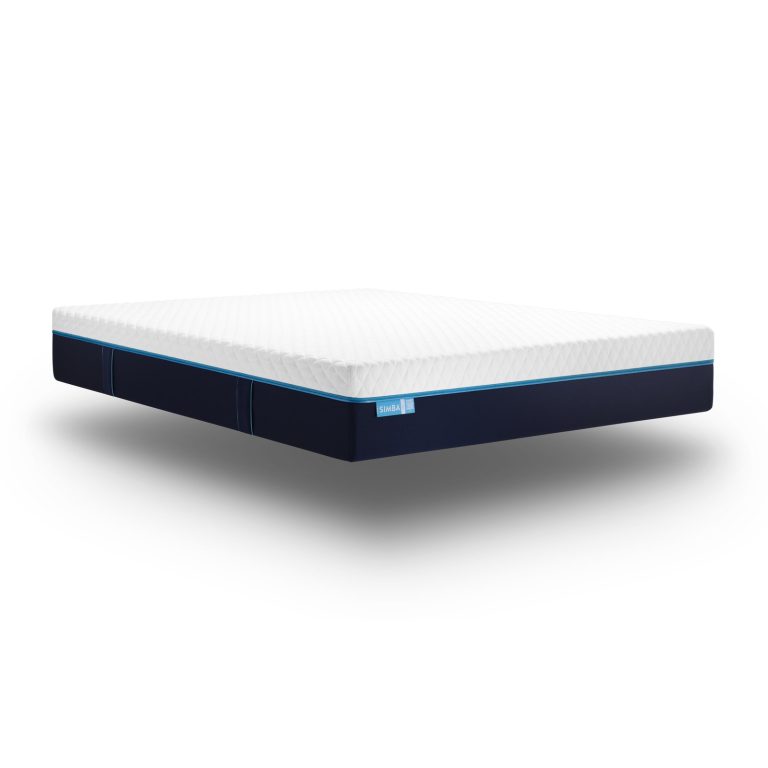
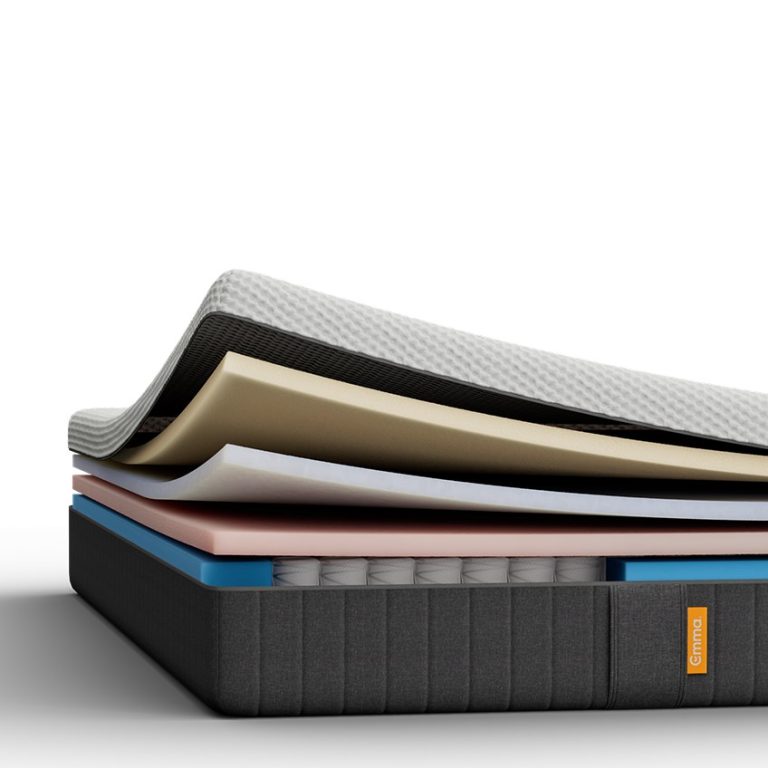
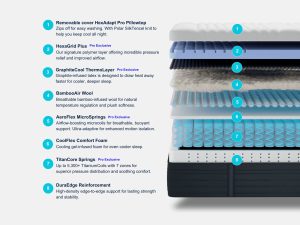
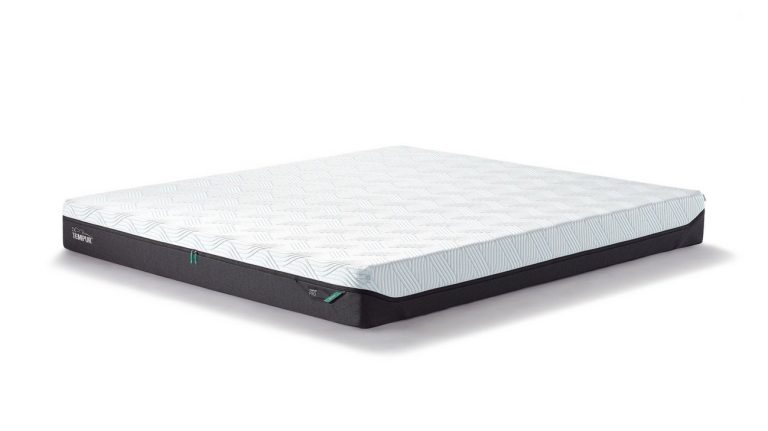
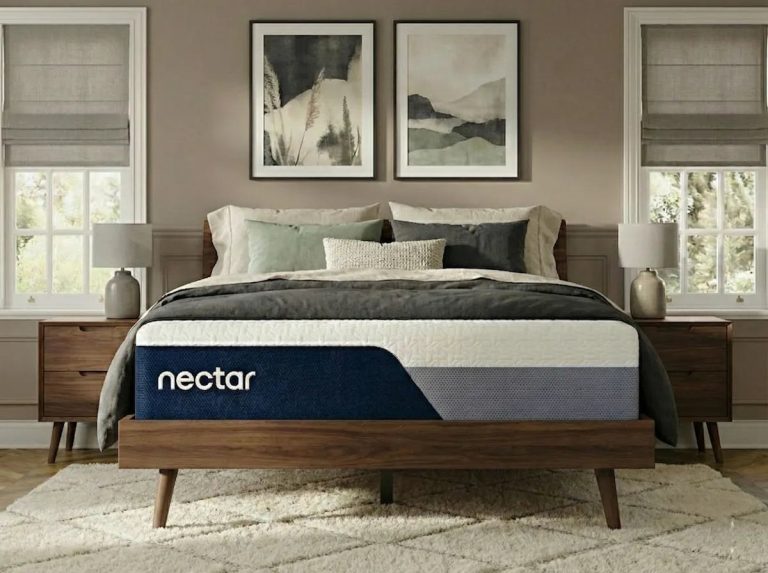
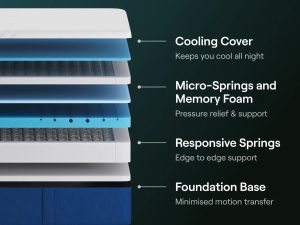
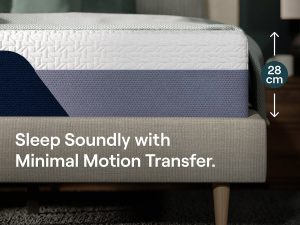
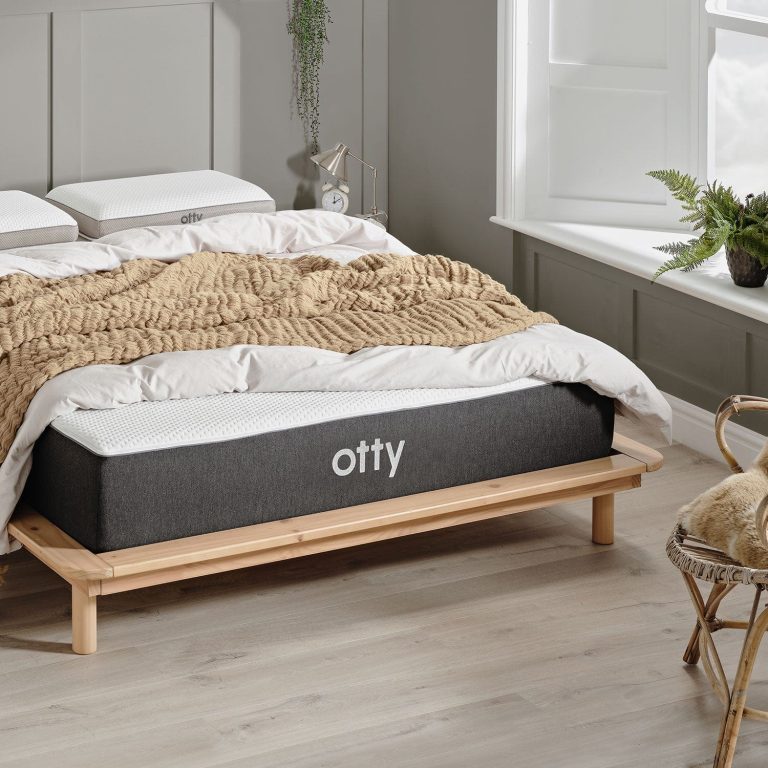
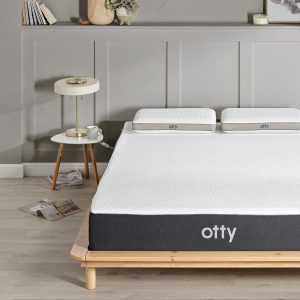
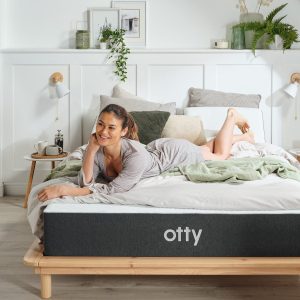
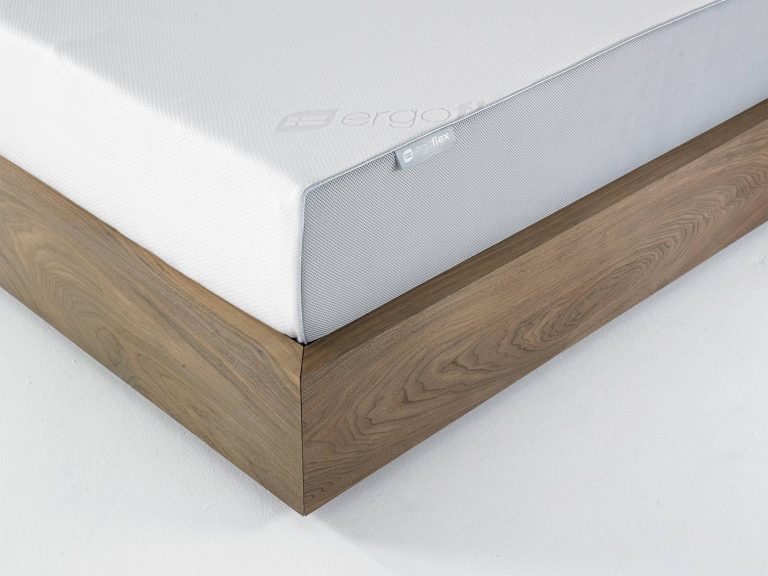
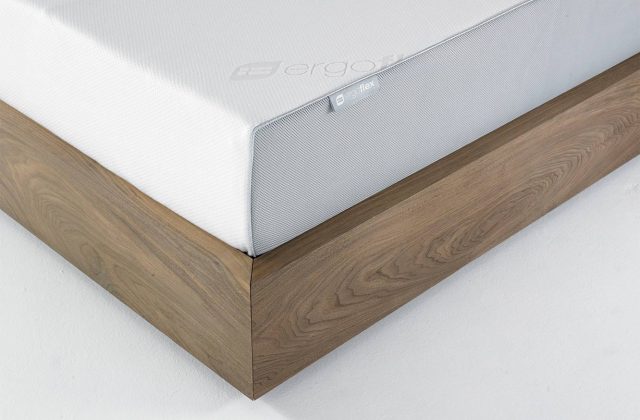
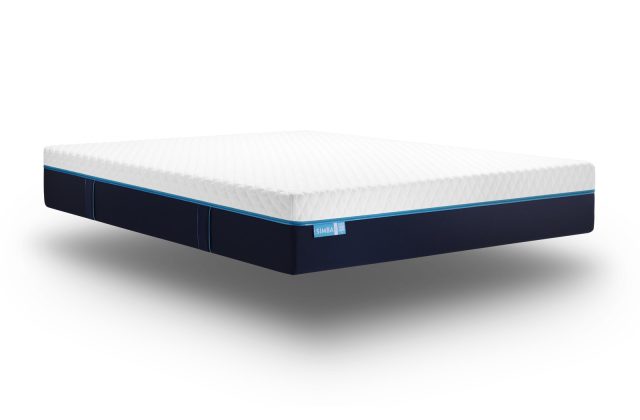
Width helps, and so does the construction. In a Loughborough University study of 46 couples tracked with wrist actimetry for eight nights, Pankhurst and Horne (Sleep, 1994) found that about a third of sleep movements happened in both partners within the same 30-second window. The TEMPUR PRO SmartCool and the Ergoflex 5G are all-foam, with no springs to carry a bounce across the bed. The other eight use pocket springs, and Origin adds micro-springs to the Hybrid Pro that it says isolate motion. Edges count on a king because two people use the full 150cm. The Simba Hybrid Pro sits on a steel SupportCore base, the Nectar Premier Hybrid has reinforced edges and Emma wraps the Original Pro’s springs in a comfort foam edge, whereas The Guardian’s review of the OTTY Original Hybrid noted that “Edge and corner support could be much improved.”
Firmness and weight for two bodies
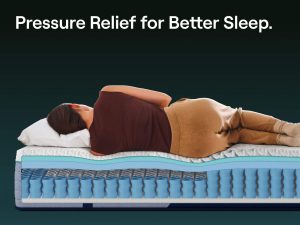
Medium-firm is the safest starting point for a shared king. In a randomised, double-blind trial of 313 adults with chronic low-back pain, Kovacs and colleagues (The Lancet, 2003) found medium-firm mattresses did better than firm ones after 90 days, with an odds ratio of 2.36 for pain in bed and 2.10 for disability. A 2015 systematic review of 24 controlled trials in Sleep Health (Radwan and colleagues) concluded that a medium-firm, self-adjusted mattress is optimal for sleep comfort, quality and spinal alignment.
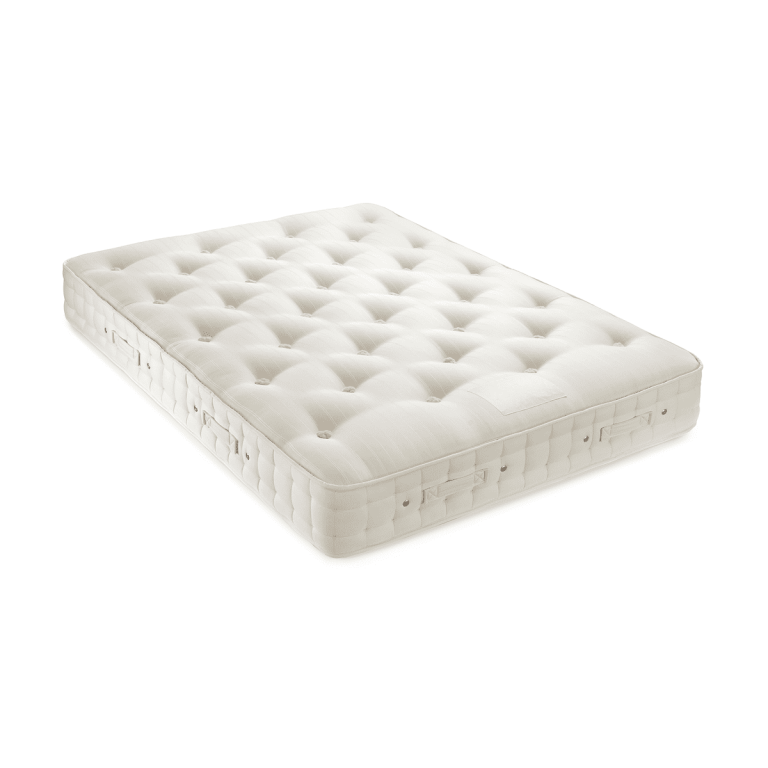
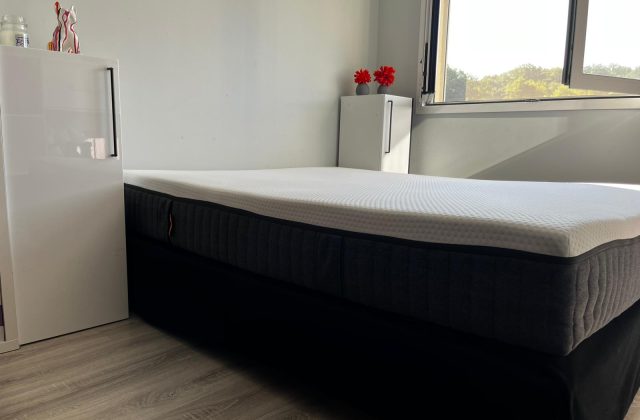
Makers’ labels are only a guide. In our test the Emma Original Pro felt firmer than Emma’s 3 out of 5, which suits back and front sleepers, while Origin’s medium-plush Hybrid Pro is the softer choice for a light side sleeper. Weight is the harder problem for couples. The NBF’s buying advice says partners whose weights differ by 3 stone (18kg) or more may need different mattresses, for example two singles zipped together with split tension. Bed Factory Direct sells the Hypnos Orthos Support 7 as a zip-and-link king, Ergoflex rates the 5G for up to 18 stone (114kg) per person, and TEMPUR states a capacity of about 150kg per side for the PRO SmartCool.
Delivery, trial and what a king costs
A king is heavy to move. Nectar lists its Premier Hybrid king at 44.4kg, and the TEMPUR, Hypnos and Emma Original Pro kings weigh 34kg to 38kg by their makers’ figures. Origin delivers the next working day on the UK mainland for orders before 9am, Emma in two to seven working days, TEMPUR in 14 to 28 days and Bed Factory Direct in four to six weeks for the Hypnos. Trials range from Ergoflex’s 30 days to Nectar’s 365 nights, and the Hypnos has none, so lie on it in a showroom for at least the 10 minutes the NBF recommends, in your normal sleeping position.
A king costs more than most people spend on a bed. In the NBF’s November 2021 survey of 500 recent buyers, 46% spent up to £399 and three quarters under £800. The NBF’s size guide also works out that every £100 spent on a bed costs 3.9p a night over seven years, so at the time of writing (September 2026) the gap between the cheapest and the dearest king here, about £2,160 at list prices, comes to roughly 84p a night. Our best mattresses ranking covers every size.