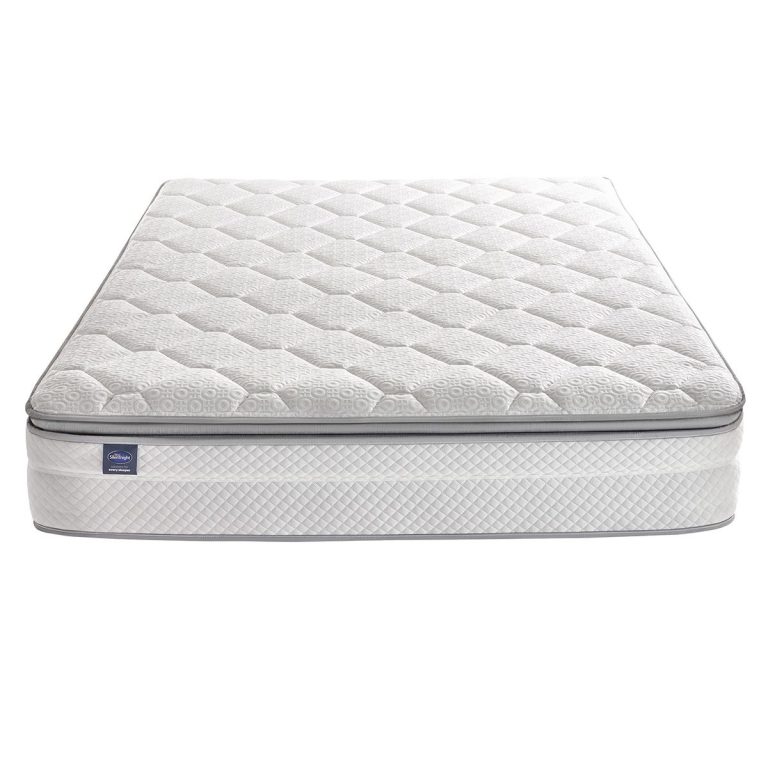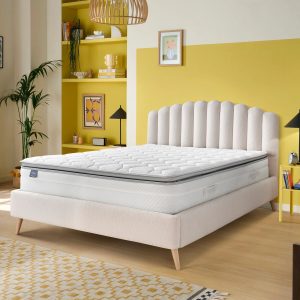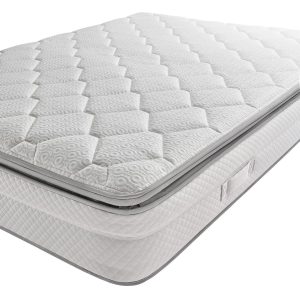


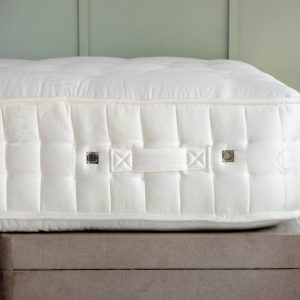
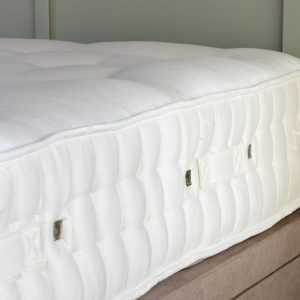
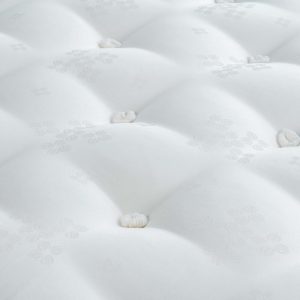
“Compare what sits on top of the springs before you compare the springs themselves: at 2000 the count is already generous, so the filling decides whether the bed feels right.”
What 2000 really tells you
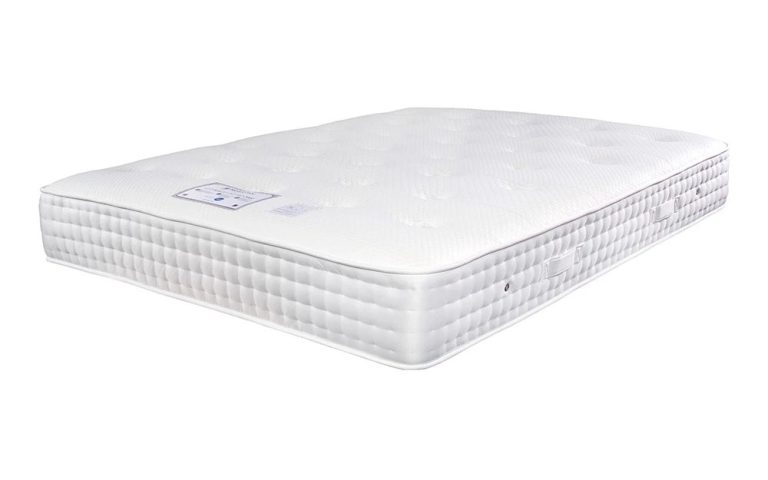
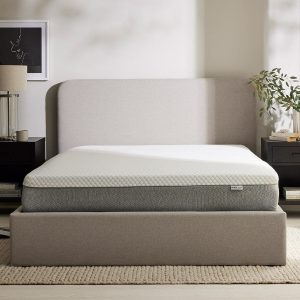
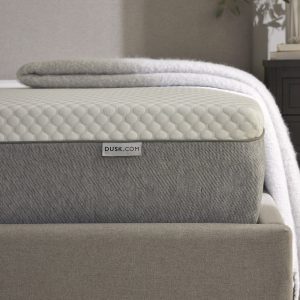
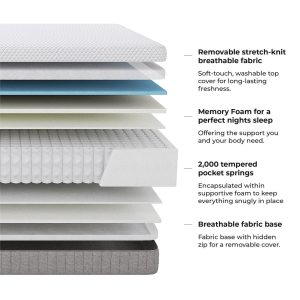
A spring count is a measure of the whole mattress, so it depends on size. DUSK, for one, states that its model has 2,000 springs in a king size, which means a single or double from the same range holds fewer. Across a 150x200cm king, 2,000 springs works out at about 667 per square metre.
That is already well past the bar set by Which?, whose lab experts suggest a density above 250 springs per square metre, equal to more than 640 springs in a UK double. Its testers add, “our tests show that more springs doesn’t mean better support.” So a 2000 mattress is not automatically better than a good 1000 pocket sprung mattress. It gives finer support for your money only if the rest of the build matches.
One layer or two
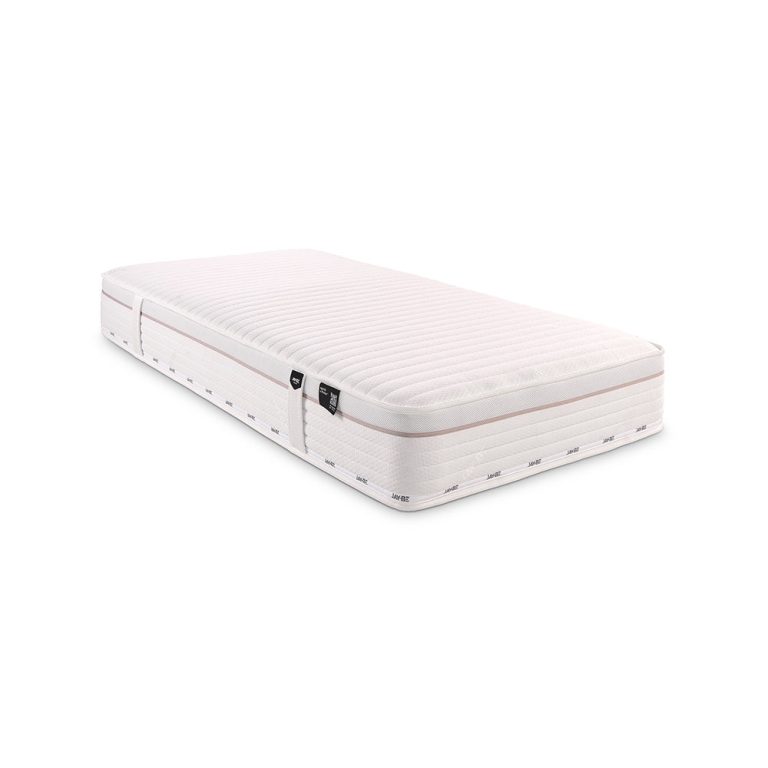
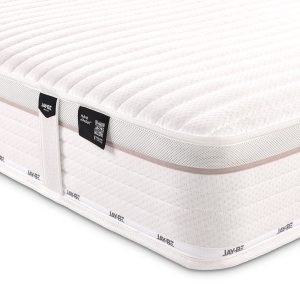
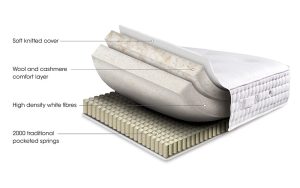
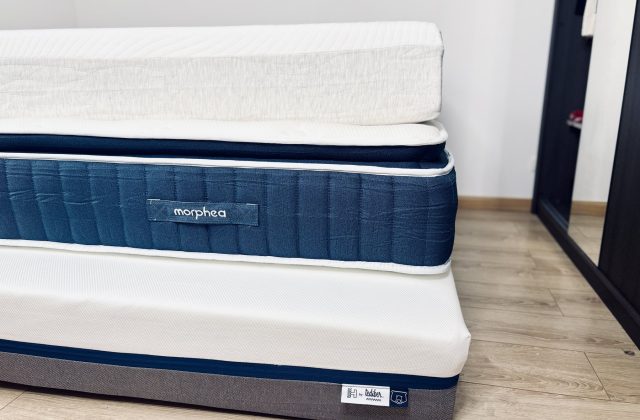
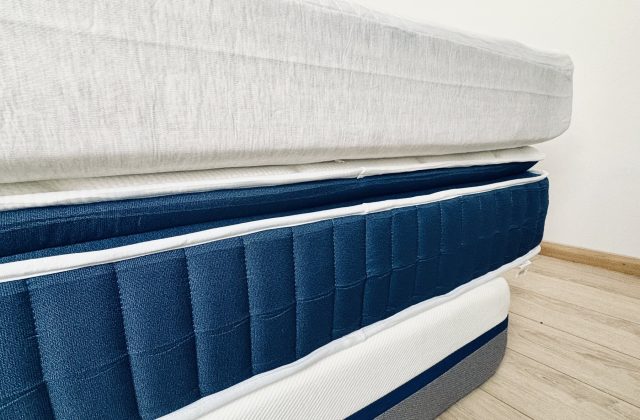
This is the difference the label hides. Sleepeezee and Dorma describe 2,000 traditional springs. Jay-Be reaches the same number with 1,000 deep springs and 1,000 small Micro e-Pocket springs above them. A two-layer build tends to feel more responsive at the surface, because the small springs react to your shoulder and hip, while the deep ones do the carrying. Neither is better for everyone, but they will not feel alike. When you compare two labels, ask each seller for the count in your size and whether it covers one layer or two, as the headline number alone will not tell you.
The top layer decides how it feels
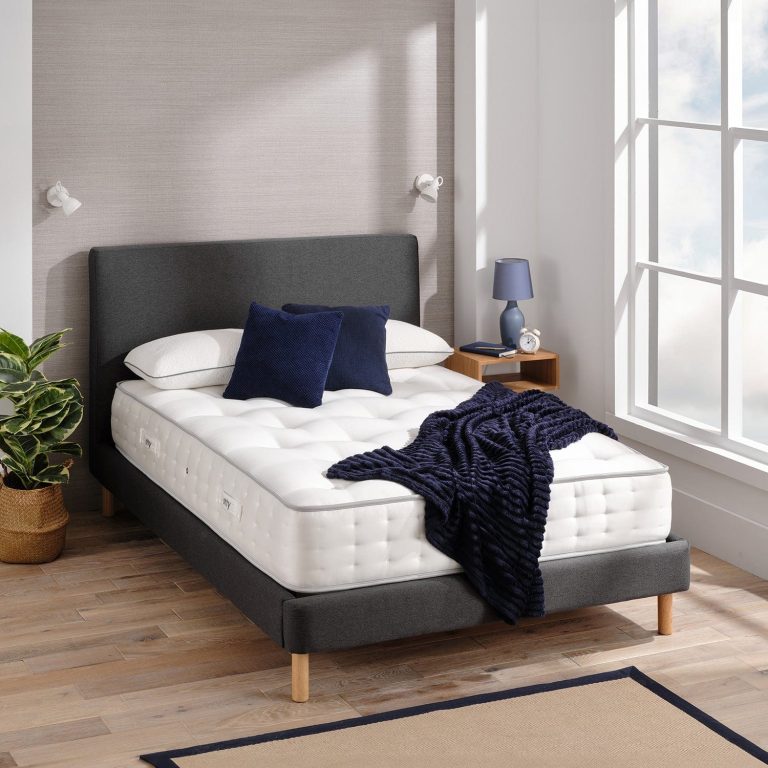
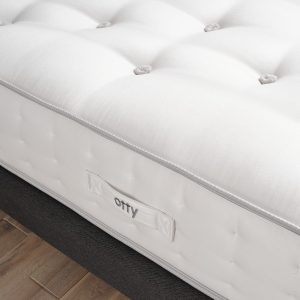
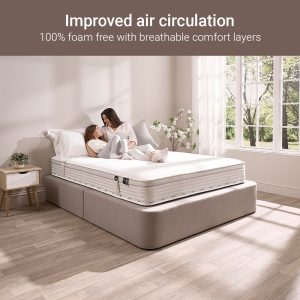
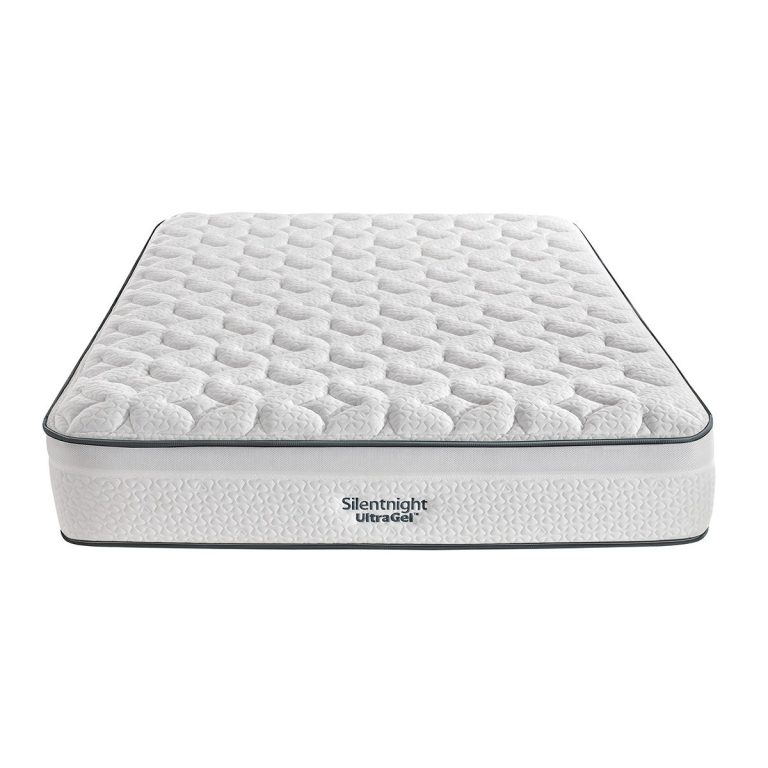
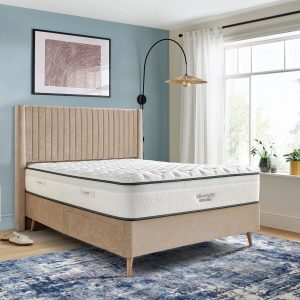
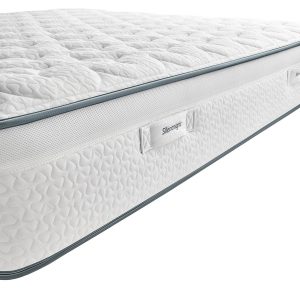
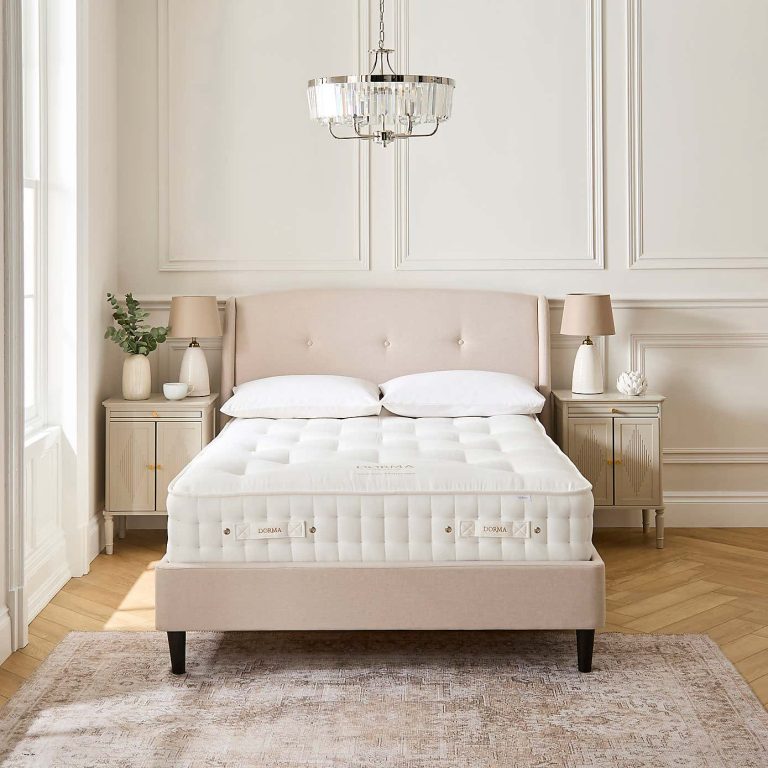
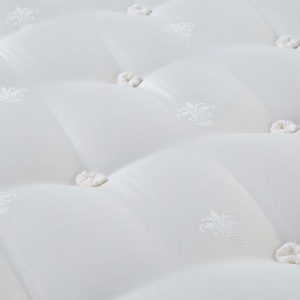
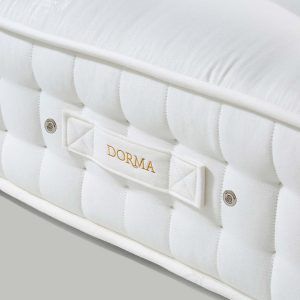
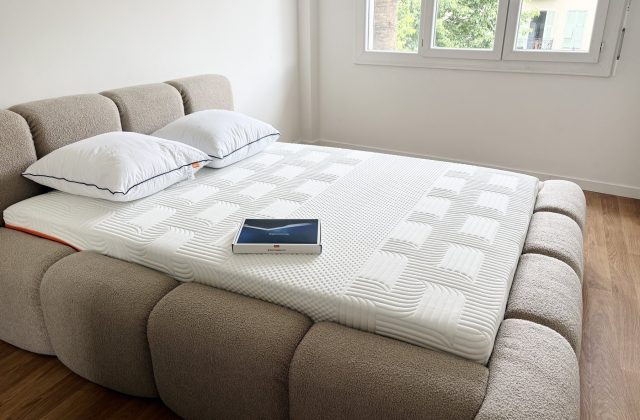
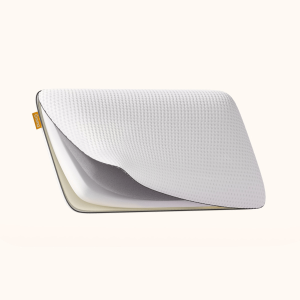
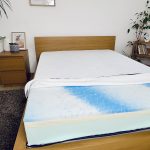
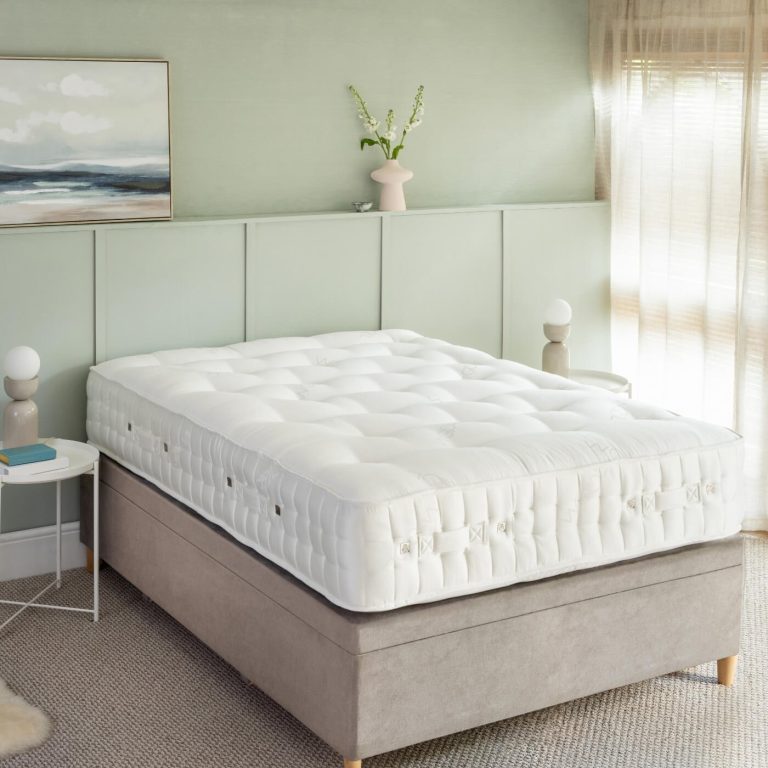
Warm sleepers should look at wool and cotton, as on the Soak&Sleep, OTTY and Dorma models. Side sleepers who want to sink in should look at memory foam or a gel layer, as on the Silentnight pair. Buyers who want no foam at all have Jay-Be and the natural-filled models, where the fibres feel firmer and flatter.
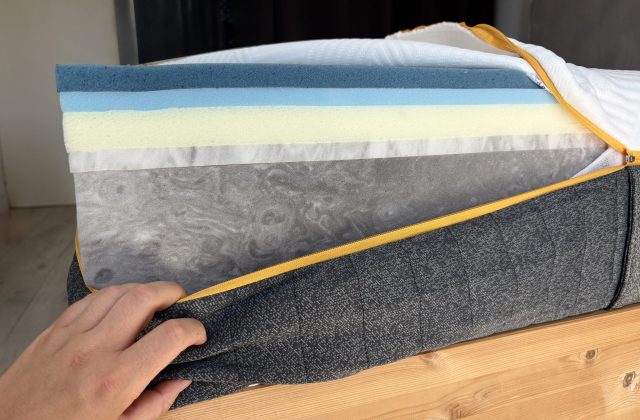
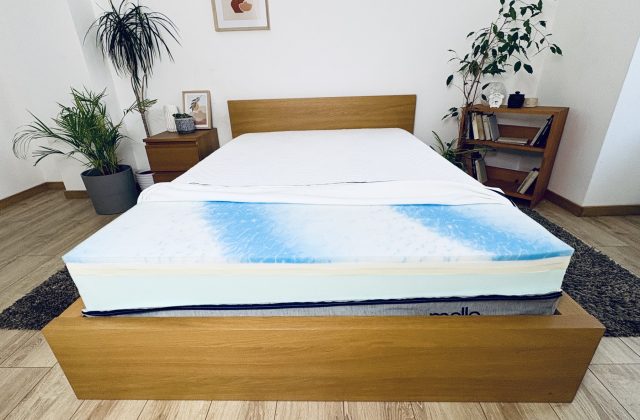
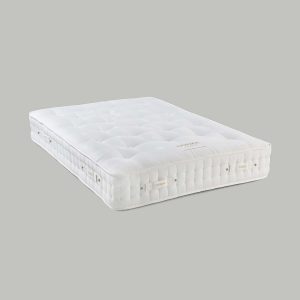
Natural fillings ask for more care. Dunelm asks you to turn the Dorma every two weeks at first, and wool will settle where you lie, which is normal and no sign of a fault. Foam-topped models only need rotating.
Depth and bedding
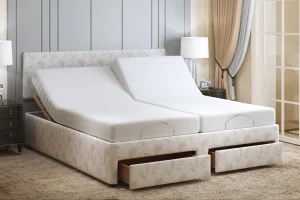
These mattresses range from 23cm to 31cm, and that matters more than it sounds. The 31cm Silentnight models need deep fitted sheets and sit noticeably higher against a headboard, while the 23cm Jay-Be suits a low frame or a bed with drawers you still want to reach.
What the bigger sizes cost
Most of these mattresses add about £100 between a double and a king. The UltraGel adds £180 and the DUSK only £50, so the cheapest model at one size stays the cheapest at the next. It is also worth checking the small double. Soak&Sleep and Silentnight charge the same for a 4ft as for a 4ft 6in, so if your frame takes either, you get the extra 15cm of width at no cost.