“Choose by your weight first and the maker's firmness number second, because a 2 out of 5 from one brand and a 6 out of 10 from another are not on the same scale.”
Most adults spend more of the night on their side than in any other position. In a 2017 study in Nature and Science of Sleep that tracked 664 working adults with accelerometers, participants spent 54.1% of their time in bed on their side, 37.5% on their back and 7.3% on their front, and the share of side sleeping rose with age and body mass index.
Soft at the shoulder, supported at the waist
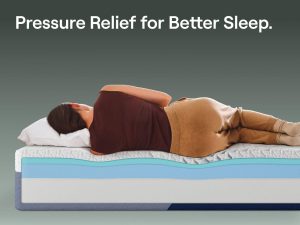
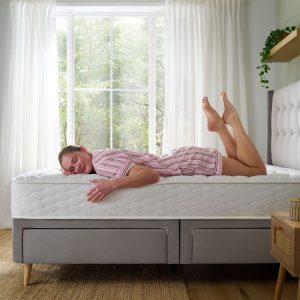
Lying on your side puts most of your weight through two narrow points, the shoulder and the hip, with the waist hanging between them. The National Bed Federation, the trade body for UK bed makers, puts the target in one line, “When you lie on your side your spine should be horizontal.” A mattress that is too firm pushes back at the shoulder and hip and bends the spine, while one that is too soft lets you sink until it drops out of line, as our back pain mattress and orthopaedic mattress rankings explain.
Sagging matters more on your side than on your back. In a sleep-lab study in Ergonomics (Verhaert et al., 2011), 17 healthy sleepers spent nights on a personalised support and on a deliberately sagging one, and the sagging set-up reduced sleep quality for people who sleep on their side or front.
Your weight sets how soft you should go
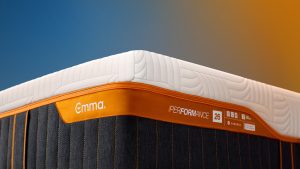
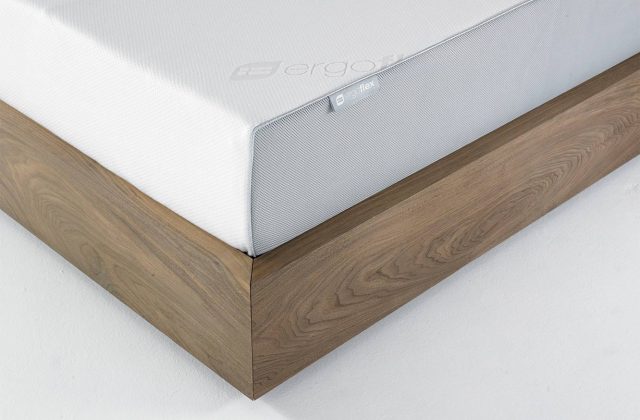
The NBF’s rule of thumb is that the heavier you are, the firmer the tension you will need, and that back sleepers may like a firmer feel than side sleepers. A light side sleeper barely compresses a medium-firm comfort layer, so the shoulder takes the pressure, while a heavy one can sink through a soft layer until the hips drop below the line of the spine. The makers say the same about their own models. Emma steers stomach sleepers and people of higher body weight away from the medium-soft Original Elite, and Ergoflex gives weight guidance of 18 stone (114kg) per person for the 5G. If every mattress feels hard to you, our best soft mattresses ranking goes further down the scale.
Firmness numbers do not travel between brands
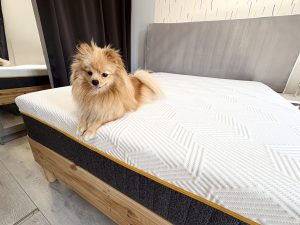
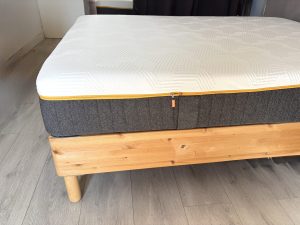
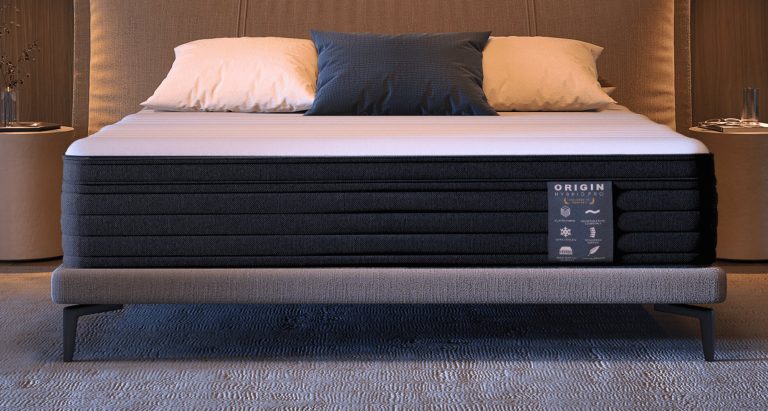
Emma rates the Original Elite 2 out of 5, OTTY puts the Pure Hybrid at 6.5 out of 10, Nectar calls its Premier 6 out of 10, Origin places the Hybrid anywhere between 6 and 7 depending on the sleeper’s weight and describes the Hybrid Pro only as medium-plush. None of these scales is shared. The NBF says there is no industry-wide standard to compare firmness ratings from one manufacturer to another. The table below gives each maker’s own rating instead of an invented common number. Specifications come from each maker’s UK product page and double prices from our check on 28 September 2026.
Zones, springs and heat
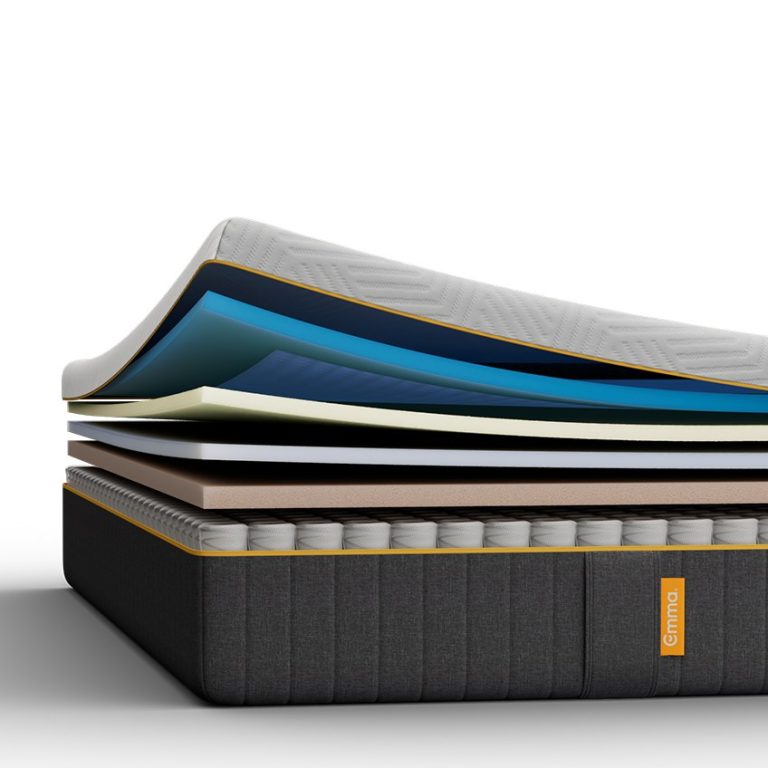
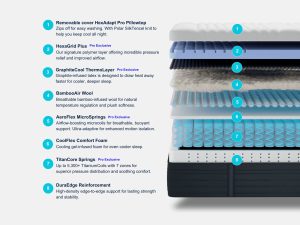
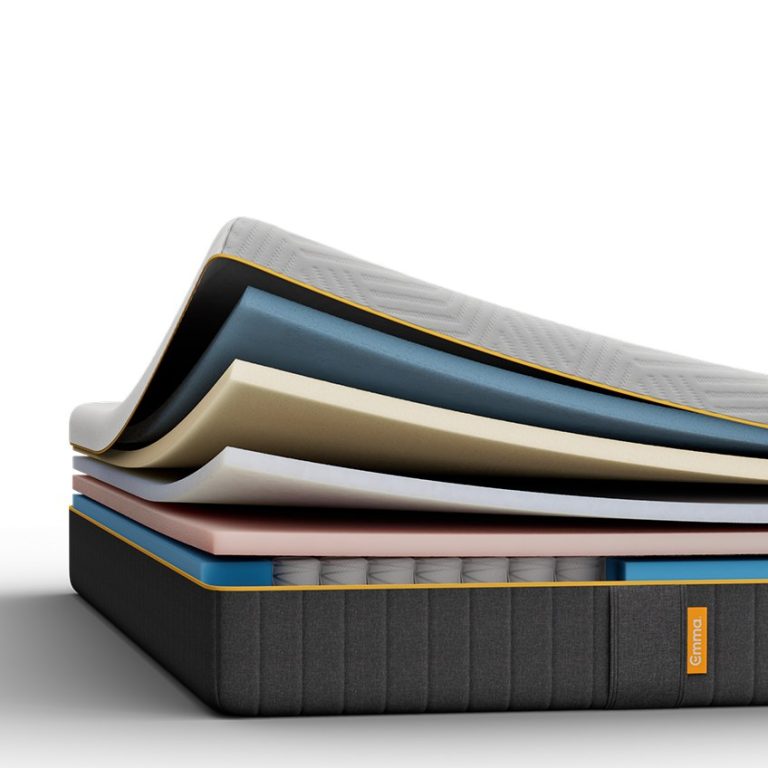
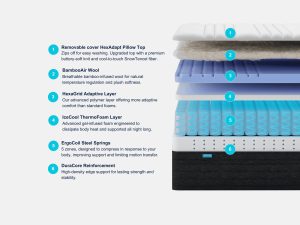
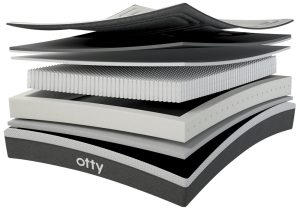
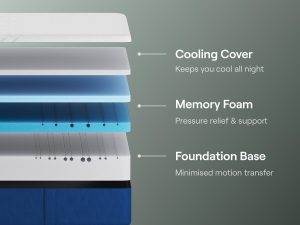
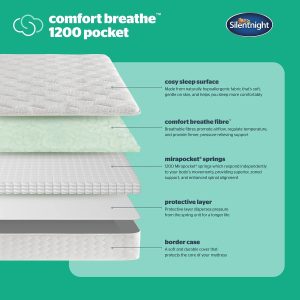
Zoning is how a mattress gives at the shoulder and holds at the hip. The NBF explains that spring units can be zoned across the middle to give extra support for heavier hips and shoulders. Seven zones in the two Emma hybrids and the Origin Hybrid Pro, five in the Origin Hybrid and 12 in the Nectar Premier’s honeycomb base are the makers’ own counts. Heat is the other trade-off, since sinking into a soft layer puts more of your body in contact with foam. The hybrids here put open or infused layers over the springs, such as the Emma Elite’s AirGrid lattice and the gel-infused foam in both Origins, and the Silentnight has a mesh border and no memory foam at all. The three all-foam picks hold more warmth, although the Ergoflex adds a 5cm airflow layer and Nectar uses a cover with extra cooling fibres.
When a topper is enough
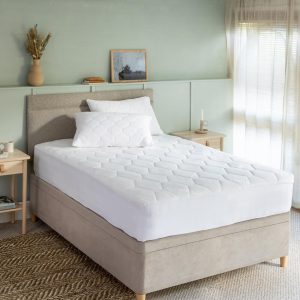
If your mattress is younger than the seven to 10 years after which the NBF suggests asking whether you need a new bed, and it is simply too firm, a soft topper adds give at the shoulder for much less than a new mattress (our best mattress toppers ranking covers the options). A topper will not rescue a mattress that already dips, which the Ergonomics study found side sleepers feel most. Hip pain that gets worse when you lie on your side is not always the mattress’s fault. The NHS lists bursitis among the causes and advises seeing a GP if hip pain is affecting your sleep.