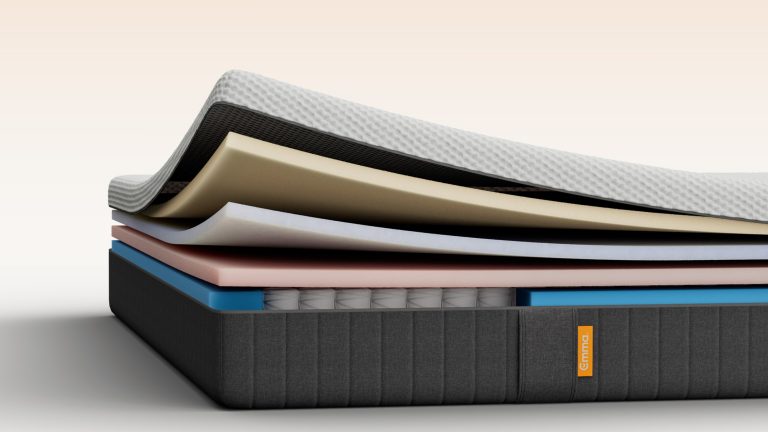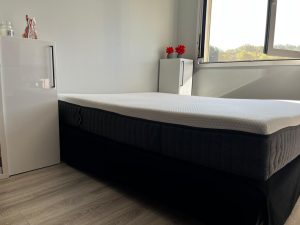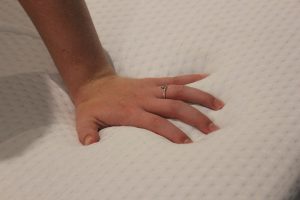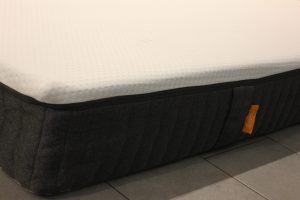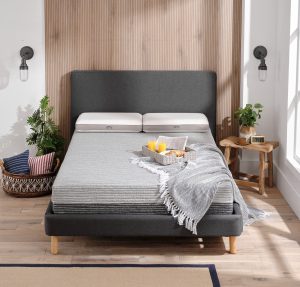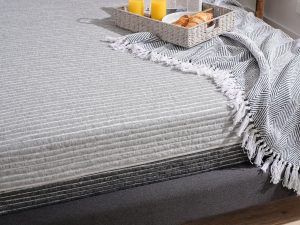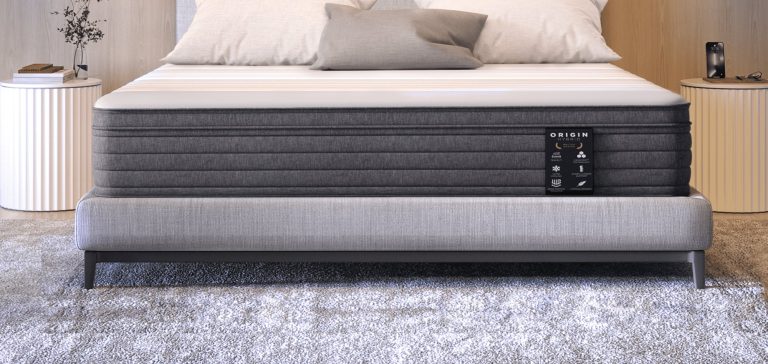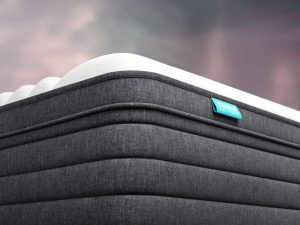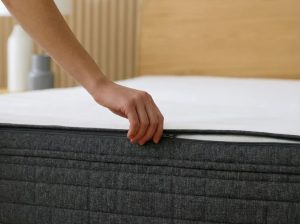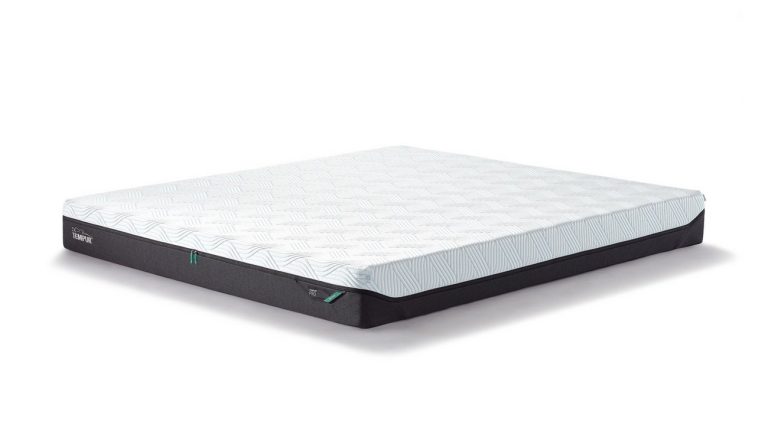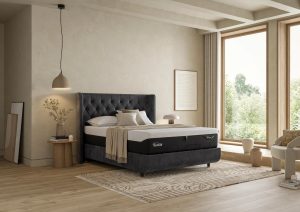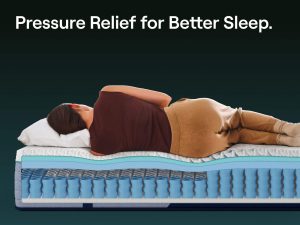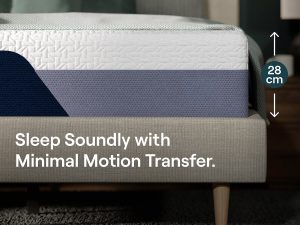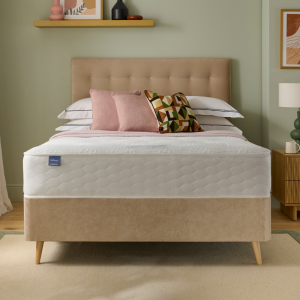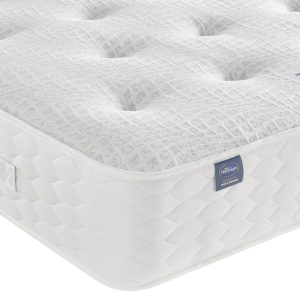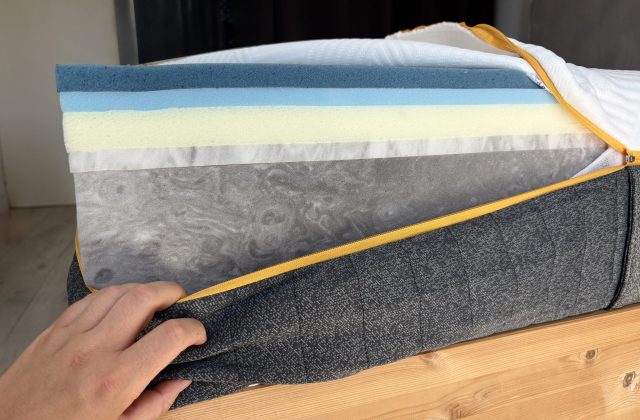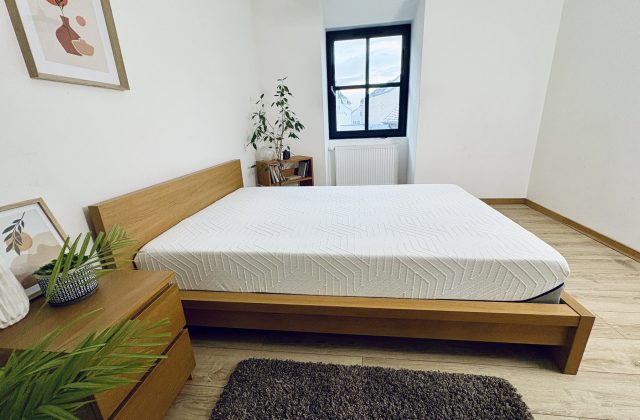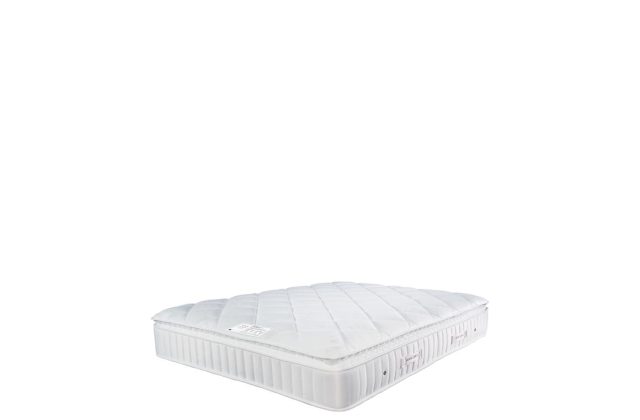




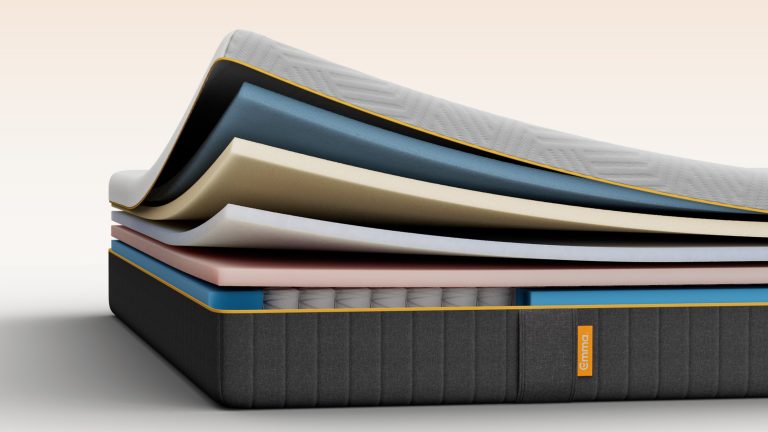
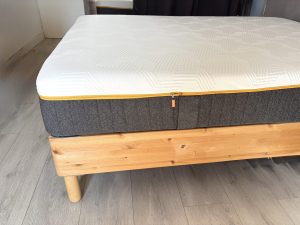
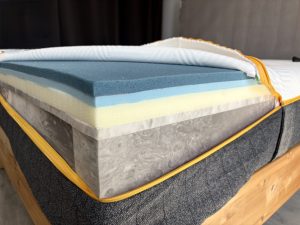
“The Emma Original Pro is the mattress we would point most people with back pain to first. Its zoned springs keep the hips level and its medium-firm feel suits back sleepers especially well, and side sleepers and heavier sleepers will find a good match further down the page.”
Low back pain affected an estimated 619 million people worldwide in 2020, according to the Global Burden of Disease study published in The Lancet Rheumatology. A mattress will not cure it, but the right one stops your bed adding to it.
Medium-firm does better than firm in trials
The most cited study is a randomised, double-blind trial of 313 adults with chronic low back pain, published in The Lancet by Kovacs and colleagues in 2003. After 90 days, people given a medium-firm mattress (5.6 on the European H(s) scale, where 1 is the firmest) had better outcomes than those on a firm one (2.3) for pain in bed, with an odds ratio of 2.36, and for disability, with an odds ratio of 2.10. The H(s) scale runs the opposite way to the 1 to 10 ratings most brands and this page use, where 10 is the firmest.
Two later reviews point the same way. A 2015 systematic review of 24 controlled trials in Sleep Health (Radwan et al.) found a mattress rated medium-firm and custom-inflated to be optimal for sleep comfort, quality and spinal alignment. A 2021 review of 39 studies in the Journal of Orthopaedics and Traumatology (Caggiari et al.) concluded that a medium-firm mattress promotes comfort, sleep quality and spinal alignment. The full field is in our best mattresses 2026 ranking.
Your weight and position move the target
Firm is not automatically better, as the trials above show. Too firm, and your shoulders and hips take the pressure. Too soft, and the spine sags out of line. For most adults the target sits in the middle, which our ranking of medium-firm mattresses covers beyond the back-pain picks here.
Zones, springs and edges
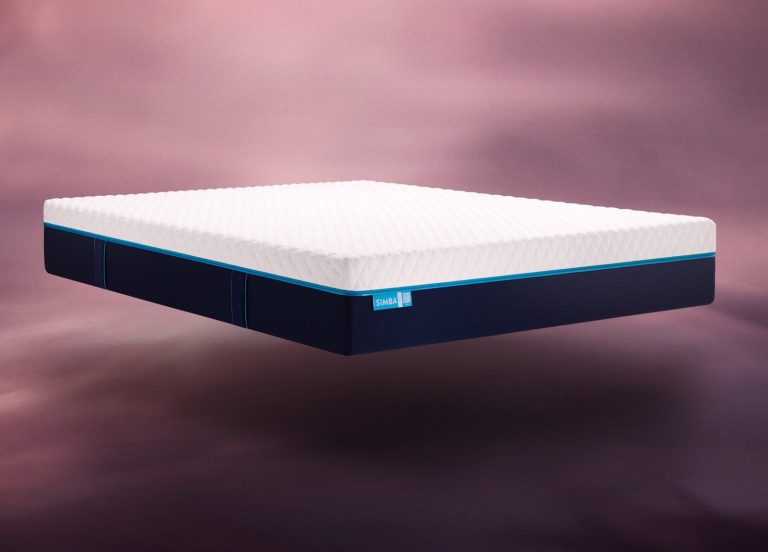
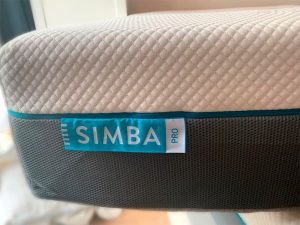
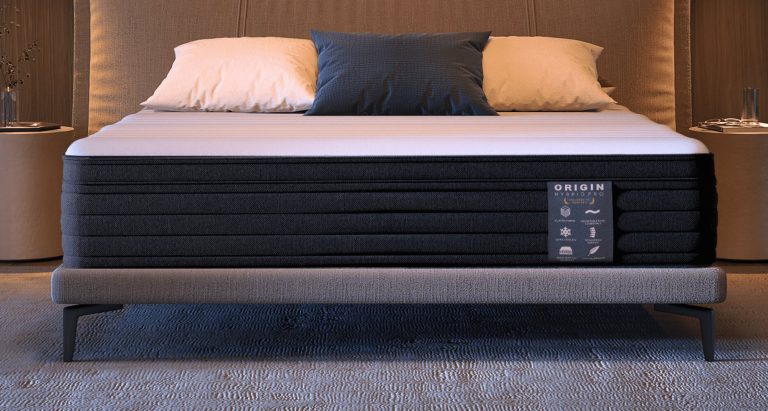
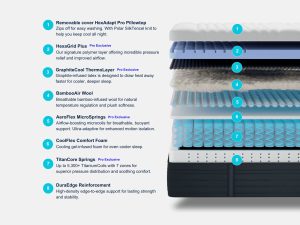
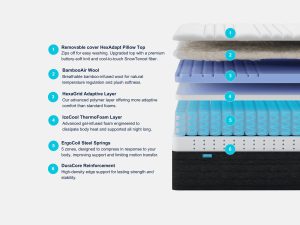
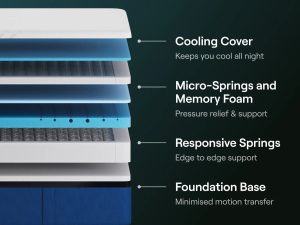
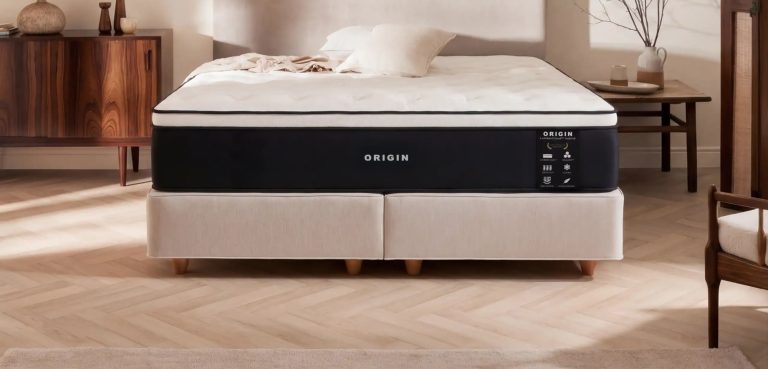
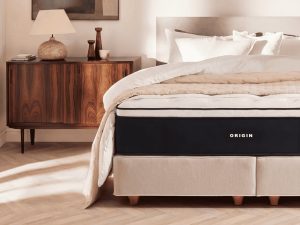
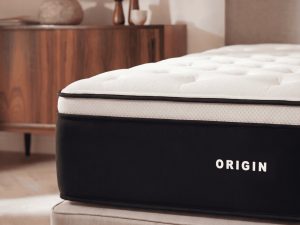
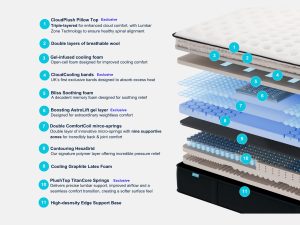
Zoning puts firmer support under the heavy pelvis and more give under the shoulders, so the spine stays level on your side and your lower back does not dip on your back. The Emma Original Pro and the Origin Hybrid Pro have seven zones, the Emma Original and the Origin Hybrid five, and the Origin LumbarCloud nine, reinforcing the centre third of the bed. Simba takes a different route, with a base of steel SupportCore springs under its microsprings.
Replace a tired mattress before you blame your back
Age matters as much as type. In two studies by Jacobson and colleagues (Applied Ergonomics, 2008, and Journal of Chiropractic Medicine, 2009), participants’ own beds averaged 9.5 years old, and 28 days on a new medium-firm bed reduced back discomfort and improved sleep quality. The National Bed Federation lists owning a mattress for more than seven to ten years among the signs you may need a new one. If yours is younger and simply too firm, a topper can soften the surface, though it will not rescue a mattress that already sags (see our best mattress toppers).
Use the trial as part of the test
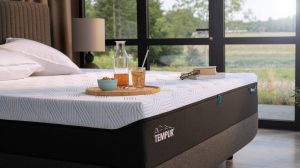
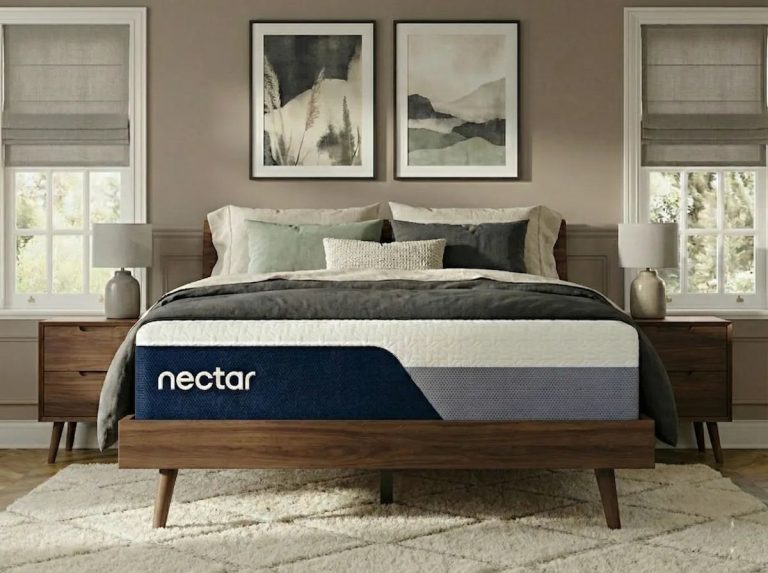
Trials on this page run from 60 nights at Silentnight, through 100 nights at TEMPUR and OTTY and 200 at Emma, Simba and Origin, to 365 nights at Nectar.
Specifications below come from each maker’s UK product page and double prices from our check on 28 September 2026.
Backache and lower back pain
Most backache does not need a new mattress. The NHS back pain page says lower back pain is very common and usually improves within a few weeks, and its advice is to stay active and not to stay in bed for long periods. Lower back pain that keeps coming back is where the mattress evidence applies, because the trials above recruited people with chronic non-specific low back pain, and medium-firm beat firm for exactly that group. For that kind of pain, look for a medium-firm surface with firmer zoning under the pelvis, such as the seven-zone Emma Original Pro. If the pain has lasted beyond a few weeks of home treatment, see a GP before you spend money on a mattress.