“A foam mattress is only as cool as its cover and its room, so treat a cooling claim as the maker's promise rather than a measured result. After that, take the longest trial you can get, because foam takes weeks to judge.”
What counts as a foam mattress
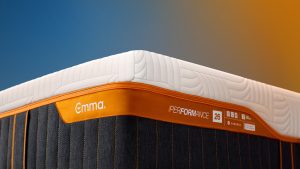
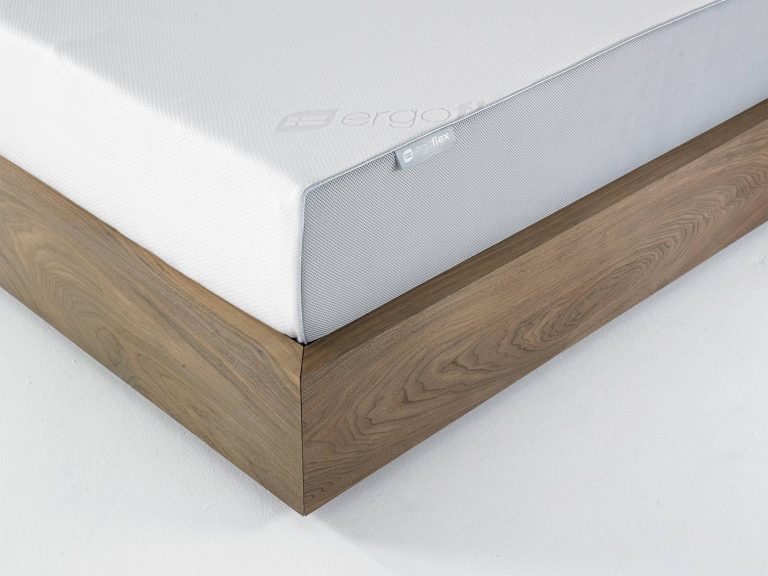
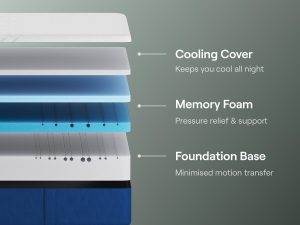
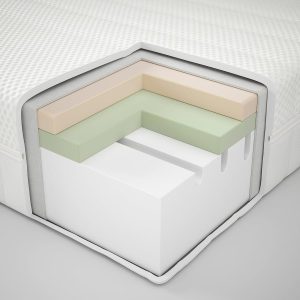
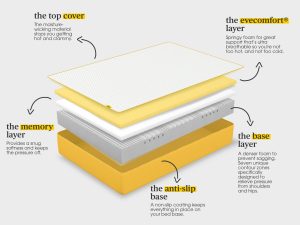
Every mattress in this ranking is all-foam, with no springs anywhere in the build. Within that, three kinds of foam do different jobs. Visco-elastic memory foam softens with body heat and moulds slowly, as in the 9cm layer of the Ergoflex 5G or TEMPUR’s own material. Polyurethane support foam forms the base of all ten mattresses and decides how well they resist sagging. Open-cell or point-elastic comfort foams, such as Emma’s Airgocell and GhostBed’s Ghost Bounce, recover faster and feel less like sinking in. If you want the slow hug of memory foam in particular, our memory foam mattress ranking narrows the field, and if you would rather have foam over springs, the hybrids are in our hybrid mattress ranking.
The table sets the ten side by side on the specifications that matter for foam. Depth, layers, firmness, trial and certification come from each maker’s UK product page.
Heat is the complaint to solve first
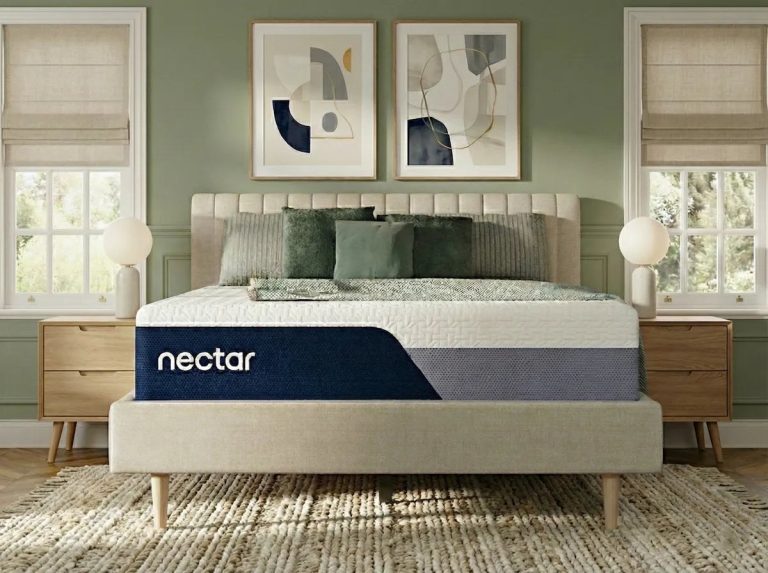
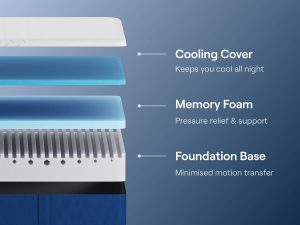
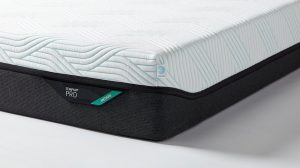
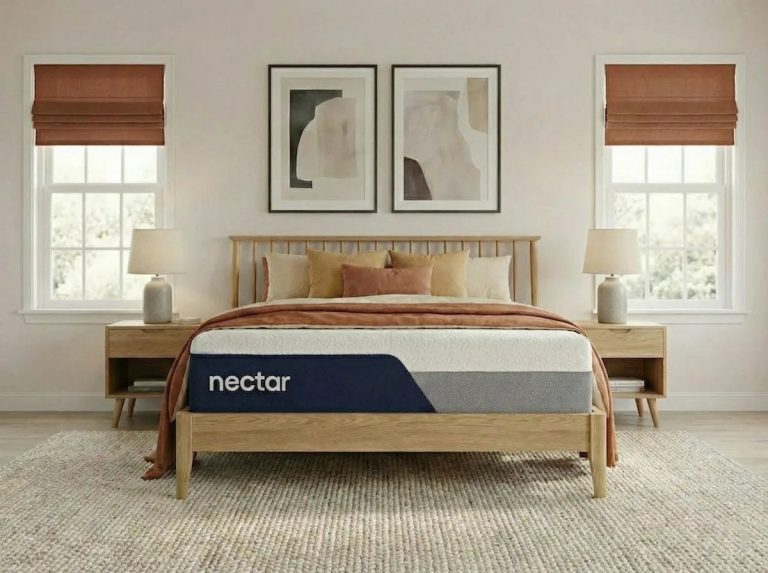
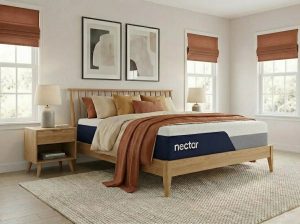
Warmth is where foam mattresses most often disappoint, because a dense layer that moulds to you also keeps your heat close. The makers answer it in different ways. The Ergoflex 5G puts a 5cm airflow layer under its memory foam, the Soak&Sleep uses gel-infused quilting, TEMPUR fits a SmartCool cover to the PRO, and Nectar says the Premier’s cover carries 40% more cooling fibres than the Classic’s. Treat all of them as the makers’ claims rather than measured results. The room matters as much as the mattress, and The Sleep Charity puts the ideal bedroom temperature at around 16 to 18°C, warning that anything over 24°C is likely to cause restlessness.
Sharing a bed
Motion isolation is memory foam’s strongest suit: with no springs to carry movement across the bed, an all-foam mattress suits a light sleeper who shares with a fidget. The trade-off is that the moulding can make it harder to turn over or get out of bed than on a pocket-sprung mattress. Heavier couples should check the weight guidance where a maker publishes one. Ergoflex, for example, recommends the 5G for people up to 18 stone (about 114kg) each, or 30 stone combined, on its FAQ page.
Firmness and back pain
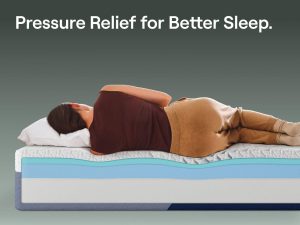
Medium-firm has the better evidence behind it. In a randomised, double-blind trial of 313 adults with chronic non-specific low back pain, Kovacs and colleagues (The Lancet, 2003) found that people on a medium-firm mattress (5.6 on the H(s) scale) had better outcomes after 90 days than those on a firm one (2.3), for pain in bed and for disability. Nine of the ten mattresses here are sold or placed at medium-firm. The Emma Original Classic is the softer exception and suits lighter side sleepers better than heavy back sleepers. If you still want the firmer end, our firm mattress ranking covers it.
Lifespan, certification and the trial
The National Bed Federation recommends replacing a mattress every seven to eight years, around 20,000 hours of use, and its 2019 consumer research found people replaced their bed every 6.9 years on average. For the foam itself, the CertiPUR label means it is made without heavy metals such as mercury, lead or cadmium, without phthalate plasticisers and with low VOC emissions; the label lasts three years, with control tests every year. Four of the ten name CertiPUR on their product pages: the Ergoflex 5G, both Nectars and the Soak&Sleep. Trials run from 30 nights (Ergoflex) to 365 (Nectar, and IKEA as an exchange). If you have never slept on memory foam, a longer trial gives you more time to judge it, and Ergoflex advises allowing up to 21 nights to get used to the 5G, which leaves nine nights of its trial to decide.
Prices by UK size
The rank cards show each mattress at its lowest price, usually a single. The table lists every UK size each one is sold in, from our product records checked on 28 September 2026, and sales move these figures often. Only four of the ten come as a small double (120x190). For a 135x190 across all constructions, sprung and hybrid included, see our double mattress ranking.