“A small double is generous for one sleeper and tight for two, at 60cm each. If a second person will sleep in it most nights, measure the room for a 4ft6 double before you buy.”
Who a small double suits, and when two is too many
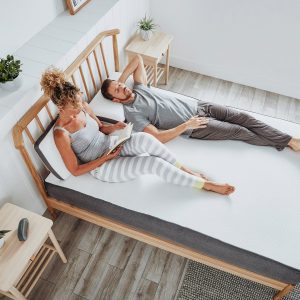
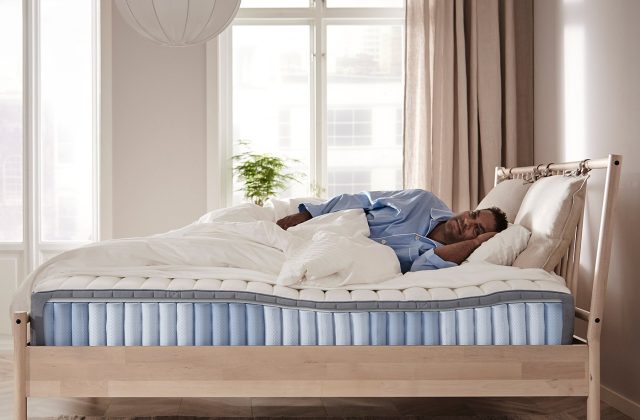
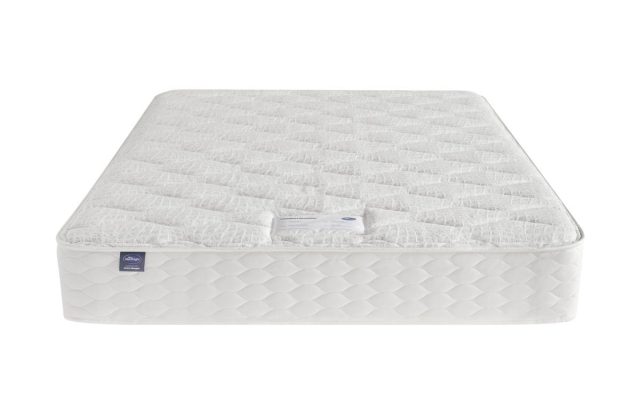
A small double suits one adult, a teenager or a guest room best, and two adults only now and then. The National Bed Federation’s UK size guide sets it at 120 x 190cm (4ft x 6ft3in), 15cm narrower than a standard 135 x 190cm double. Shared between two, that leaves each sleeper 60cm, two-thirds of the width of a single mattress. The NBF, the trade body for UK and Irish bed makers, puts it plainly:
“Although two people can share a small double (120cm or 4ft wide) bed, we would only suggest this size as an occasional bed for two people.”
If you are unsure, use the NBF’s showroom test. Lie on your backs with your hands behind your heads, and if your elbows touch, the bed is too narrow for two. The same guide also advises a bed at least 10cm longer than the tallest sleeper, so anyone taller than about 180cm (5ft11in) will find a 190cm small double short. If two of you will share most nights, our double, king size and super king rankings cover the wider sizes.
Medium-firm for most, firm by choice
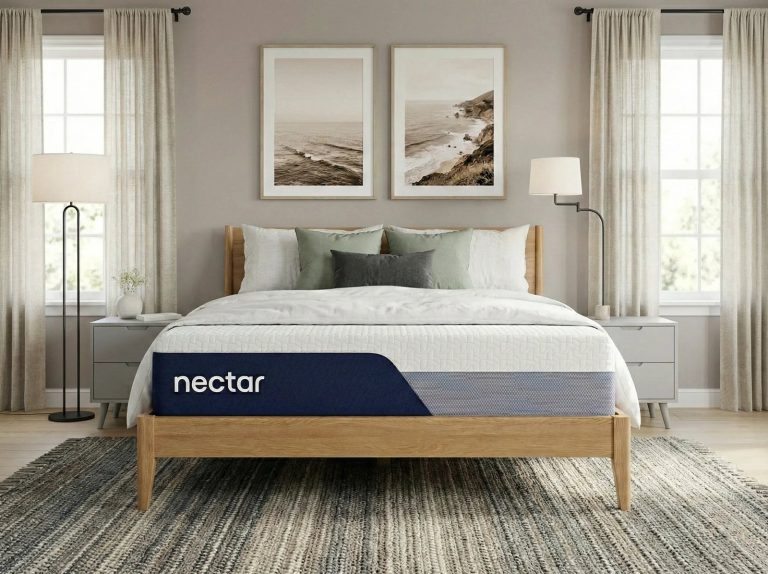
Choose medium-firm unless you already know you sleep better on a firm bed. In a randomised trial of 313 adults with chronic low-back pain published in The Lancet in 2003 (Kovacs et al.), those given a medium-firm mattress had better outcomes after 90 days than those on a firm one, for pain in bed (odds ratio 2.36) and for disability (odds ratio 2.10). A 2015 systematic review of 24 articles on controlled trials in Sleep Health (Radwan et al.) found a medium-firm mattress that the sleeper can adjust by inflation optimal for sleep comfort, quality and spinal alignment. None of the mattresses here is inflatable, so medium-firm is the part of that finding you can act on, and eight of the ten are sold as medium-firm. The Nectar Classic Hybrid is rated medium at 5 out of 10, and the Silentnight Comfort Breathe 1400 Pocket Ortho, which Silentnight aims at sleepers with a heavier build, is the firm choice. Our firm mattress comparison has more of them.
The ten small doubles side by side
Depth, firmness, trial and guarantee come from each maker’s UK product page, and the price is the small double price itself.
Getting it into a small room
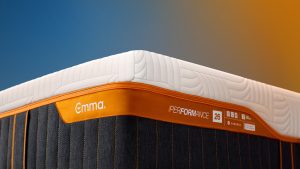
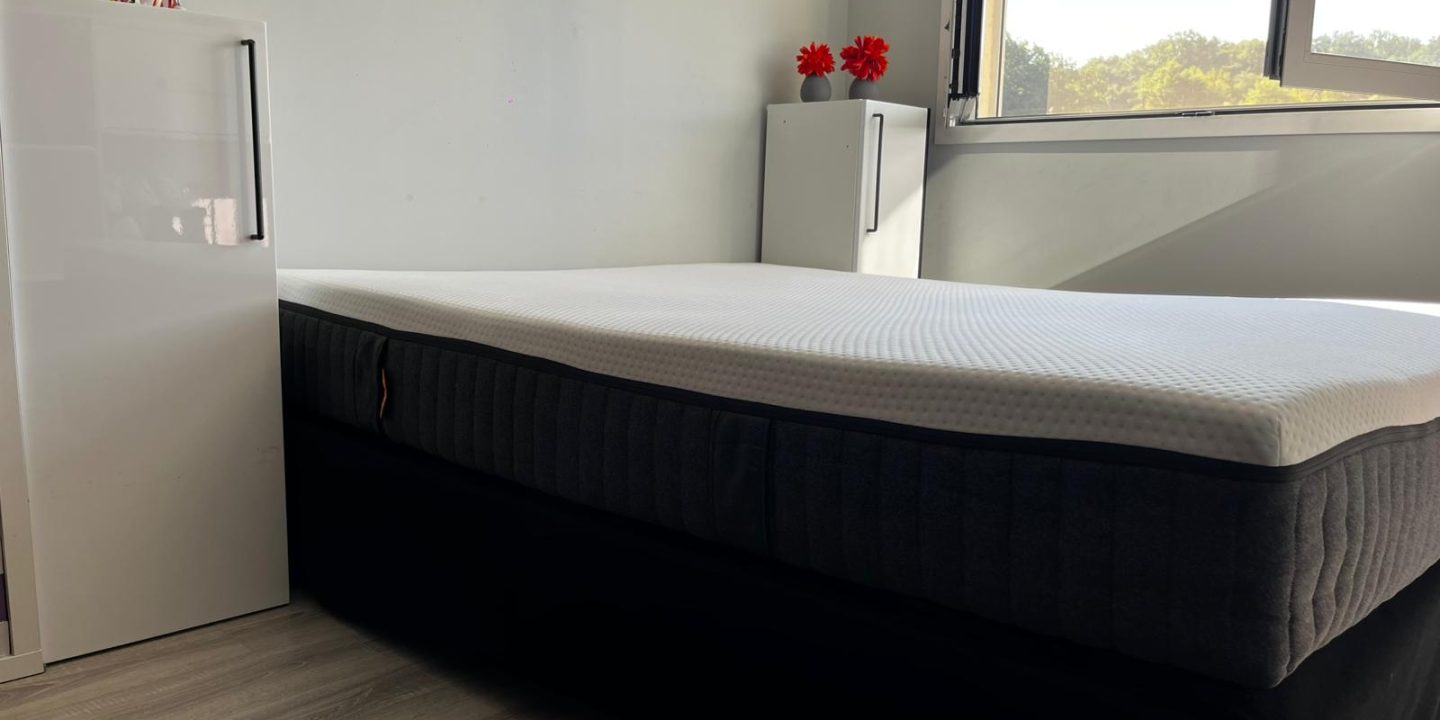
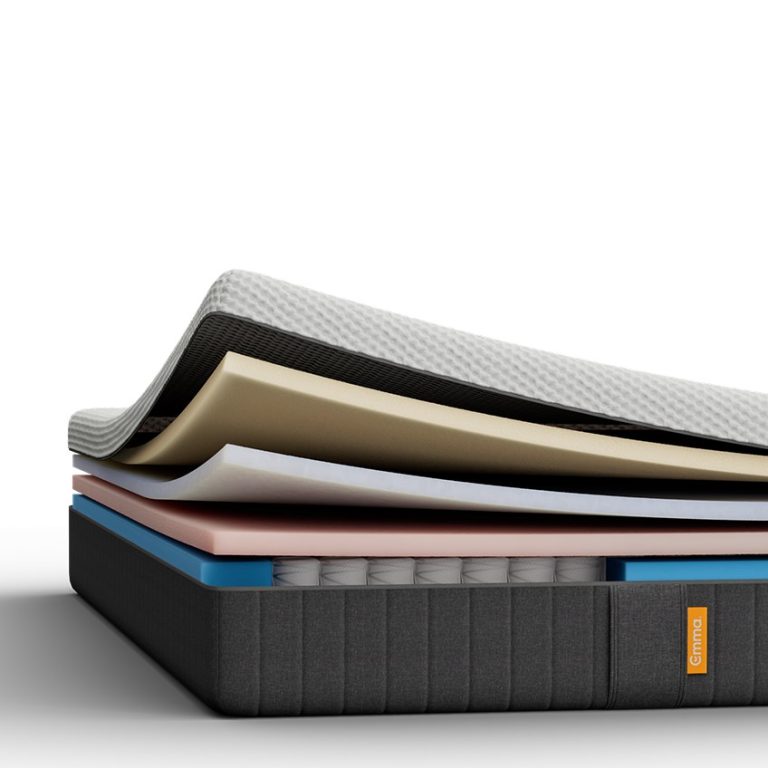
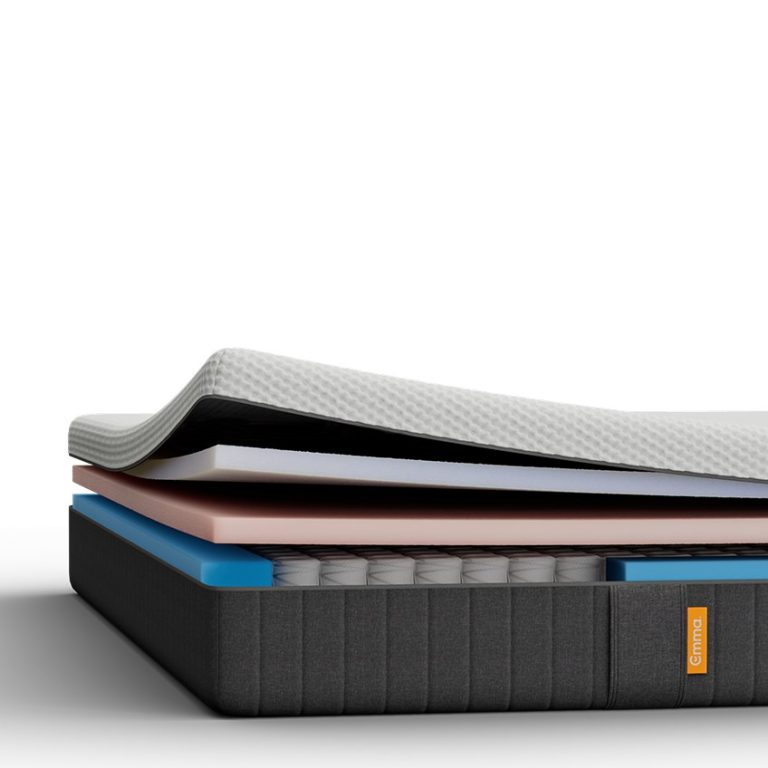
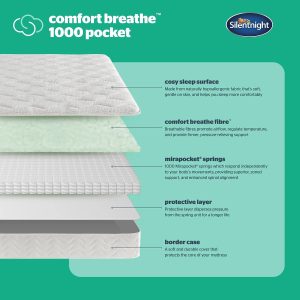
A 4ft bed usually goes into the smallest bedroom in the house, often up a narrow or turning staircase, so check how the mattress arrives. The Emma Original came rolled in a box when we tested it. Silentnight’s Comfort Breathe mattresses are made to order, with delivery within 14 days, and Silentnight’s guarantee page reserves its 10-year guarantee for the rolled Sleep Now range, so these two carry five years. Depth runs from 22cm on the Emma Original Lite to 28cm on the Silentnight 1400 Ortho, which needs deep-pocket fitted sheets.
Trial terms and the cost per night
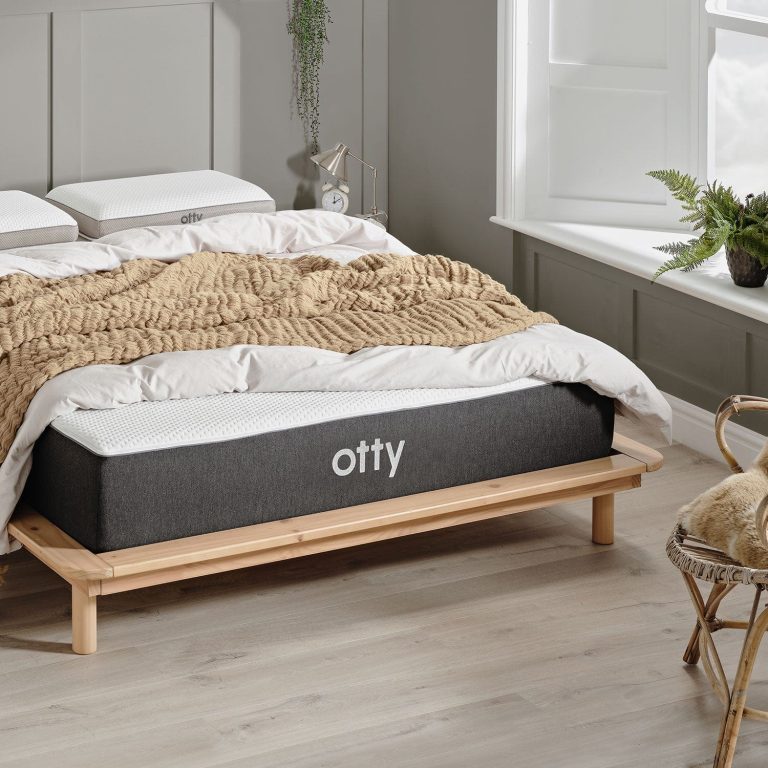
In a spare room slept in a few nights a month, a problem takes longer to show, so the trial matters more than usual. Nectar gives 365 nights with a refund, Emma, Simba and Origin 200, OTTY and Panda 100. IKEA’s 365 nights and Silentnight’s 60 are exchanges rather than refunds, and Silentnight requires at least 28 nights of use before a swap. Retailers without a home trial can be stricter still, and Dunelm’s returns policy says an unwrapped mattress cannot be returned unless it is faulty, so keep one bought on such terms sealed until you are sure.
The NBF calculates that every £100 spent on a bed costs 3.9p a night over seven years, which puts the Emma Original, at £479 in small double at the time of writing, at under 19p a night and the IKEA Valevåg, at £179, at about 7p. The NBF’s bed buyers’ guide suggests asking whether a mattress needs replacing once it is seven to 10 years old, and lists occasional use of a spare bed among the things that change how long one lasts.