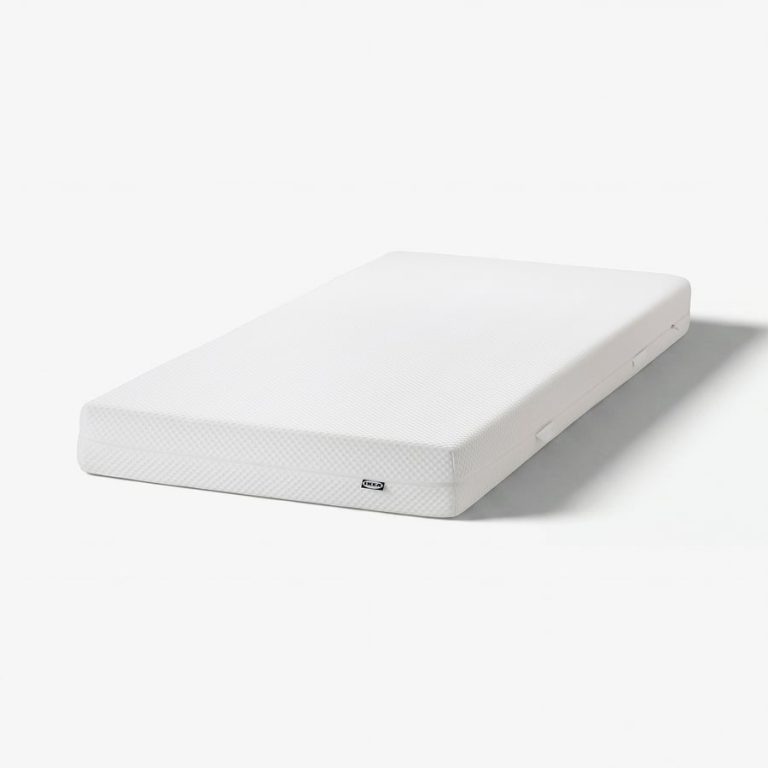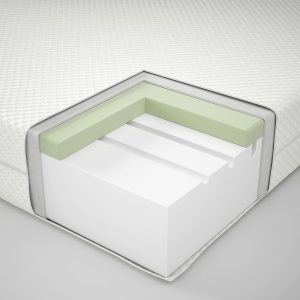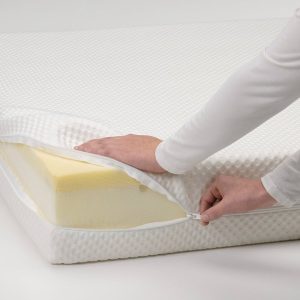

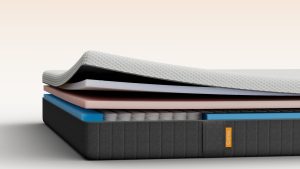
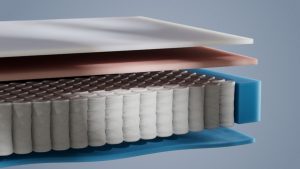
“Start from the depth your frame allows and leave enough rail showing to lean on, then pick the most comfortable mattress at or under that depth.”
Measure the frame and read its depth limit
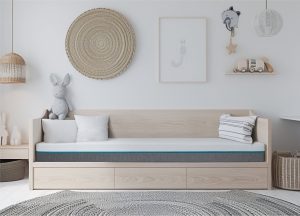
Most UK day beds take a standard 90x190cm single, but not all. Ideal Home reports that IKEA’s 80x200cm mattress is sold specifically for day beds and extendable children’s beds, and bedroom specialist Benjamin Davies says IKEA keeps European sizes for “‘non-traditional’ frames, such as day beds, junior beds, bunk beds and select sofa beds”. So measure inside the frame, because a 90x190 will not fit an 80x200 day bed. Then look for a depth limit. There is no general rule: Which? notes there is no standard mattress depth, and one pull-out model we checked, sold by Vente-unique, recommends a mattress under 13cm. Follow your own frame’s figure, especially on anything a child will use.
Choose by depth
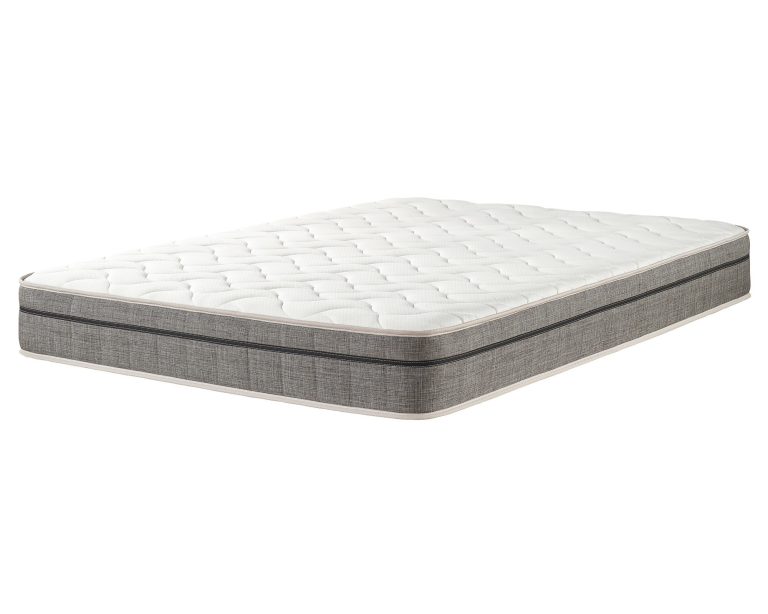
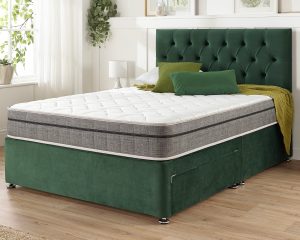
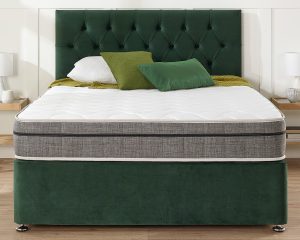
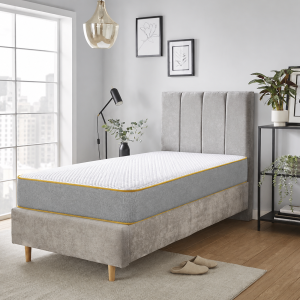
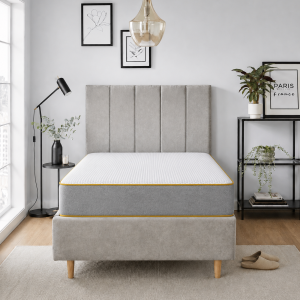
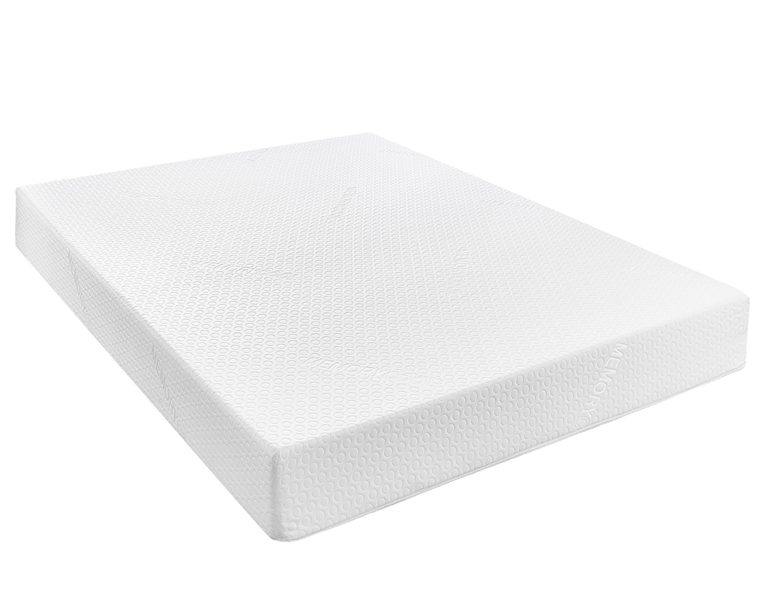
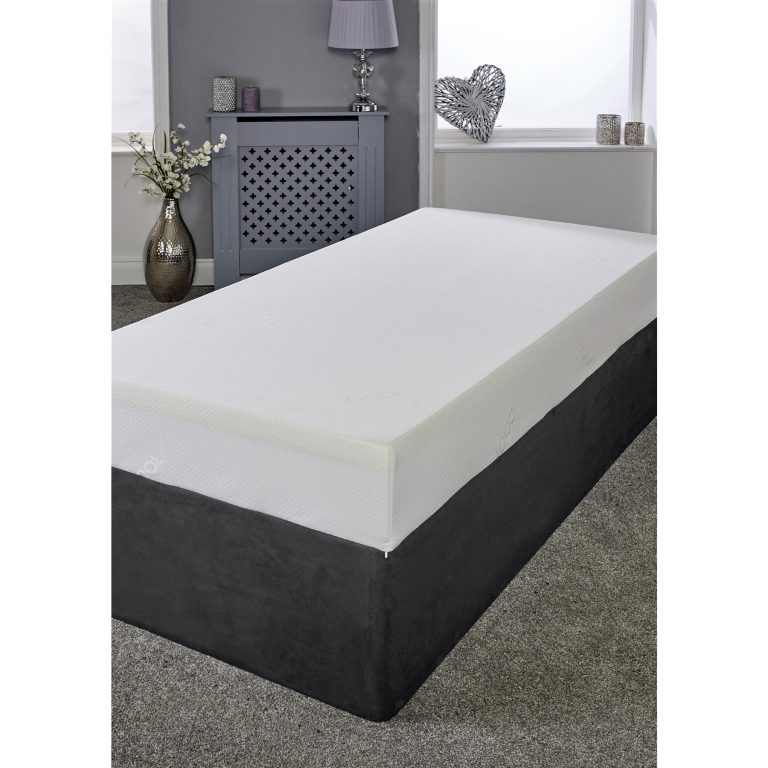
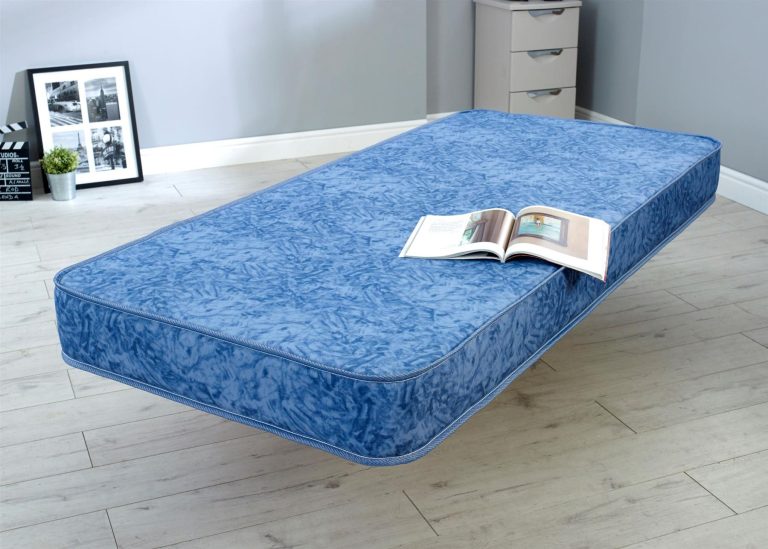
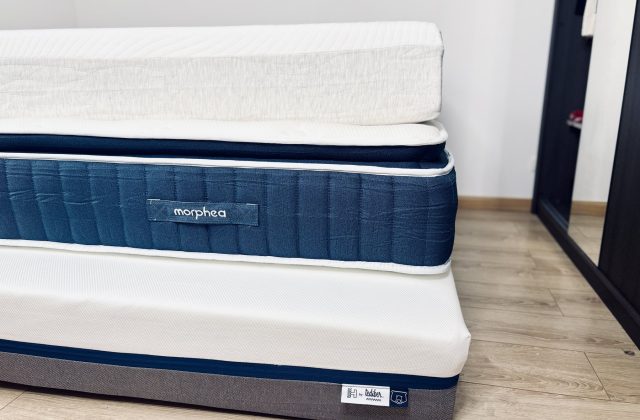
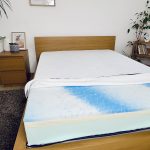
A deeper mattress sleeps better, and a shallower one sits lower against the back rail and looks more like a sofa. On a typical day bed for occasional guests, we find 15 to 23cm a good balance, with the shallower end looking more like a sofa. For nightly use by an adult, go for 20cm or more if the frame allows it, because mattresses of 15cm or less suit lighter sleepers and occasional use.
The edge takes more punishment than on a normal bed
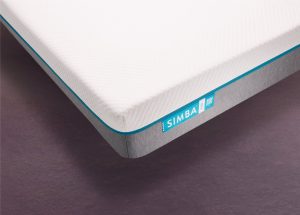
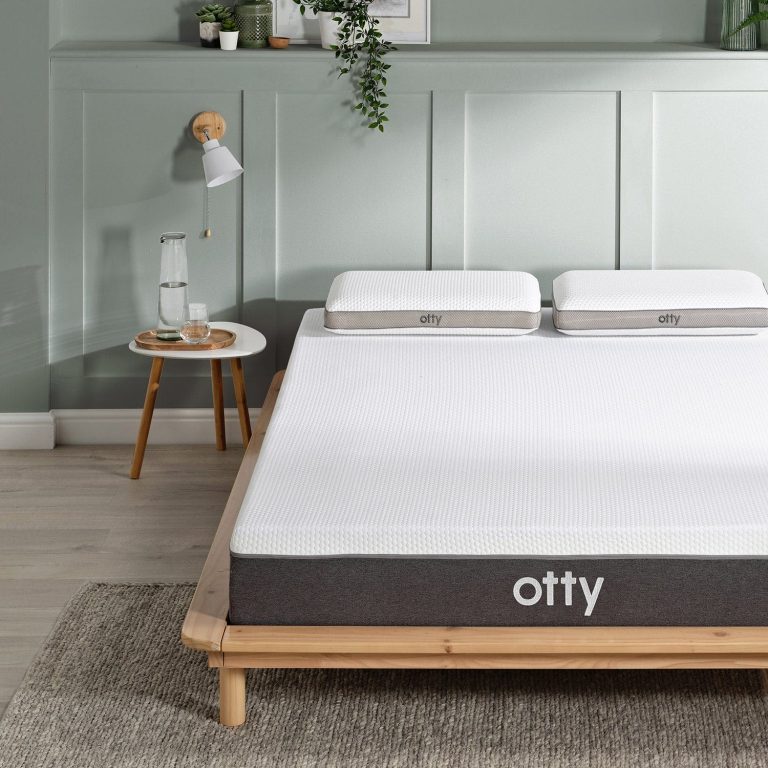
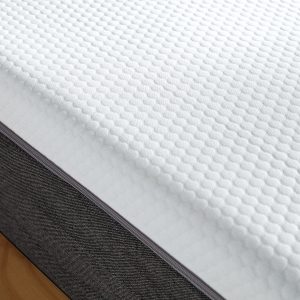
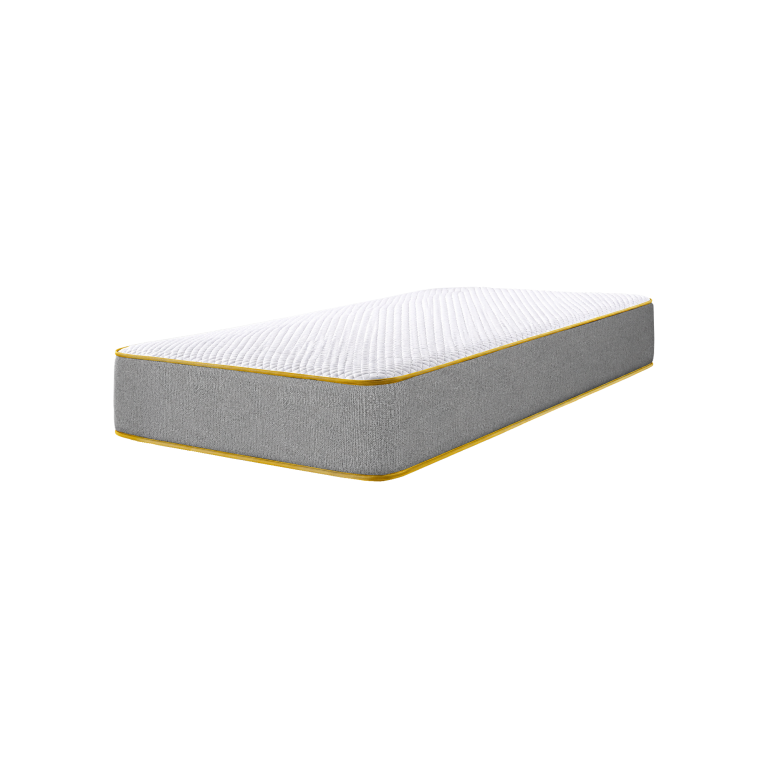
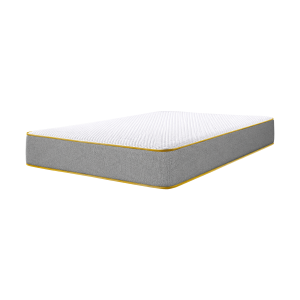
A day bed is sat on along one long side, at the same spot, day after day, and that is what wears a mattress out first. A foam edge helps, and the Emma Original Lite has one. Rotating the mattress head to foot every few months shares the load along that edge. A seat also collects crumbs and spills that a bed never sees. Upholstery matters less, because most people dress a day bed with a fitted sheet and a throw, but a zip-off, washable cover helps when the same surface doubles as a sofa.
Sitting and sleeping are different tests
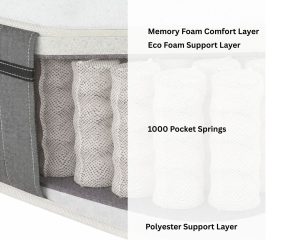
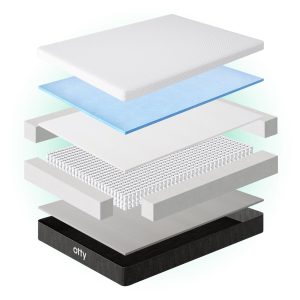
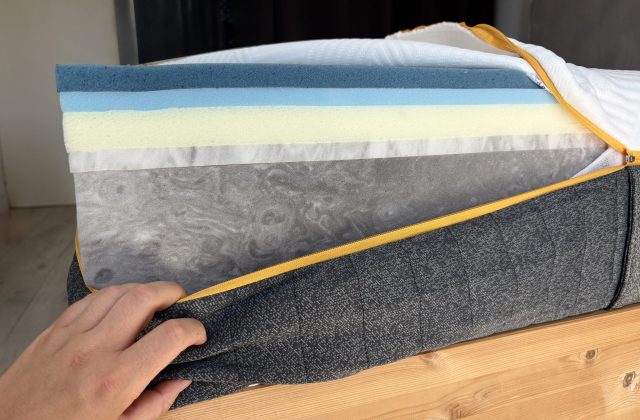
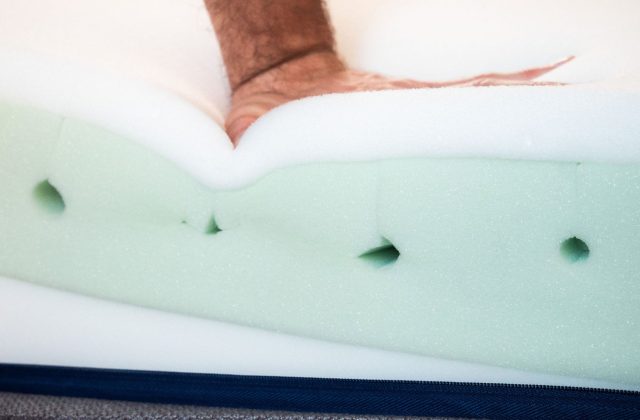
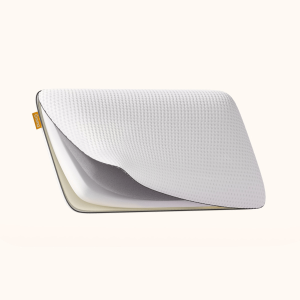
A day bed is judged first as a seat. If it is too soft you sink back against the rail, and if it is too hard a long sit becomes uncomfortable, so a medium-firm top such as the Emma Original Lite is a comfortable middle. Memory foam recovers slowly when someone stands up, so a deep memory foam top can show where you sat for a while. For sleeping, the usual rules apply, with medium or medium-firm suiting most adults. If one frame has to do both every day for years, we would pay more for pocket springs and a deeper build, and if it is mostly a seat with a few guest nights a year, a slim foam mattress is all you need.
Pull-out trundles need their own mattress
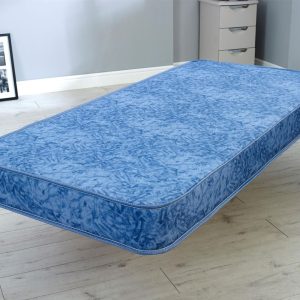
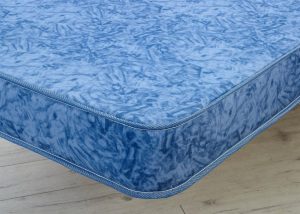
A trundle sits under the main bed in a drawer with little headroom, so it usually needs something much thinner than the mattress on top. Some trundles are also shorter than the bed above, so check both sizes. Foam is the natural choice at 10 to 15cm, as it has no springs to dent or rattle. Our foldable mattress ranking and sofa bed mattress ranking cover other spare-bed answers, and our single mattress ranking has deeper options if your frame has no limit.