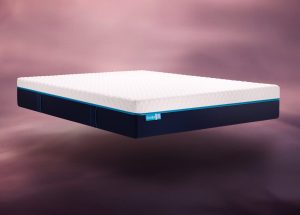
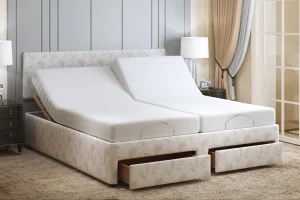
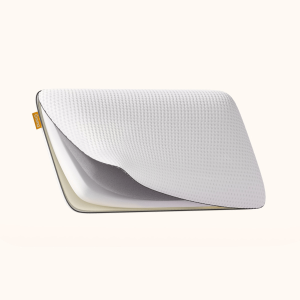
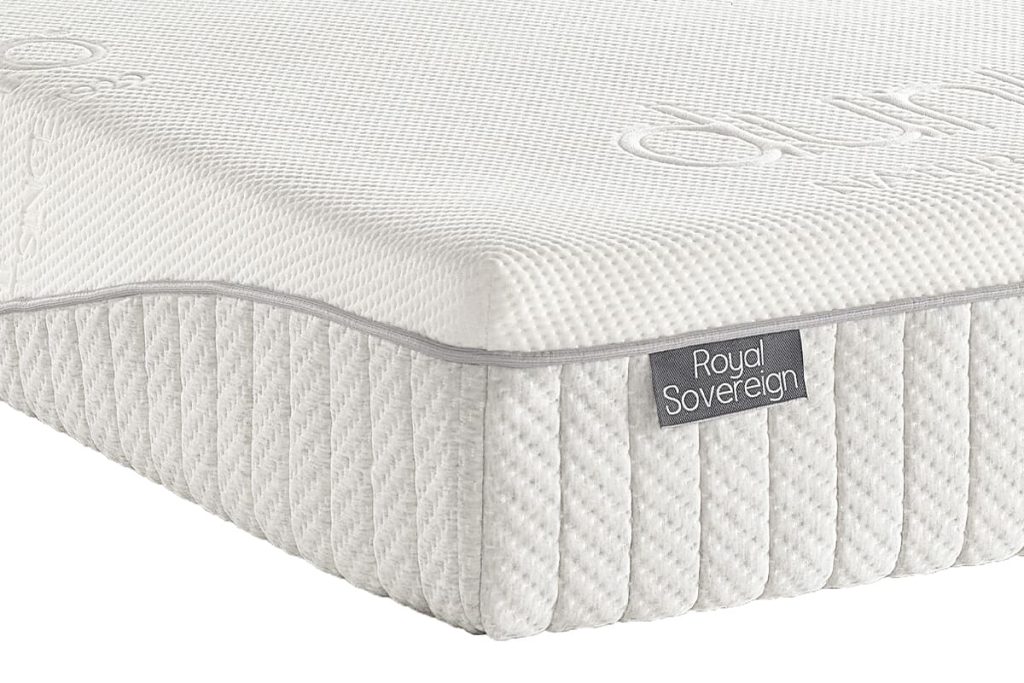
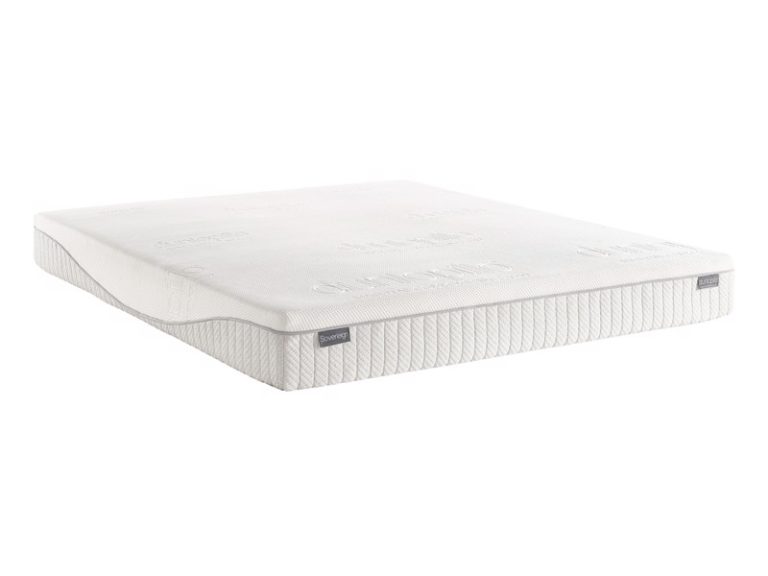
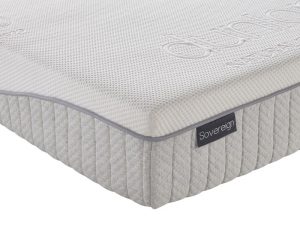
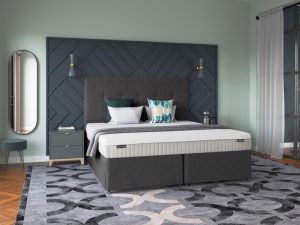
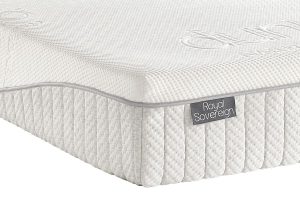
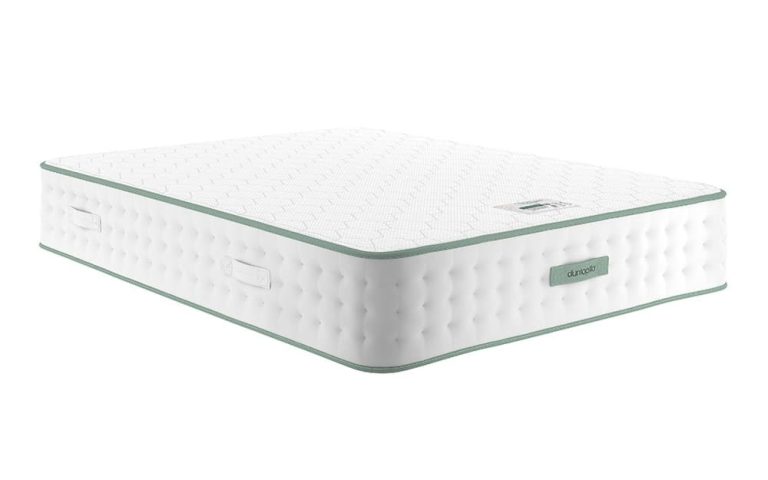
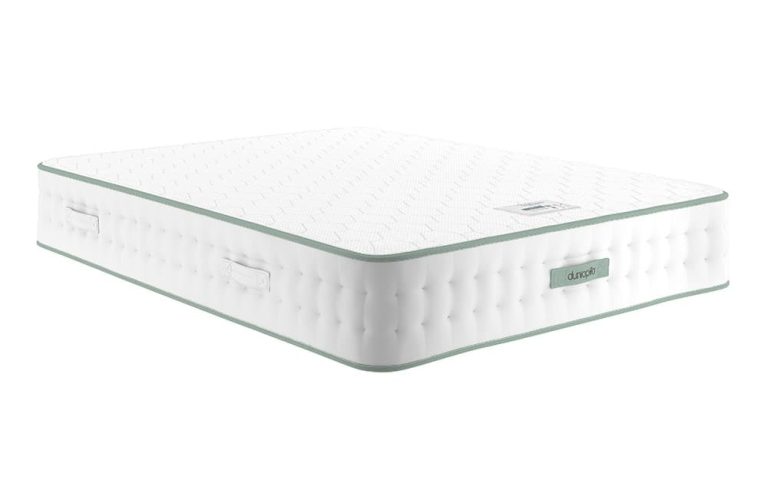
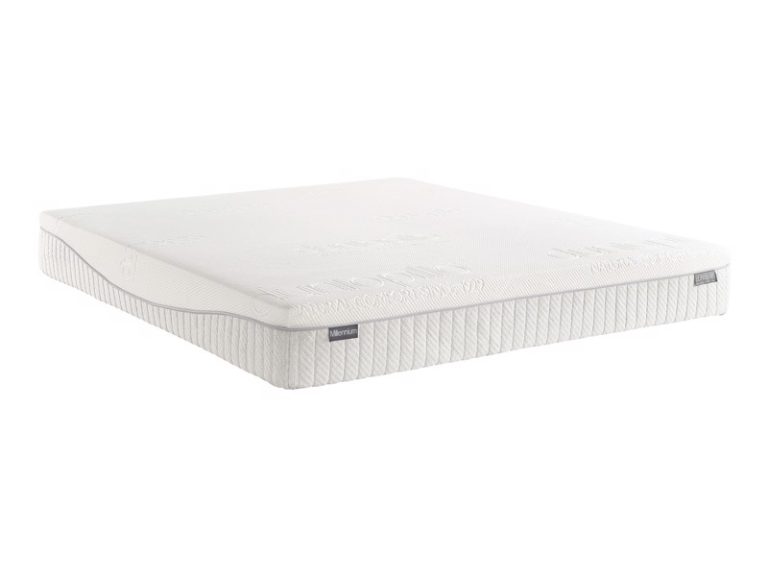
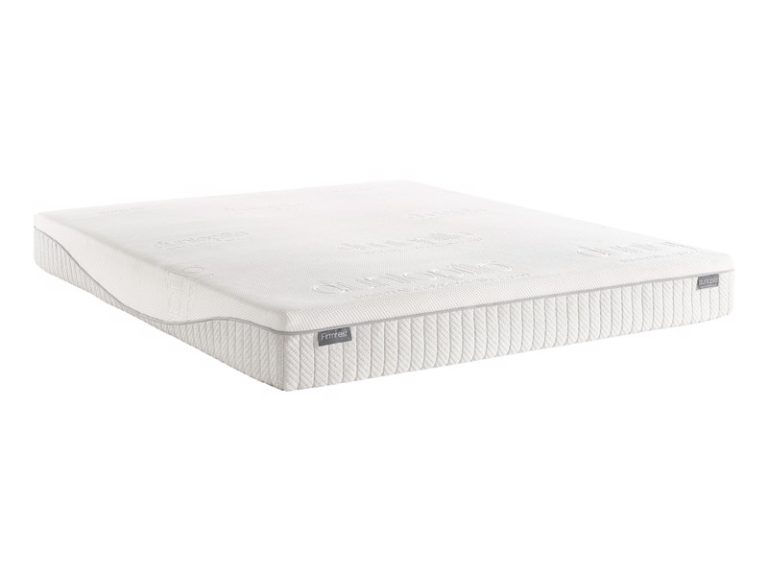
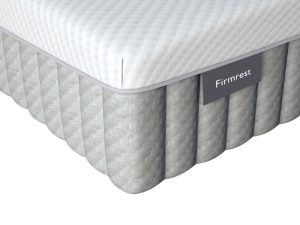
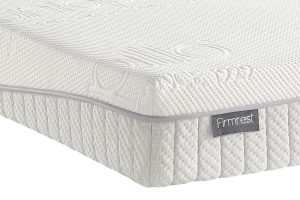
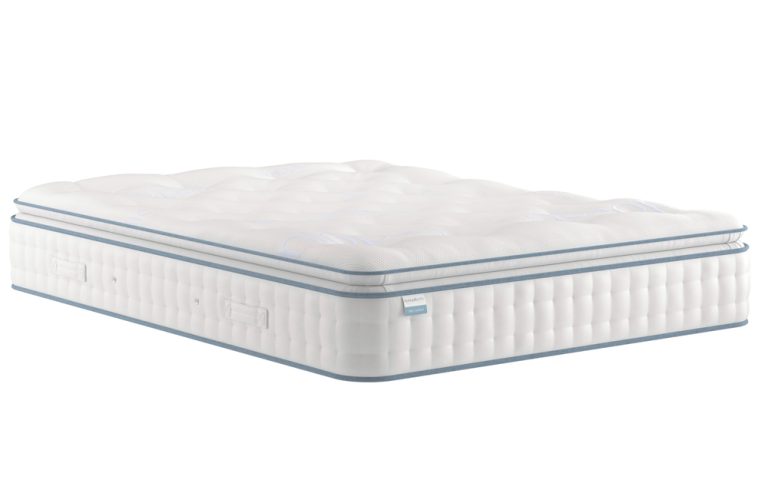
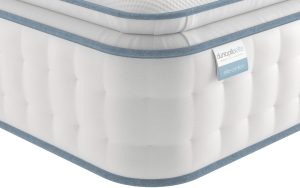
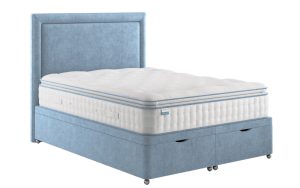
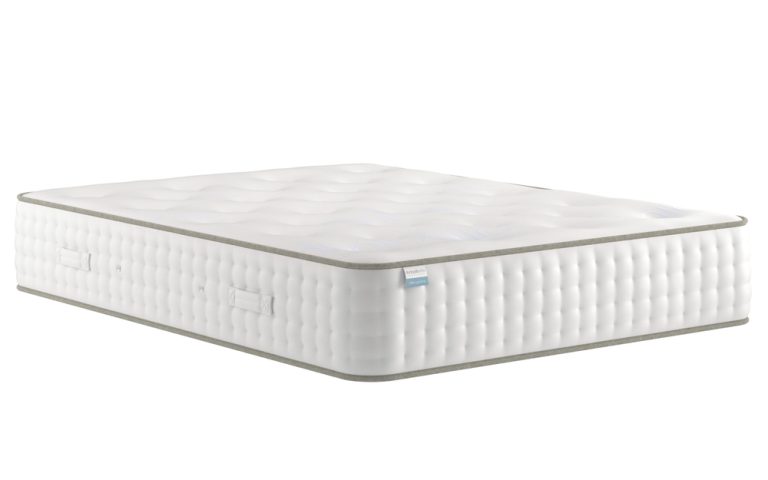
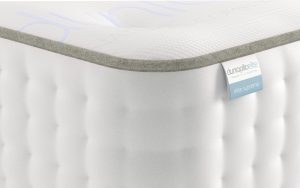
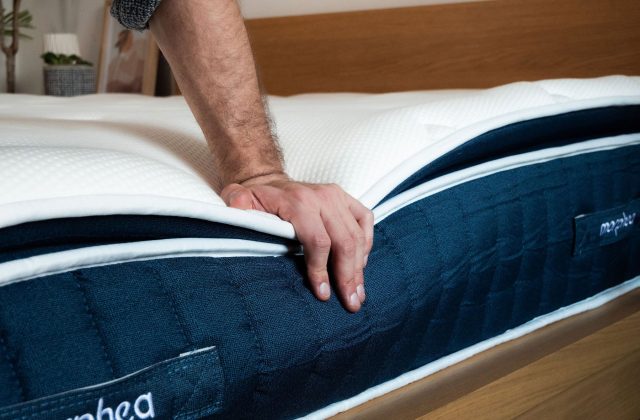
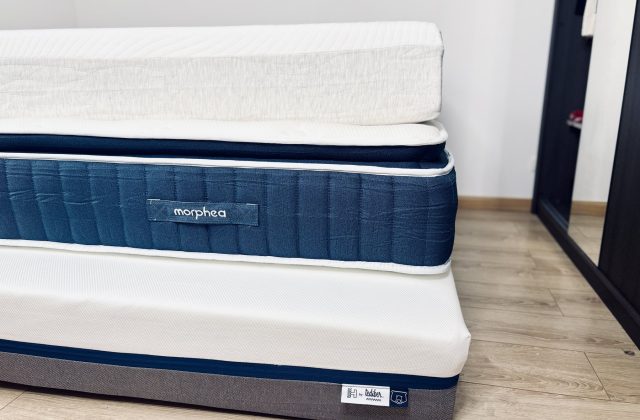
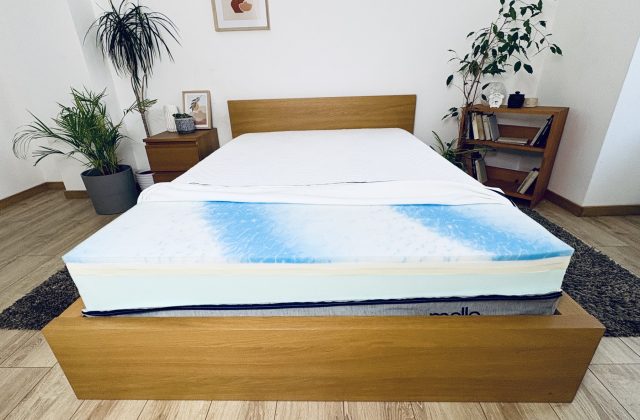
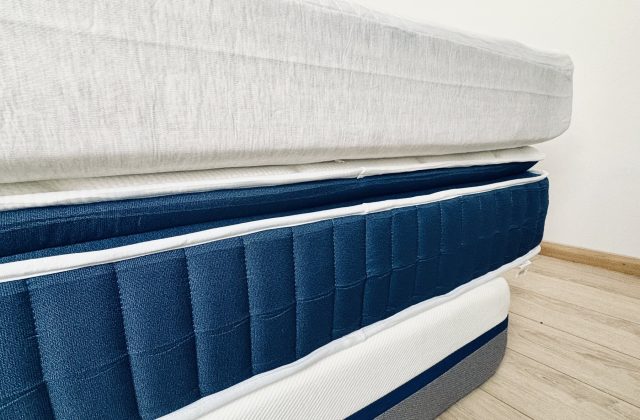
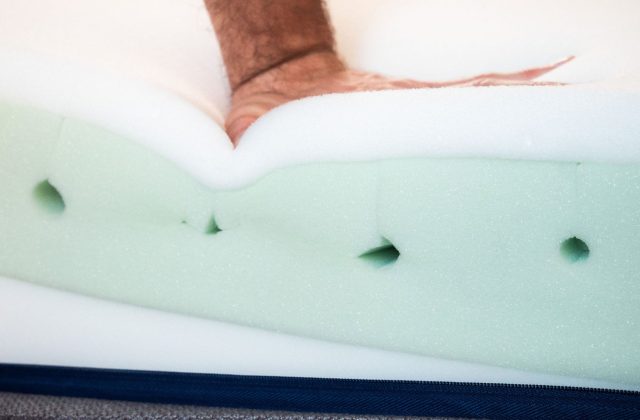
“The Dunlopillo Sovereign is the one we would recommend to most people, with a medium Talalay latex feel that suits most sleeping positions. Side sleepers will enjoy the extra cushioning of the Millennium, and back sleepers the firmer Meya.”
Which Dunlopillo mattress should you buy?
Start with your sleeping position, then decide whether you want springs. The table lines up the range from the firmest model to the softest, with our firmness reading on a 1 to 10 scale where 10 is the firmest. Spring counts are for a king size, as with most 1,000 pocket sprung mattresses. If you are still choosing between brands, our best mattresses ranking covers the wider market.
What latex feels like next to memory foam
Latex is a foam made from the sap of rubber trees, and latex certified to GOLS goes into some organic mattresses. Press on it and it pushes straight back, so you lie on a Dunlopillo with a gentle lift, whereas memory foam lets you sink in slowly and holds the shape of your body for a moment after you move. That makes latex easier to turn over on, and its open, airy structure is why it has a reputation for sleeping cooler than dense memory foam. It is also slow to make, as Dunlopillo’s latex brochure points out, since a rubber tree yields only about 27 ml of latex a day.
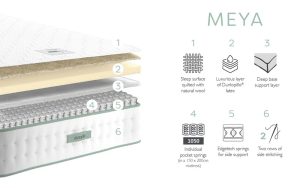
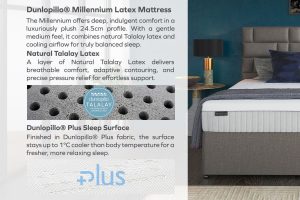
Not every Dunlopillo uses the same latex. The Core and Elite models use Talalay latex, which goes through extra vacuum and freezing stages and comes out lighter and more buoyant, according to the Dunlopillo brochure. The Pure models simply list Dunlopillo latex.
Springs or no springs
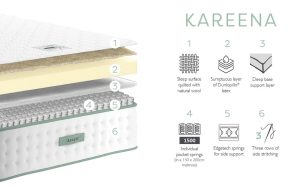
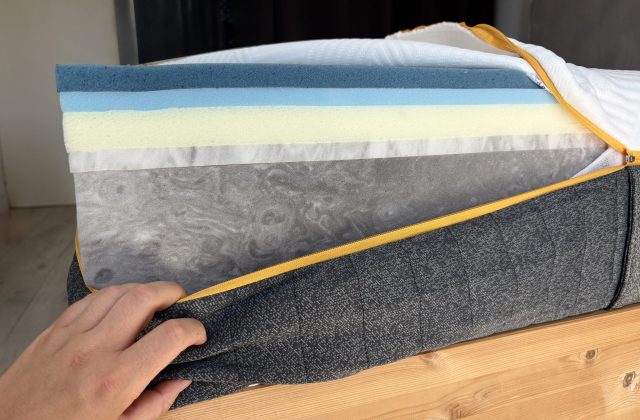
The three Core models have no springs at all. Their latex sits on an aerated foam base, which gives an even, quiet feel and keeps the weight down, so a Sovereign double weighs 29 kg. The Pure and Elite models add pocket springs, each in its own fabric pocket, so a partner turning over is felt less on your side of the bed, and stiffer springs along the edges let you use the full width. If you share the bed with a restless sleeper, that is the best reason to choose a hybrid, and our pocket sprung mattress comparison has more of them from other makers.
Firm is not automatically better for your back
If back pain is why you are shopping, do not assume the firmest Dunlopillo is the safest choice. In a randomised trial of 313 adults with chronic low-back pain published in The Lancet (Kovacs et al., 2003), people given a medium-firm mattress reported less pain in bed and on rising after 90 days than those given a firm one. In this range the medium-firm Meya and Elite Supreme sit closest to what that trial tested, with the medium Sovereign and Kareena a little softer, and the firm Firmrest further from it.
Guarantee and lifespan
The Core and Elite models carry a 15-year guarantee and the Pure models 10 years, but a guarantee covers manufacturing faults, and latex that has gently softened with use does not count as one. The National Bed Federation and The Sleep Council recommend replacing a mattress every seven to eight years, or around 20,000 hours of use, Furniture News reported in 2019. “It would seem that a growing number of consumers are replacing their mattresses every seven years,” said Simon Williams of the NBF. A long guarantee is still worth having, as it tells you the maker expects the mattress to outlast that.
Every Dunlopillo is single-sided, so you rotate it head to toe every few months and never flip it. Several sizes are made to order, with lead times of up to six weeks in October 2026, and there is no Dunlopillo sleep trial, so try one in a showroom from the brand’s stockist finder if you can.