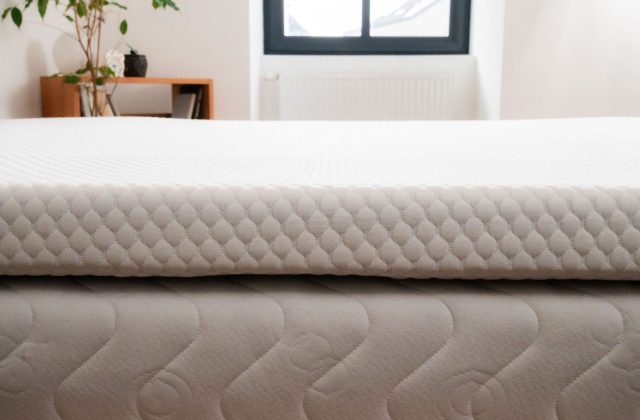
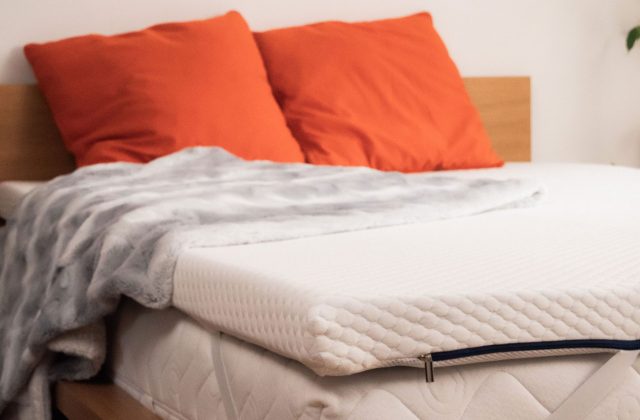
“Choose memory foam or latex if your shoulders and hips ache on a hard mattress, and fibre or down if you simply want a plumper, cosier surface to sleep on.”
Softness is not a single feel, and the right soft topper depends on why your bed feels wrong. If you are not sure softness is the problem at all, our full mattress topper ranking also covers supportive, cooling and wool toppers, and our Duvalay comparison deals with caravan and campervan beds.
What “soft” means on a topper
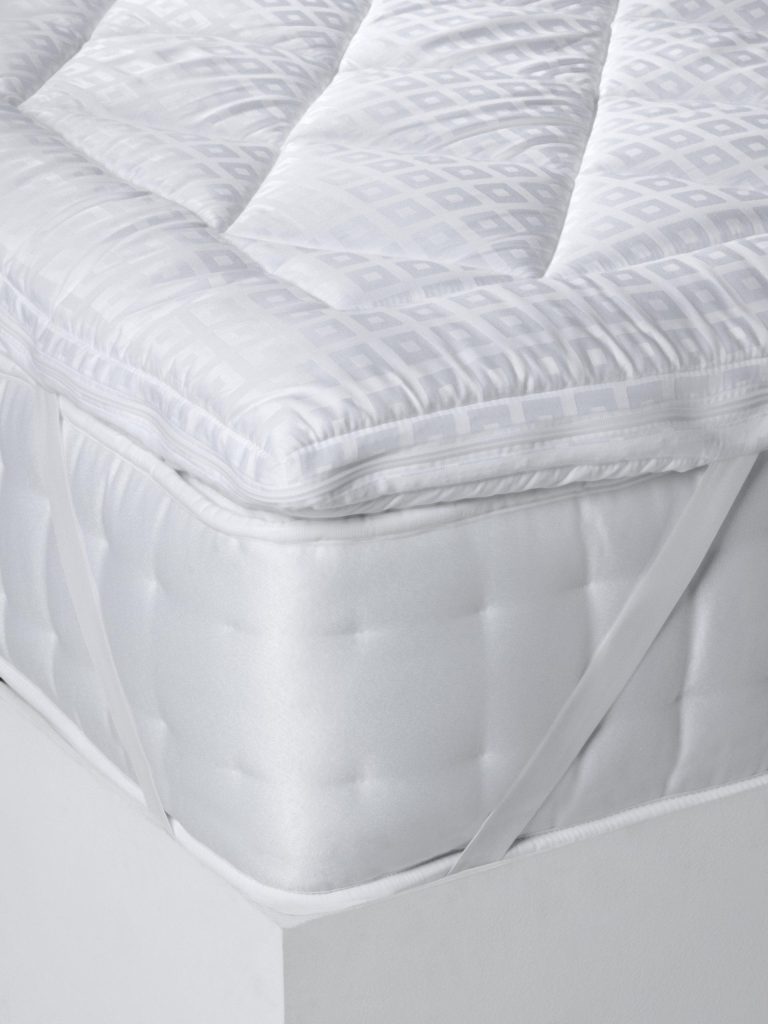
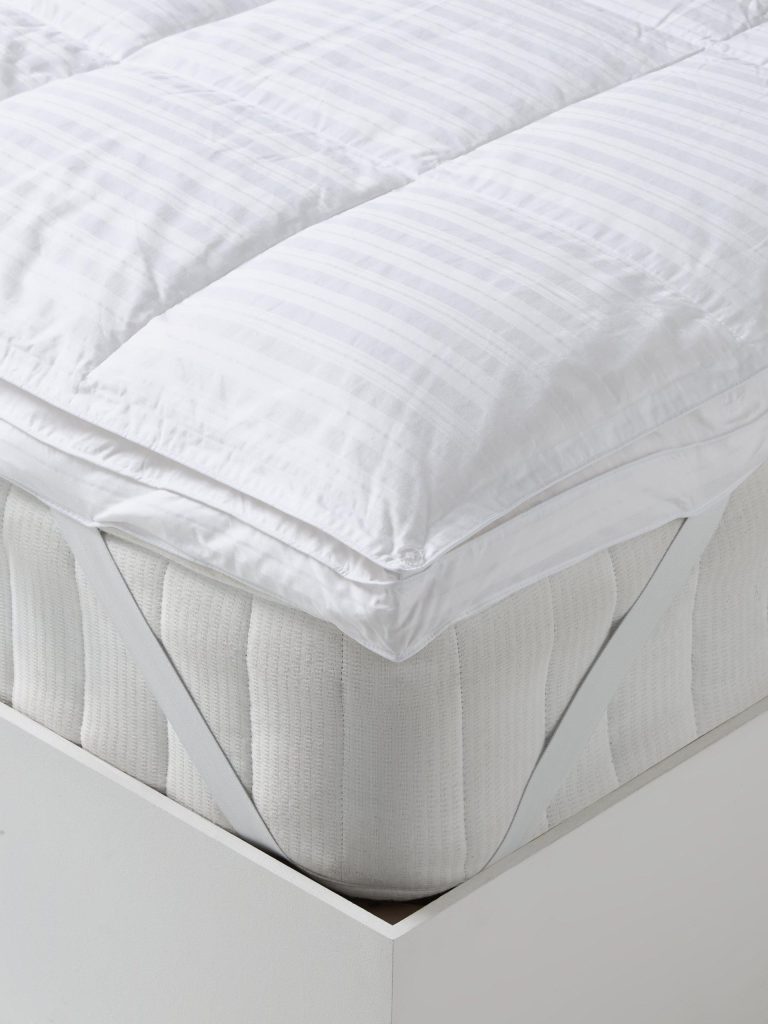
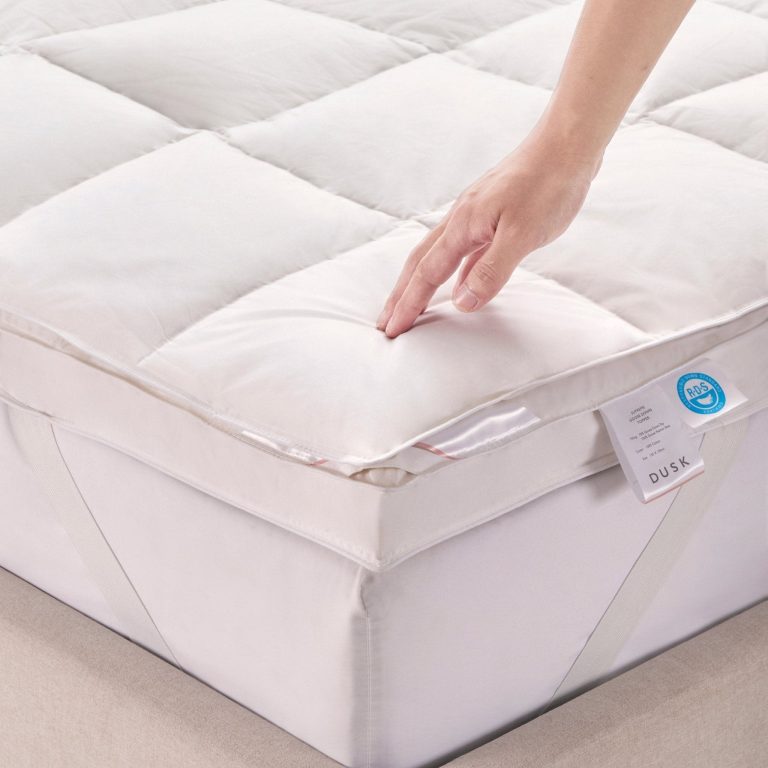
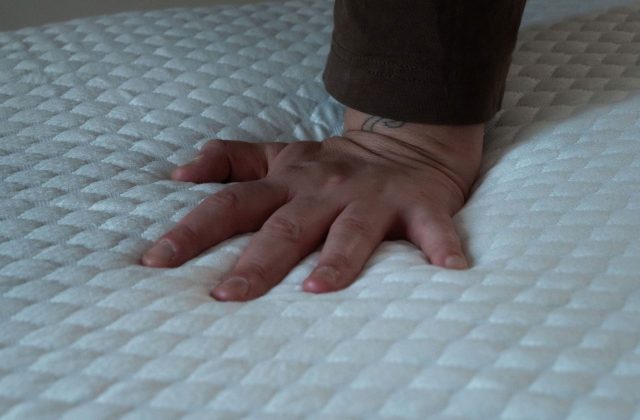
A topper changes the top few centimetres of your bed, and the filling decides how. Memory foam and latex soften by giving way under pressure, so your shoulder and hip sink while the rest of you stays level. Fibre and down soften through loft, which makes the whole surface plump and cushioned but compresses most where you lie heaviest.
Side sleepers: let the shoulder sink
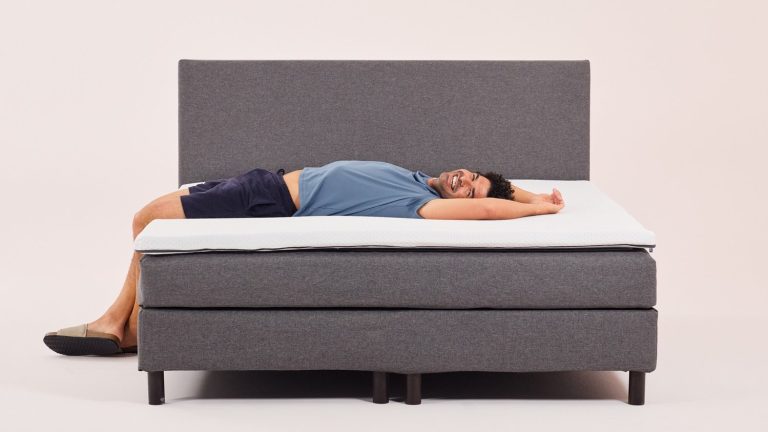
Side sleeping is the most common position. In a 2017 study of 664 Danish adults who wore motion sensors in bed, published in Nature and Science of Sleep, people spent 54.1% of their time in bed on their side, and the share rose with age and body weight. On a hard mattress that position loads the shoulder and hip, which is where the ache and the numb arm come from. A side sleeper gets most from a layer that contours, such as 7.5cm of memory foam or 6cm of soft latex, because fibre compresses most exactly where the shoulder presses.
Back pain: aim for medium
If your back hurts, aim to bring a hard bed towards medium. In a randomised trial published in The Lancet in 2003, 313 adults with chronic low back pain did better after 90 days on medium-firm mattresses than on firm ones, with less pain in bed and on getting up. Some give helps, then, but a deep, very soft layer that lets your hips drop below your shoulders can undo the benefit. A 5 to 6cm layer of latex or medium-soft foam is the safer choice, and a topper with a firmer second side lets you change course without buying again. Front sleepers face the same risk and should stay at the thinner end.
Heat: what the filling does at night
Memory foam and down both hold warmth close to the body, while latex and fibre in a cotton casing let more of it escape. The Sleep Charity puts the ideal bedroom at around 16-18°C and says temperatures over 24°C are likely to cause restlessness, so if your room already runs warm in summer, a foam topper adds to the problem. Hot sleepers who want softness should look at latex first, and our latex topper comparison covers the firmer Dunlop types as well. For heat above all else, see our cooling topper picks.
How deep to go, and when a topper is the wrong fix
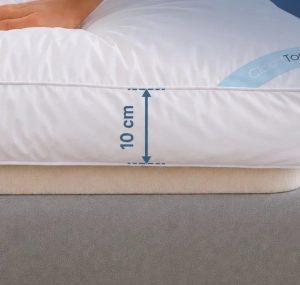
Depth sets how much softer the bed will feel. Bed Advice UK, the National Bed Federation’s consumer site, recommends a topper at least 5cm deep, and it warns that “A mattress topper isn’t a quick fix for a mattress that’s past its prime.” Use 5cm to take the edge off a firm mattress and 7 to 7.5cm for one that feels hard. A 10cm fibre topper looks deeper in the shop than it feels on the bed, because the filling compresses under your weight.
Before you buy, lie on the bare mattress and look for dips where you sleep. If you find them, start with our soft mattress comparison instead. If your bed feels too soft rather than too hard, you need a firm mattress topper instead.
Living with a soft topper
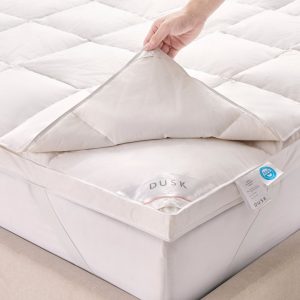
Foam toppers arrive vacuum-packed and need a day or so to reach full depth and lose the new-foam smell. Fibre and down toppers keep their loft best if you shake them out every few days and rotate them head to foot every couple of weeks. Anything 7cm or deeper usually needs a fitted sheet with a deeper pocket to go over both topper and mattress.