






“On an adjustable bed the mattress folds every time you sit up, so the maker's written approval matters more than any comfort claim. If a maker will not give it, buy a different mattress.”
Start with the maker’s own words
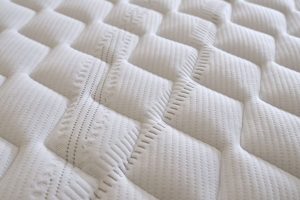
A mattress on an adjustable bed folds at the head and knees whenever you sit up or raise your legs. The National Bed Federation, the trade body for UK bed makers, is direct about the first check: “Make sure the mattress is flexible enough to bend with the adjustable base.” It also advises a stretchy cover, so the fabric does not ruck when the bed folds. Some of the best-known boxed mattresses in the UK fail that first check by their own makers’ account.
- Origin does not recommend its Hybrid on an adjustable base “as it might damage the comfort pocket springs in the long run”.
- Eve says it does not advise using an Eve mattress on an adjustable bed.
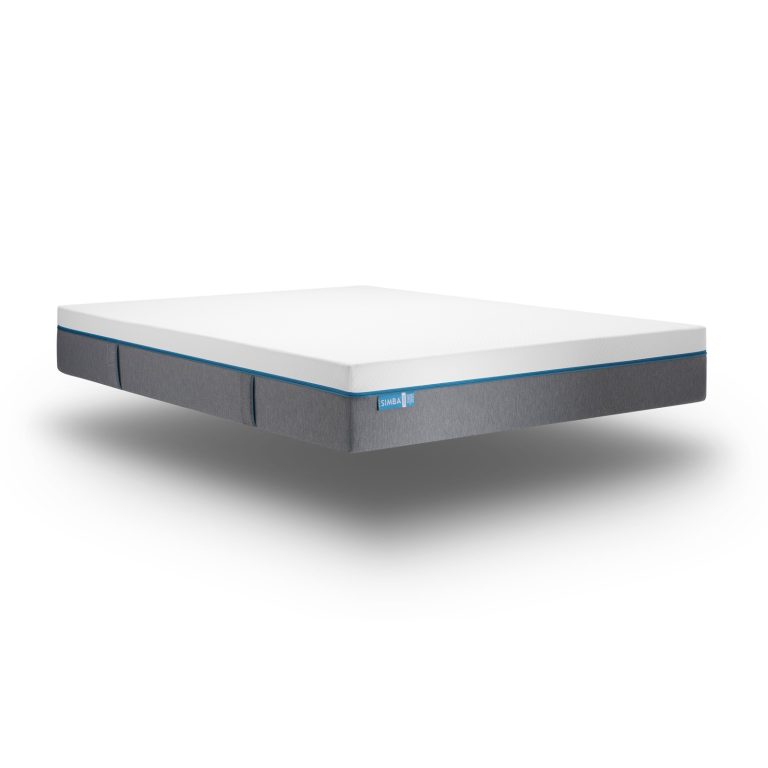
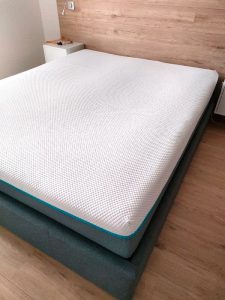
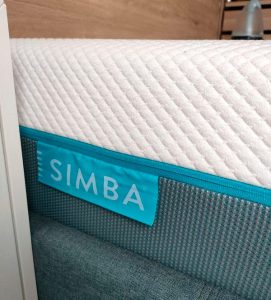
- Simba approves adjustable and electric bases for its Essential and Hybrid models only, which rules out the Hybrid Pro and the deeper models above it.
Where a maker’s site says nothing either way, ask before you order and keep the answer in writing.
Adjustable beds run long, so measure the base
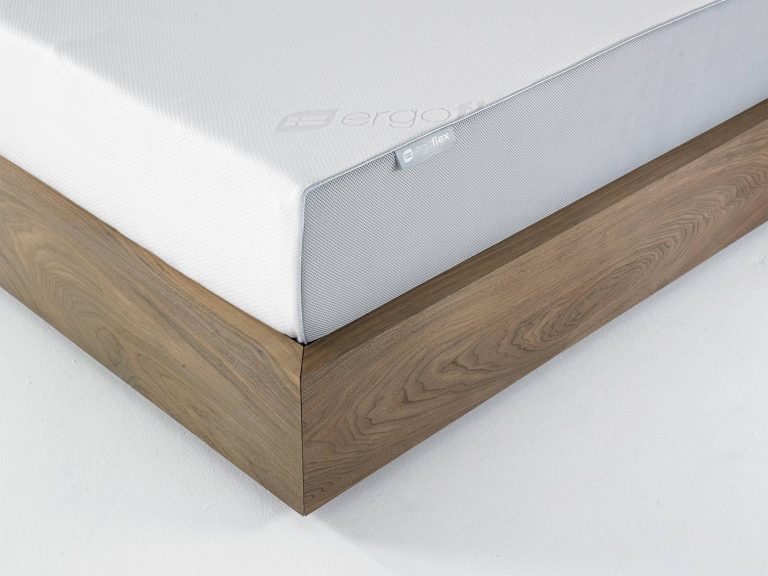
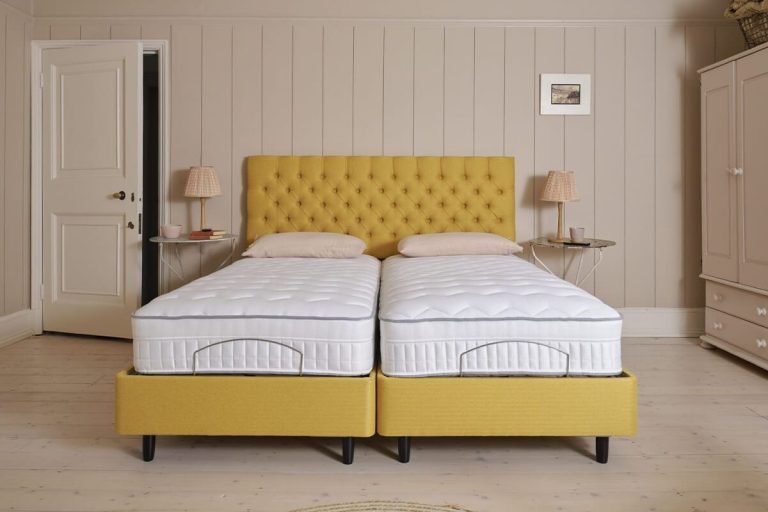
A standard UK single is 90x190, but Ergoflex points out that many UK adjustable singles are 90x200, and TEMPUR’s size guide sells 75x200 and 90x200 mattresses specifically for split adjustable beds. A king or super king with two motors takes two mattresses, and TEMPUR advises that both should be the same height. Measure the base itself rather than the mattress you are replacing; our single mattress ranking covers the standard 90x190 size.
Foam, springs or a purpose-built mattress
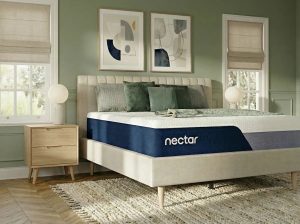
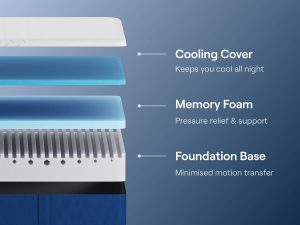
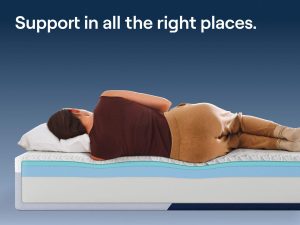
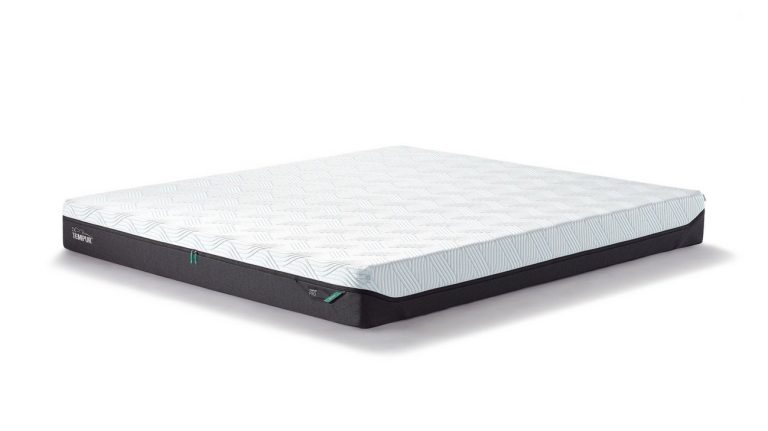
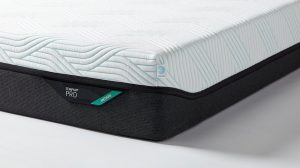
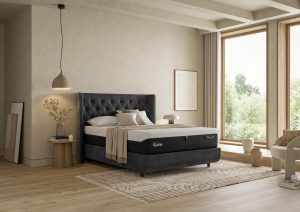
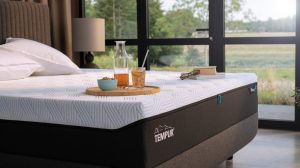
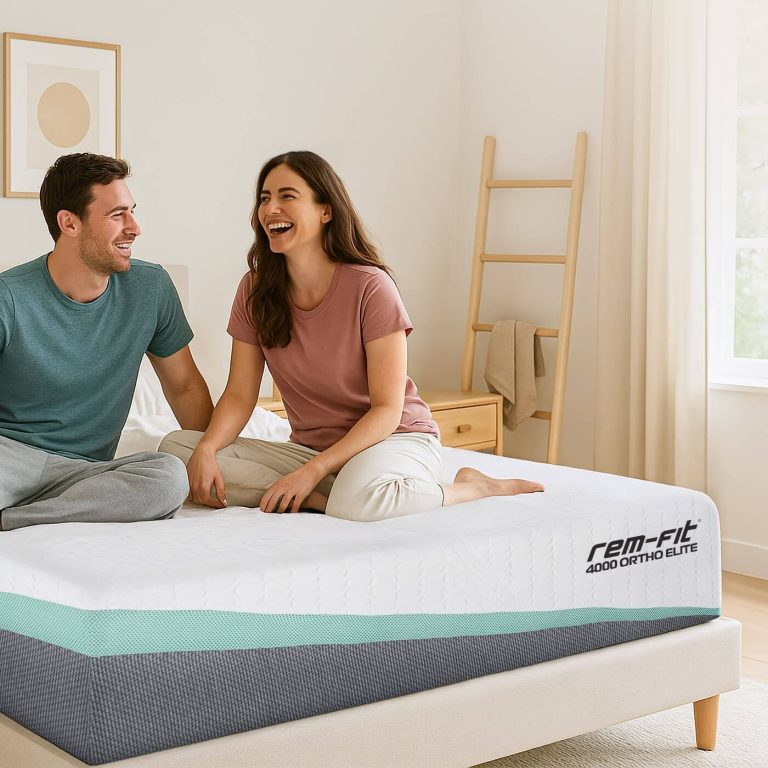
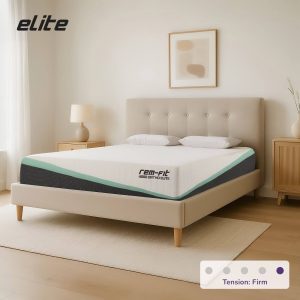
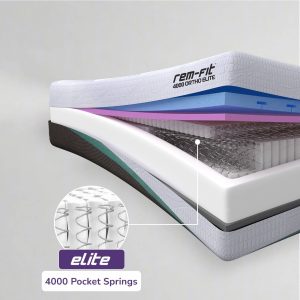
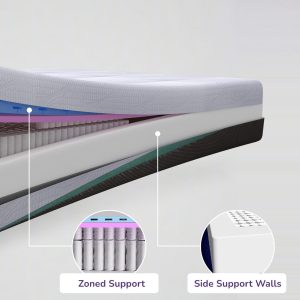
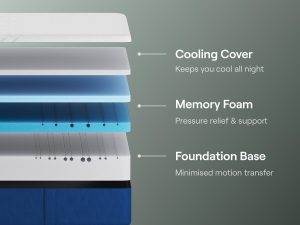
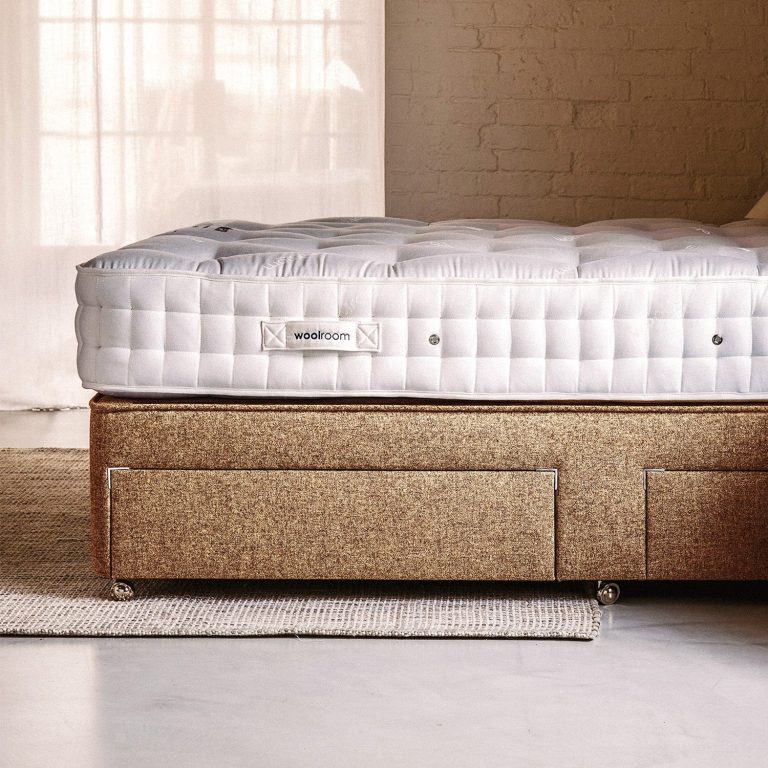
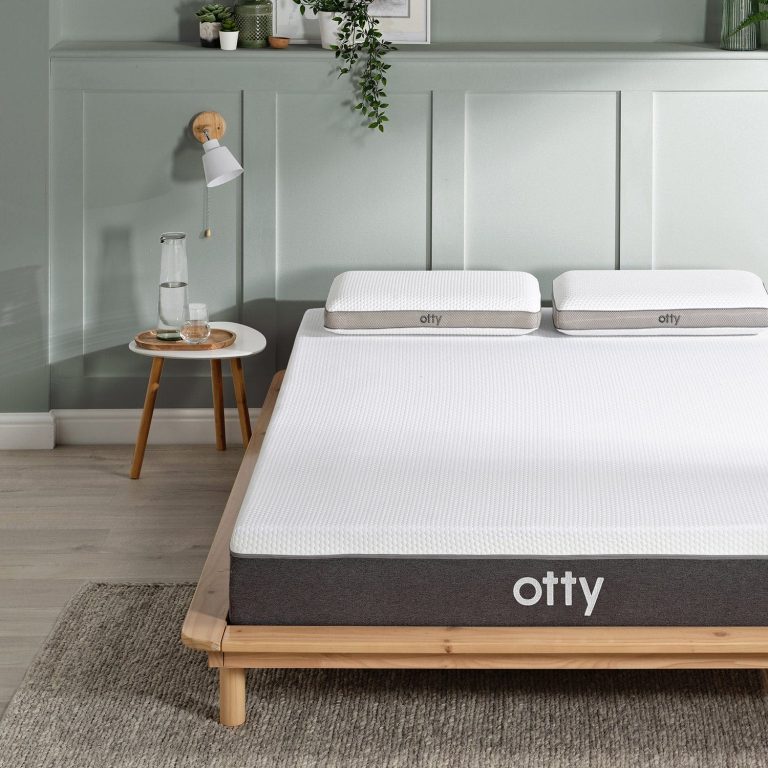
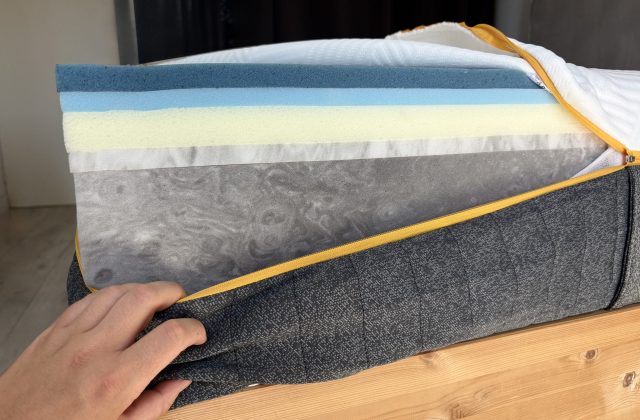
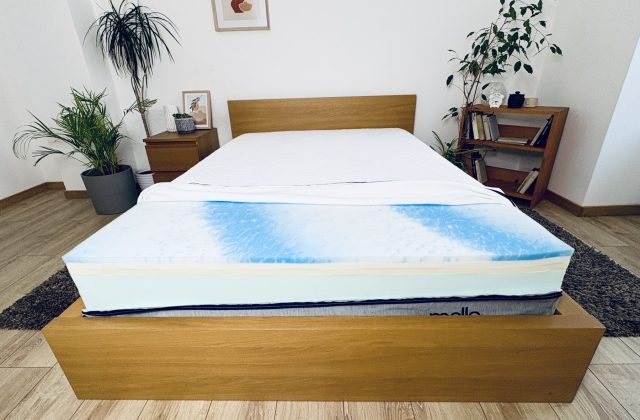
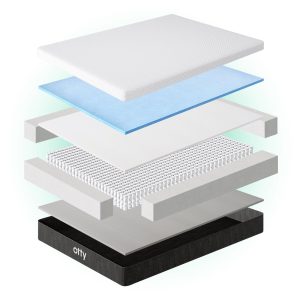
All-foam mattresses such as the two Nectars, the Ergoflex 5G and the TEMPUR PRO SmartCool have no springs to kink, which is why they are the usual choice for a moving base; our memory foam mattress ranking covers the wider field. Pocket springs work when the maker designs or approves them for it: the Sleepeezee InMotion Eco is built for adjustable divans, and Simba, REM-Fit, Woolroom and OTTY each state that their sprung models on this page suit adjustable beds. Depth and weight count as well. Every extra centimetre is more material to fold and more load on the motor, and the deepest picks here are 28 to 29cm, so check the base’s maximum mattress height and load before you order.
What raising the head can and cannot do
An adjustable base is a comfort aid, not a treatment, but raising the head end has evidence behind it for two common night-time problems. For heartburn, the NHS suggests raising the head of the bed “by around 10 to 20cm, so your chest and head are above your waist”, and warns against doing it with extra pillows “as this can increase pressure on your belly”. In a crossover trial of 39 people with reflux, published by Villamil Morales and colleagues in Gastroenterología y Hepatología (2020), a 20cm head-of-bed raise improved symptom scores in 69.2% of participants against 33.3% when sleeping flat.
For obstructive sleep apnoea, a study of 45 patients by Iannella and colleagues in the Journal of Clinical Medicine (2022) found that raising the head and trunk by 30 degrees cut the average apnoea-hypopnoea index from 23.8 to 17.7. A pilot trial by Lee and colleagues in Alternative Therapies in Health and Medicine (2025) used an adjustable bed set to a gentle 7.5 degrees and reduced breathing events without lowering sleep satisfaction. Note that an adjustable base raises the back section rather than tilting the whole bed as the NHS describes. If you have reflux most nights or a partner hears you stop breathing, see a GP before you spend money on a bed.