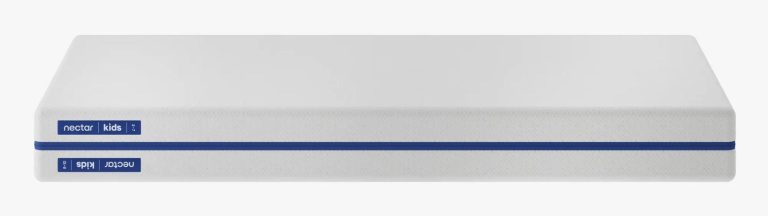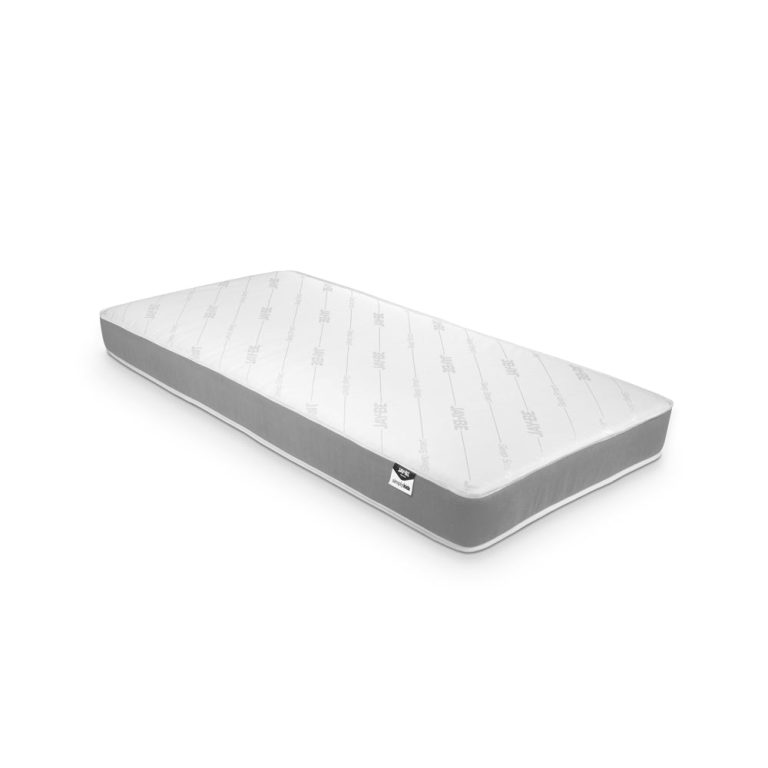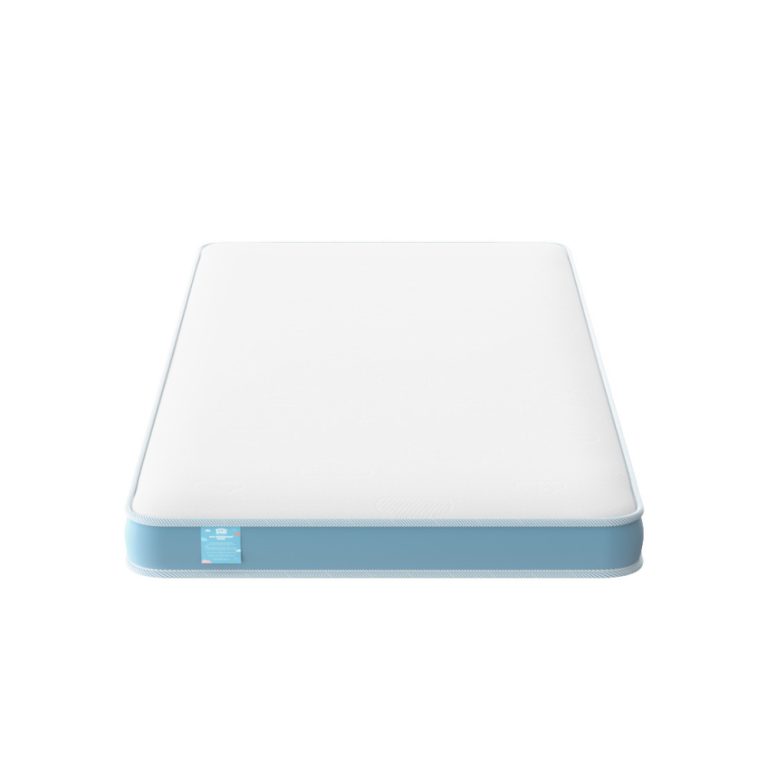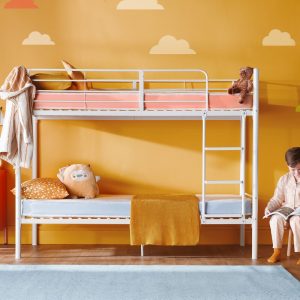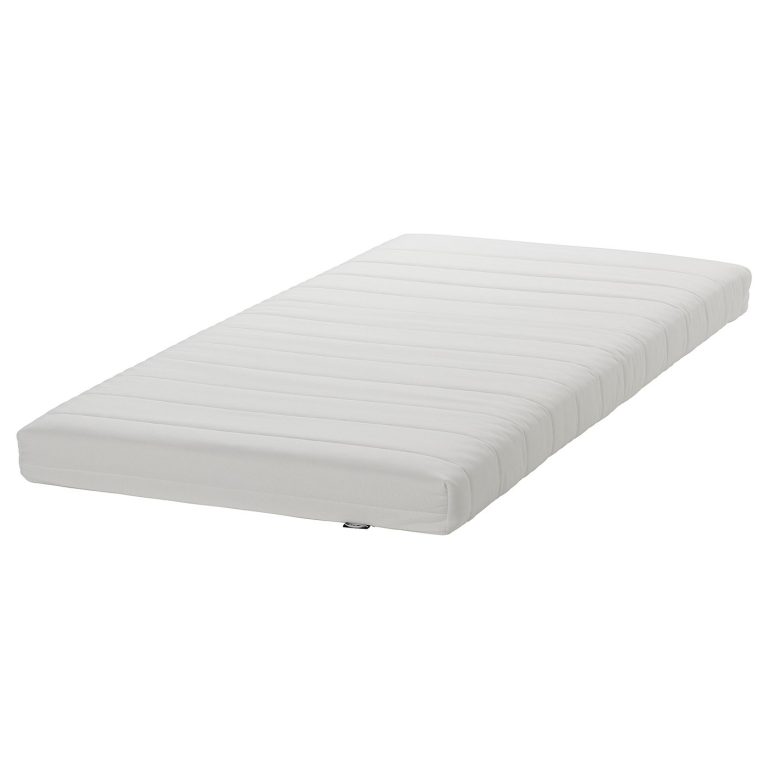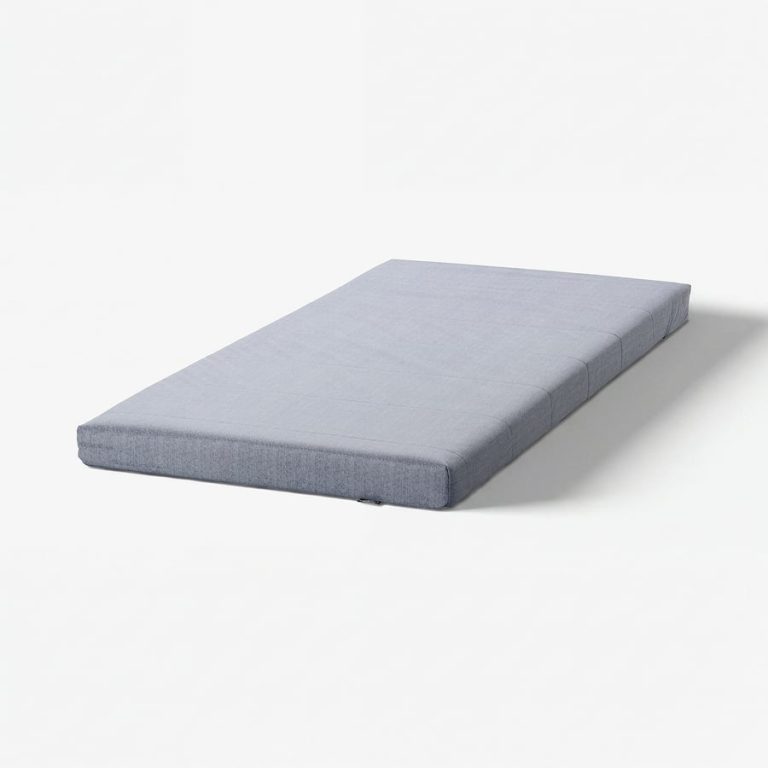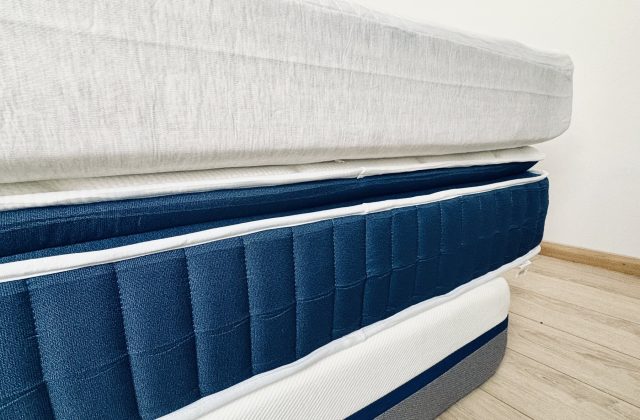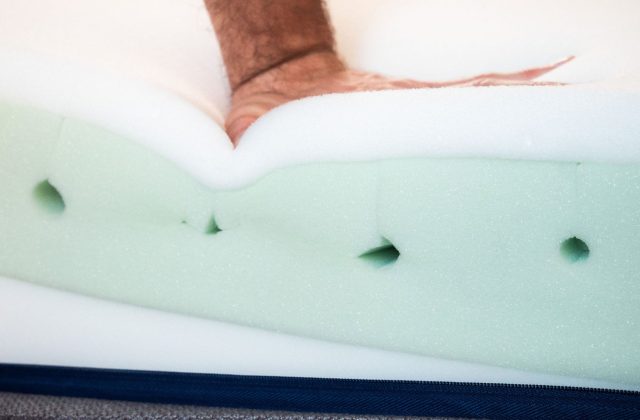
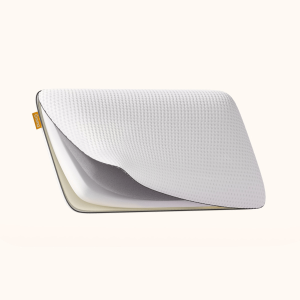

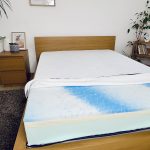


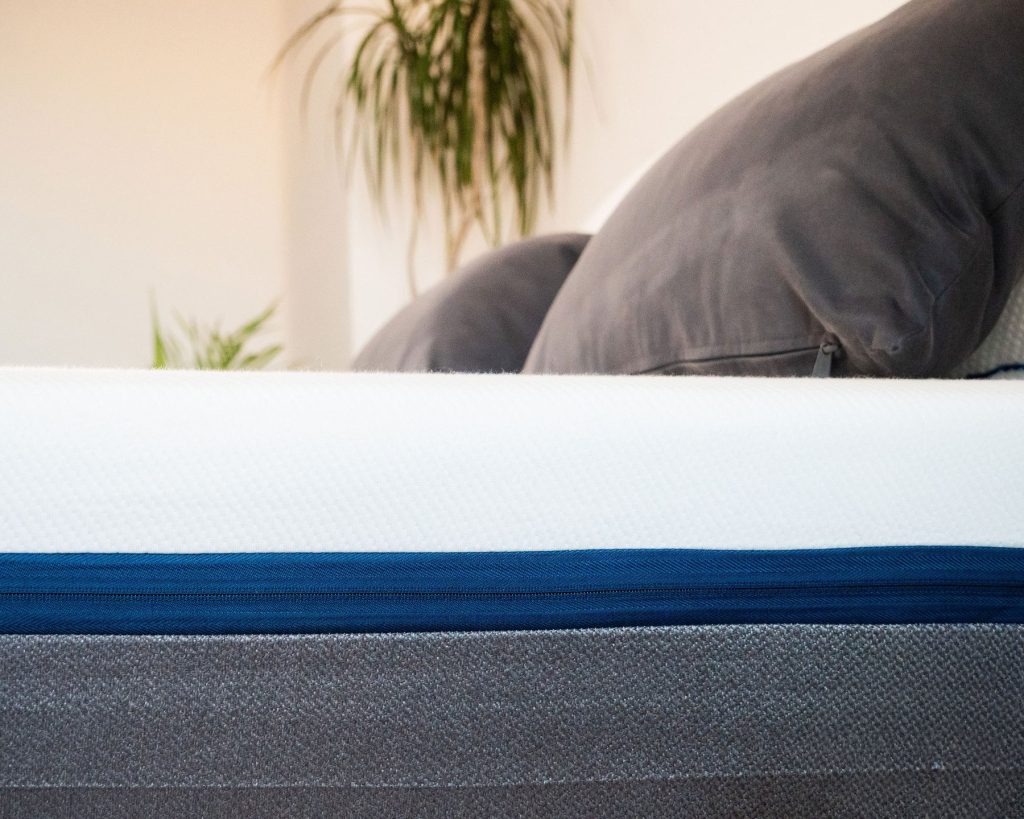
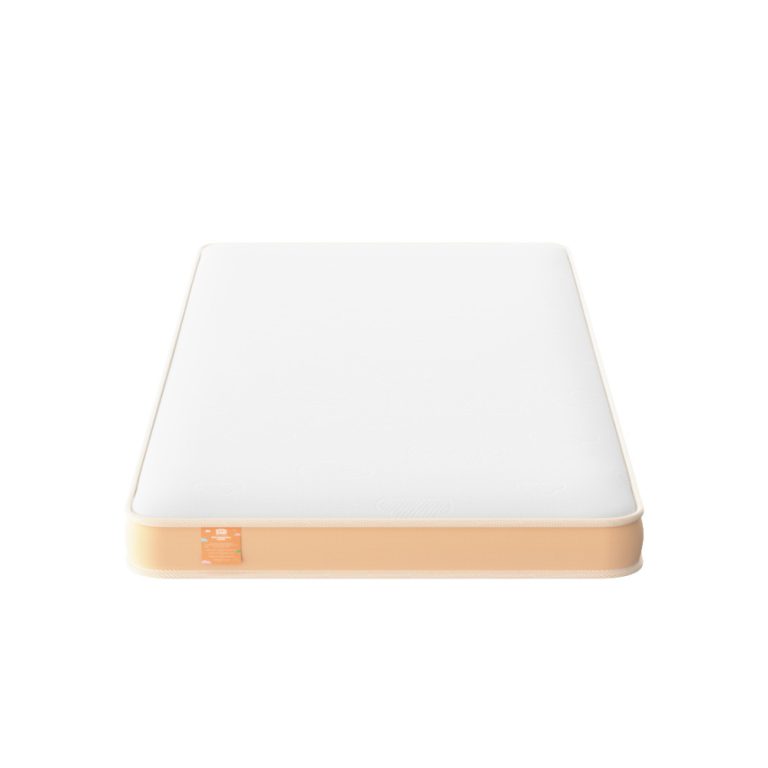
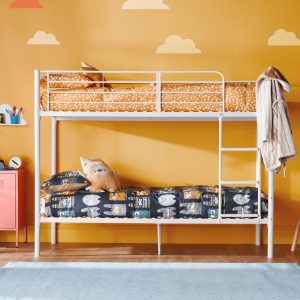
“For most top bunks, the Silentnight Healthy Growth Eco Memory Bunk is the mattress we would choose: 15cm deep, purpose-built and medium-firm, a comfortable fit for a school-age child. Measure from the slats to the top of the guard rail and take away 16cm, or use the mark on the frame if it is lower, and you have the deepest mattress your top bunk can take.”
Start with the depth, not the comfort
The depth of a top-bunk mattress decides how much guard rail is left above your child. BS EN 747-1, the British and European standard for bunk beds and high beds, sets two numbers. The top of the safety barrier must stand at least 26cm above the bed base, and the top of the mattress must sit at least 16cm below that barrier. The frame must also carry a permanent mark showing the maximum mattress thickness. In practice the safe depth is the rail height above the slats minus 16cm. A bunk built to the bare 26cm minimum takes only a 10cm mattress, a 31cm rail takes 15cm, and roomier frames such as IKEA’s MYDAL list 19cm. A “suitable for bunk beds” label on a mattress cannot know your frame, so the mark on the bed wins.
Match the size to the frame
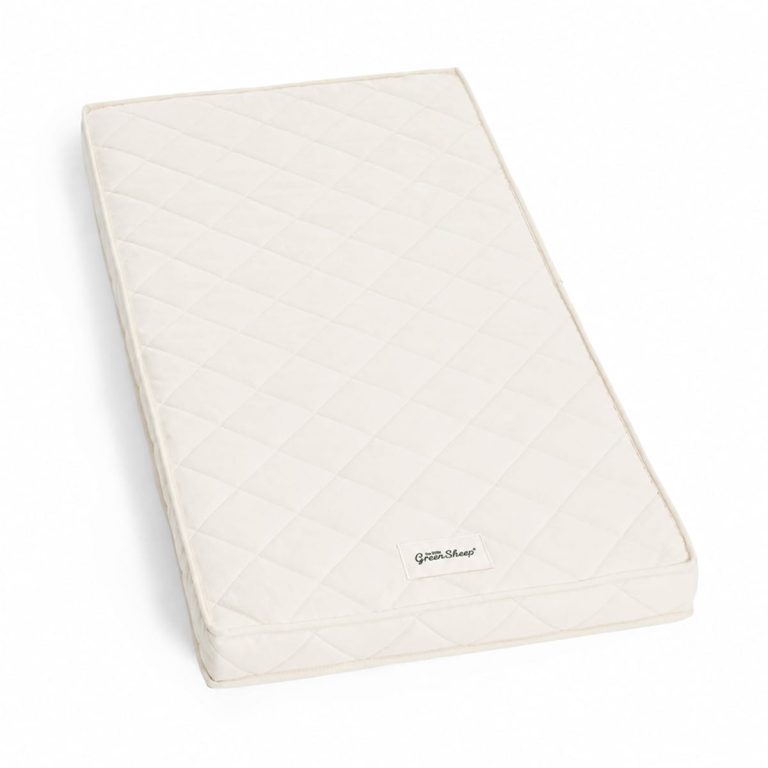
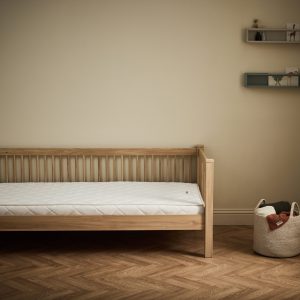
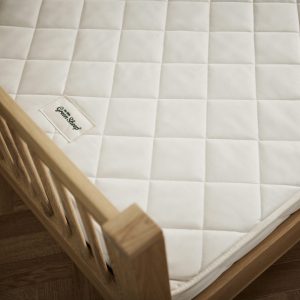
Most UK bunks take a standard single (90x190cm). IKEA and other continental frames take a European single (90x200cm), compact bunks sometimes a small single (75x190cm), and some bottom bunks a small double (120x190cm). A 90x190 mattress in a 90x200 frame leaves a 10cm strip of bare slats at one end. The UK’s Bunk Beds (Entrapment Hazards) (Safety) Regulations 1987 deal with the bed itself, limiting the gaps in a bunk’s frame and rails so that a young child’s head cannot become trapped. Our own advice for the mattress is simpler: it should cover the whole base, with no bare slats at the end or sides for a foot or leg to slip into. Of the eight picks here, the Jay-Be, The Little Green Sheep and both IKEA mattresses come in 90x200. None is sold as a 75x190 small single, so for that size look to the bunk’s own maker or a specialist children’s retailer.
Who sleeps where
Age is the other fixed rule. “Don’t let children under 6 sleep in the top bunk of a bunk bed as they can easily fall out,” says NHS guidance for parents, so a younger sibling starts on the bottom bunk. That shapes the choice of mattress. The top bunk gets the shallow mattress, while the bottom bunk can take a deeper or waterproof one where the frame allows. Teenagers are the hard case. They need more support than a 10cm foam slab gives but still sleep under the same rail limit, which is why the 15cm and 16cm sprung mattresses lead this ranking. For a child who has moved on from bunks, our children’s mattress comparison and single mattress ranking cover deeper options without the depth limit.
What the core changes at 15cm or less
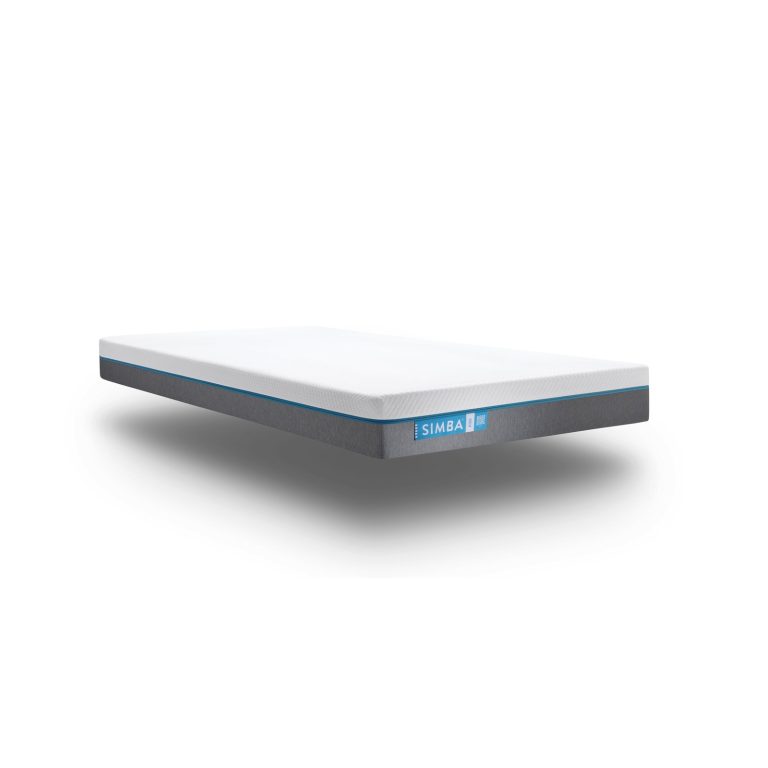
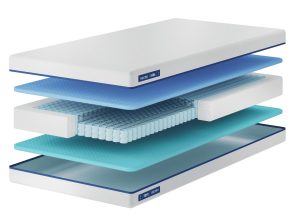
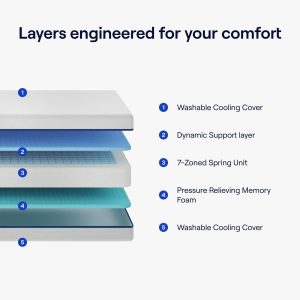
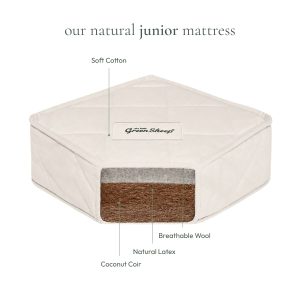
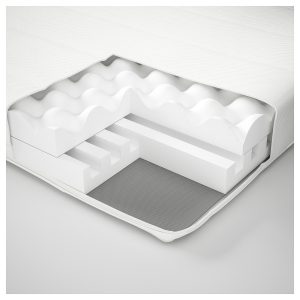
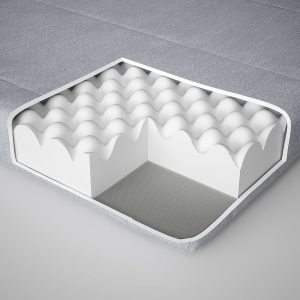
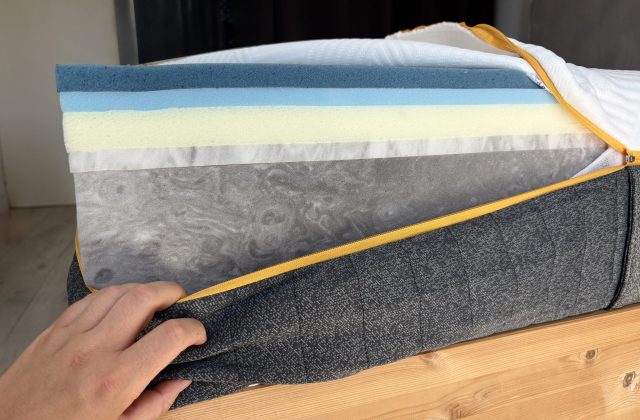
A shallow mattress has little room for comfort layers, so the core sets the feel. Open-coil units, as in the Silentnight bunk range, give even, fairly firm support at a modest price. Pocket springs and microsprings, as in the Nectar and Simba, move more independently and shape themselves to a growing body. Coir, latex and wool, The Little Green Sheep’s recipe, feel firm and breathe well. Plain foam, the IKEA route, is light and cheap but thins out soonest under a heavier child. Buying for two or three bunks multiplies every price difference, so it is worth deciding which bunk really needs the better mattress before paying for two.