“Buy the spring count for the feel you want, not for support. One good layer of 1,000 springs holds most adults up, and the micro springs in a 3000 buy a closer, softer surface rather than a firmer one.”
What a spring count means in your size
Many makers quote the count for a king, so the same mattress in a smaller size has fewer springs at the same density. Silentnight spells this out on its product pages, where listed counts “are based on a king size mattress (measuring 5ft x 6ft 6in /150cm x 200cm)” and change “on a pro-rata basis dependent on mattress size”. The table works a 1,000 and a 2,000 count through every UK size.
The figures are our calculation from the area of each size, and the double is within three springs of the count John Lewis publishes for its own 1000 double. Aspire quotes “up to 1,000”, the count in its largest sizes, while Jay-Be, REM-Fit and DUSK give a total with no size.
1,000 springs
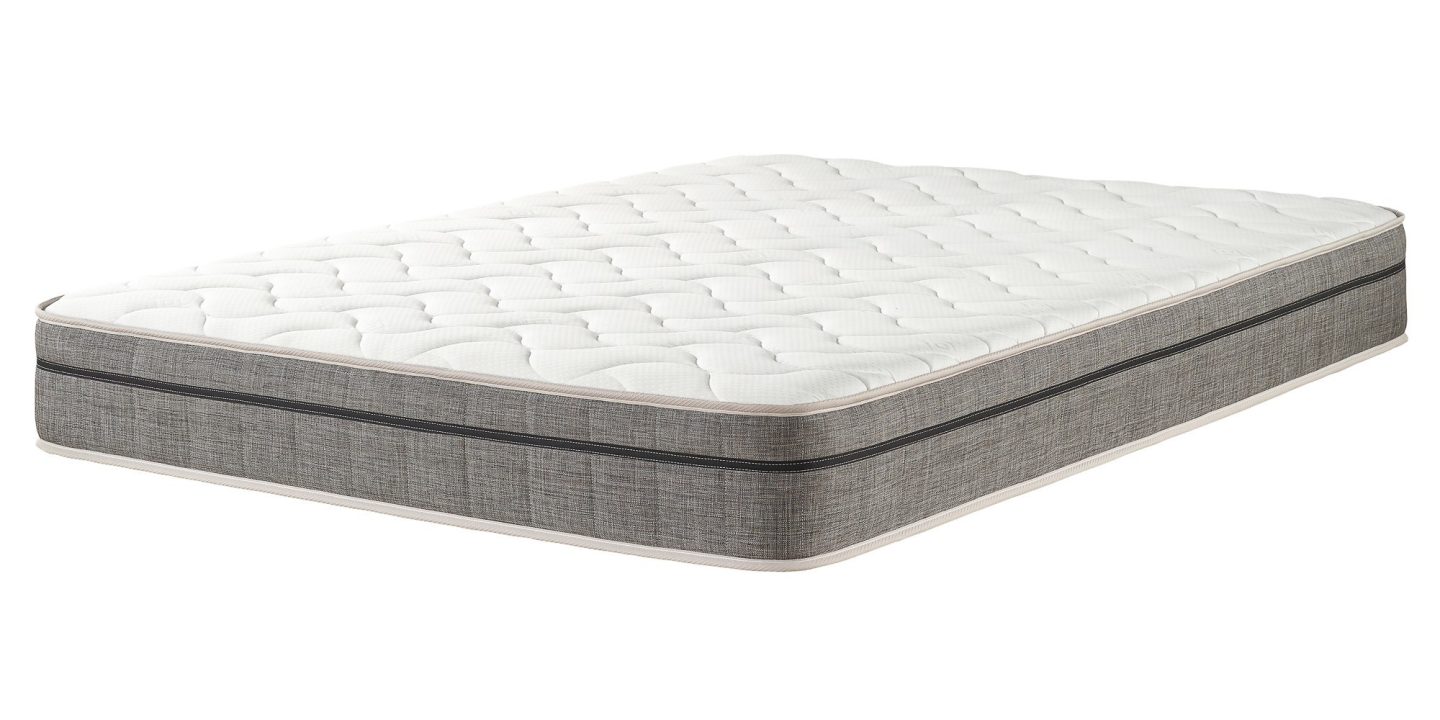
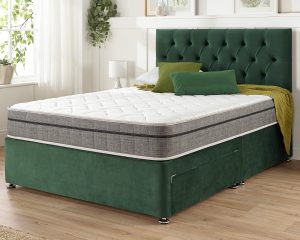
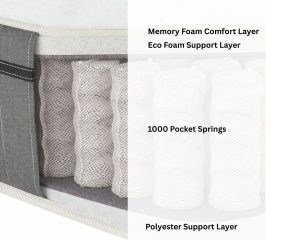
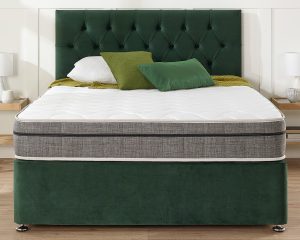
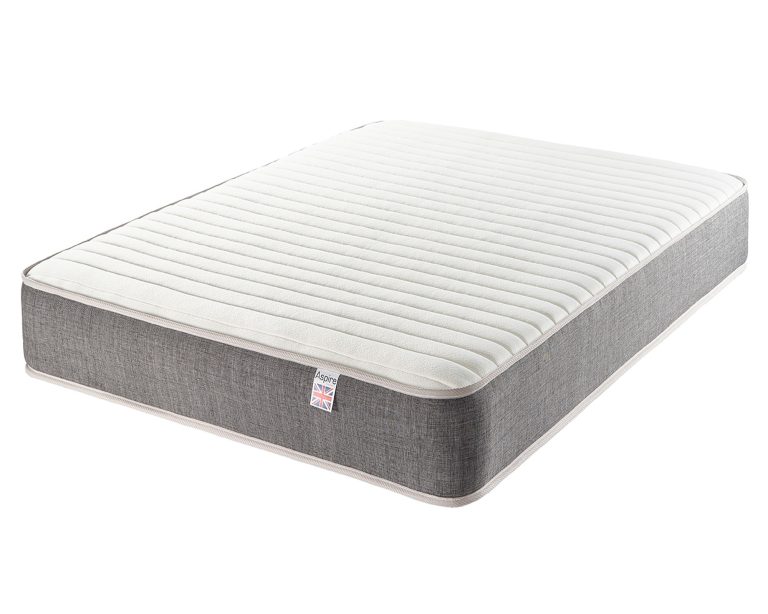
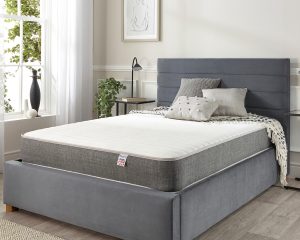
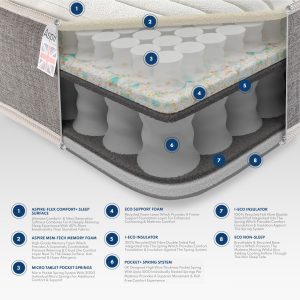
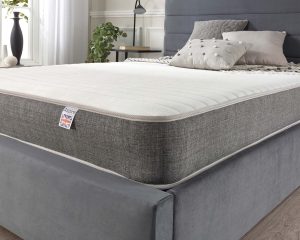
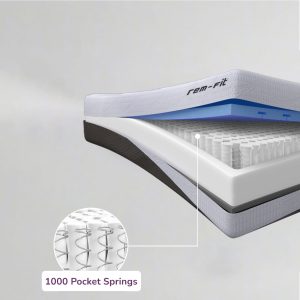
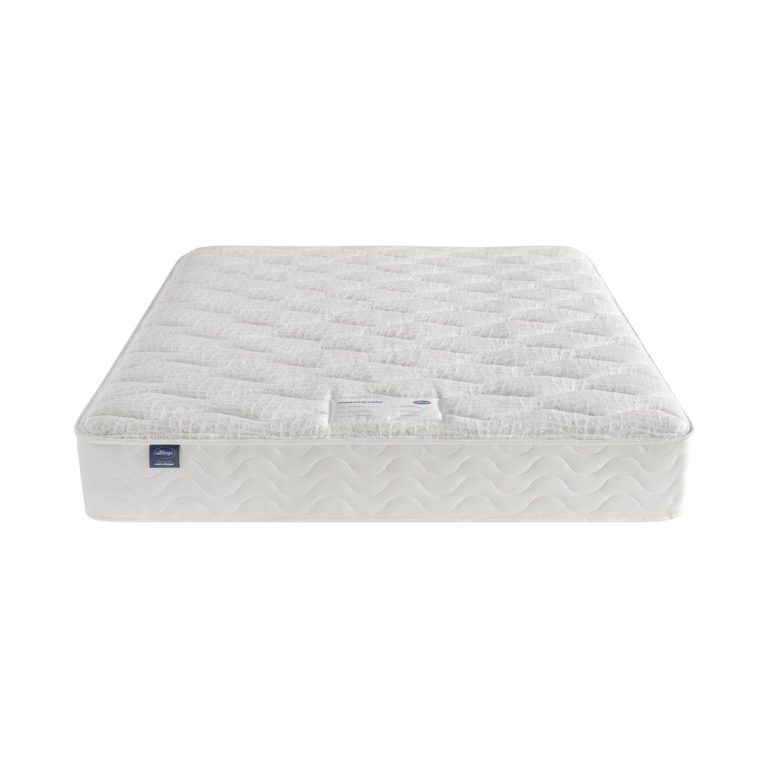
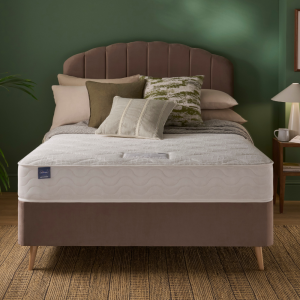
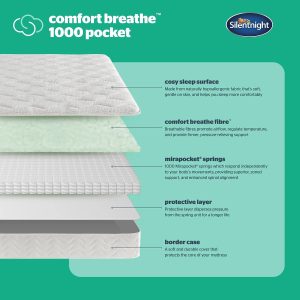
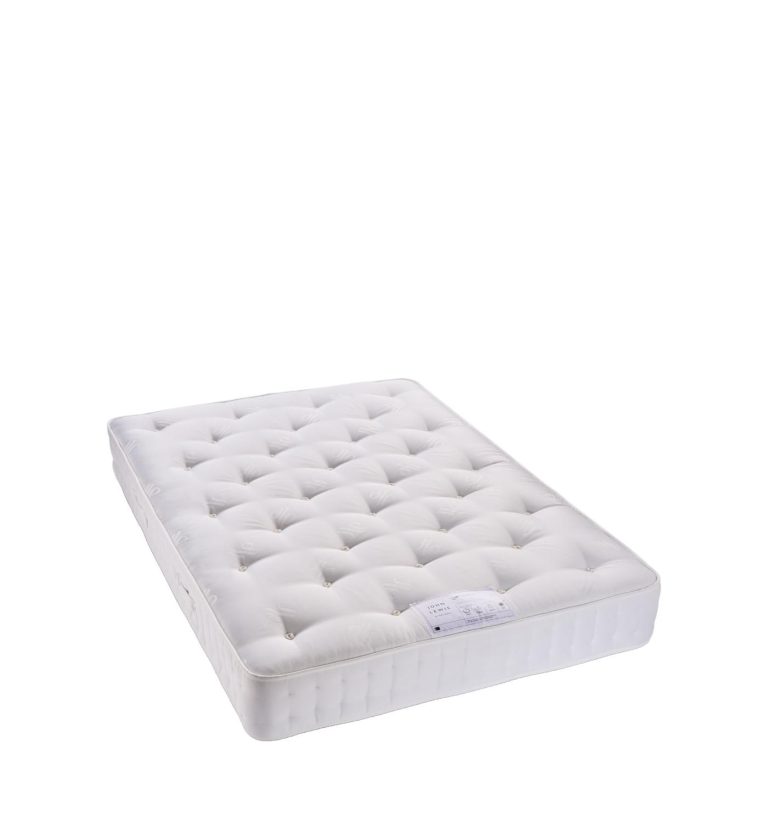
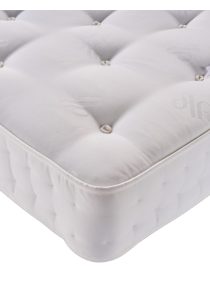
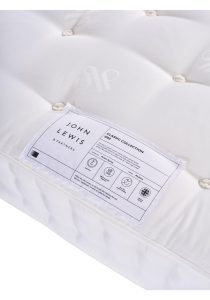
For most adults, 1,000 is enough. The National Bed Federation (NBF), the trade body for UK bed makers, says in its buying guide that pocket spring counts “typically vary from 600-800 up to 2,500, but can go up to 3 or even 4,000”, and it lists the count as only one of five things that set the feel: “Changing the spring construction, thickness (gauge) of the wire, the number of coils, height of each spring and the quantity alters the tension, feel and weight distribution properties of each mattress.” The 1,000 picks here are the Aspire Pocket+ 1000 Memory, the REM-Fit Pocket 1000 Hybrid, the Silentnight Comfort Breathe 1000 and the John Lewis Classic Collection 1000. A 1,500 model, such as Relyon’s Chelsea 1500 Memory, sits between the tiers with the same single layer of springs.
2,000 springs
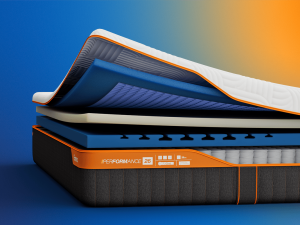
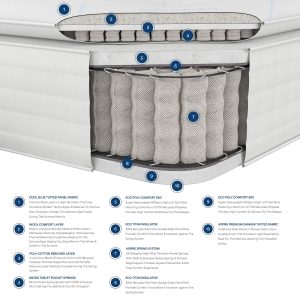
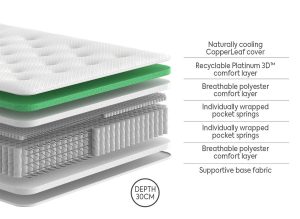
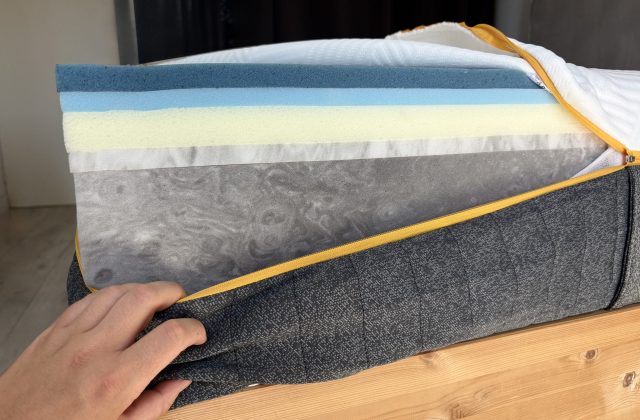
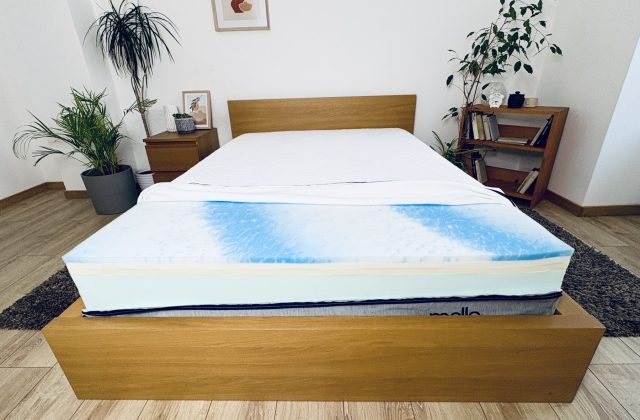
Makers reach 2,000 in two ways, either by packing smaller springs into one layer, as Silentnight does in its Memory Pocket 2000, or by adding a layer of micro springs over the main unit, as Jay-Be does in its Truecore Hybrid 2000. Either way the mattress usually gets deeper and passes on less movement when a partner turns over. Whether it supports you better depends on the gauge and the comfort layers, so a heavier sleeper gains more from a deeper, firmer build than from the number, and our mattresses for heavy people ranking covers those.
3,000 springs and up
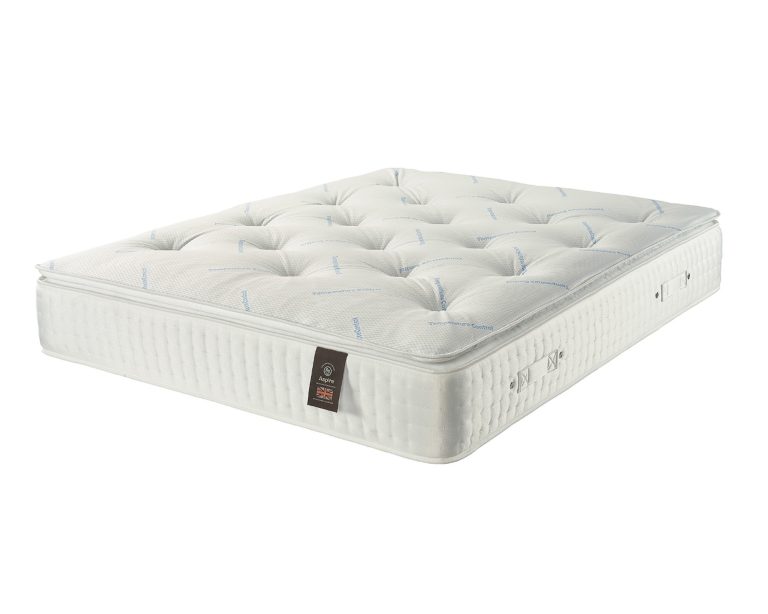
Above 2,000 the extra springs are almost always micro springs in the comfort layer. The NBF’s guide adds that “mini springs can also be stacked together to form a very soft, high spring count mattress core”, which is why a 3000 or 5000 feels plusher rather than firmer. Aspire’s 3000, 5000 and 7000 models stack those layers on the same kind of core, Dreams states the count for the size you buy on its Lynmouth 3000, and the DUSK Memory Foam 4000 is the exception, with two tiers of full pocket springs.
What the extra springs cost
Within one range the jump is easy to price, and it is rarely small.
In each case most of the extra money buys depth and a softer top. Medium-firm remains the safer default at any count: in a randomised trial of 313 adults with chronic low back pain, published in The Lancet in 2003 (Kovacs et al.), people on a medium-firm mattress had less pain in bed and less disability after 90 days than those on a firm one. Check the trial before you pay for more springs, too. REM-Fit and DUSK give 100 nights, Silentnight and John Lewis a 60-night exchange, and Aspire, Jay-Be and Dreams offer no home trial on these models.