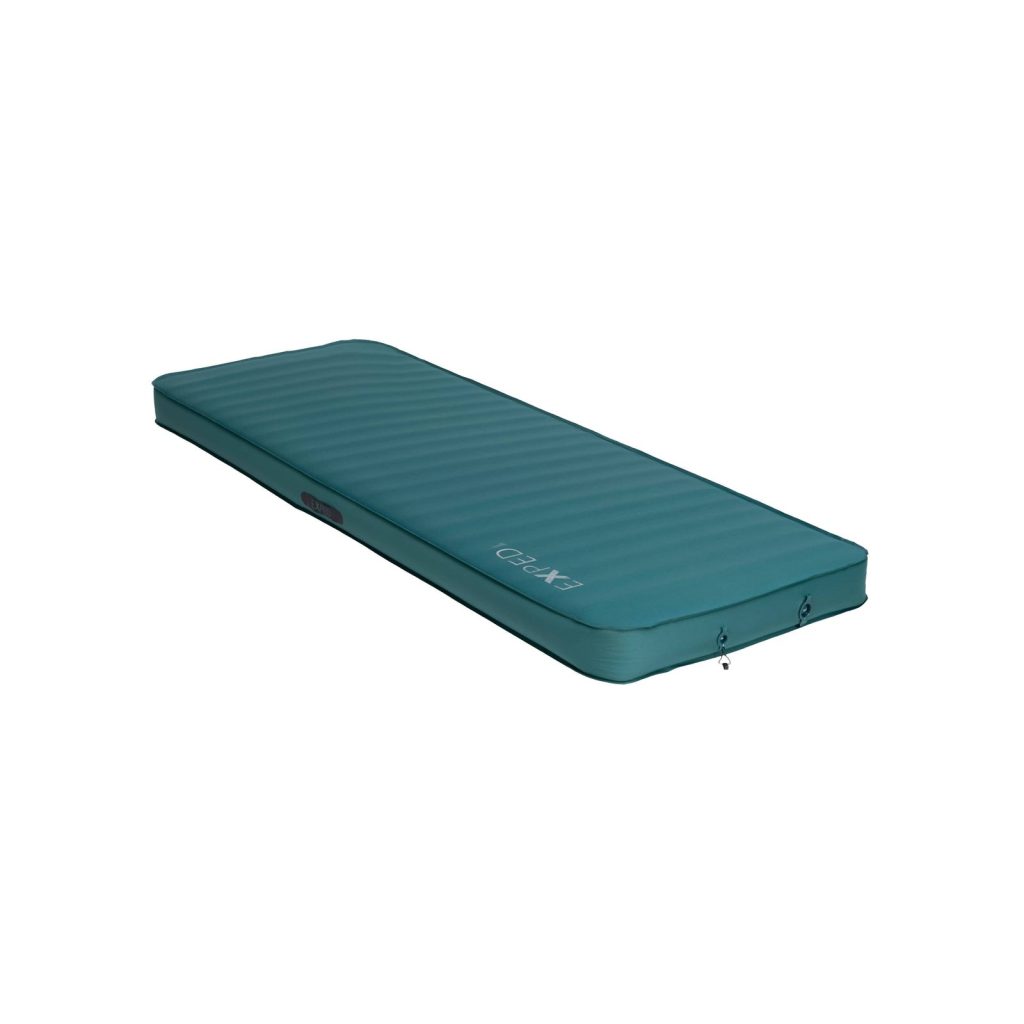
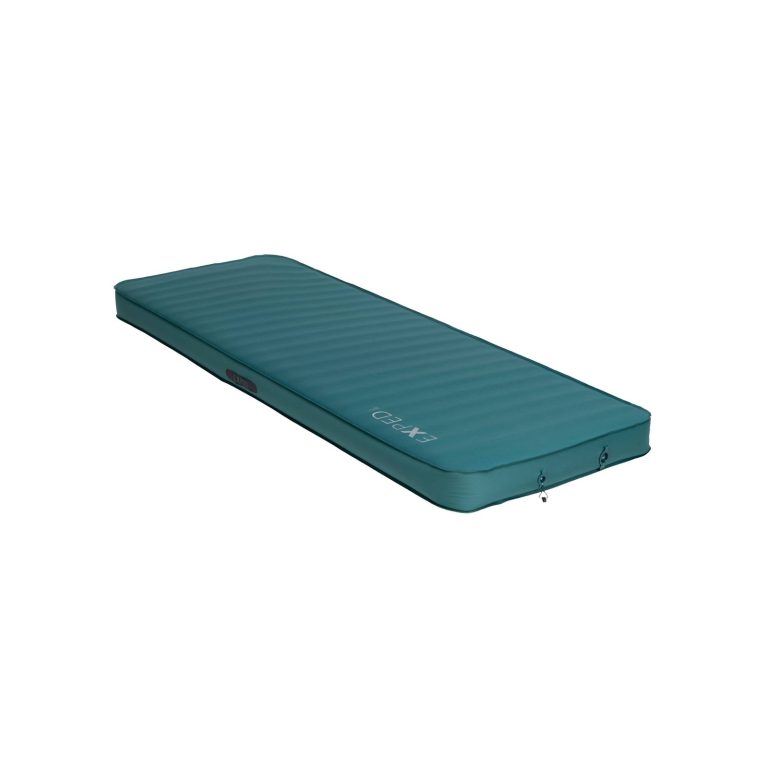
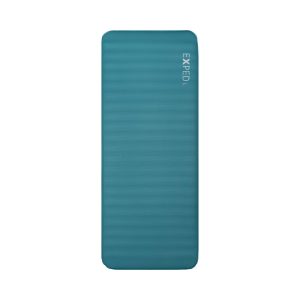
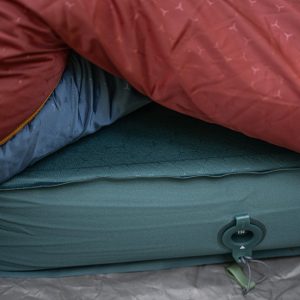
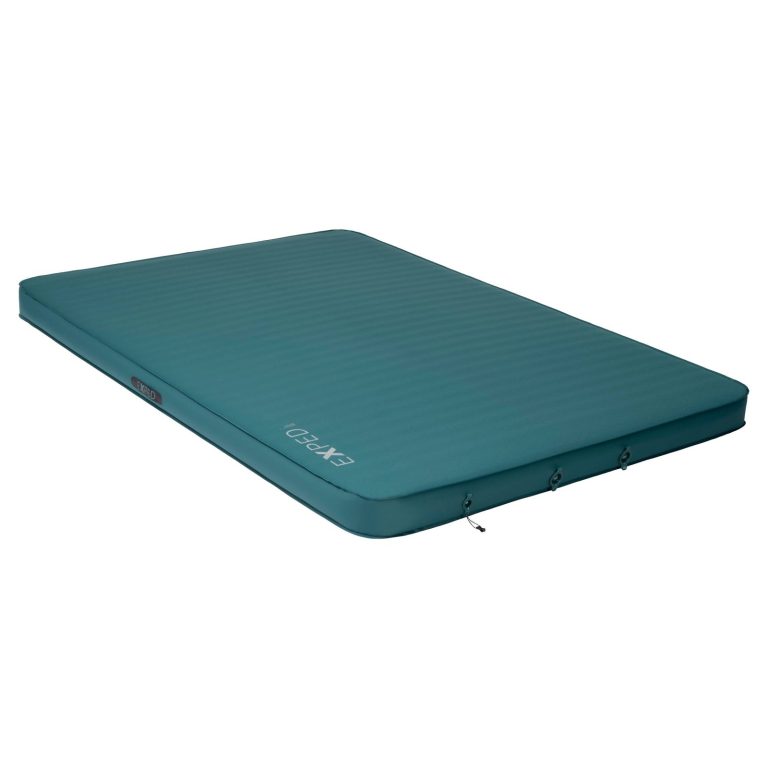
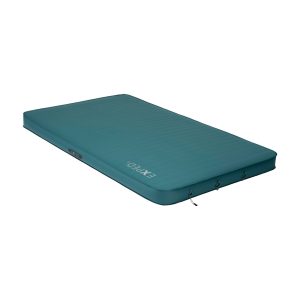
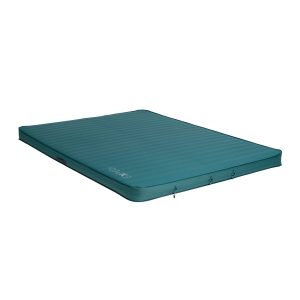
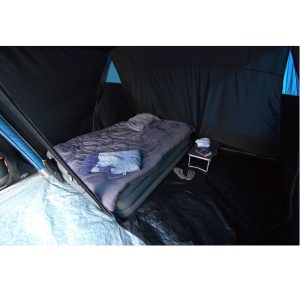
“For a week on a British campsite, the Exped MegaMat is the one we would pack: 10cm of foam that feels closest to your own bed, with plenty of warmth against the cold ground. It suits anyone who parks beside the tent.”
Which type of camping mattress?
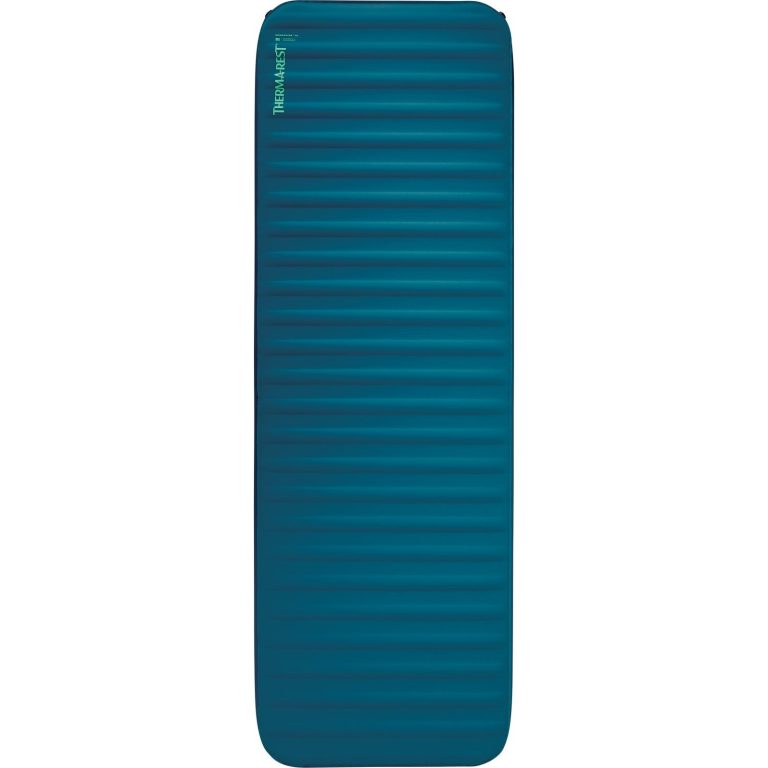
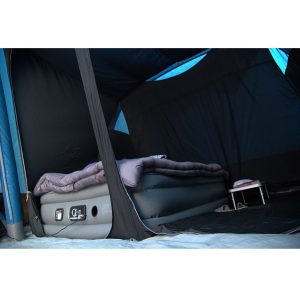
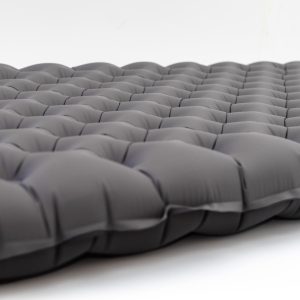
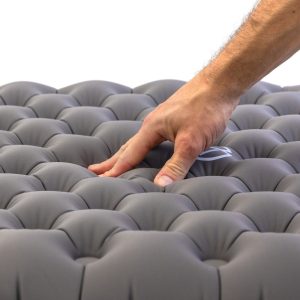
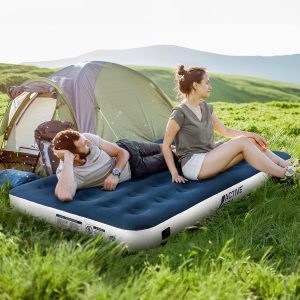
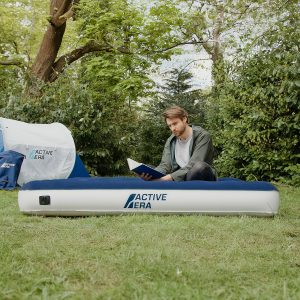
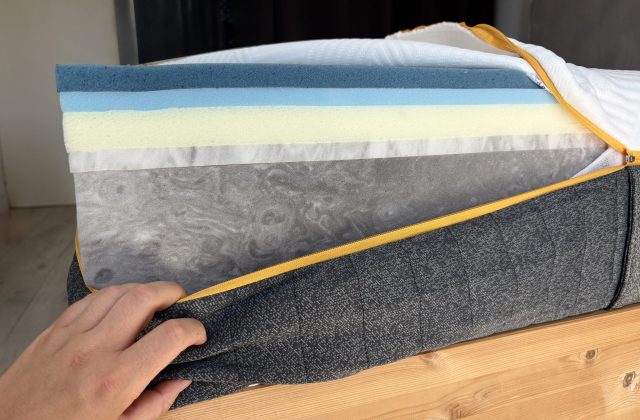
Choose the type before the model, because it decides warmth, weight and how you inflate it. The Camping and Caravanning Club puts the reason plainly: “Aside from your sleeping bag, your sleeping mat is the only thing separating you from the cold ground.” Self-inflating mattresses hold open-cell foam inside an airtight shell, so they insulate and cushion at the same time. They are the default for car camping, and the deepest ones, 10 to 12cm, come closest to a bed. Insulated air pads swap the foam for air tubes lined with reflective film, which makes them far lighter and smaller to pack. Air beds are the tallest and softest option but carry no insulation rating, so they suit summer trips and pitches with electric hook-up. For a guest bed at home, our air mattress ranking compares raised beds with built-in mains pumps.
Warmth: read the R-value
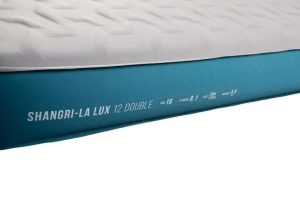
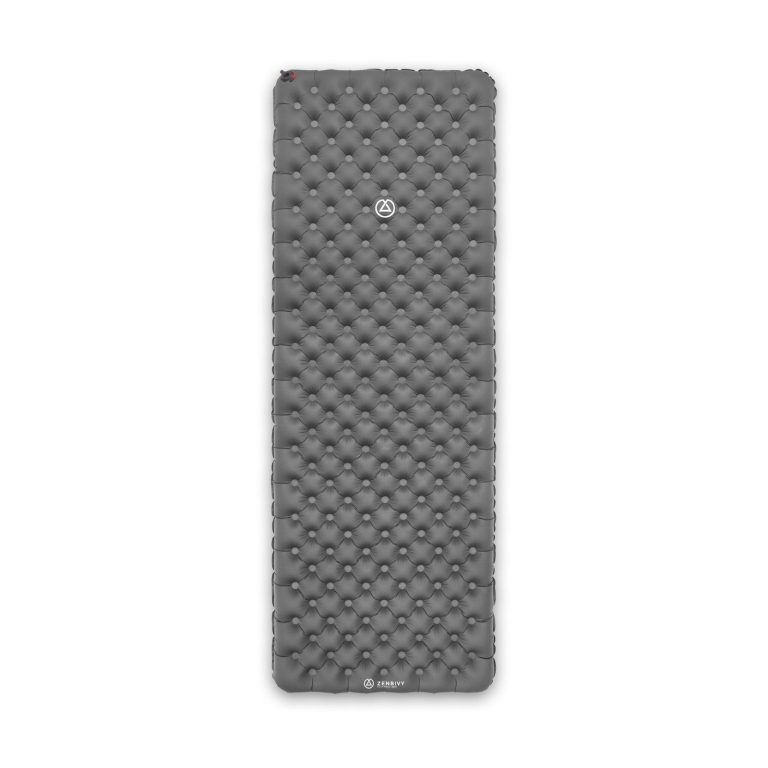
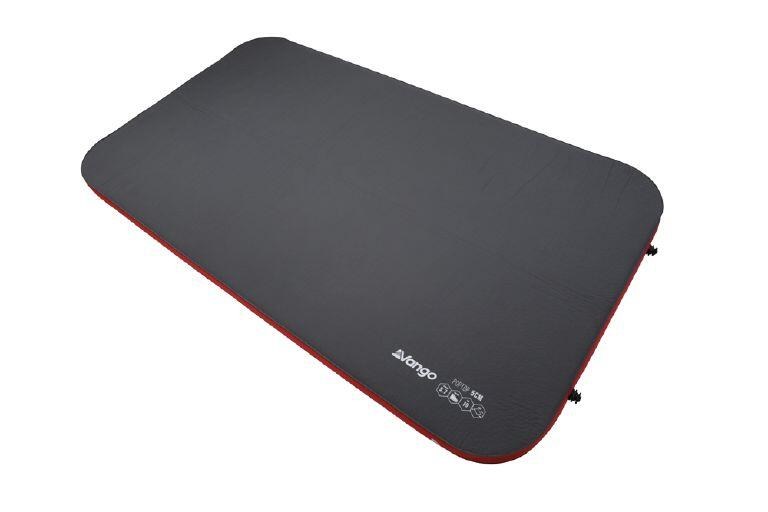
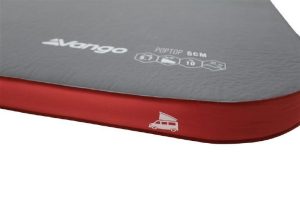
The R-value measures how well a mat resists heat flowing from your body into the ground, and a higher number is warmer. ASTM, which publishes the F3340 method, says “the thermal resistance of camping mattresses is an important indicator of insulation performance”, while warning that the lab figure “will not always correlate to actual insulation performance” once edge losses and changes of sleeping position come into play. Use it to compare mats rather than as a promise of a temperature. In this ranking the self-inflating mattresses run from R 5.7 (Vango PopTop) to R 9.1 (Vango Shangri-La Lux 12 Double) while the Zenbivy Flex Air, the one insulated air pad, sits at 4.8. For camping in Britain before May or after September we would treat R 5 as the floor; on summer weekends the lower numbers are fine.
Depth, width and camp beds
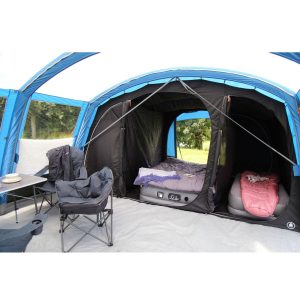
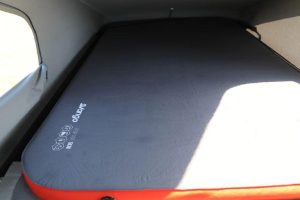
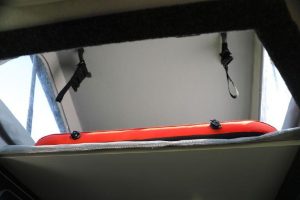
Depth matters most to side sleepers, whose hips and shoulders press furthest into a mat. Ten centimetres or more of foam keeps them clear of the ground, while 5 to 8cm suits back sleepers and anyone carrying the mat on foot. Width matters as much as depth. Most singles here measure 63 to 64cm, the Exped MegaMat 77cm, the PopTop roof-bed mat 100cm and the doubles 104 to 152cm, so measure the tent’s sleeping compartment before you choose a double. On a camp bed, a single self-inflating mat adds warmth and softness, because a bare camp bed loses heat to the air beneath it. Pick one no wider than the frame, as an overhanging mat rolls off at the edges.
Pack size, weight and pumps
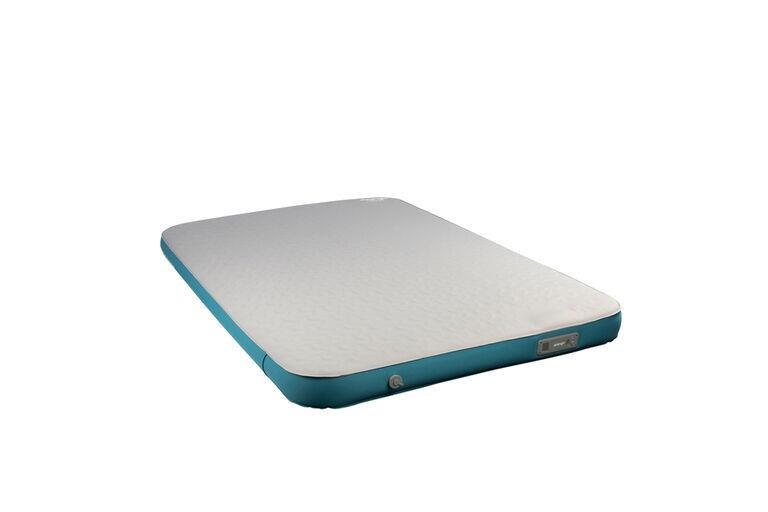
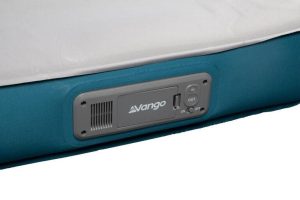
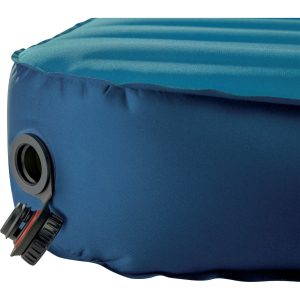
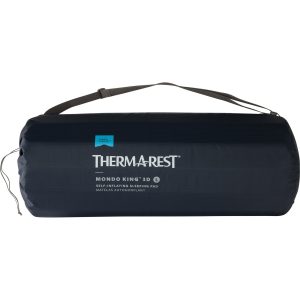
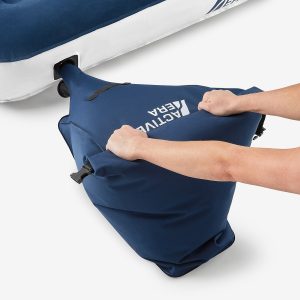
Packed size is the figure that counts when the car is already full. A 12cm double rolls to about 32 x 72cm and weighs nearly 6kg, while the Zenbivy Flex Air weighs 680g in its Regular size and fits in a rucksack. Check how each mat fills, too. Self-inflating foam draws in most of its air on its own once the valve is open and needs a few breaths or a pump sack to firm up. The built-in pump on the Vango Shangri-La Lux 12 Double does the whole job.
Warranties
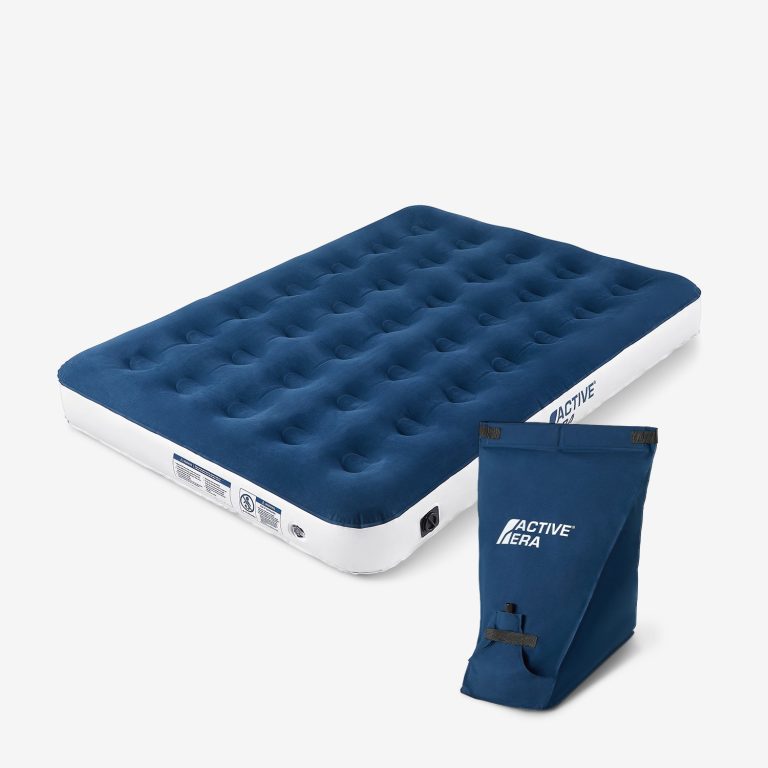
Guarantees vary more than prices suggest. Active Era offers 1 year, while Vango gives 2 years and adds a third if you register the product. Exped gives 5 years and repairs punctures free of charge within that period. Zenbivy and Therm-a-Rest promise lifetime cover against manufacturing defects (a limited lifetime warranty on Therm-a-Rest), and NEMO gives 5 years on mats bought in the UK, since its lifetime warranty applies only in the US and Canada. Keep the receipt from your UK retailer, because claims on brands without a UK shop usually start there.