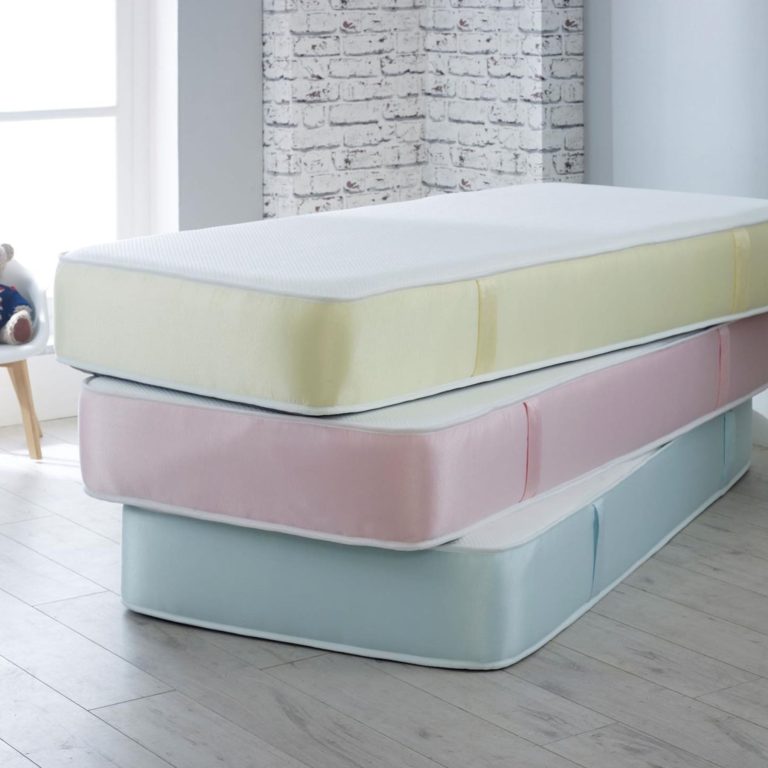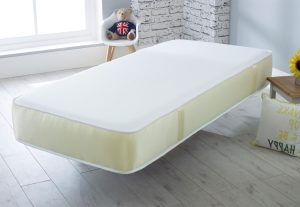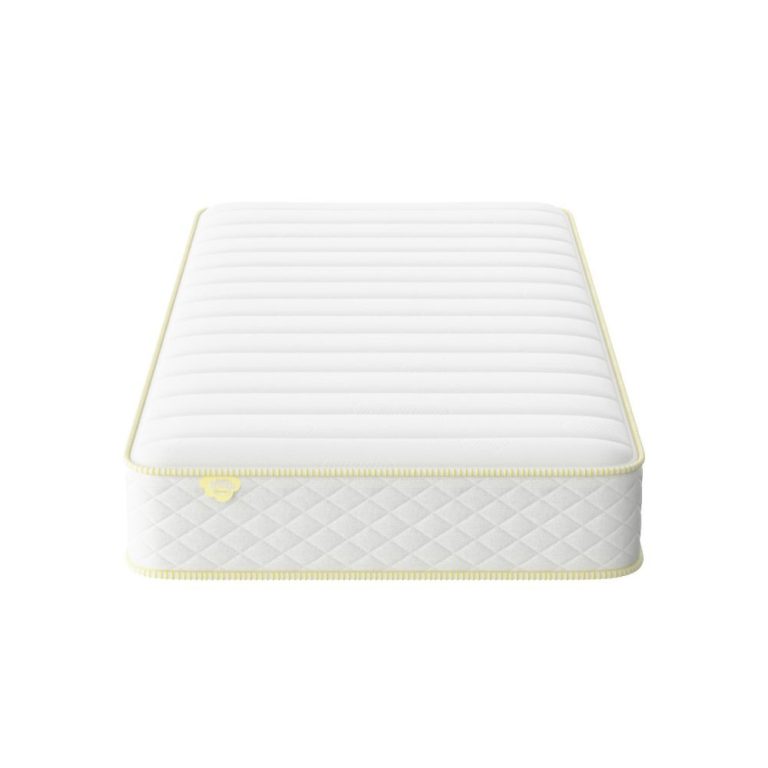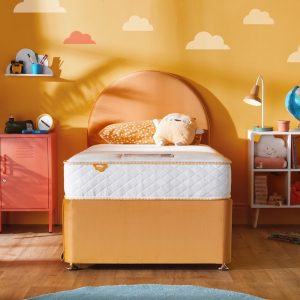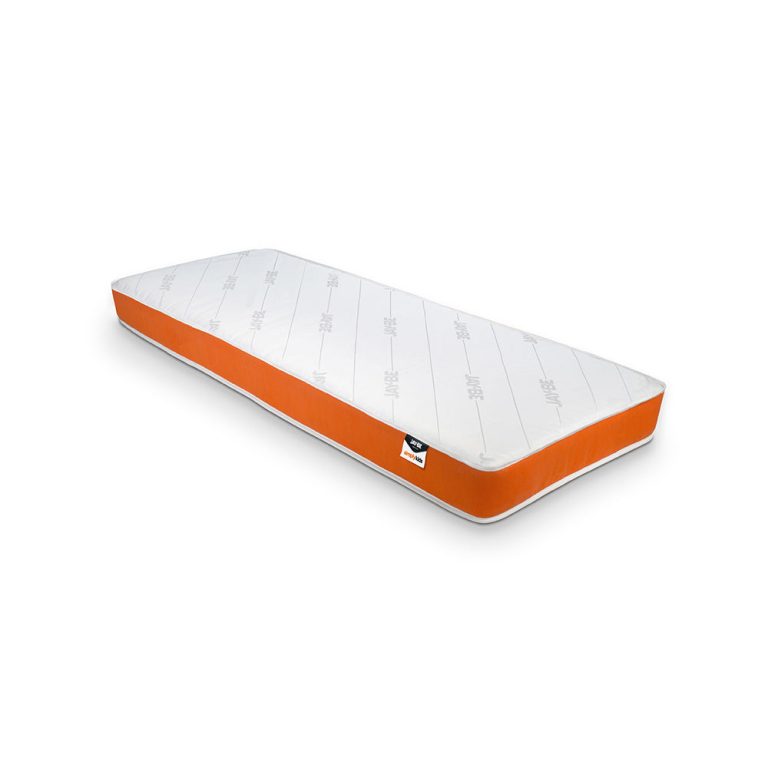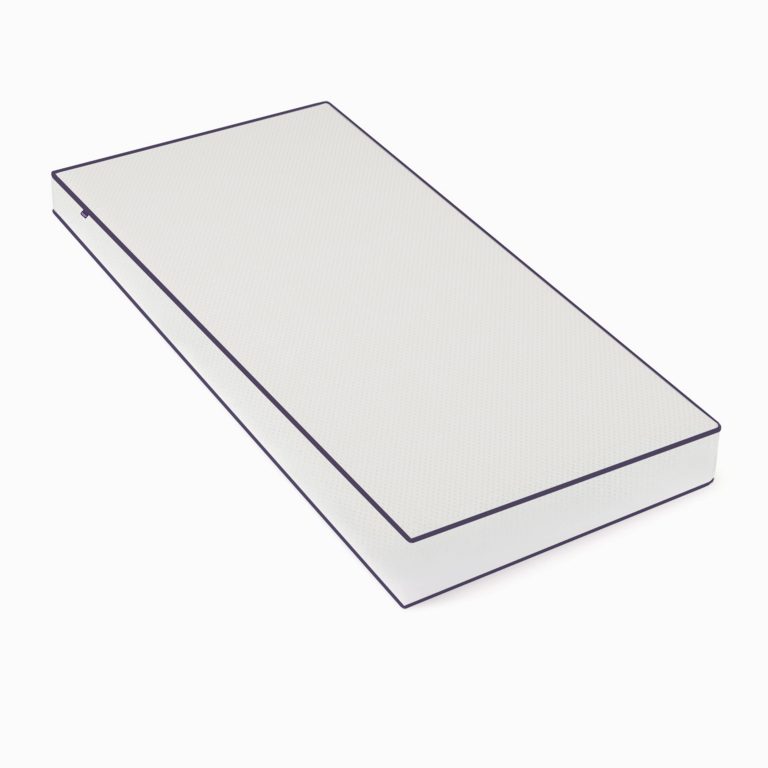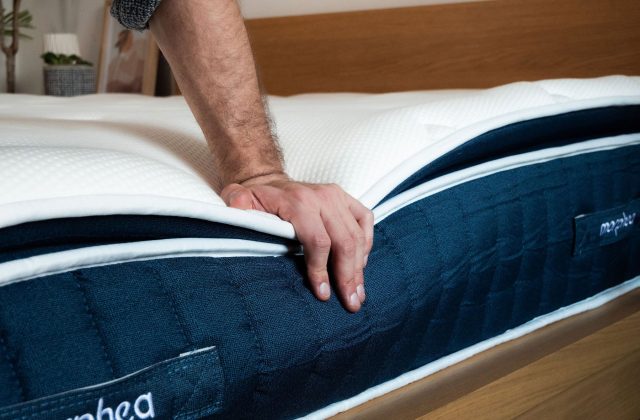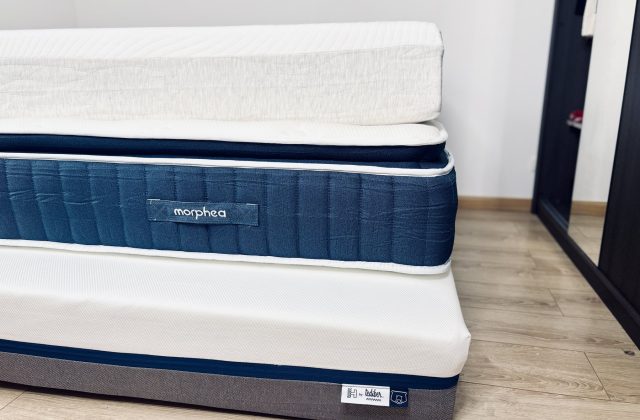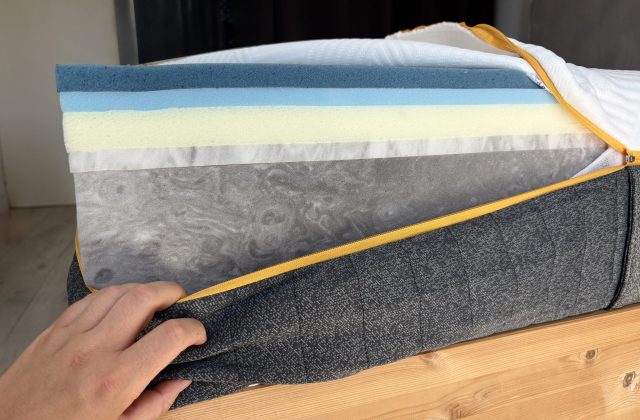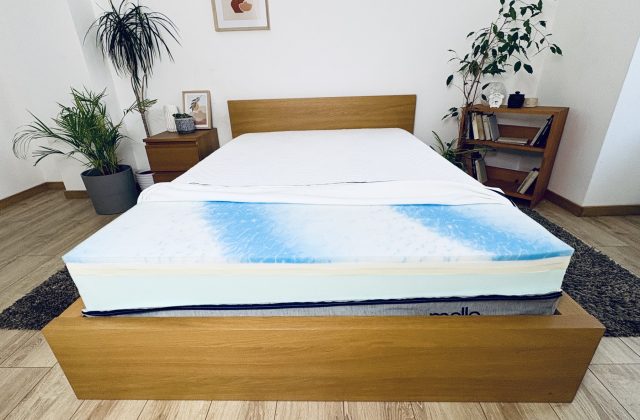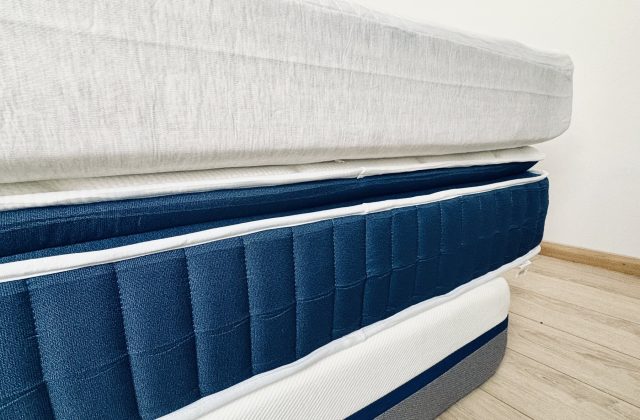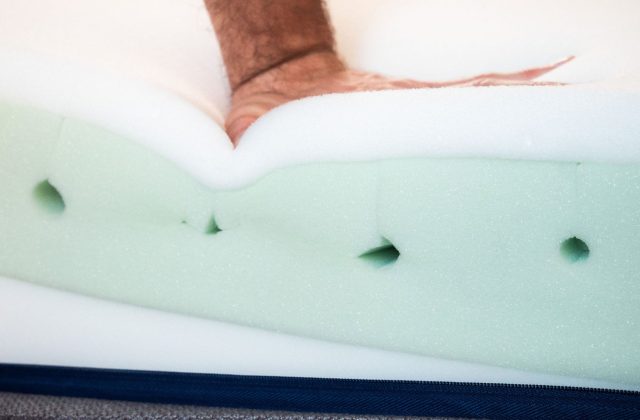


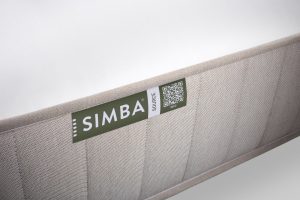

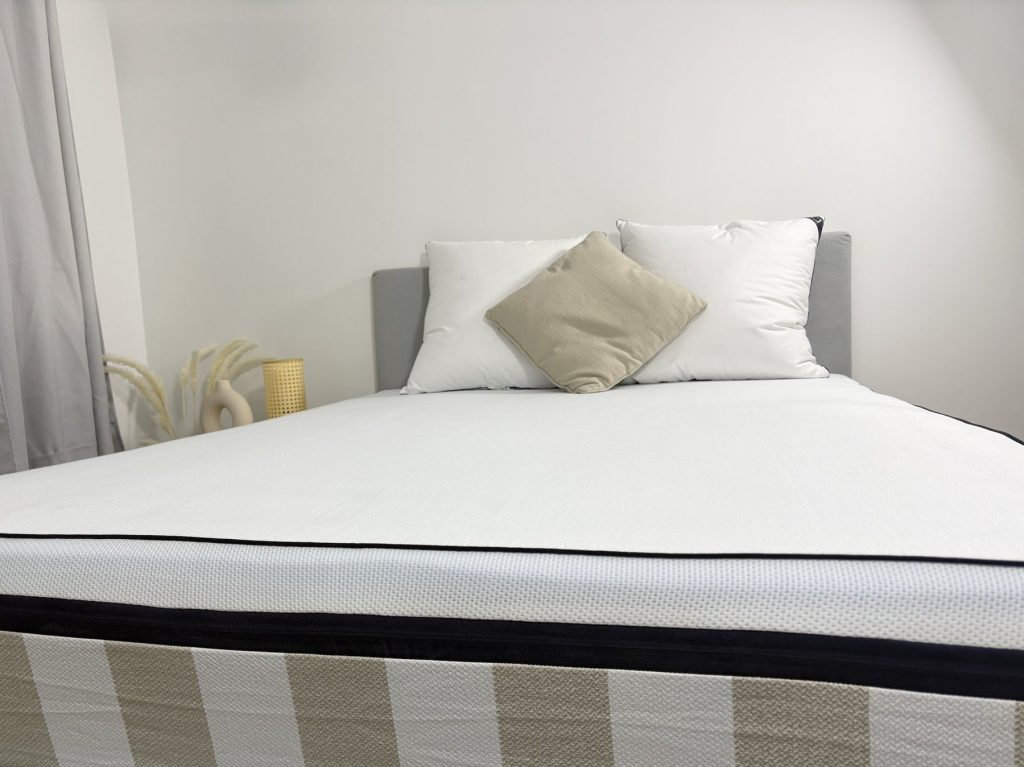
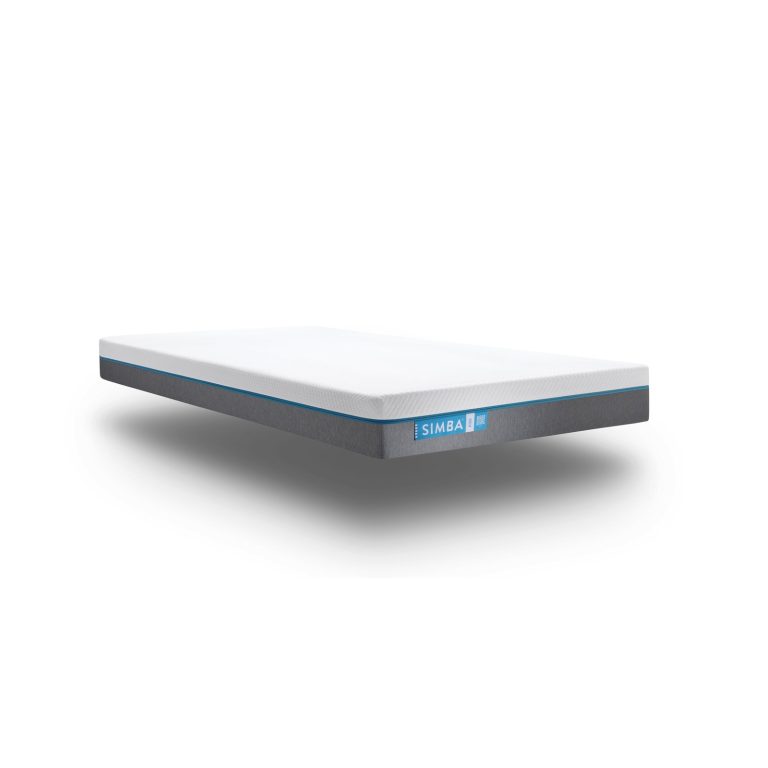
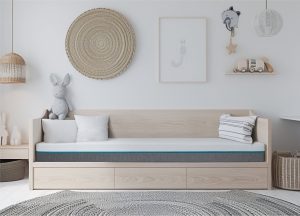
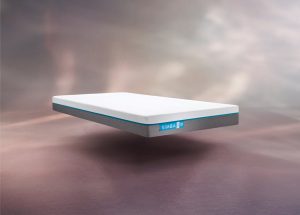
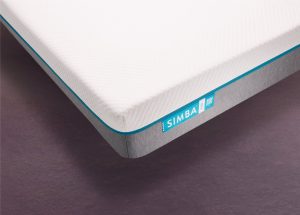
“For most children we would choose the Simba Hybrid Kids, a 16cm sprung single with a washable cover that can take them from their first big bed right through to their teens.”
Match the mattress to the stage
Toddlers who leave the cot often move first into a 70x140 cot bed or toddler bed, and then into a UK single, 90x190, which is long enough for most of them until they stop growing. So a child’s single has to suit a four-year-old and a twelve-year-old, which is why a mattress that spans that range is worth paying more for. A heavier teenager may be better served by an adult single from our single mattress comparison, and our main mattress ranking covers every type.
Moving up to a first single
Measure the bed frame rather than the old mattress before you order. Run the tape from headboard to foot for the length and from side to side for the width, then check doorways, stairs and tight corners, because most mattresses should not be bent on the way in. Silentnight’s bed and mattress size guide walks through it. Rolled mattresses such as the Jay-Be and the SnuzSurface are easier to get up a narrow staircase. The room matters too. The Sleep Charity’s advice on children’s bedrooms puts the ideal temperature at around 18°C and notes that the firmness of the mattress and the texture of the bedding count for more with children who have sensory needs, so for those children it is worth letting them try the feel before you commit.
Firmness and fillings
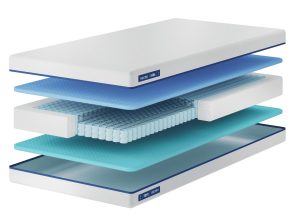
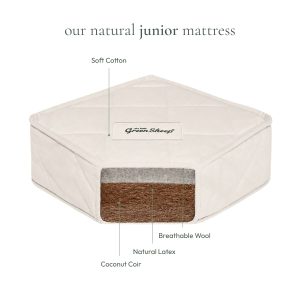
The National Bed Federation’s advice on children’s beds says that “Generally, a medium mattress is the most appropriate level of firmness for a child”, that mattresses containing memory foam are generally not recommended for young children, and that hypoallergenic fillings may be needed for a child with asthma, eczema or rhinitis. Most of the singles here sit at medium or medium-firm, close to that guidance, and only the coir-based Little Green Sheep and the SnuzSurface are rated firm.
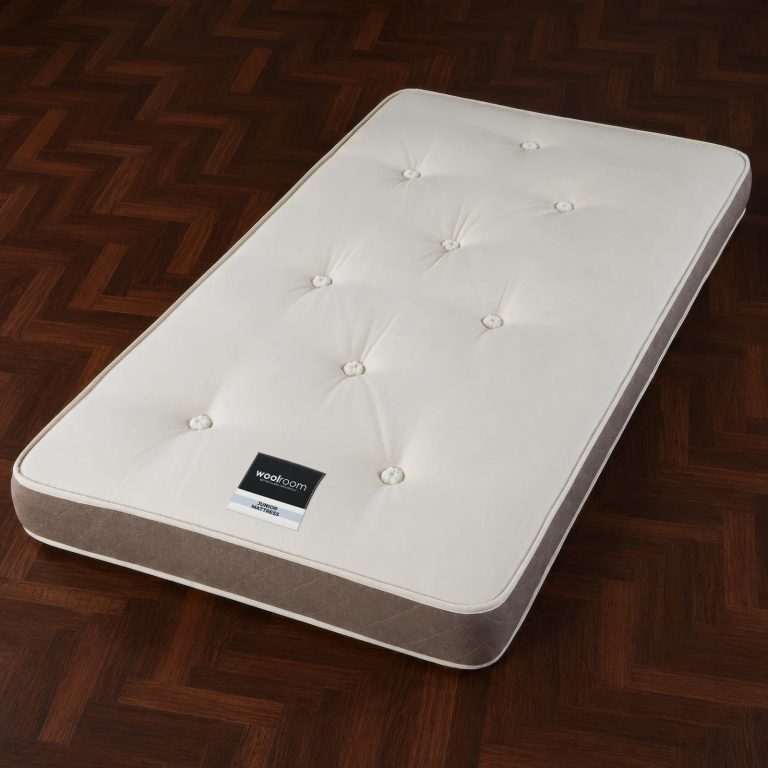
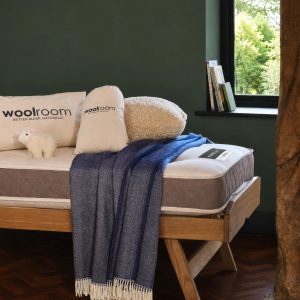
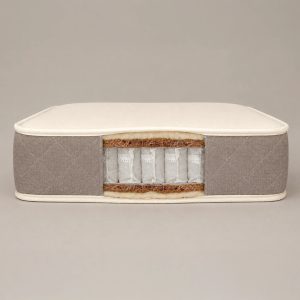
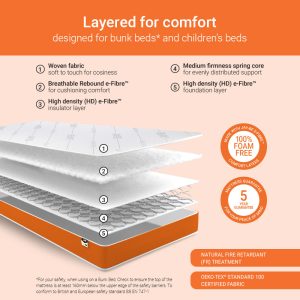
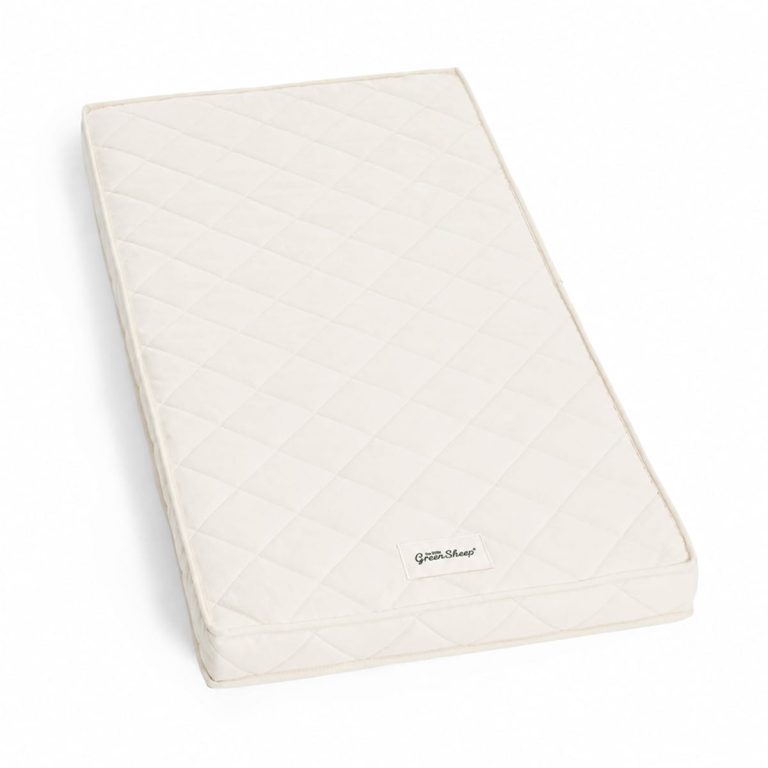
Parents who want no foam at all have four single-bed choices here, the Silentnight Astro, the Jay-Be, the Woolroom and The Little Green Sheep.
Depth on bunk and cabin beds
Depth decides where a mattress can go. Under BS EN 747, the safety standard for bunk beds and high beds, every such bed must be clearly and permanently marked with the maximum mattress thickness, as SATRA, the UK furniture test house, explains. A thicker mattress raises the sleeper and so cuts the height of the guard rail above them. Six of the seven singles are 16cm or less, and our bunk bed mattress comparison covers raised beds in more detail.
Trials and returns
Sleep trials are the weak spot of this category. Only four of the eight mattresses here come with one, and they range from 60 nights at Silentnight to 365 at Nectar. Woolroom offers no trial on its kids’ mattresses, and the 100-day returns at The Little Green Sheep and Snüz are return windows rather than trials. If you are unsure how your child will take to a firmer or softer feel, a mattress you can send back is worth more than a few pounds off the price.
Spills, accidents and covers
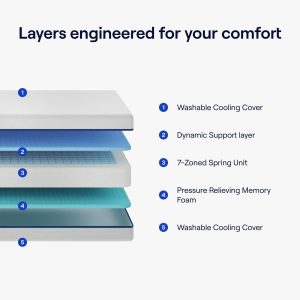
Plan for the wet nights. The NHS notes that many children under 5 wet the bed and that most grow out of it, so a washable cover and a waterproof protector matter more on a child’s mattress than any cooling layer. Our mattress protector comparison covers the waterproof options, and the SnuzSurface Max Junior is the pick if you would rather have the protection built in.