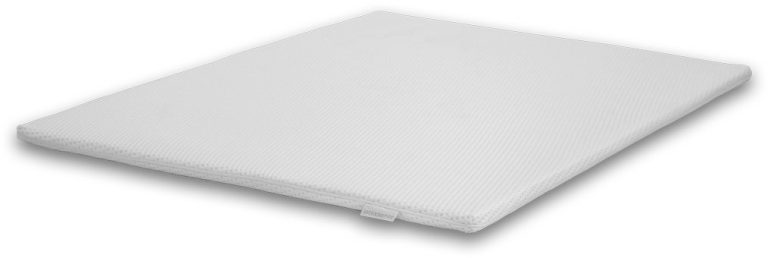
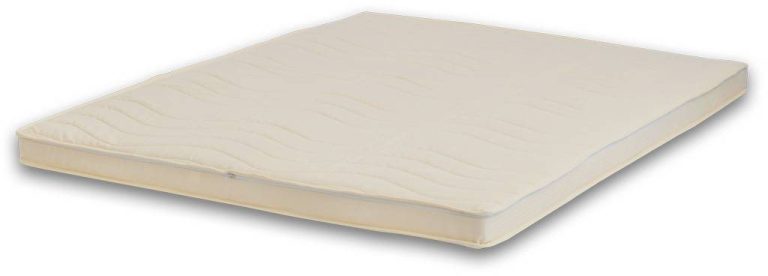
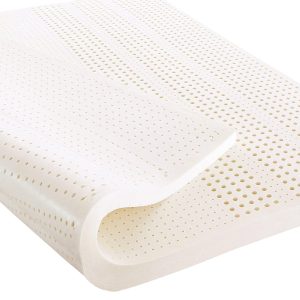
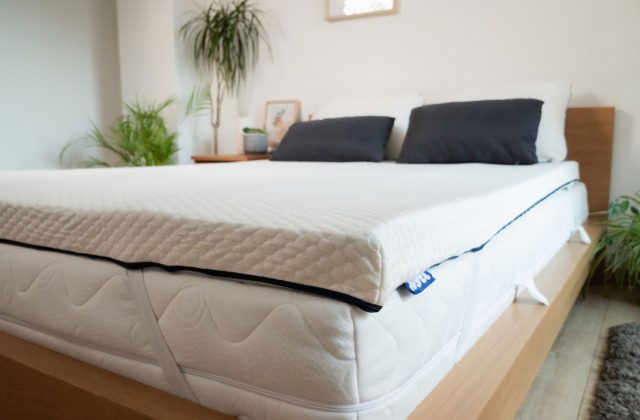
“Decide how firm you want the bed to feel before you pick a brand, because a soft Talalay layer and a firm Dunlop layer of the same depth feel like different products. After that, look for a certificate that names the latex as natural rather than trusting the word in the product title.”
Natural, synthetic or blended latex
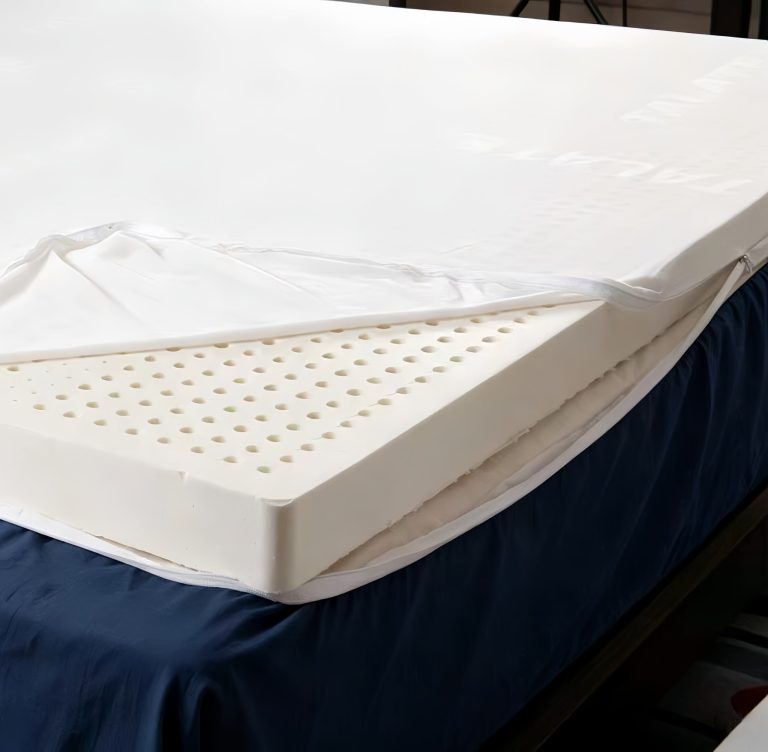
The word latex on a topper listing does not tell you what the core is made of, because natural, blended and synthetic rubber can look identical in a listing. A certificate is how you tell them apart. Latex Sense has its latex certified by eco-INSTITUT, which it says tests for fillers, synthetic rubber and emissions, and its covers carry OEKO-TEX Standard 100, whose label means every thread, button and accessory has been tested against over 1,000 harmful substances. The Global Organic Latex Standard (GOLS), developed by Control Union, goes further and requires the rubber to come from certified organic plantations; the Latex Sense Organic is the only GOLS topper here. Naturalmat, Woolroom and Hypnos describe their latex as natural but name no latex certificate on their product pages, and Talatex shows a strip of logos, GOLS and eco-INSTITUT among them, without saying which one covers its topper.
Dunlop or Talalay, and how firm
Talatex, which makes its toppers only from Dunlop latex, credits Dunlop with a “denser structure” and Talalay with a “softer, more buoyant texture”. The published densities follow that pattern, from 60kg/m³ for the soft Latex Sense Ultimate Talalay to 85kg/m³ for the firm Latex Sense Firmsense, and Land of Beds grades the Talalay-filled Hypnos as soft. Side sleepers need the shoulder and hip to sink, which suits a soft Talalay layer, while back and front sleepers usually do better on a medium or firm Dunlop layer. Firmer is not automatically better for a bad back. In a randomised trial of 313 adults with chronic low back pain, Kovacs and colleagues reported in The Lancet in 2003 that a medium-firm mattress did better than a firm one for pain in bed (odds ratio 2.36), so a firm topper on an already firm mattress is rarely the fix. Non-latex options are in our firm mattress toppers comparison.
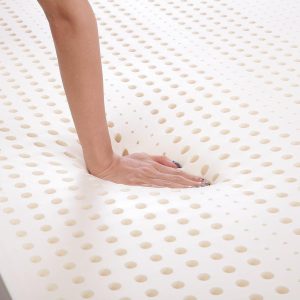
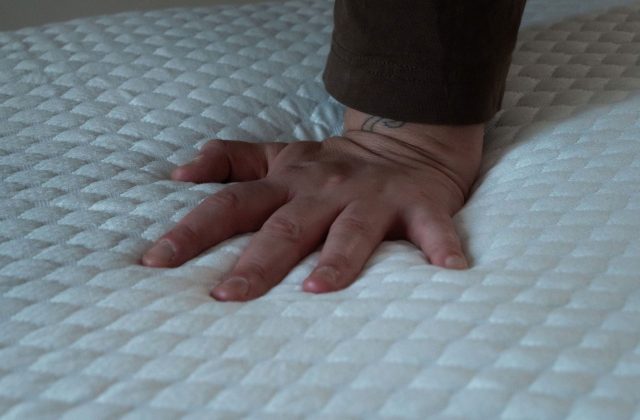
Pressure relief is the main argument for latex. In a 2017 study in the Journal of Chiropractic Medicine, Low and colleagues had 20 young adults lie on a latex mattress and on a high-density polyurethane foam mattress in three postures, and peak pressure was between 26.1% and 35.1% lower on the latex, with the largest drop at the side torso. The study used whole mattresses, six minutes per posture and a latex mattress supplied by its maker, so treat it as an indication for toppers rather than proof.
Depth, weight and wool
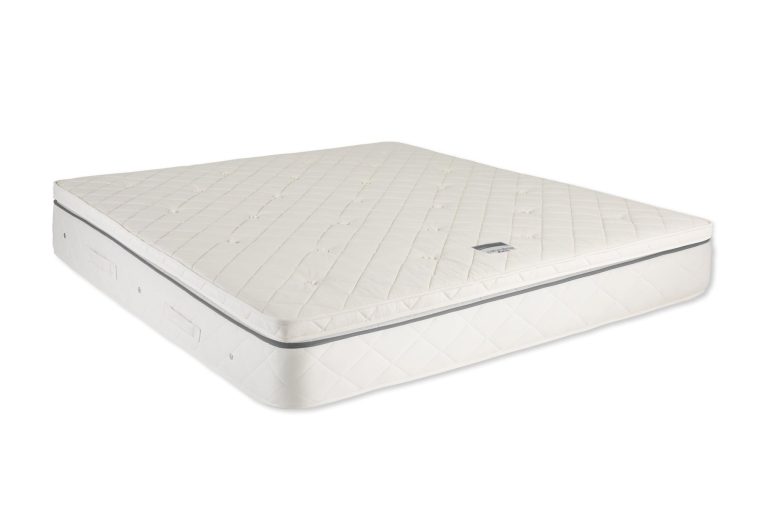
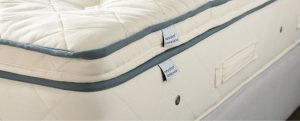
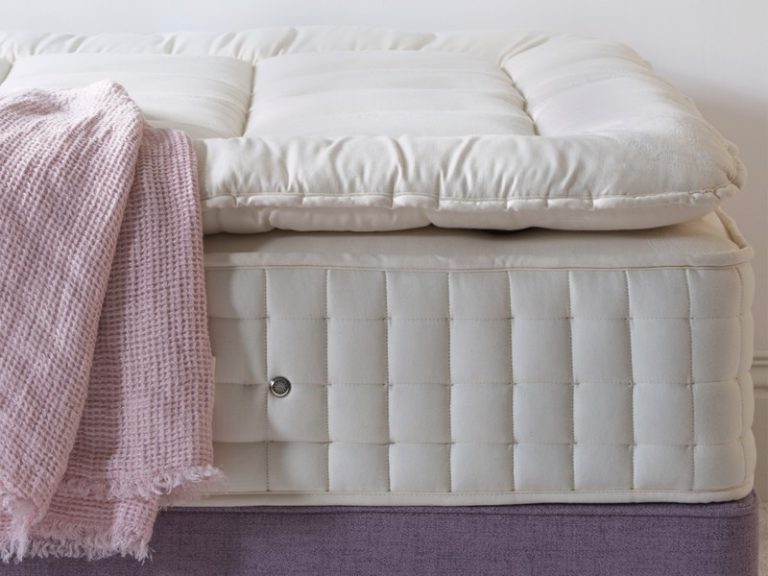
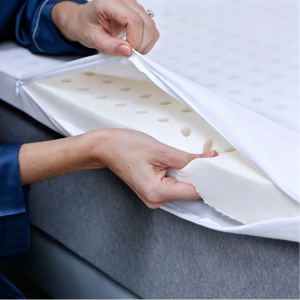
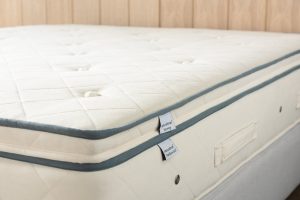
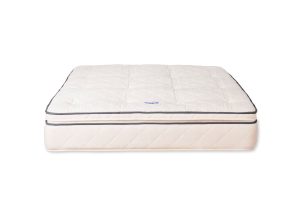
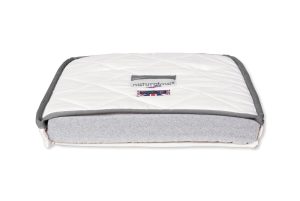
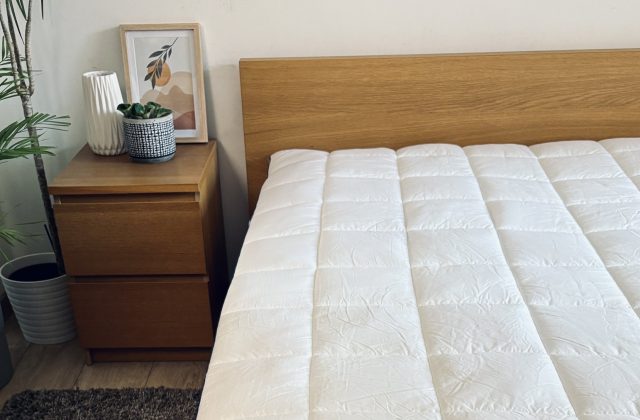
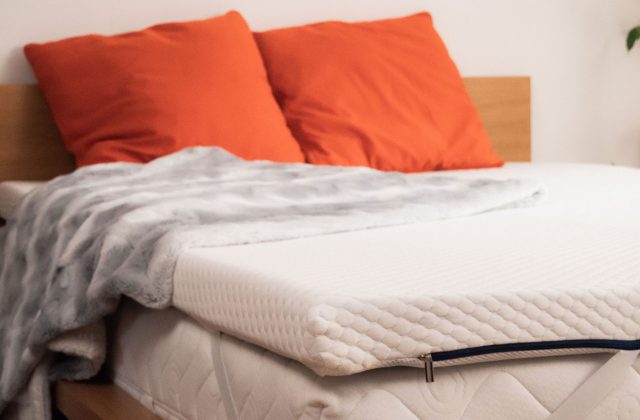
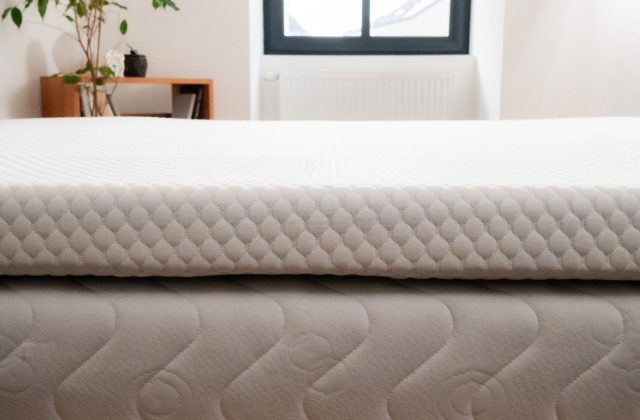
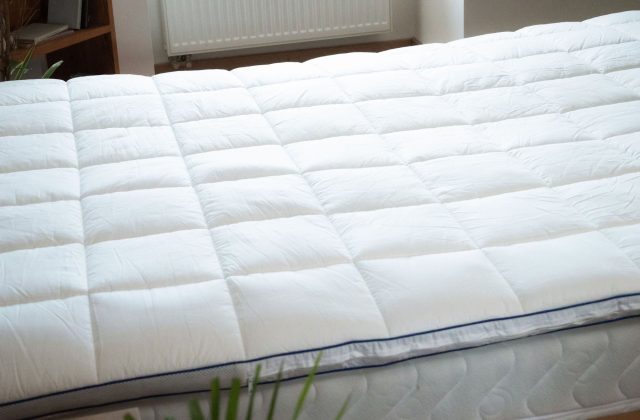
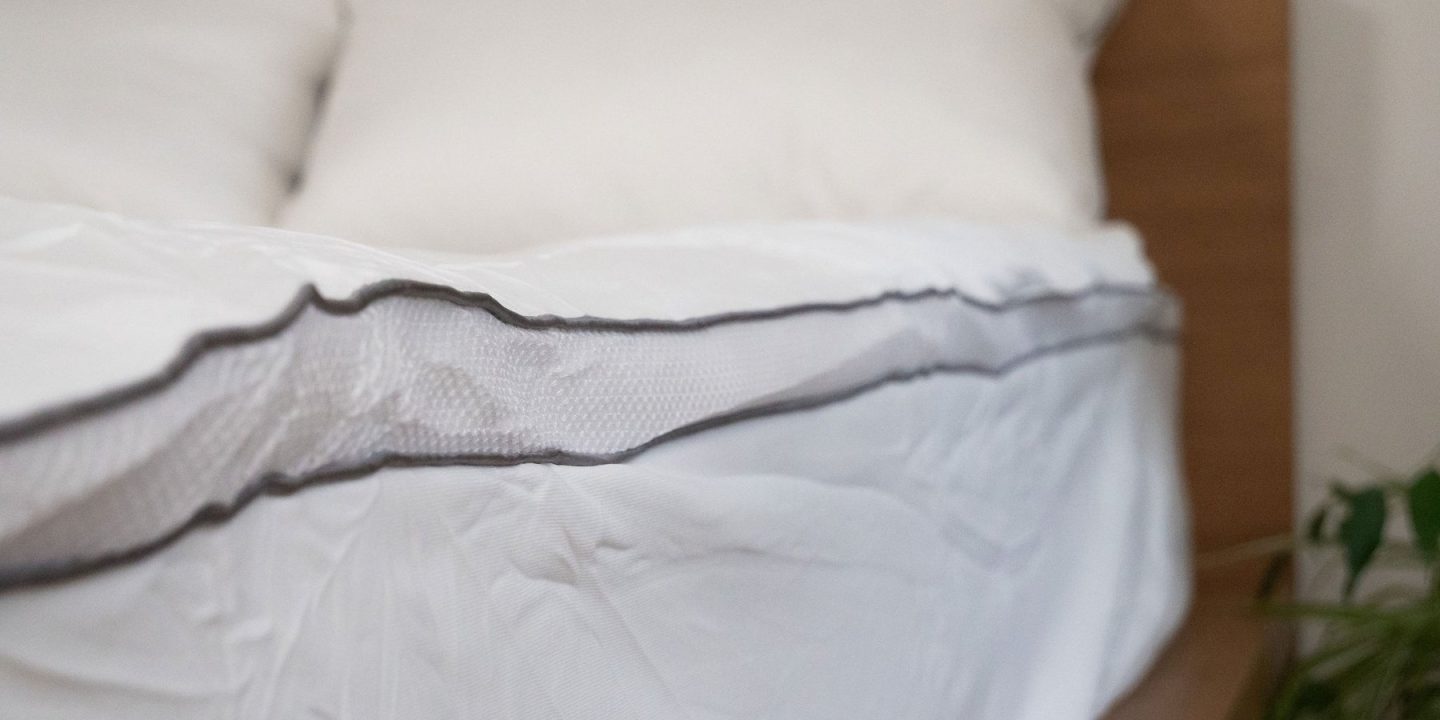
Bed Advice UK, the National Bed Federation’s consumer site, recommends a topper at least 5cm deep, since anything thinner is unlikely to make a noticeable difference, and it warns that a topper laid over deep dips will mould to those same dips. Latex is heavy, and Land of Beds lists the 7cm Hypnos at 11kg in a double and 16kg in a super king. Five toppers hold the latex between layers of wool (the three Naturalmats, the Hypnos and the Woolroom), while the Latex Sense and Talatex toppers put you closer to the latex under a thinner cover. Plan on a mattress protector whichever you choose. Latex Sense says its covers are not washable and advises a protector at all times, Woolroom says the Cheviot is spot clean only, and Talatex warns that its latex core must never be machine washed. For wool without latex see our wool mattress toppers, for the slow sink of foam our memory foam toppers, and for a whole latex bed our latex mattresses.
Allergy, fire safety and returns
Natural latex is a known allergen. Allergy UK lists latex bed sheets and pillows among likely sources and advises: “Check before buying any article which could be rubber and whether it contains natural rubber latex. This is particularly important for articles which will be in contact with your body.” A wool or cotton cover sits over the latex without removing it, so a diagnosed latex allergy rules out every topper on this page. Fire rules are less clear for toppers. The Furniture and Furnishings (Fire) (Safety) Regulations 1988 cover “mattresses (of any size)” but not bedding, so the makers state their own standard. Naturalmat gives BS 7177 at medium hazard for all three of its toppers, and Latex Sense gives BS 7177 and BS 5852, using graphite in the latex in place of chemical sprays. A topper you have slept on usually goes back only under a sleep trial, so the 30-night trials from Latex Sense and Woolroom and the 30-day trial from Talatex carry real weight, while Naturalmat and Land of Beds list no trial on these toppers. Other sizes are in our double and king size topper comparisons, and every fill in the mattress topper comparison.



 OEKO-TEX
 eco-INSTITUT
 LGA tested (TÜV Rheinland)