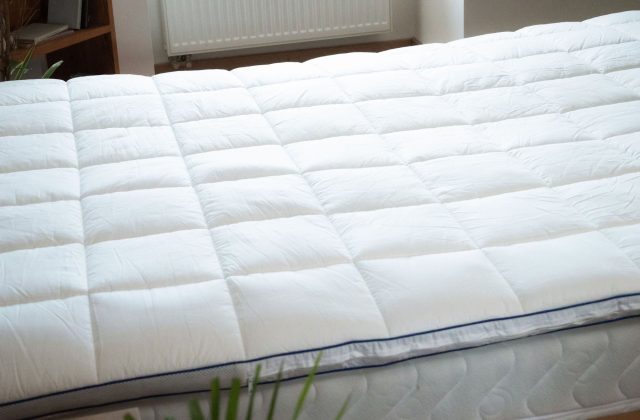
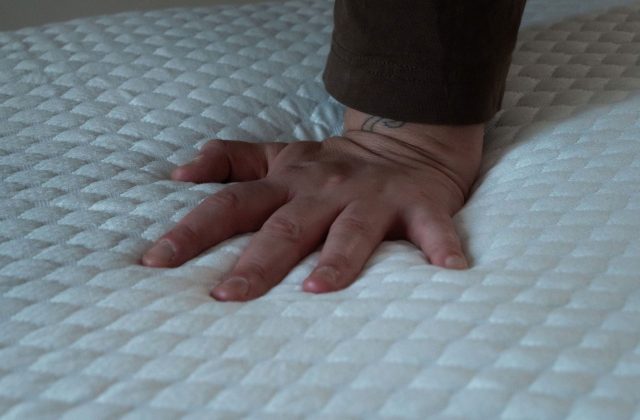
“Read the fibre label before the product name, because most bamboo toppers are memory foam under a viscose cover and should be chosen on depth, cover care and trial terms. If dust mites are the reason you are buying, put a 60°C-washable protector over whichever topper you pick.”
What the bamboo on the label means
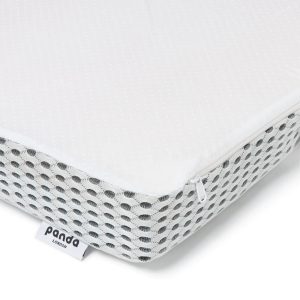
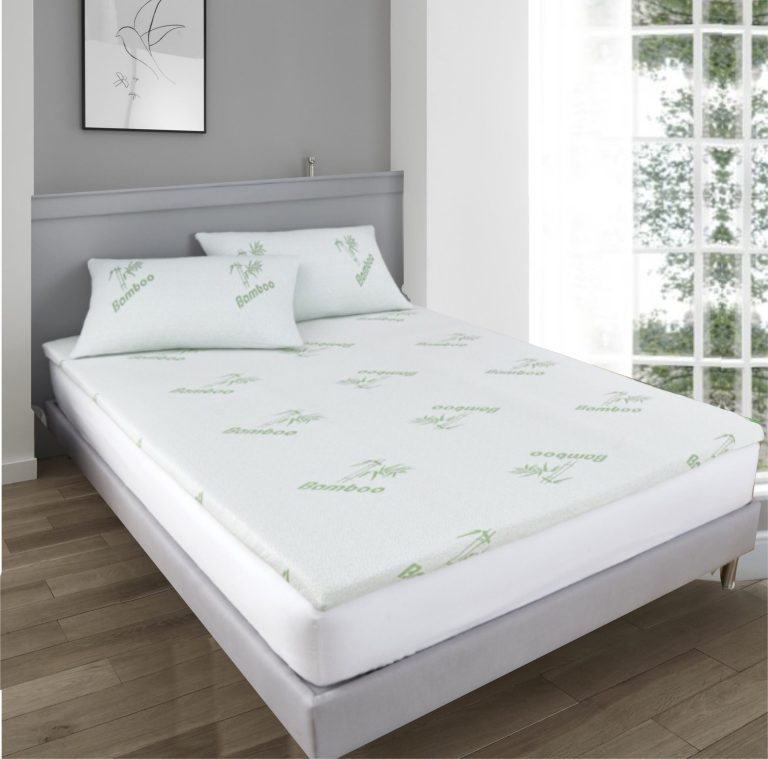
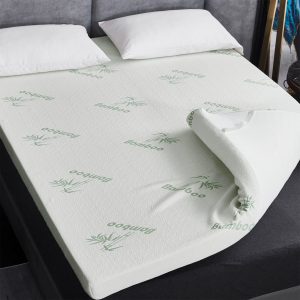
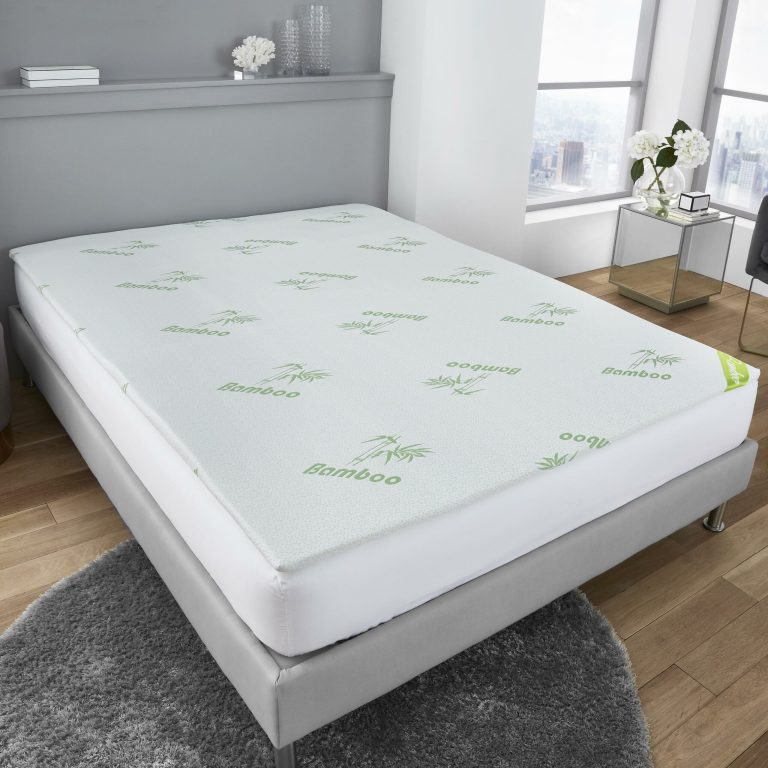
On most bamboo mattress toppers the bamboo is in the cover, not the filling, and it is there as viscose. UK fibre labels may only use the names listed in Annex I of Regulation (EU) No 1007/2011, which Trading Standards’ Business Companion guide confirms still applies as assimilated law, and that list includes viscose but not bamboo. The US Federal Trade Commission allows only “rayon (or viscose) made from bamboo” for such fabric, and four national retailers there agreed to pay penalties totalling $1.26 million in 2013 over rayon textiles labelled as bamboo. Panda is the most open seller here, declaring its cover as 70% bamboo fibre and 30% polyester. TechRadar’s March 2024 review recorded a 40% bamboo cover on the Panda it tested, so check the current product page rather than an older review. Ezysleep describes only “bamboo extract” in its foam, and the GC 2cm lists memory foam in a cover printed with a bamboo pattern.
Foam, springs or fibre
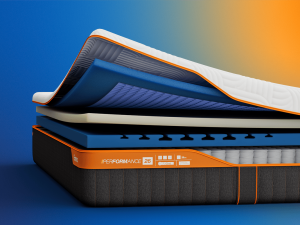
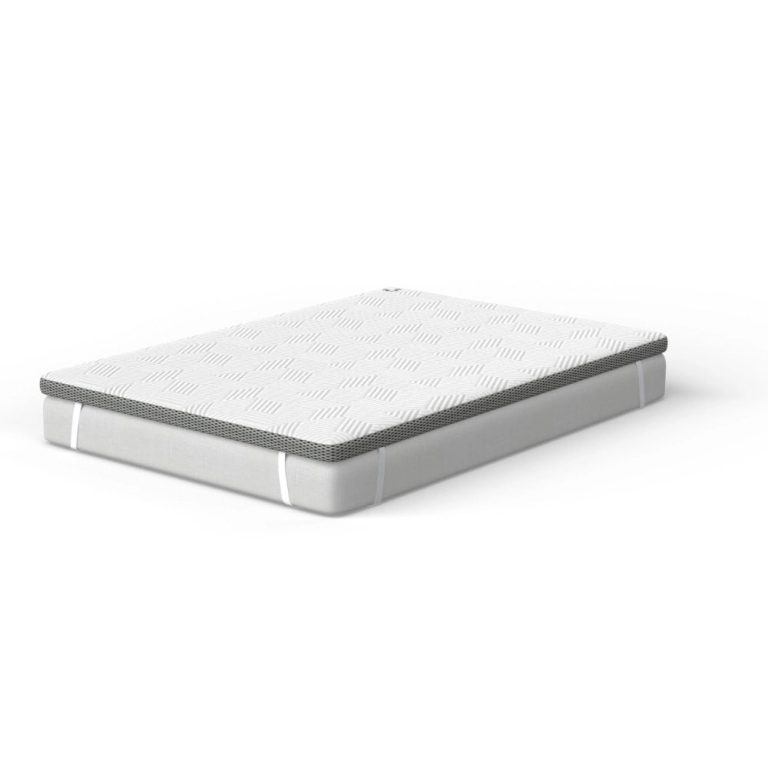
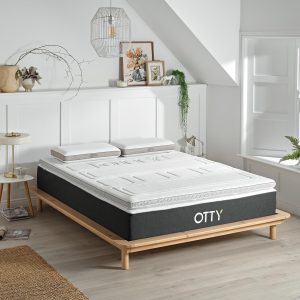
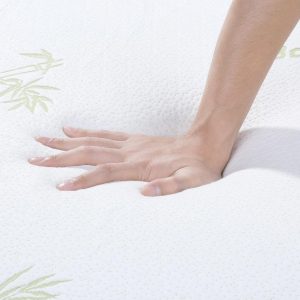
The fill decides the feel far more than the cover does. Five of the seven picks are all-foam memory foam toppers, and Panda itself says very hot sleepers may find its 5cm foam warmer than wool or cotton. The Panda Hybrid Bamboo puts up to 2,100 micro-springs under bamboo-infused foam, with ventilated sides, and Expert Reviews’ tester still found it a touch firm at the hip for a light build. Between the two 5cm foams most often compared, Woman & Home’s reviewer, who slept on both, sank further into the Panda Bamboo than into the OTTY Bamboo & Charcoal. The Raymat is the only foam-free choice, a bamboo-fibre filling in a cotton cover that softens the surface and goes in the washing machine whole, but adds no support.
Depth
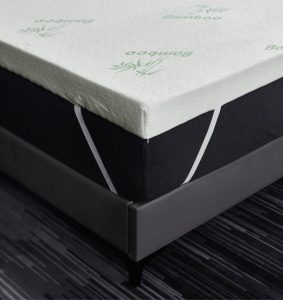
The National Bed Federation’s advice site Bed Advice UK advises, “When shopping for a topper, aim for one that’s at least 5 cm (2 inches) deep. Anything thinner is unlikely to make a noticeable difference in comfort.” Five of the seven toppers here are exactly 5cm. The 7.5cm Panda Hybrid is the one to consider for a very firm mattress or a heavier sleeper, while the 2cm GC sits well below the line. The same page warns that a topper laid on a mattress with deep dips moulds to those dips, so no topper on this page will rescue a sagging bed.
Washing, dust mites and the 60°C problem
If an allergy is the reason for buying, the wash temperature matters more than the fibre. The NHS advice on allergic rhinitis is to “use synthetic bedding and covers, and wash bedding regularly at 60C and above”. No seller ranked here states a 60°C wash. Panda specifies up to 30°C, Luff and Raymat 40°C, OTTY dry cleaning and GC wipe clean only. Cambridge University Hospitals’ dust mite leaflet notes that “A cooler wash will only partly kill the mites, but is better than nothing.” A 60°C-washable mattress protector over the topper closes that gap. As for the antibacterial claim, a 2011 study in the Journal of Consumer Sciences (Gericke and Van der Pol) found regenerated bamboo fabric no more antimicrobial than ordinary viscose rayon, although both outperformed cotton.
Trial terms and certification
A topper you have slept on usually goes back only under a sleep trial, so read the terms before you order. Across this list the terms run from 100 nights at Luff to 30 at Panda and 14 at OTTY, with no sleep trial at Ezysleep, Raymat or GC. Certification is thinner still: only the two Panda toppers give an OEKO-TEX Standard 100 certificate number, a label tested against more than 1,000 harmful substances.
For the same depth question across every fill, see our mattress topper comparison and the memory foam topper ranking; sizes are covered on the double and king size topper pages, and the two Panda models go head to head in our Panda topper comparison.