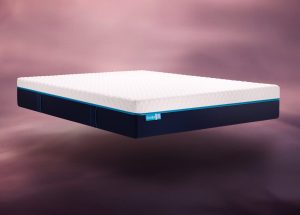
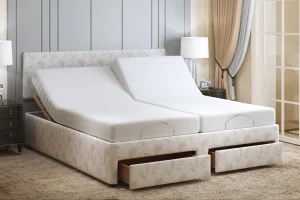
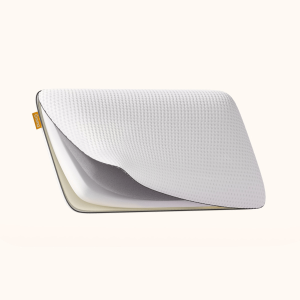
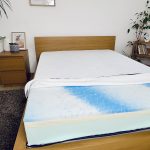
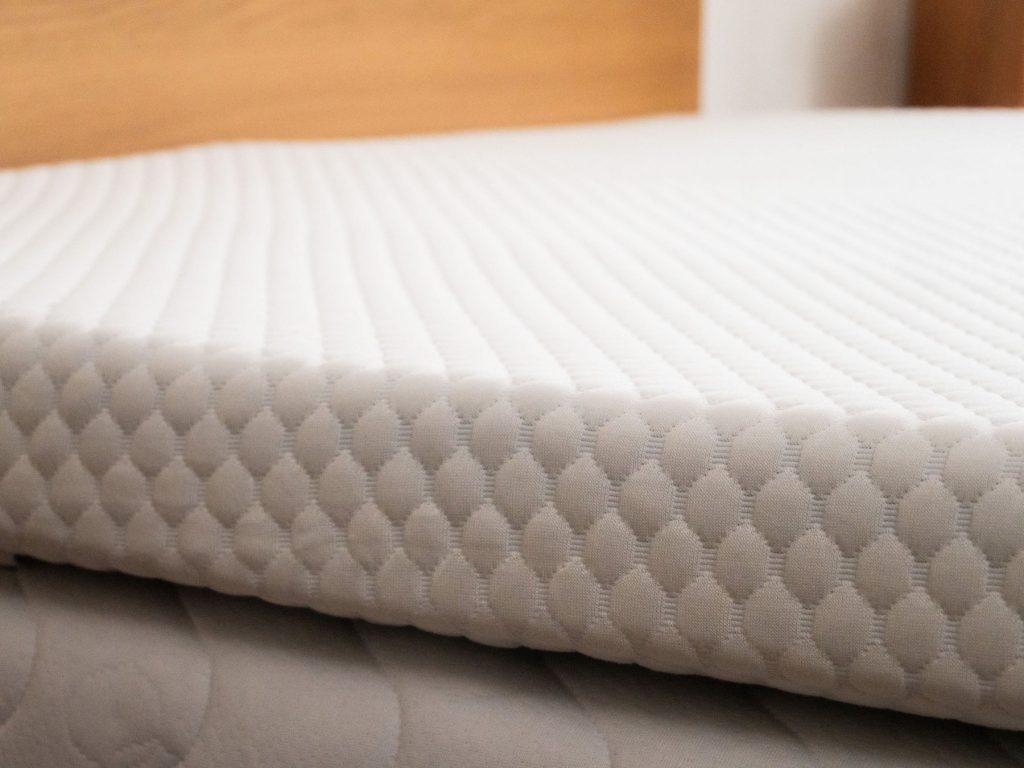
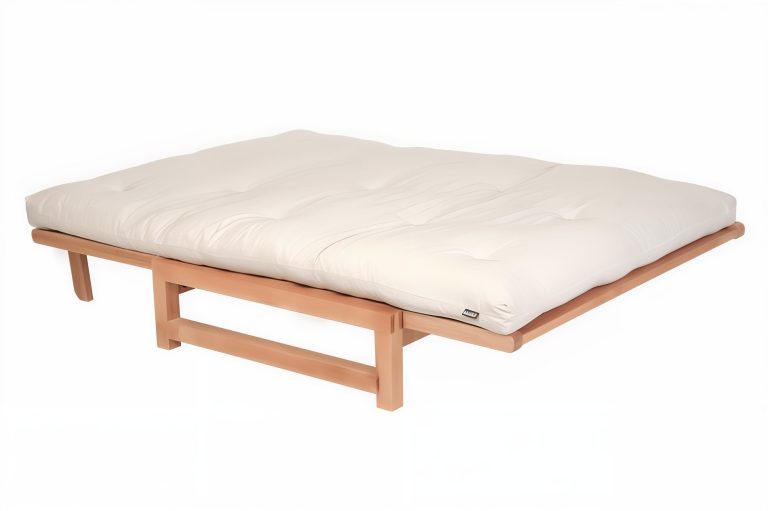
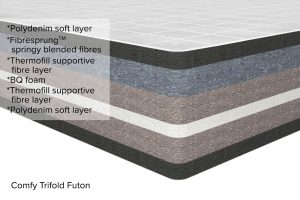
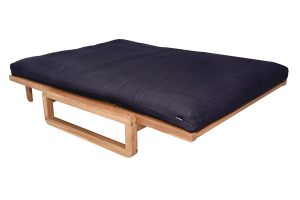
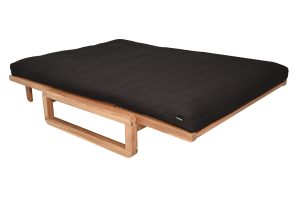
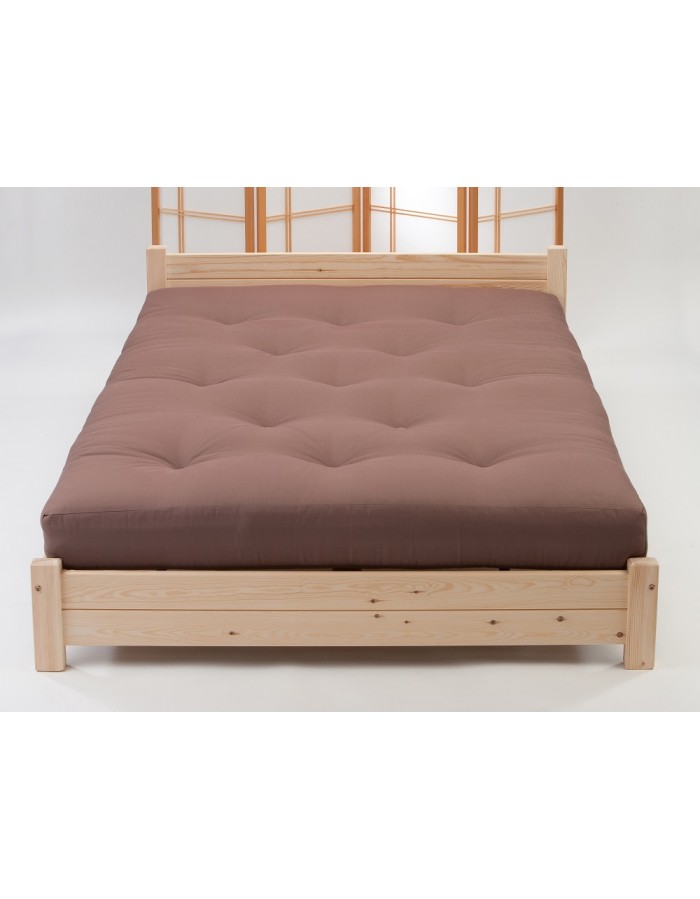
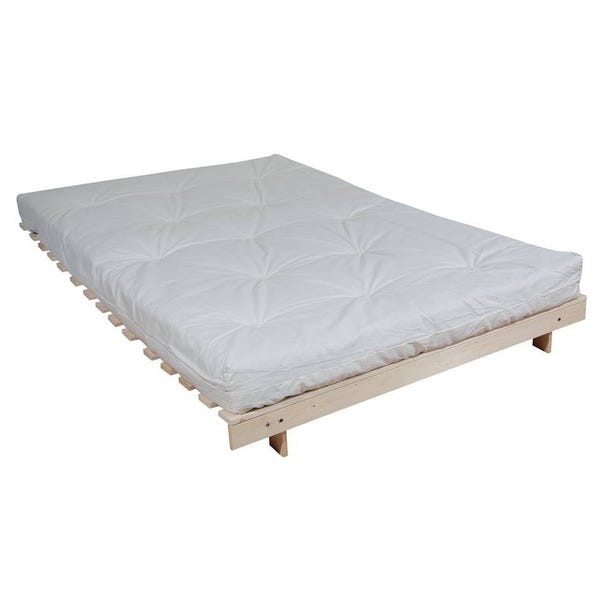
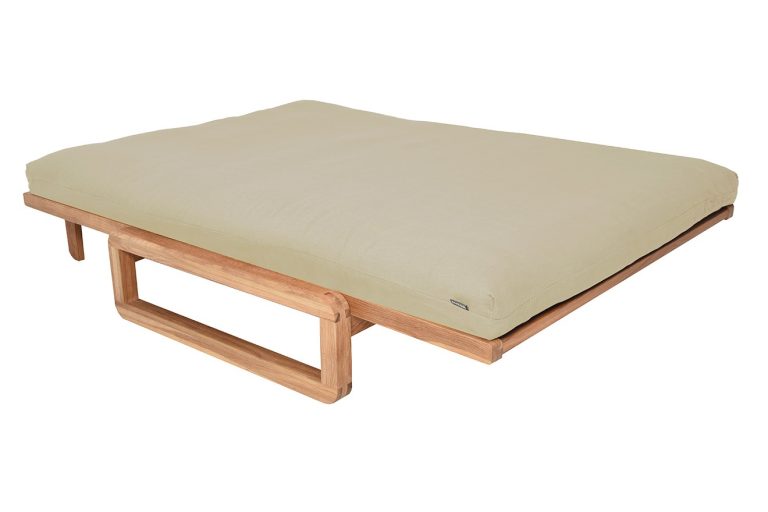
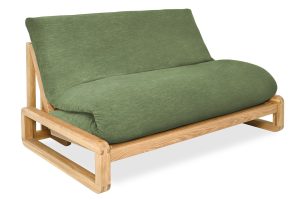
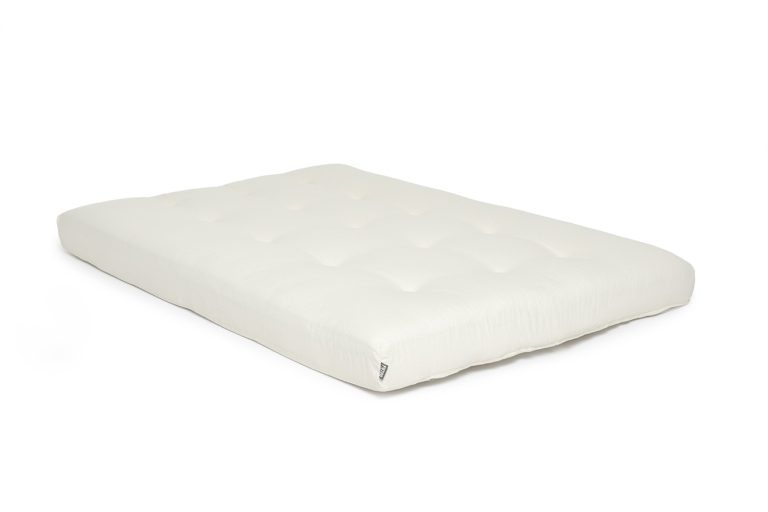
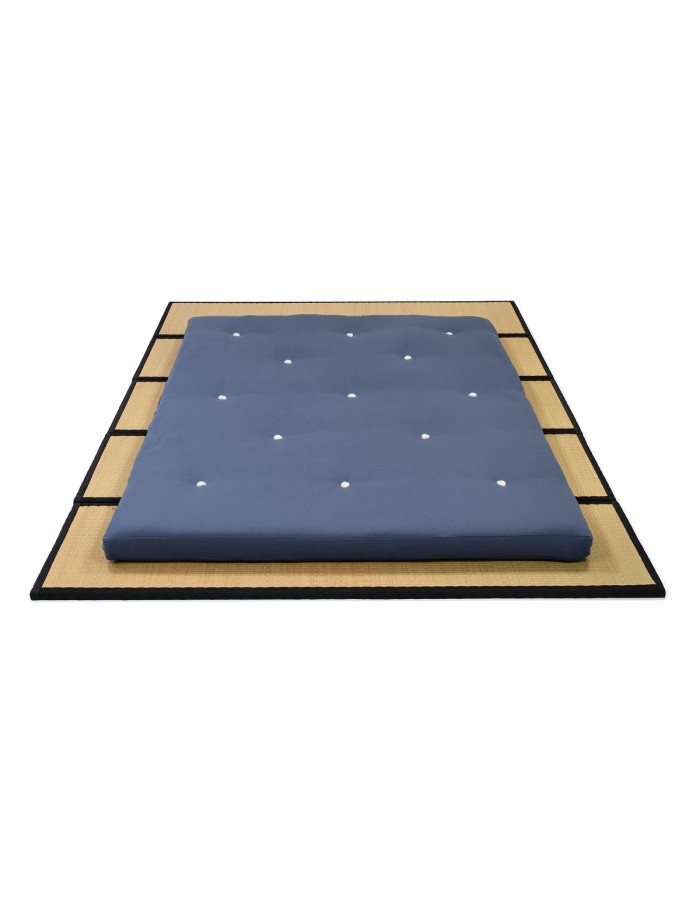
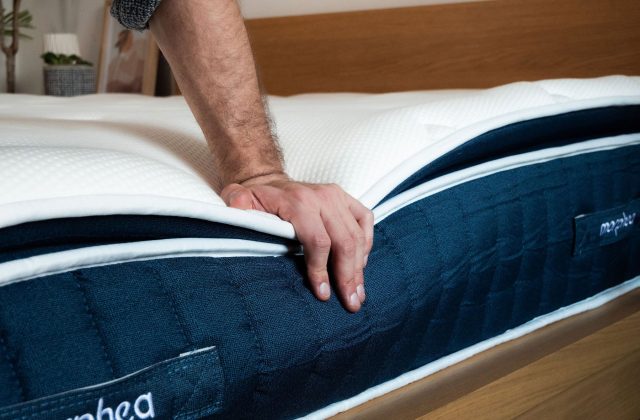
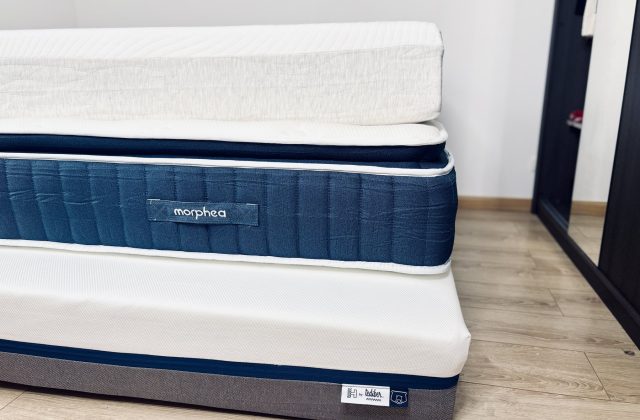
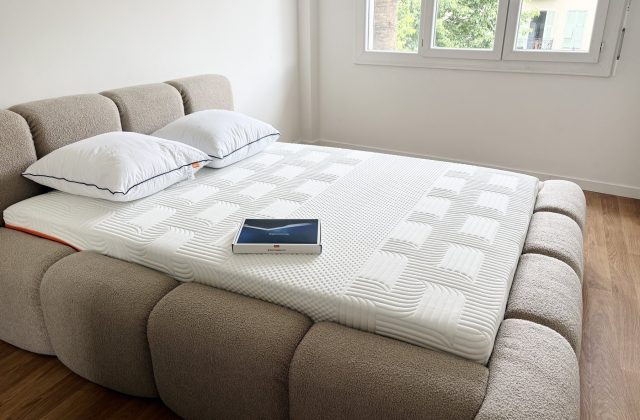
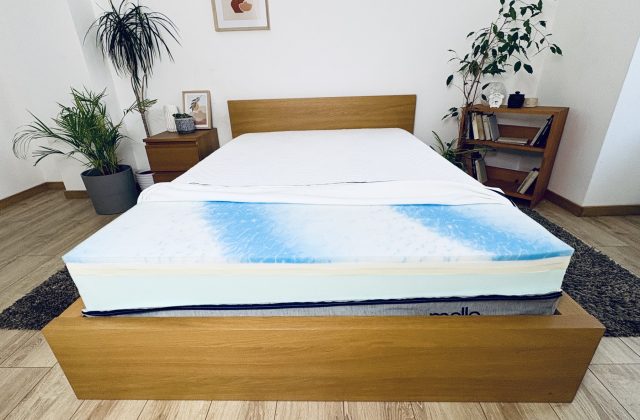
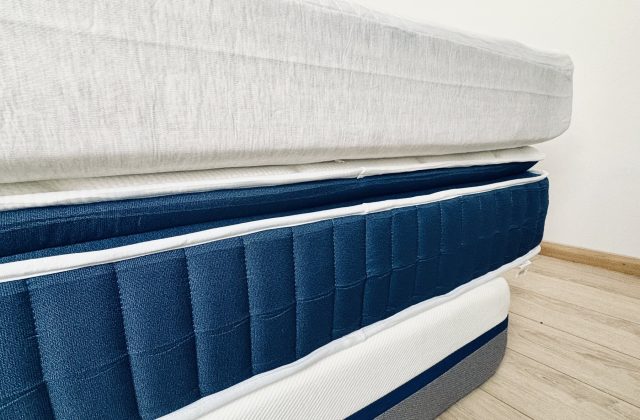
“The Futon Company Comfy is the futon we would choose for a sofa that is also somebody's bed, with a foam layer that helps it stay comfortable night after night. It suits anyone who wants one futon for sitting and sleeping, and you can try it first in a Futon Company shop.”
Measure the frame, not the bed
Futon sizes do not follow UK bed sizes. A two-seat futon sofa usually takes a double futon of 135 to 140cm by 190cm. Futon Company makes its doubles 138 x 190cm and Futons247 140 x 190cm, while Dunelm’s Mito double is 137 x 185cm and Japanese shikibuton are 200cm long. A futon that is too long bunches against the back of a sofa frame, and one that is too short leaves the slats exposed, so measure the deck of your frame laid flat and buy the futon its maker sells for that frame. If you are furnishing an ordinary bed rather than a futon frame, our double mattress and single mattress rankings, or our best mattresses of the year, are the better starting point.
The filling decides how long it lasts
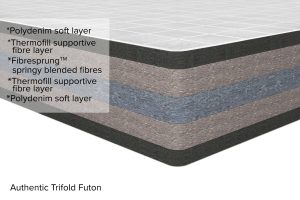
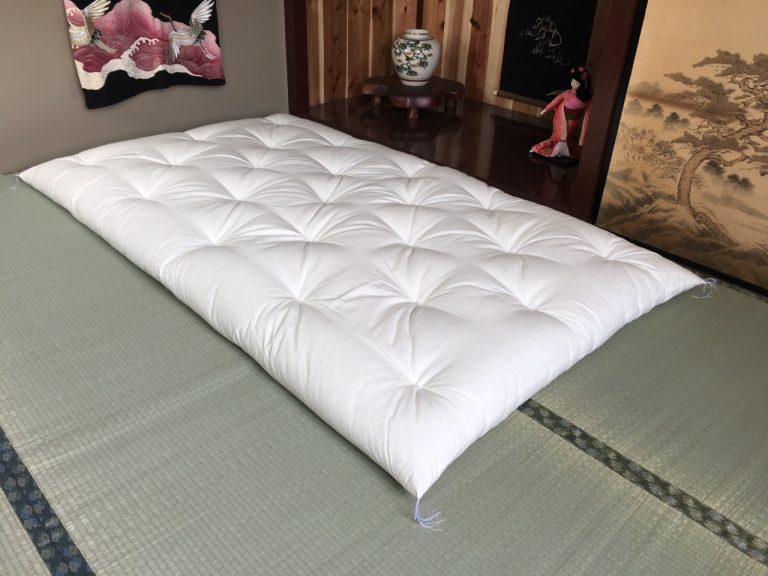
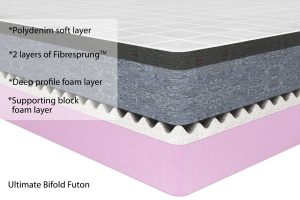
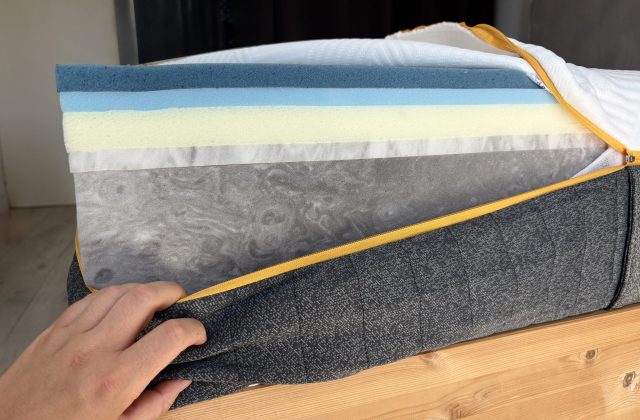
Traditional futons are layers of cotton, polyester fibre or cotton felt, and every layer compacts where it takes weight. That is fine on a guest futon used a few nights a month, and it keeps the futon flexible enough to fold. For nightly use you want something that springs back, such as a foam layer or block, as in Futon Company’s Comfy and Supreme, or a pocket-spring layer like the Futons247 FutoFlex. Whatever the filling, turn and air a futon regularly; Futon Company asks owners to rotate theirs monthly and air it daily when it is used as a bed.
Sofa futon, bed futon or floor futon
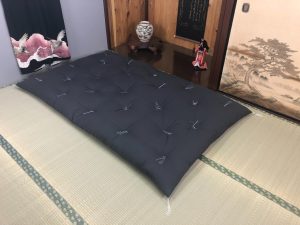
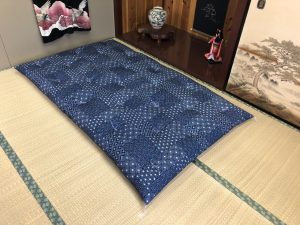
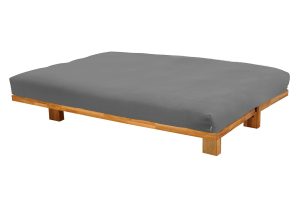
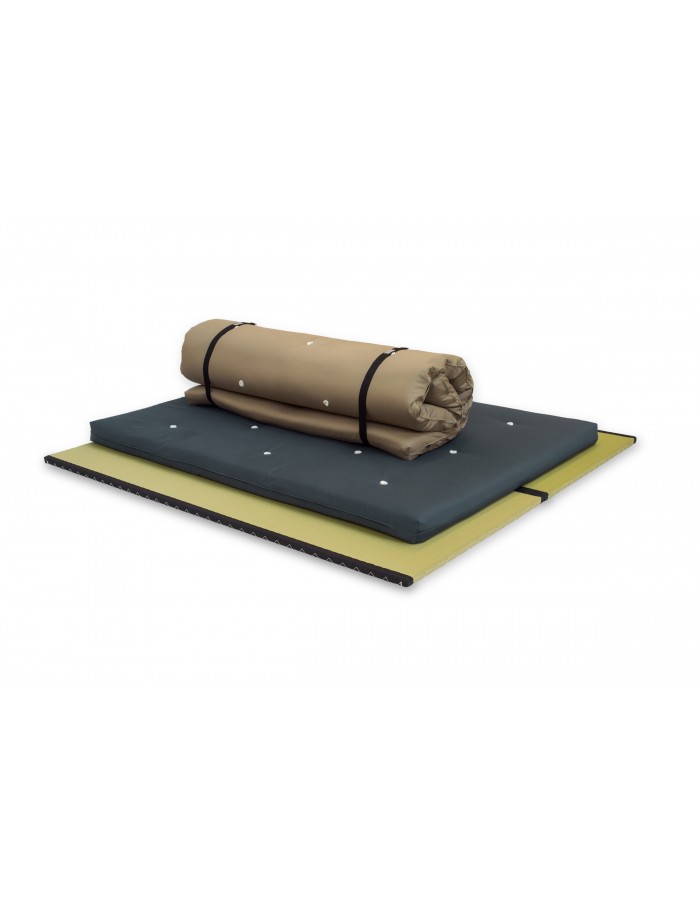
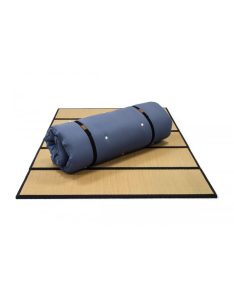
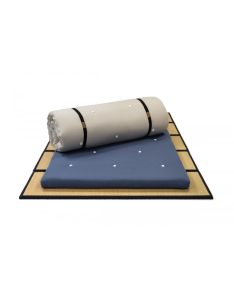
A sofa futon folds every day, so it must stay supple. That rules out the deepest felt futons, which need flat slatted frames. A two-seat trifold frame folds the futon in three, a three-seat bifold in two along its length, and the two take different mattresses. A bed futon lies flat on slats and can be as deep and heavy as you like. A floor futon, the Japanese shikibuton or a roll-up bed roll, is thin by design and must be lifted, folded or rolled most days, because moisture collects underneath a mattress on a solid floor. UK government guidance on damp and mould notes that they primarily affect the airways and lungs, so a futon left down for weeks in a cold room is a real risk, not only a hygiene one. If you want a spare bed that packs away without a frame at all, our foldable mattress comparison covers tri-fold foam beds, and the sofa bed mattress ranking covers sprung replacements for pull-out sofa beds.
Firmness, back pain and fire safety
Thin futons are firm, and light side sleepers feel it first at the shoulder and hip. Firmer is not automatically better for your back either: a 2003 randomised trial of 313 adults with chronic low-back pain in The Lancet (Kovacs et al.) found that people given a medium-firm mattress reported less pain and disability than those given a firm one. If you sleep on your side or have back trouble and want a futon as your main bed, choose a deep or sprung model rather than a bed roll.
Every futon sold new in the UK must meet the Furniture and Furnishings (Fire) (Safety) Regulations. Business Companion, the trading standards guidance service, puts the scope plainly: “The Regulations apply to furniture that is intended for private use indoors, including beds, divans, sofa beds, cushions, mattresses and pillows.” Many makers meet the rules with fire-retardant treated materials; Futons247 offers fabrics that pass with a wool layer instead. With a second-hand futon, look for the permanent fire-safety label before you buy. Few futon makers publish a sleep trial or a guarantee, so judge a futon on its build and price, and check the returns terms before ordering a made-to-order one.