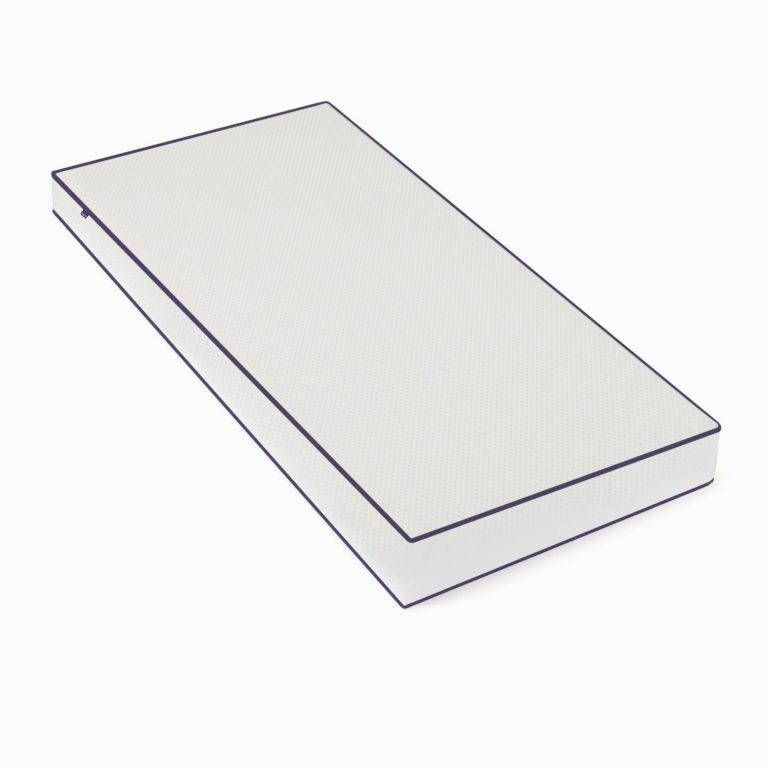
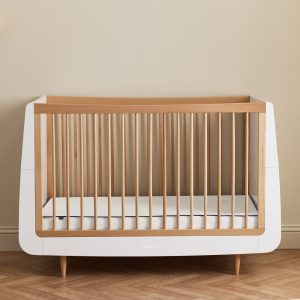
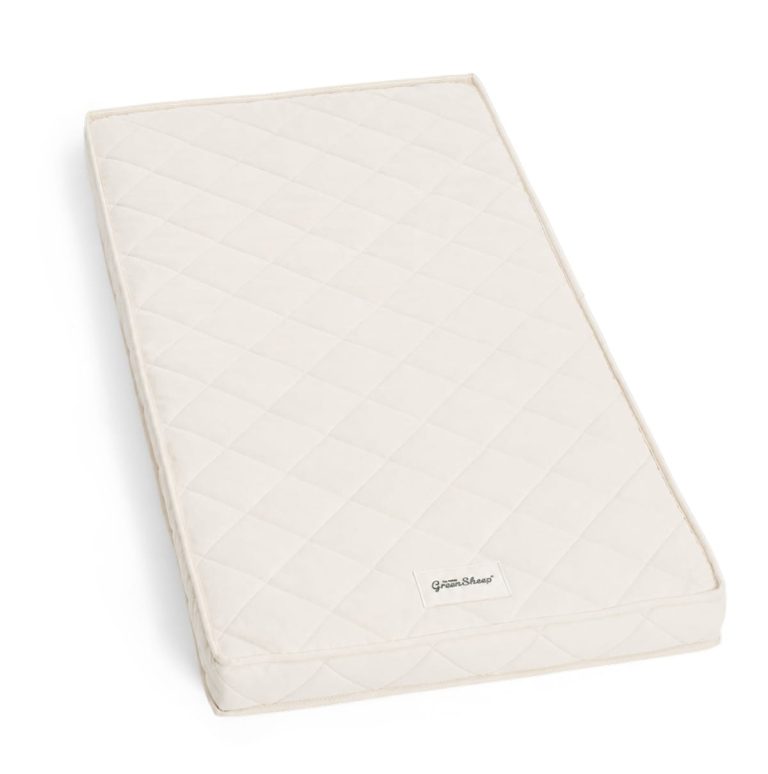
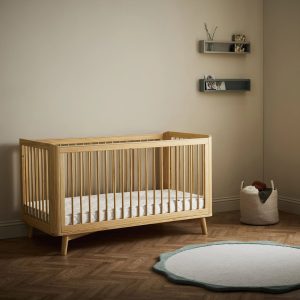
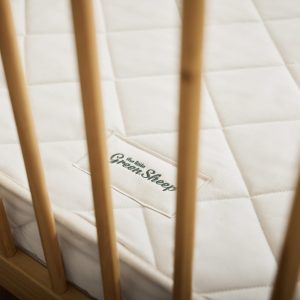
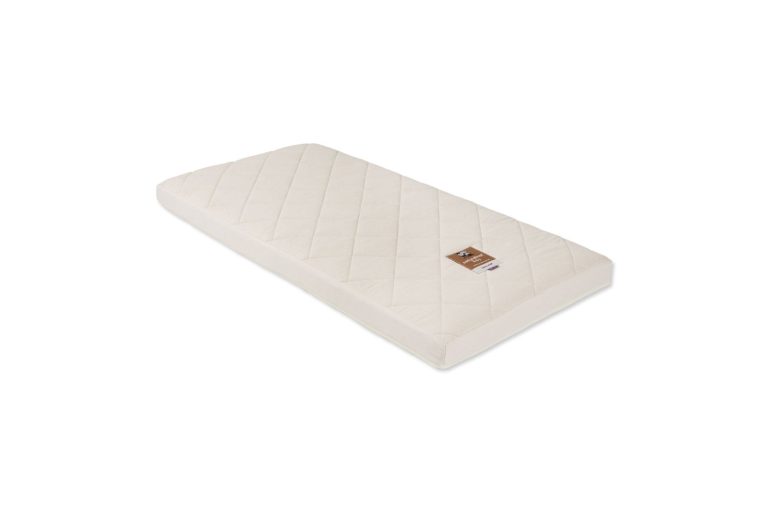
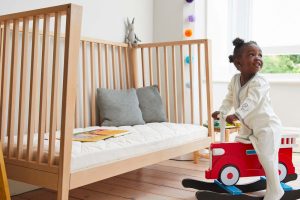
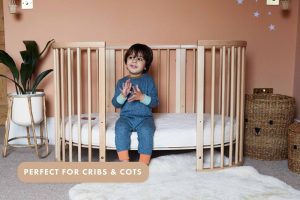
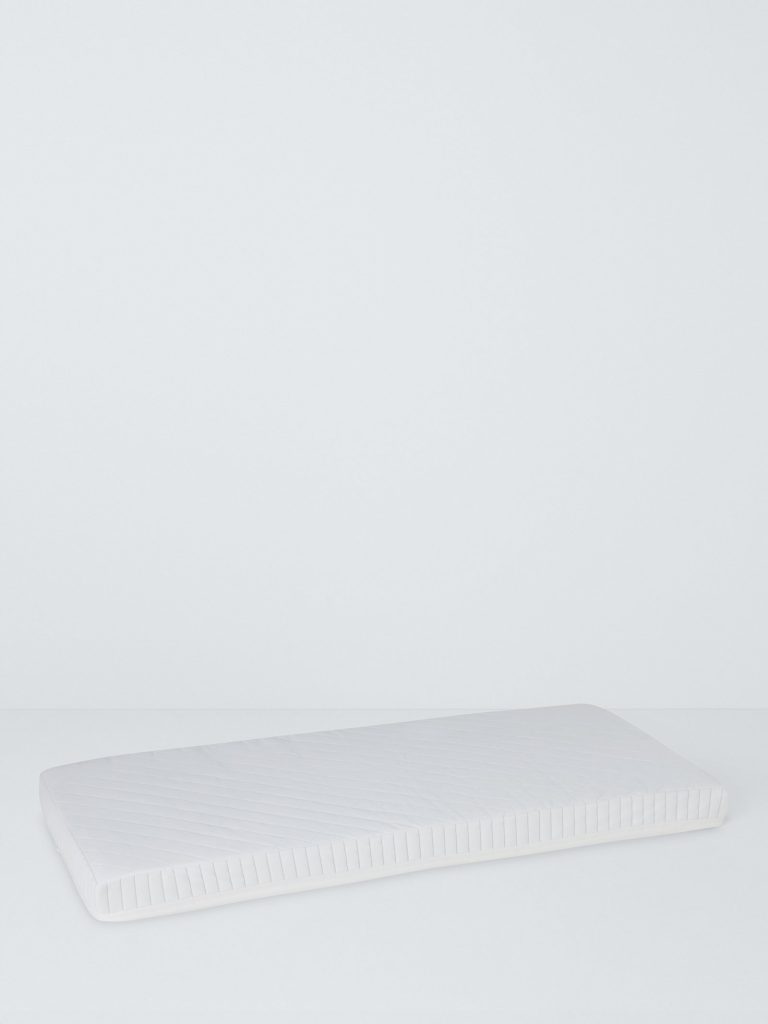
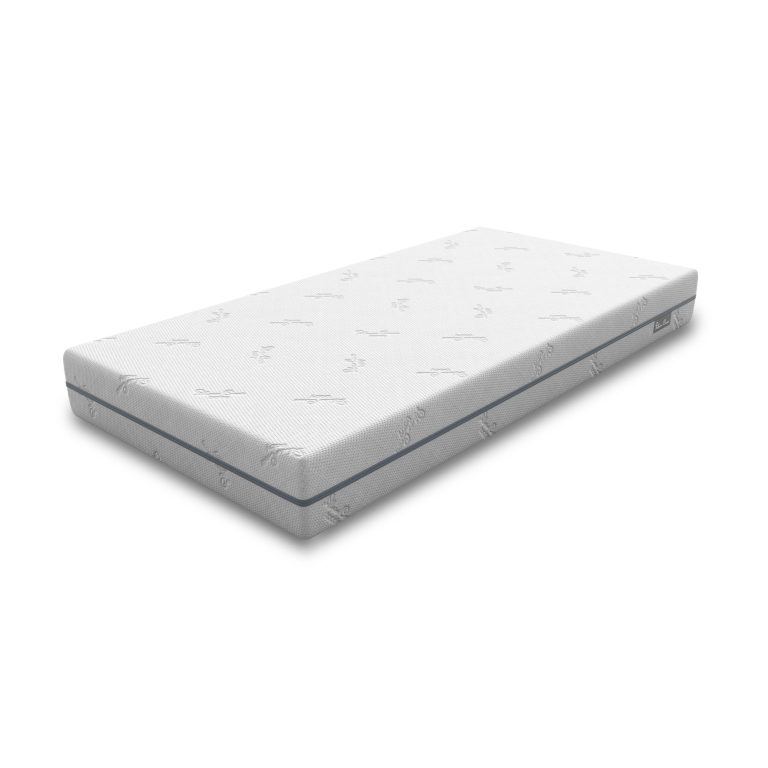
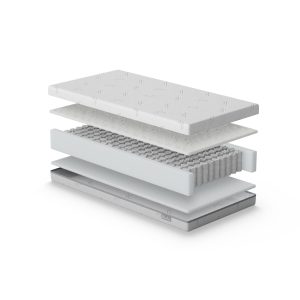
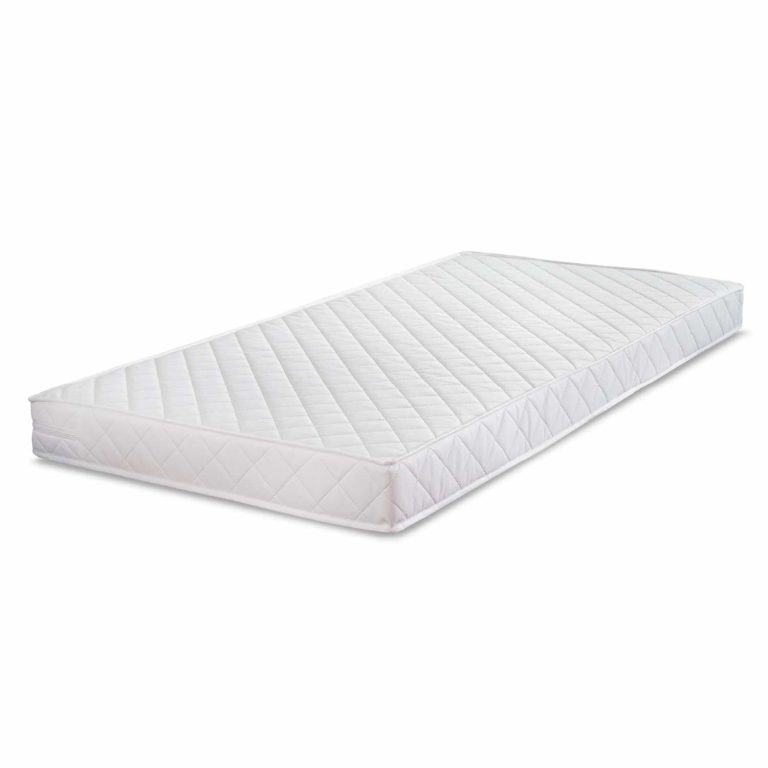
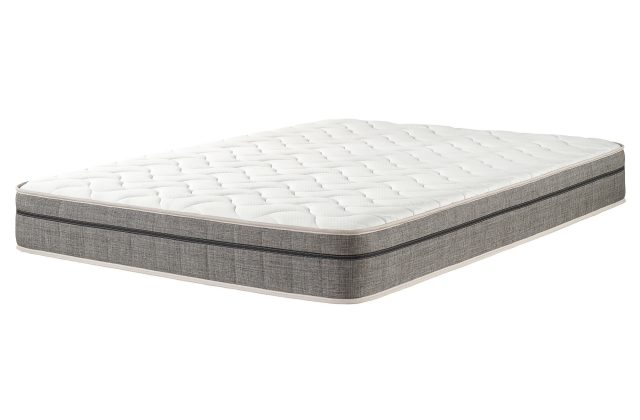
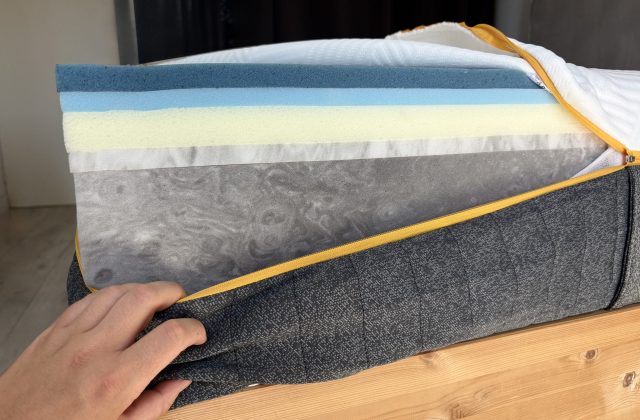
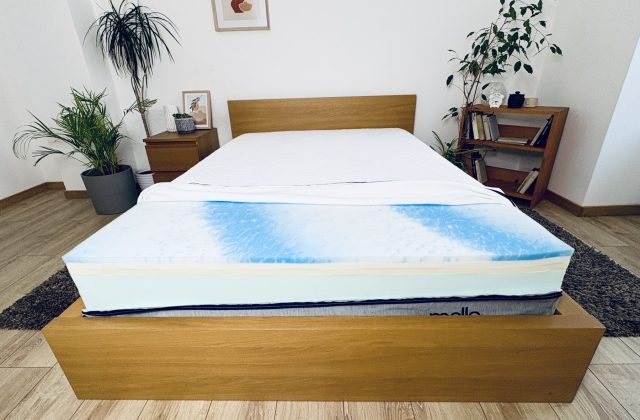
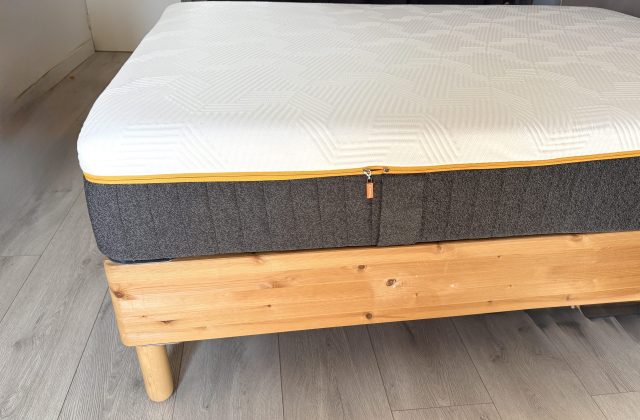
“Most of the extra money in a cot mattress buys the toddler years, with a softer second side, a cover that survives potty training and a core built to last. If you plan to buy a new mattress for your next baby anyway, a simple single-sided one covers the baby months just as well.”
The NHS guidance on reducing the risk of SIDS lists “use a firm, flat mattress” among its steps, and The Lullaby Trust, the UK charity for safer baby sleep, adds that the mattress should fit the cot with no gaps. Its guide to buying safer sleep essentials also notes that “For safer sleep you don’t need to buy lots of products or spend more on expensive items.” Beyond a firm, flat surface and stated BS EN 16890 compliance, which six of our nine picks name, what separates the picks is comfort, durability and convenience.
Measure the cot, then buy that size
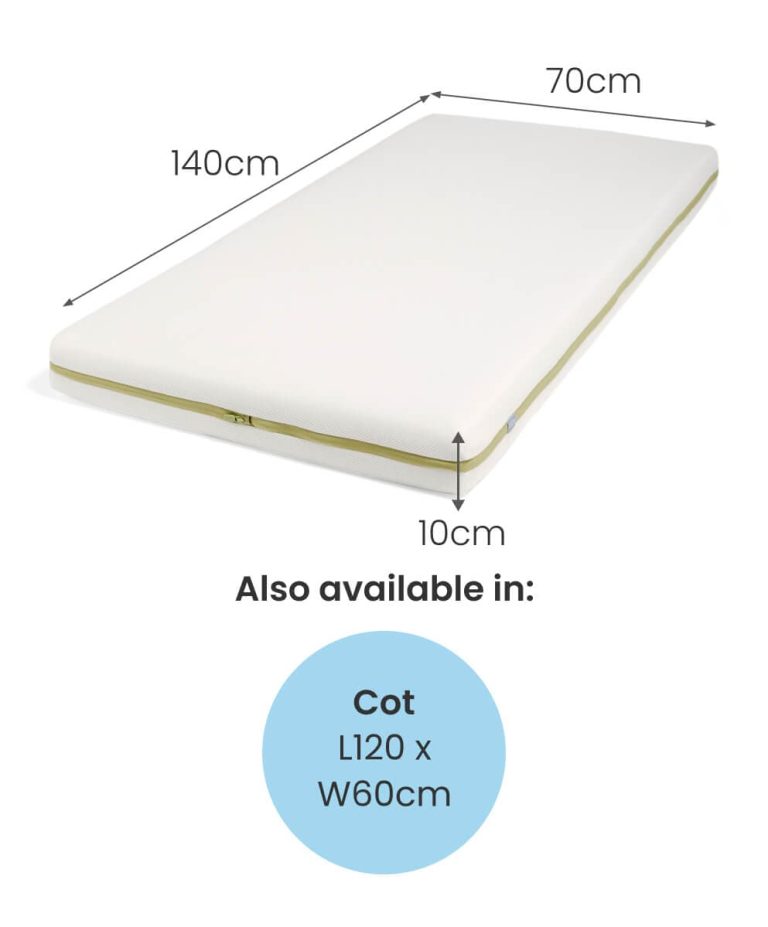
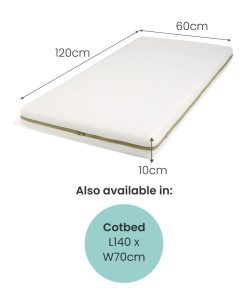
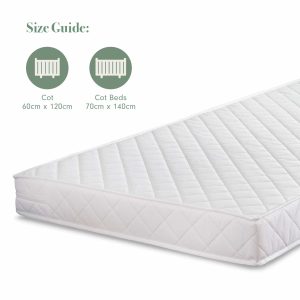
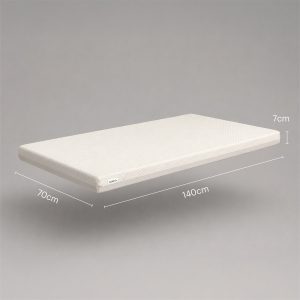
Most UK cots take a 60x120 mattress and most cot beds a 70x140 one, but some frames have their own sizes. Older oval Stokke Sleepi cots need 68x122, Snüz’s SnuzKot 68x117, and Mamas & Papas sells its 60x120 mattresses for what it calls small cotbeds. Measure the inside of the cot base and buy that exact size, never the nearest one. Travel cots have smaller bases of their own, and our travel cot mattress comparison matches replacement mattresses to named cot models. According to a technical summary by the Italian furniture test lab CATAS, the cot standard EN 716-1 requires the gap between mattress and cot sides to be less than 30mm, and BS EN 16890 holds the mattress to within 10mm of its stated width and length.
Firm and flat matter more than the filling
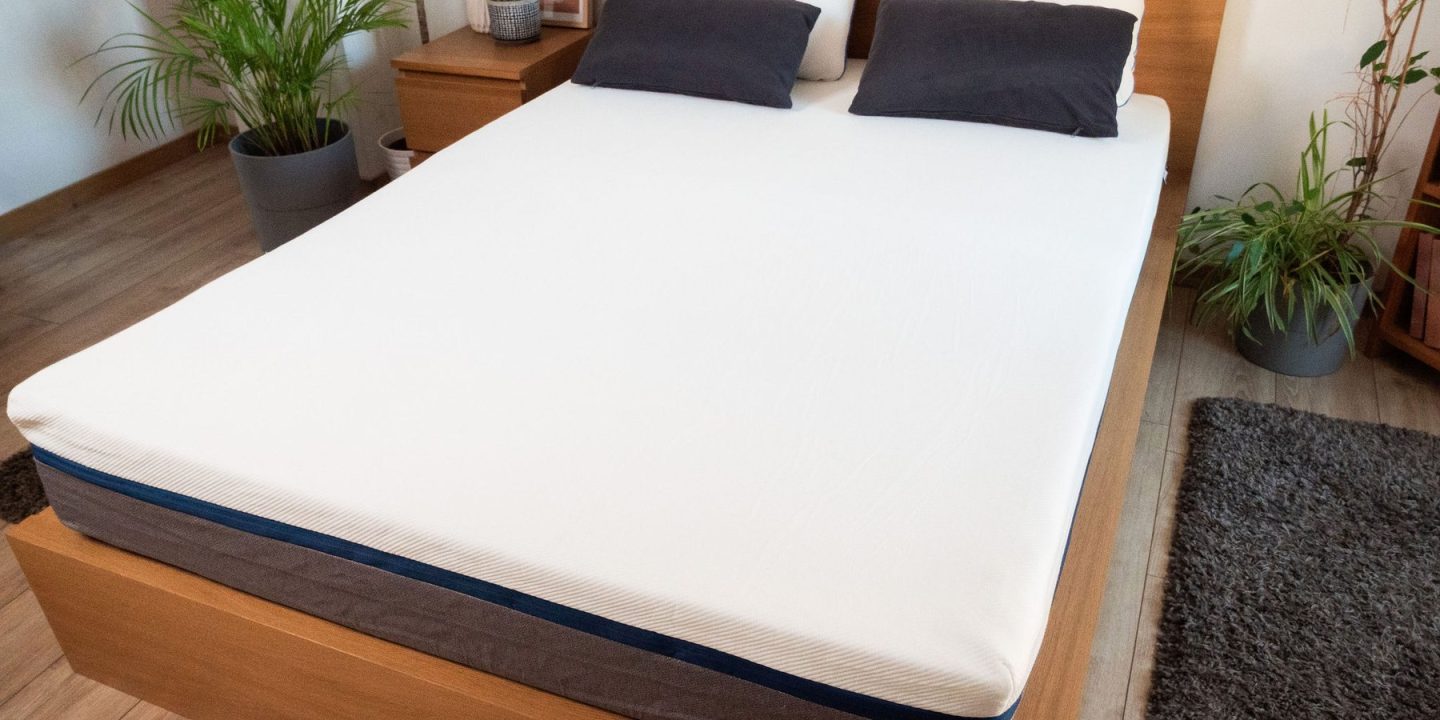
The Lullaby Trust’s test is that your baby’s head should sink no more than a few millimetres into the mattress. BS EN 16890 also includes a firmness test for mattresses deeper than 30mm, in which a weighted sphere standing in for a baby’s head is pressed into the surface. Springs, fibre, foam and coir can all pass it, and what differs is depth, weight, how the cover is cleaned and price. A waterproof cover matters more than a breathable one. The Trust’s buying guide also warns that “Claims that a product will decrease the risk of SIDS are almost always not true.”
A waterproof layer and a cover you can wash
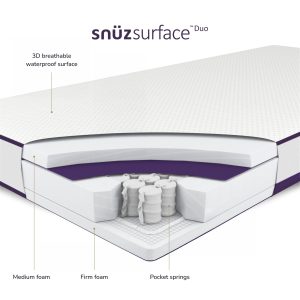
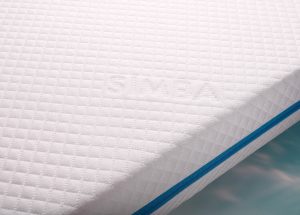
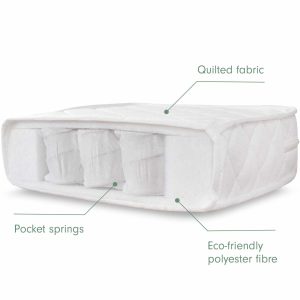
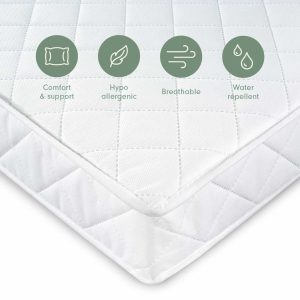
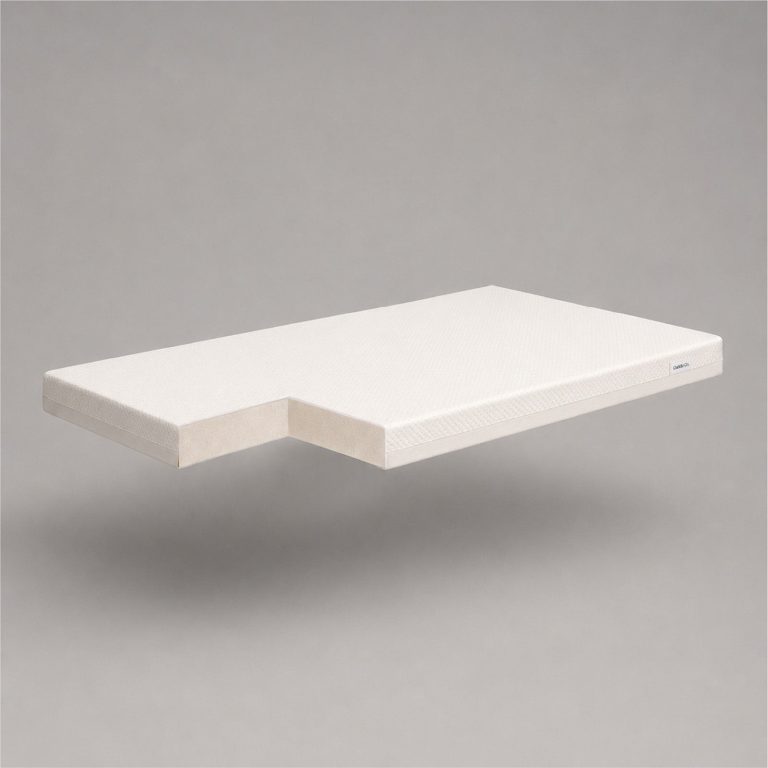
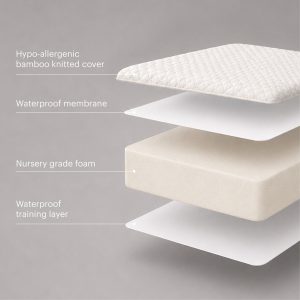
A waterproof layer stops spills and nappy leaks soaking into the core, where bacteria can build up. The Lullaby Trust advises a mattress protected by a waterproof cover, and a fitted waterproof protector does that job on mattresses without one. Two picks have a waterproof layer of their own. The Snüz Duo has a waterproof membrane inside its washable cover, and CuddleCo gives the Lullaby a whole waterproof side. Mamas & Papas describes its fixed inner protector as wipe-clean rather than waterproof, Simba and Silver Cross call their layers water-resistant, and The Little Green Sheep, Naturalmat, John Lewis and Tutti Bambini name no waterproof layer at all. Add a waterproof mattress protector to any of those seven.
One sleeping side or two
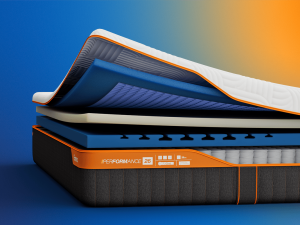
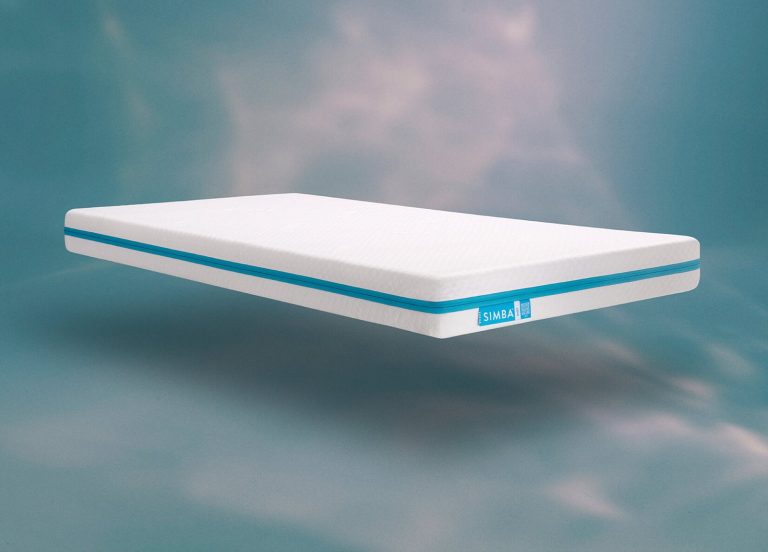
A dual-sided mattress has a firm side for babies and a softer side you turn to once your child is a toddler. Simba, for example, tells parents to flip its cot bed mattress when the child turns one. It saves buying a second mattress when a cot bed becomes a toddler bed, although the Trust recommends, where possible, a new mattress for each new baby. A single-sided mattress is just as safe and costs less. When your child moves to a full-size bed, our single mattress ranking is the next stop, and adult mattresses are covered in our main mattress comparison.
Regular prices from each maker’s UK shop at the time of writing (October 2026); sales can take them lower.